When it comes to manufacturing plastic parts, two of the most popular methods are 3D printing and injection molding. Each technology has distinct advantages and ideal use cases. Understanding their differences can help you make the right choice for your project.
Understanding the Fundamentals
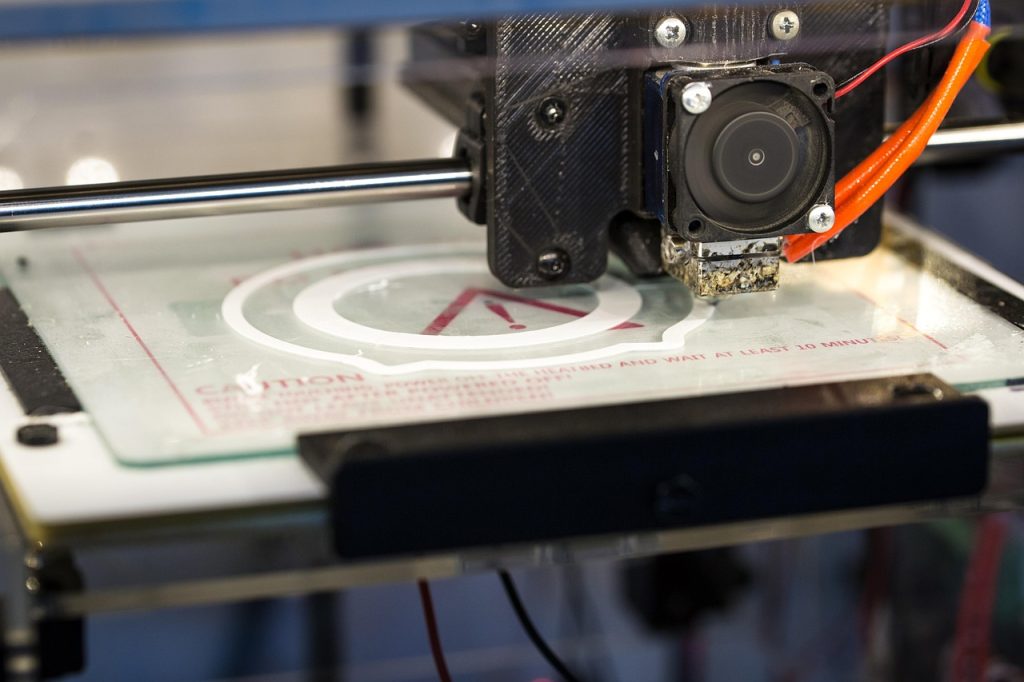
3D printing, or additive manufacturing, builds parts layer by layer from a digital model. Injection molding, on the other hand, injects molten plastic into a mold cavity under high pressure. These fundamental differences in approach lead to significantly different outcomes in terms of cost, speed, and part quality.
How 3D Printing Works
Modern 3D printing encompasses several technologies including FDM (Fused Deposition Modeling), SLA (Stereolithography), and SLS (Selective Laser Sinteration). Each method offers unique benefits for different applications. FDM is cost-effective for prototypes, SLA provides excellent surface finish, and SLS delivers strong functional parts without support structures.
How Injection Molding Works
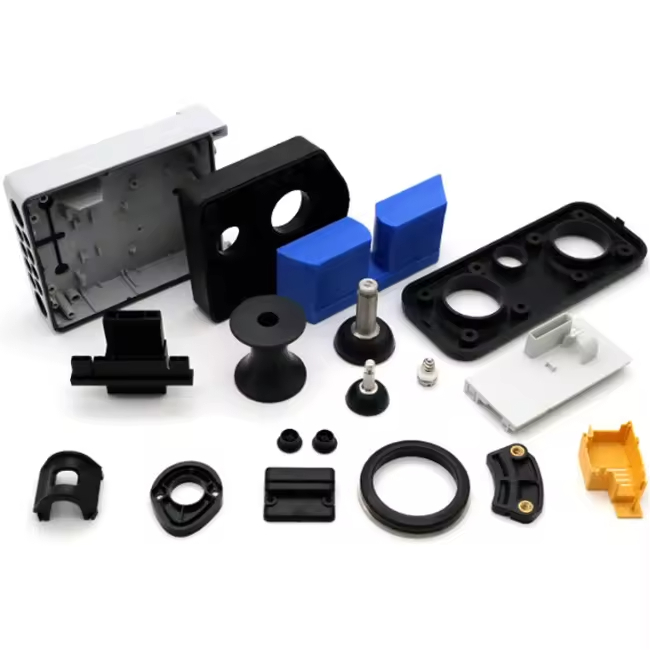
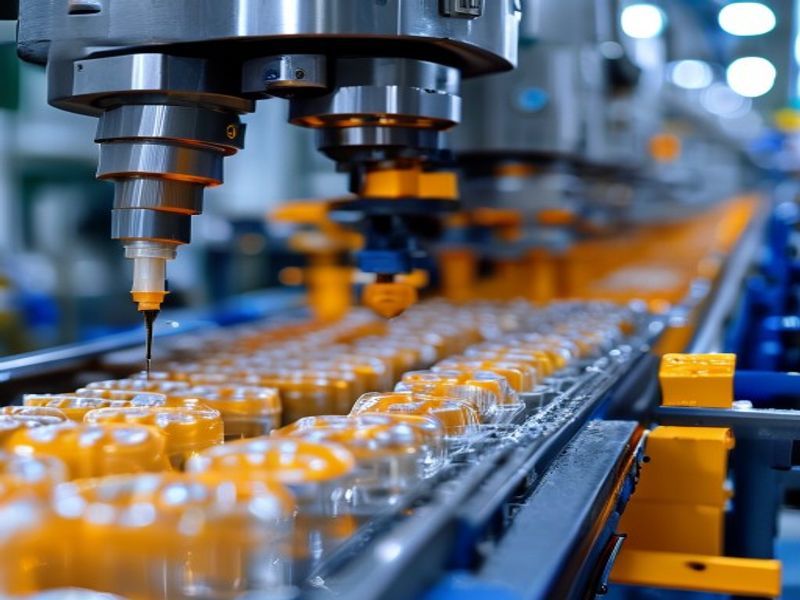
Injection molding requires creating a metal mold, typically from steel or aluminum. Molten plastic is then injected into this mold at high pressure. The process is incredibly fast once the mold is created, with cycle times measured in seconds. This makes it ideal for high-volume production.
Cost Comparison: Breaking Down the Numbers
The cost structure of these two technologies is fundamentally different. Understanding these differences is crucial for making an informed decision.
| العامل | الطباعة ثلاثية الأبعاد | القولبة بالحقن |
|---|---|---|
| Initial Tooling Cost | $0 – $100 | $3,000 – $100,000+ |
| Per-Part Cost (100 pcs) | $5 – $50 | $10 – $30 |
| Per-Part Cost (10,000 pcs) | $5 – $50 | $0.50 – $3 |
| المهلة الزمنية | 1-5 days | 2-8 weeks |
When to Choose 3D Printing
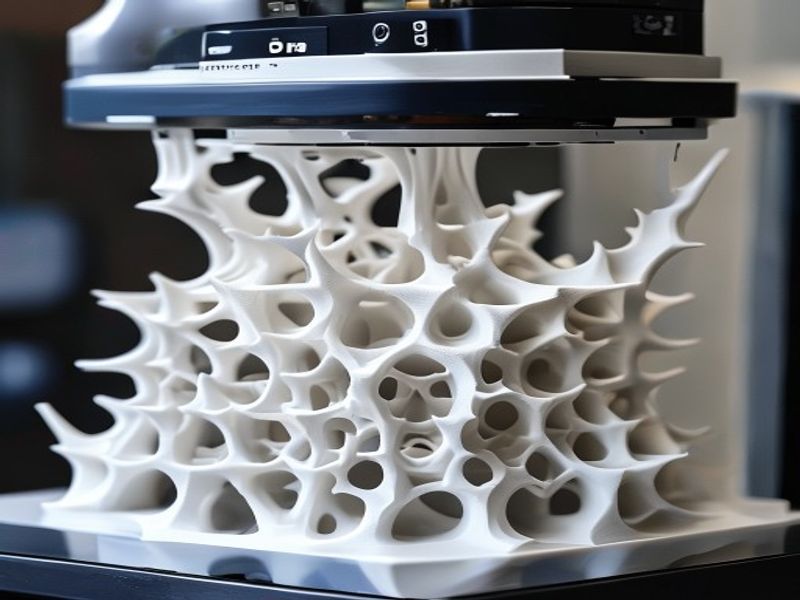
3D printing excels in scenarios where flexibility, speed, and low upfront costs are priorities. Consider 3D printing when:
- Low volume production – Typically under 500 parts
- الأشكال هندسية معقدة – Internal channels, undercuts, and organic shapes
- Rapid prototyping – Need parts in days, not weeks
- Design iterations – Multiple design versions needed quickly
- Custom or personalized parts – Each part can be different
When to Choose Injection Molding
Injection molding becomes the clear winner for production at scale. Choose injection molding when:
- High volume production – Typically over 1,000 parts
- Consistent part quality – Need uniform parts every time
- Material requirements – Specific engineering plastics needed
- Surface finish – Require smooth, production-quality surfaces
- التفاوتات الضيقة – Parts must meet precise specifications
Material Considerations
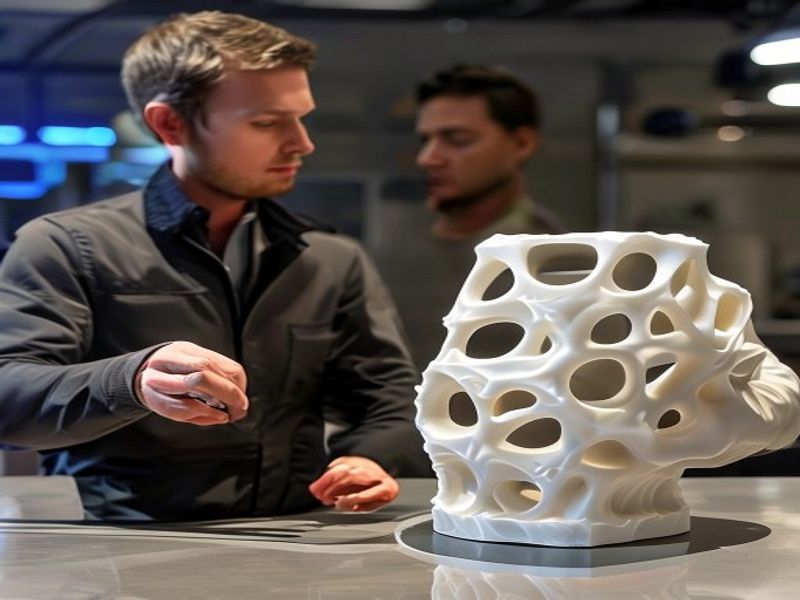
Both processes offer a wide range of materials, but the availability and properties differ significantly.
3D Printing Materials
Common materials include PLA, ABS, PETG, Nylon, TPU, and various engineering-grade materials. Advanced 3D printers can also work with carbon fiber composites, metal-filled filaments, and specialty materials. However, the material properties may not always match those of injection molded equivalents.
مواد القولبة بالحقن
Injection molding offers access to thousands of commercial plastic formulations including ABS, Polypropylene, Nylon (PA6, PA66), Polycarbonate, POM, PEEK, and virtually any thermoplastic available in pellet form. These materials typically achieve their full mechanical properties.
Making Your Decision
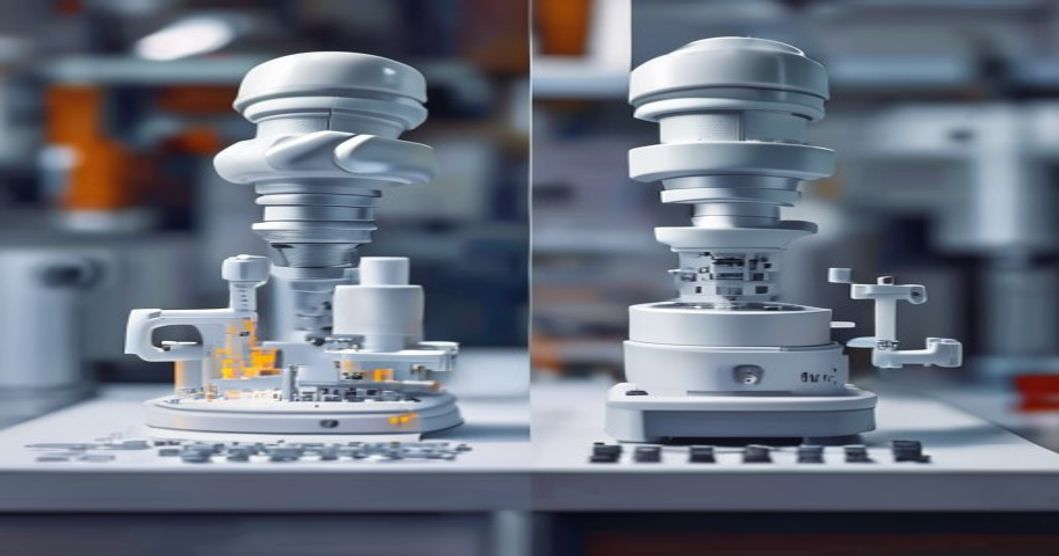
The choice between 3D printing and injection molding isn’t always straightforward. Many projects benefit from using both: 3D printing for prototyping and early production, then transitioning to injection molding for full-scale manufacturing. This hybrid approach minimizes risk while optimizing costs at each stage.
Consider your specific requirements: volume, timeline, budget, part complexity, and material needs. There’s no universal right answer—only the right choice for your specific project.
Our Capabilities
With over 300 CNC machines, we produce more than 10,000 pieces daily with tolerances as tight as ±0.005mm. We accept MOQ from 1 piece, with delivery times ranging from 24 hours to 15 days. Whether you need a single prototype or thousands of production parts, we have the capacity and expertise to deliver. Get a quote within 24 hours.
الأسئلة الشائعة
When does 3D Printing vs Injection Molding: Which Manufacturing Process Is Right for Your Project? make sense?
3D Printing vs Injection Molding: Which Manufacturing Process Is Right for Your Project? makes sense when the part volume, material choice, geometry, and repeatability needs justify mold design and tooling investment.
What design factors matter most for 3D Printing vs Injection Molding: Which Manufacturing Process Is Right for Your Project??
Wall thickness, ribs, bosses, draft angle, gate location, shrinkage, parting line, and ejection all affect molded part quality.
What information is needed before mold production?
The supplier should confirm the 3D model, material, expected annual volume, appearance requirements, tolerance needs, and any assembly or functional testing requirements.
What is the biggest risk in 3D Printing vs Injection Molding: Which Manufacturing Process Is Right for Your Project??
The biggest risk is approving tooling before material behavior, shrinkage, flow, and part function are fully checked against the real application.