
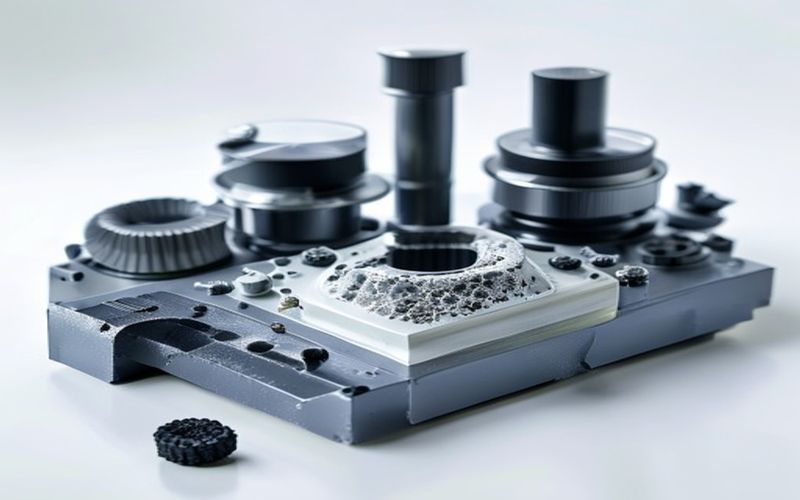
The mold is the heart of any injection molding operation. For nylon components, selecting the right mold type involves balancing initial investment, production volume requirements, part complexity, and timeline constraints. Understanding your options ensures you make the optimal choice for your project.
Classifying Injection Molds
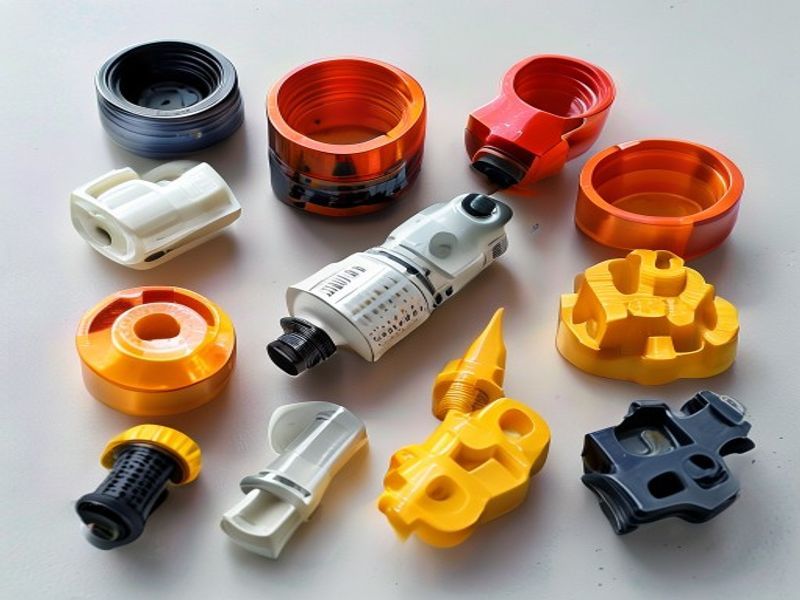
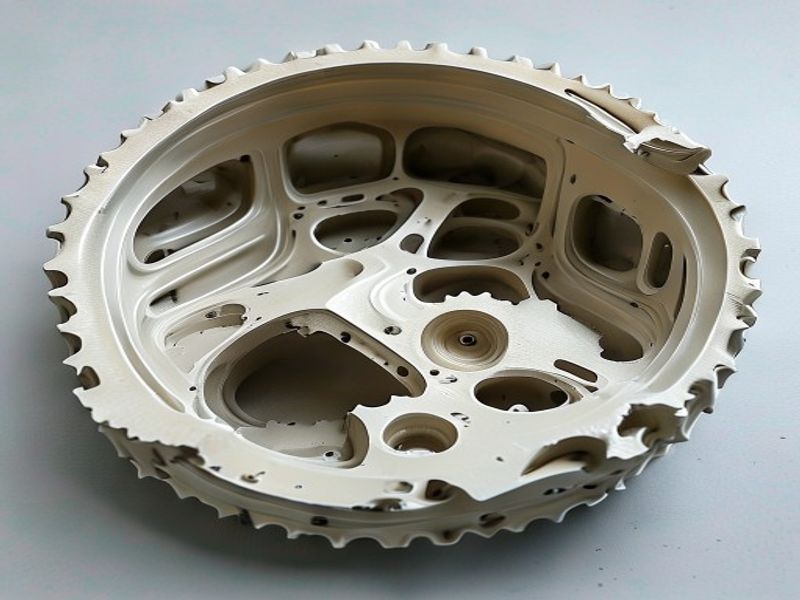
By Production Volume (SPI Classifications)
| Class | 説明 | Expected Life | 一般的なコスト |
|---|---|---|---|
| Class 101 | High production | 1,000,000+ cycles | Highest |
| Class 102 | Medium production | 500,000-1,000,000 cycles | 高い |
| Class 103 | Low production | 100,000-500,000 cycles | ミディアム |
| Class 104/105 | Prototype/bridge | Under 100,000 cycles | Lowest |
By Construction Type
Two-Plate Molds
The most common and economical mold type. Part and runner eject from the same parting line. Simple construction means lower cost and easier maintenance. Best for parts without undercuts and when runner location on parting line is acceptable.
Three-Plate Molds
Adding a second parting line separates the runner from the part, allowing center gating on single-cavity molds or multiple gates on each cavity. The runner drops separately from the parts—beneficial for automation. Higher cost and more maintenance than two-plate designs.
ホットランナー金型
Eliminates runner waste entirely by keeping the runner system molten. Higher initial cost but significant material savings at high volumes. Requires precise temperature control and adds complexity to mold operation and maintenance. Ideal for high-volume production with consistent material requirements.
スタック金型
Two or more parting surfaces double or triple production output without increasing press size. The cavities are “stacked” to utilize clamping force more efficiently. Complex and expensive but dramatically increase throughput for high-volume applications.
Material Selection for Mold Construction
Cavity and Core Materials
- P20: Pre-hardened steel, good for 100,000-500,000 cycles with unfilled nylon. Economical choice for medium production.
- H13: Hardened tool steel, excellent for glass-filled nylon. Withstands abrasive wear for 500,000+ cycles.
- S7: Shock-resistant tool steel, good for molds requiring frequent design changes or repairs.
- Aluminum (7075, QC-10): Fast machining, excellent thermal conductivity. Best for prototypes and short runs under 10,000 parts.
Special Considerations for Nylon
Nylon’s high melting temperature (260-290°C) and potential for glass or mineral fillers require careful material selection:
- Glass-filled grades require hardened cavities (H13 or equivalent)
- High-temperature nylon grades may need beryllium-copper inserts for improved cooling
- Erosion at gates is accelerated with filled materials—consider hardened gate inserts
Prototype vs. Production Molds
For new product development, consider starting with a prototype mold:
- Lower investment: 20-40% of production mold cost
- Faster delivery: 2-4 weeks vs. 8-12 weeks
- Design validation: Test design before committing to production tooling
- Market testing: Produce pilot quantities before full launch
Transition to production molds once design is validated and volume requirements are confirmed. The prototype mold can serve as backup or for spare parts production.
よくあるご質問
When does Understanding Mold Types for Nylon Injection Molding make sense?
Understanding Mold Types for Nylon Injection Molding makes sense when the part volume, material choice, geometry, and repeatability needs justify mold design and tooling investment.
What design factors matter most for Understanding Mold Types for Nylon Injection Molding?
Wall thickness, ribs, bosses, draft angle, gate location, shrinkage, parting line, and ejection all affect molded part quality.
What information is needed before mold production?
The supplier should confirm the 3D model, material, expected annual volume, appearance requirements, tolerance needs, and any assembly or functional testing requirements.
What is the biggest risk in Understanding Mold Types for Nylon Injection Molding?
The biggest risk is approving tooling before material behavior, shrinkage, flow, and part function are fully checked against the real application.

 English
  Dutch
Dutch  German
  French
  Korean
  Russian
  Japanese
  Spanish
  Vietnamese
  Chinese
  Portuguese
  Arabic