

ntroduction: The Rising Demand for Technical Textiles
The global technical textiles market is experiencing unprecedented growth, driven by advancements in material science and increasing demand for high-performance fabrics across automotive, protective wear, industrial, and medical sectors. At the heart of this evolution lies one of the most versatile synthetic polymers ever developed: nylon (polyamide).
Since its invention by DuPont in 1935, nylon has transformed from a revolutionary replacement for silk in women’s hosiery into an indispensable material for demanding technical applications . Today, nylon’s exceptional combination of strength, elasticity, abrasion resistance, and chemical stability makes it the material of choice for engineers and textile manufacturers worldwide .
This article explores the critical role of high-performance nylon in technical textiles, examining its properties, applications, and the latest innovations in sustainable polyamide materials.
Why Nylon Dominates Technical Textiles
Exceptional Mechanical Properties
Nylon’s superiority in technical applications stems from its unique molecular structure. As a polyamide, it features repeating amide bonds that create strong intermolecular forces, resulting in outstanding physical characteristics :
| プロパティ | Value/Specification | Benefit for Technical Textiles |
|---|---|---|
| 引張強度 | 4.0–9.5 g/denier | Withstands extreme mechanical stress |
| Abrasion Resistance | 素晴らしい | Ideal for high-wear applications like conveyor belts and protective gear |
| Elasticity | 15-45% elongation | Provides flexibility and shape recovery |
| 密度 | ~1.14 g/cm³ | Lightweight yet durable |
| 融点 | 220-265°C | Suitable for heat-intensive processes |
| 耐薬品性 | Good resistance to oils, greases, and solvents | Performs in harsh industrial environments |
These properties make nylon significantly stronger than most natural fibres while maintaining a lightweight profile that engineers and designers prize .

Versatility Through Customization
What truly sets nylon apart is its adaptability. Through careful material selection and modification, manufacturers can tailor nylon’s properties for specific end-use requirements:
- Nylon 6 offers excellent dyeability and softer hand feel, making it suitable for apparel-grade technical textiles
- Nylon 6,6 provides higher thermal resistance and chemical stability, preferred for automotive and industrial applications
- Nylon 6.10 represents a newer generation with bio-based content potential, balancing performance with sustainability
- Nylon 12 delivers exceptional flexibility and dimensional stability for precision applications
Key Applications of Nylon in Technical Textiles
1. Automotive Textiles: Lightweighting and Performance
The automotive industry’s push toward lightweight, fuel-efficient vehicles has created enormous demand for high-performance nylon textiles. Nylon’s strength-to-weight ratio makes it ideal for:
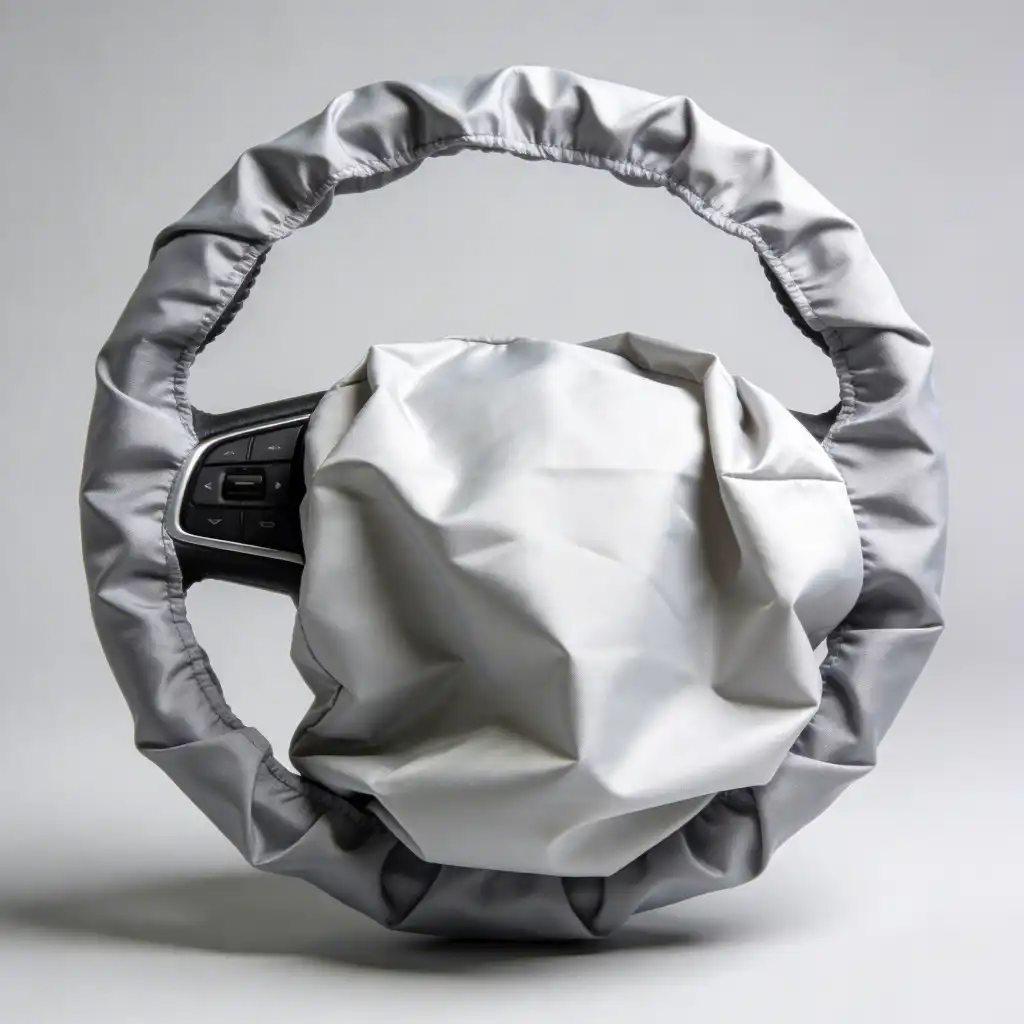
- Airbags: Nylon’s high tenacity and controlled elongation ensure reliable deployment under extreme conditions
- Seatbelts: Excellent energy absorption and abrasion resistance provide critical safety performance
- Tire cords: Reinforcing tires with nylon enhances durability and heat resistance
- Interior fabrics: Carpets, upholstery, and trunk liners benefit from nylon’s wear resistance and dyeability
Recent studies from the Technical University Dresden highlight that nylon 6.10 demonstrates superior mechanical performance for technical applications, with high tensile strength and flexibility that surpass many alternative materials .
2. Protective Gear and Military Applications
Nylon’s ability to withstand extreme conditions makes it indispensable for protective textiles:
- Ballistic protection: High-tenacity nylon fabrics are used in body armor and fragmentation vests
- Flame-resistant clothing: Specialized nylon formulations protect workers in hazardous environments
- Military gear: Tents, backpacks, uniforms, and parachutes rely on nylon’s durability and lightweight properties
Brookwood Companies, a leading technical textile manufacturer, notes that ballistic nylon fabrics (traditionally 2×2 basket weave from 1050D yarn) remain the gold standard for rugged outdoor and tactical gear .
3. Outdoor and Industrial Fabrics
From mountain expeditions to construction sites, nylon performs in the world’s most demanding environments:
- Parachutes and sailcloth: Nylon’s high strength-to-weight ratio and controlled porosity enable reliable performance
- Ropes and cordage: Exceptional tensile strength and shock absorption make nylon the preferred material for climbing and industrial ropes
- Tents and backpacks: Ripstop nylon constructions resist tearing while remaining lightweight and packable
- Conveyor belts and filtration media: Industrial-grade nylon provides long service life in continuous operation
4. Emerging Applications: Smart Textiles and Medical Textiles
Innovation continues to expand nylon’s potential. Recent research demonstrates exciting developments:
- Conductive yarns for smart textiles: Scientists have developed methods for coating nylon yarn with electrically conductive thermoplastic layers, enabling pressure sensors and wearable technology integration
- Medical textiles: Nylon’s biocompatibility makes it suitable for surgical sutures, implantable devices, and protective medical apparel
- Insect-repellent fabrics: Advanced research using nylon 12 with poly-D,L-lactic acid (PDLLA) as a compatibilizer has demonstrated effective mosquito repellency for extended durations, opening new possibilities for protective clothing
Material Selection: Choosing the Right Nylon for Your Application
Selecting the optimal nylon grade requires careful consideration of your specific requirements. Key factors include:
Mechanical Requirements
- For high-stress applications requiring maximum strength: Nylon 6,6
- For applications demanding flexibility and impact resistance: Nylon 12
- For balanced performance with bio-content potential: Nylon 6.10
加工に関する考慮事項
- Melt spinning parameters affect yarn properties significantly
- Temperature profiles must be optimized for each nylon type
- Drawing ratios influence final tensile strength and elongation
Sustainability Goals
The textile industry increasingly demands sustainable solutions. Manufacturers can now choose from:
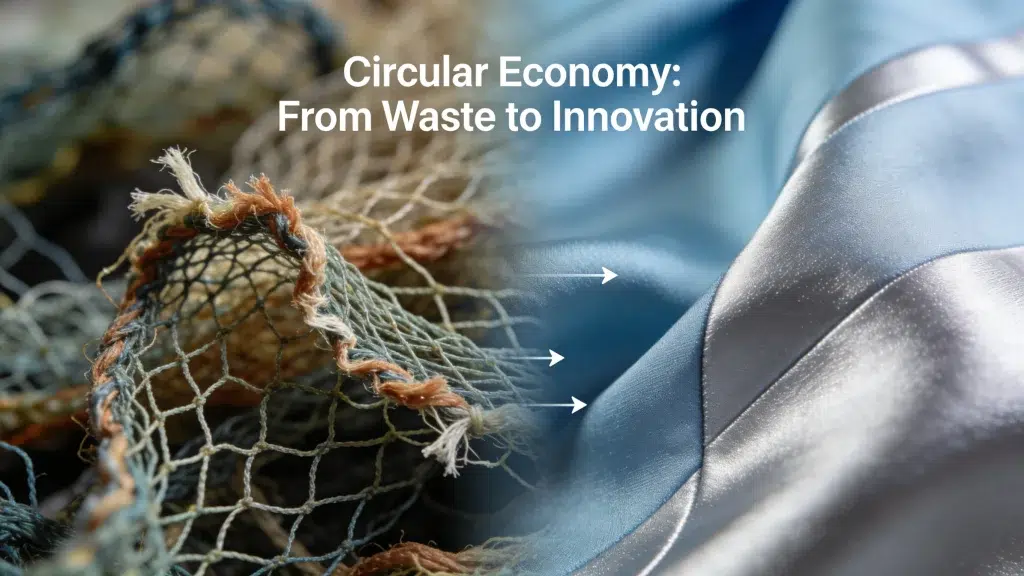
- Recycled nylon (e.g., ECONYL®) made from fishing nets and industrial waste
- Bio-based polyamides derived from castor oil and other renewable sources
- Closed-loop recycling systems that reduce environmental footprint
Sustainability Innovations in Nylon Technology
The environmental impact of synthetic fibres has become a central concern for the textile industry. Fortunately, significant innovations are addressing these challenges:
Recycled Nylon: Closing the Loop
Recycled nylon, such as the ECONYL® brand, is manufactured from discarded fishing nets, carpet waste, and industrial scrap. This regeneration process can reduce global warming impact by up to 90% compared to virgin nylon production . Major textile manufacturers now offer GRS-certified (Global Recycled Standard) recycled nylon yarns that maintain performance characteristics while supporting circular economy principles .
Bio-based Polyamides: Reducing Fossil Fuel Dependence
Recent research has demonstrated the viability of bio-based nylon 6.10, manufactured using sebacic acid derived from castor oil. This renewable-sourced polyamide achieves up to 60% biomass content while maintaining mechanical properties comparable to petrochemical versions . As production scales and technology advances, these materials will become increasingly accessible for mainstream technical textile applications.
Performance Without Compromise
Importantly, sustainable nylon variants do not sacrifice performance. Studies confirm that recycled and bio-based polyamides maintain:
- High tensile strength and durability
- Excellent abrasion resistance
- Good chemical stability
- Processability through standard manufacturing equipment
Future Outlook: Nylon in the Next Generation of Technical Textiles
The future of nylon in technical textiles looks exceptionally promising. Key trends to watch include:
1. Integration with Smart Textiles
Research into conductive nylon yarns will enable seamless integration of sensors and electronics into protective and performance fabrics .
2. Advanced Fiber Structures
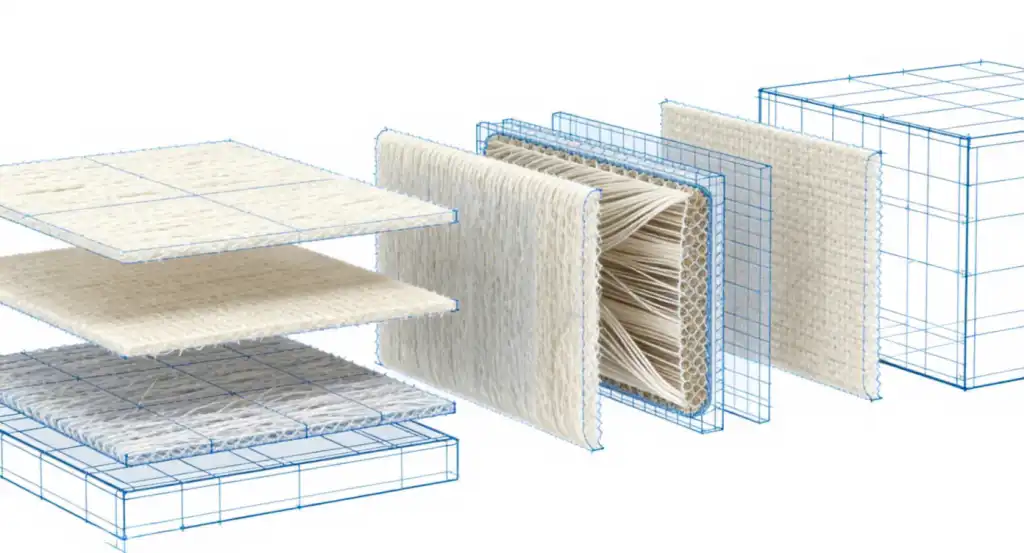
3D textile structures and nano-finishing technologies will unlock new performance capabilities .
3. Circular Economy Adoption
Closed-loop recycling systems and bio-based feedstocks will become standard as sustainability regulations tighten .
4. Specialized High-Performance Grades
Continued innovation in polyamide chemistry will yield materials with enhanced thermal stability, chemical resistance, and mechanical properties tailored for specific applications .
Conclusion: Partnering for Material Excellence
Nylon’s journey from the laboratory to the forefront of technical textiles demonstrates the power of material innovation. Its unmatched combination of strength, durability, and versatility ensures it will remain essential for automotive safety, protective gear, industrial fabrics, and emerging smart textile applications.
For manufacturers and textile engineers seeking to leverage these advanced materials, partnering with experienced material suppliers is crucial. Success depends not only on selecting the right nylon grade but also on accessing technical expertise in material modification, compounding, and application development.
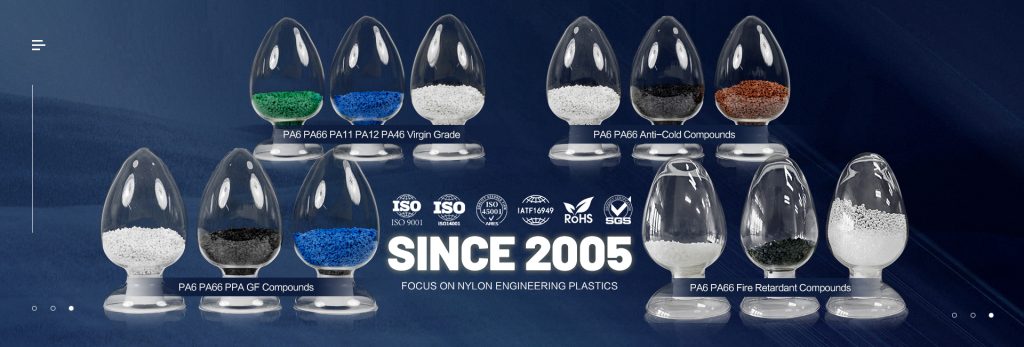
Nylon Plastic Technology brings over 20 years of excellence in engineering plastic solutions. With ISO 9001, ISO 14001, and IATF 16949 certifications, we specialize in developing customized polyamide and high-performance materials for demanding technical textile applications.
Our comprehensive product range includes:
- PA6(ナイロン6) – Offering superior toughness, impact resistance, and excellent processability, our PA6 is ideal for components requiring repeated stress endurance and flexibility in textile machinery and automotive interiors.
- PET (Polyethylene Terephthalate) – A versatile engineering thermoplastic known for its high strength, dimensional stability, and low moisture absorption. It’s a robust choice for structural and electrical applications demanding reliability.
- PBT(ポリブチレンテレフタレート) – Combining high mechanical strength with excellent chemical resistance and fast crystallization for efficient molding, PBT is widely used in precision parts for industrial and electronic applications.
- PC/ABS Alloy – This alloy synergizes the impact strength and heat resistance of PC with the processability of ABS, providing an optimized balance for complex technical parts and equipment housings.
Whether you’re developing next-generation protective gear, automotive textiles, or industrial fabrics, our team provides the material science expertise to bring your vision to reality. お問い合わせ to discuss your specific requirements or request samples for your development projects.
 English
 Dutch
Dutch German
 French
 Korean
 Russian
 Japanese
 Spanish
 Vietnamese
 Chinese
 Portuguese
 Arabic