
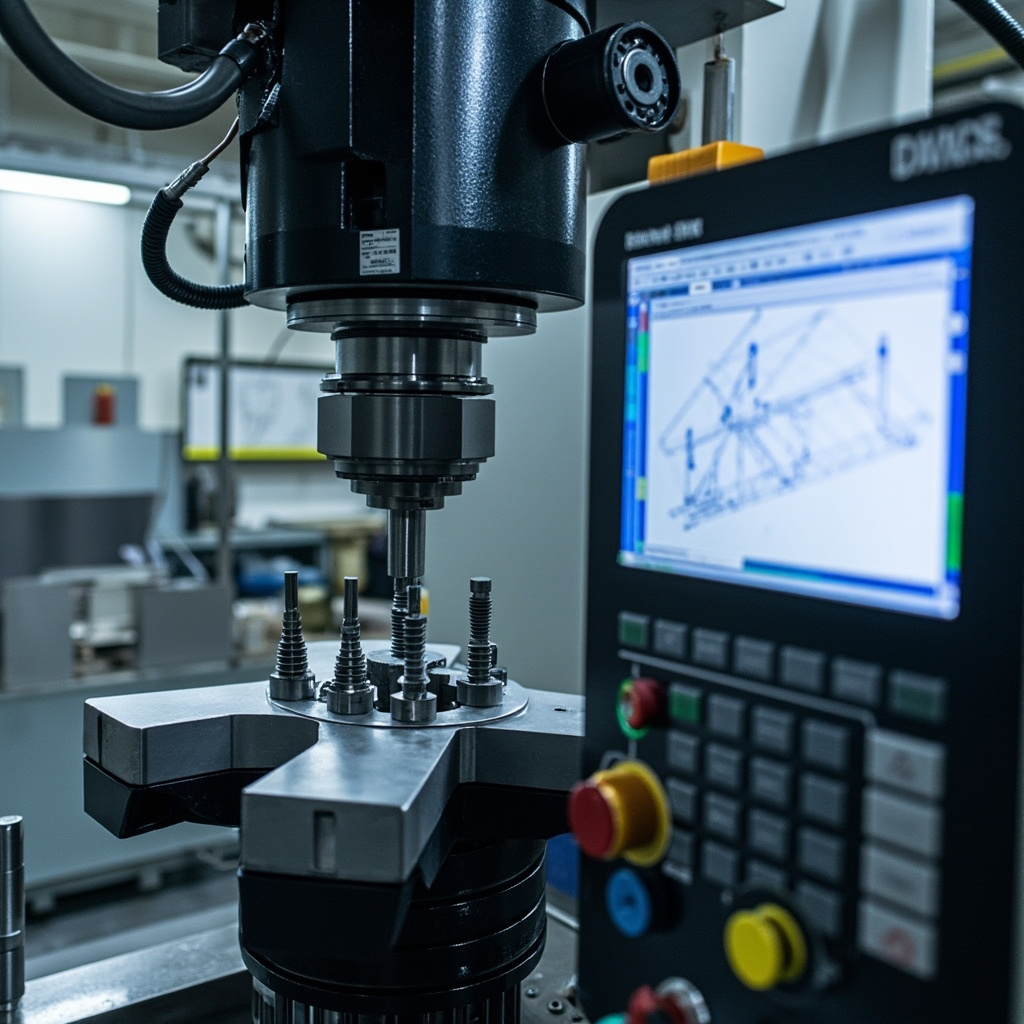
CNC machining costs can quickly escalate without proper planning. Here’s how procurement teams and engineers can optimize CNC machining projects for cost efficiency without sacrificing quality.
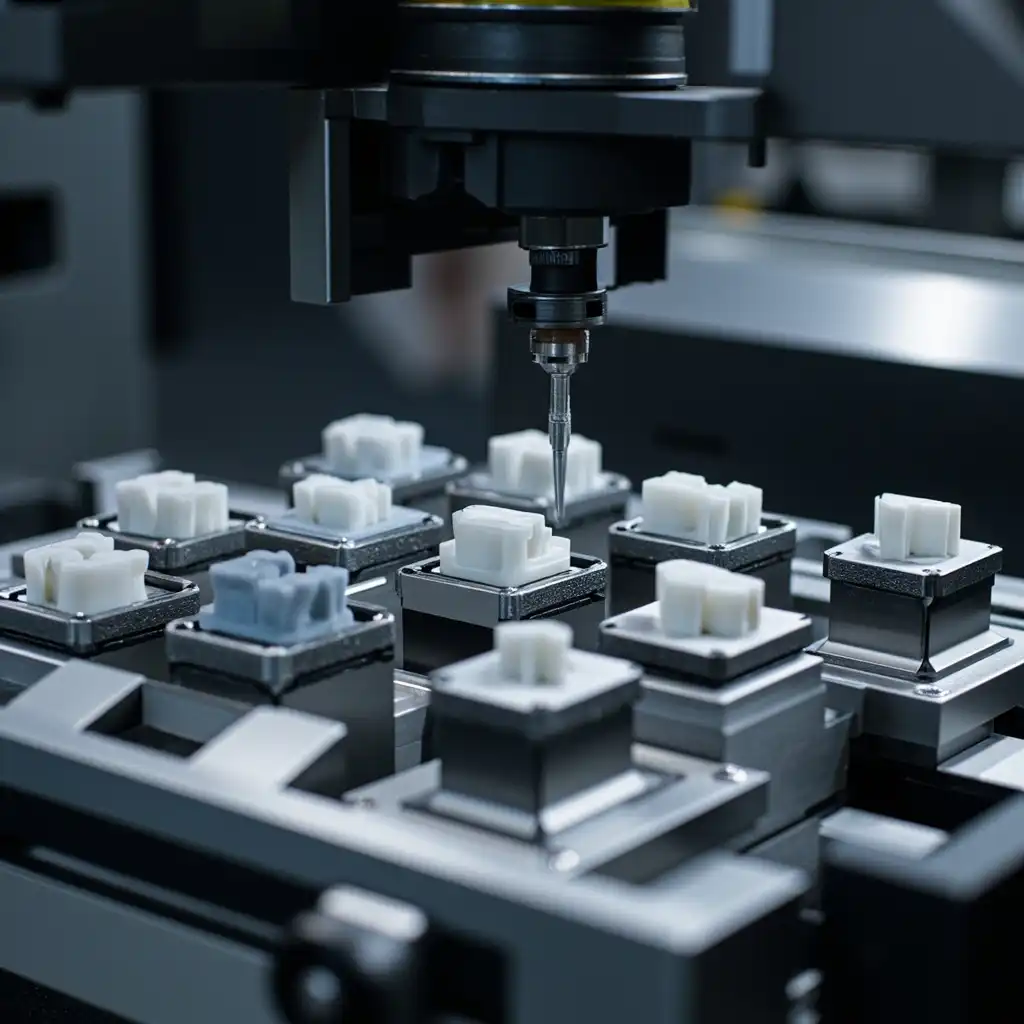
1. Optimize Part Design for Machining
The most effective cost reduction happens at the design
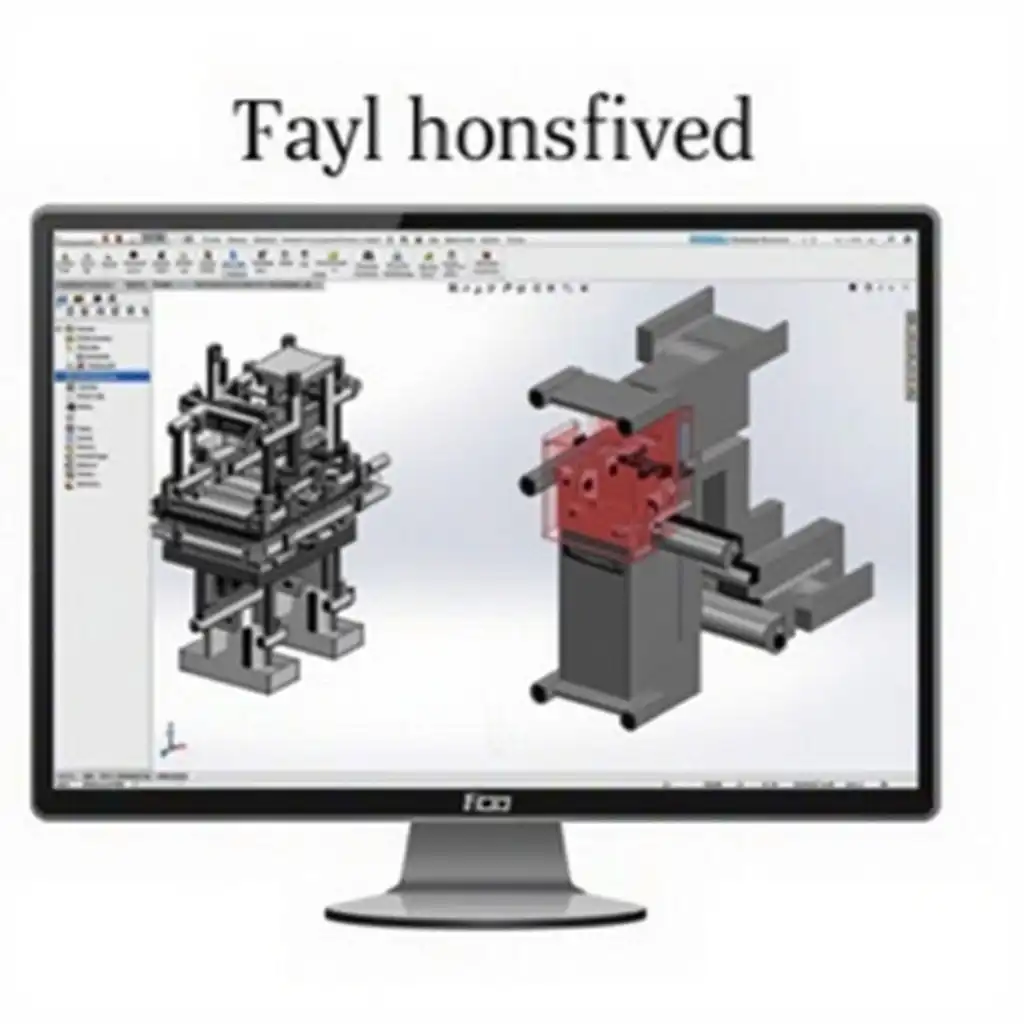
stage. Design parts with:
- Standard drill sizes and tap depths (reduces tool changes)
- Acceptable tolerances where possible (tighter tolerances = more machining time)
- Uniform wall thickness (reduces cycle time and tool stress)
- Machining from standard stock sizes (minimizes material waste)
- Features that can be machined in a single setup where possible
2. Choose the Right Material Grade
Material cost varies significantly between grades. Consider whether you actually need the premium grade — a standard engineering plastic may perform identically at a fraction of the cost. Also consider material availability; exotic materials often have longer lead times and higher costs.
3. Simplify Geometry
Complex contours require more machining time and specialized tooling. Every radius, pocket, and chamfer has a cost. Design features that can be produced with standard end mills and drills. 3D printing may be more cost-effective for highly complex geometries in low volumes.
4. Batch Your Orders
CNC setup costs are fixed per job. Batching multiple parts per setup dramatically reduces per-part cost. If you have recurring CNC machining needs, consolidating orders into monthly or quarterly batches saves significant money.
5. Specify Finishes Only When Necessary
Every surface finish adds cost. Beveling, polishing, anodizing, and painting all require additional operations. Only specify cosmetic finishes on visible surfaces. Structural parts typically only need as-machined surfaces.
6. Provide Clear, Complete Technical Drawings
Ambiguous specifications lead to back-and-forth communication, sampling runs, and potential rework. High-quality drawings with GD&T (Geometric Dimensioning and Tolerancing) reduce iteration cycles and associated costs.
7. Use DFM Feedback
Request a Design for Manufacturability (DFM) review from your supplier before production. Most reputable CNC shops provide this service for free and can identify cost-saving modifications without affecting part function.
8. Consider Alternative Manufacturing Methods
For high volumes (1000+), injection molding may be more cost-effective despite tooling costs. For complex geometries, 3D printing may eliminate expensive machining operations. Evaluate the full production lifecycle.
9. Establish Long-Term Supplier Relationships
Consistent orders build supplier familiarity with your parts, reducing setup time and quality issues. Long-term relationships often unlock volume discounts and priority scheduling.
10. Transparency About Budget and Volume
Share your budget constraints and volume requirements upfront. Experienced suppliers can often propose cost-effective alternatives you may not have considered — different materials, modified designs, or alternative processes.
Cost Comparison: Design Optimization Impact
A poorly designed part with complex geometry, tight tolerances throughout, and unnecessary surface finishes might cost 5-10x more than an optimized version. The same part, redesigned with DFM input and standard tolerances where acceptable, often achieves identical function at a fraction of the cost.
Nylonplastic’s Cost Optimization Services
We provide free DFM reviews for all CNC machining inquiries. Our engineering team identifies cost reduction opportunities without compromising part quality or function. With 300+ CNC machines, we offer competitive pricing for both prototyping and production volumes.
中国からエンジニアリングプラスチックやカスタム製造サービスを調達する準備はできていますか? 24時間以内に無料お見積もり
推奨製品
工学プラスチック すべての製品を見る
よくあるご質問
When is How to Reduce Costs in Custom CNC Machining: A Practical Guide for Procurement Teams the right choice?
How to Reduce Costs in Custom CNC Machining: A Practical Guide for Procurement Teams is the right choice when the part requires machined accuracy, controlled surfaces, repeatable features, and a material that can be cut reliably.
What should be confirmed before ordering How to Reduce Costs in Custom CNC Machining: A Practical Guide for Procurement Teams?
製造開始前に、図面のバージョン、材料等級、公差、数量、重要寸法、表面仕上げ、検査要件を確認する。.
What usually drives cost in How to Reduce Costs in Custom CNC Machining: A Practical Guide for Procurement Teams?
コストは通常、材料、段取り時間、機械時間、公差の難易度、治具、工具アクセス、仕上げ、検査、注文数量によって左右される。.
How can quality risk be reduced in How to Reduce Costs in Custom CNC Machining: A Practical Guide for Procurement Teams?
重要なフィーチャーを明確にマーキングし、不必要な厳しい公差を避け、製造可能性を早期に確認し、重要な寸法の検査データを使用することで、品質リスクを低減します。.


 English
 Dutch
Dutch German
 French
 Korean
 Russian
 Japanese
 Spanish
 Vietnamese
 Chinese
 Portuguese
 Arabic