

Bucket Injection Mold technology is the cornerstone of manufacturing durable, uniform, and high-quality plastic buckets and pails used across industries worldwide. From 1-gallon household pails to 5-gallon industrial containers, the precision of the injection mold directly determines the final product’s strength, dimensional accuracy, and appearance. This guide explores the specialized world of bucket mold design and manufacturing, detailing how experienced toolmakers create molds that produce millions of consistent, high-performance plastic containers efficiently and cost-effectively.
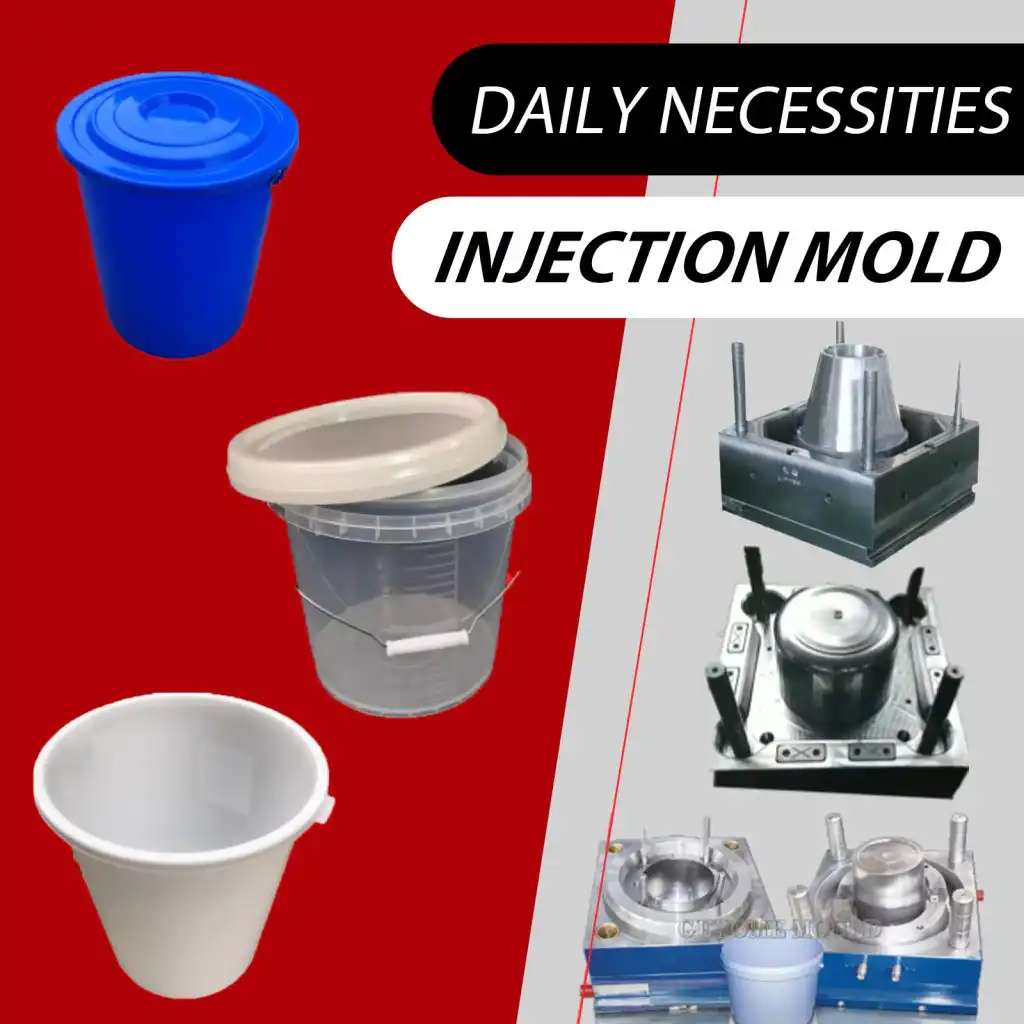
The Bucket Injection Mold Advantage: Consistency, Efficiency, and Durability
Producing plastic buckets at scale requires molds engineered to withstand high-pressure cycles while maintaining tight tolerances. A well-designed bucket injection mold delivers critical advantages.
- High-Volume Production Consistency: Injection molds are designed for thousands to millions of cycles. A precision-engineered bucket mold ensures that every pail produced is identical—in wall thickness, dimensions, and structural integrity—meeting rigorous quality standards for applications from food storage to industrial chemicals .
- Optimized Cooling for Faster Cycles: Bucket molds incorporate advanced cooling channel designs that rapidly and uniformly cool the molten plastic. This reduces cycle time significantly, increasing production output and lowering per-part cost while minimizing warpage .
- Design Flexibility for Diverse Applications: Modern bucket molds can produce a wide variety of designs, including different sizes (1 to 5+ gallons), shapes (round, square, rectangular, oblong), and features like lids, handles, and IML (In-Mold Labeling) for permanent decoration .
- 소재의 다양성: Molds are engineered to process a range of thermoplastics, including HDPE, LDPE, PP, and ABS, allowing manufacturers to select the optimal material for the bucket’s intended use—whether for food contact, chemical resistance, or outdoor durability .

Bucket Injection Mold Types and Capabilities
Specialized mold makers offer a comprehensive range of bucket mold designs tailored to specific production needs .
| Mold Feature / Capability | 설명 | Key Benefit |
|---|---|---|
| Size Range | Molds designed for buckets from small (1 gallon) to large (5+ gallons) and custom sizes in between . | Flexibility to produce containers for diverse markets, from household to industrial. |
| Shape Options | Round, square, rectangular, and oblong bucket designs available . | Accommodates different branding, stacking, and storage requirements. |
| Lid Integration | Molds designed to produce matching lids that seal securely, often with tamper-evident features. | Complete container solutions, ensuring product freshness and security. |
| In-Mold Labeling (IML) | Molds equipped for IML, where pre-printed labels are placed in the mold and become part of the finished bucket during molding . | Durable, high-quality graphics that won’t peel or tear; ideal for branded retail products. |
| Handle Options | Molds can incorporate features for bail handles (wire) or injection-molded plastic handles . | Enhanced functionality and user convenience for larger or heavier containers. |
| Stacking Features | Design elements like ribs or recesses that allow empty buckets to nest securely and filled buckets to stack safely. | Optimized storage and transport efficiency. |

The Bucket Injection Mold Manufacturing Process
Creating a high-performance bucket mold is a precise, multi-stage engineering process that demands expertise at every step .
| 스테이지 | 핵심 프로세스 및 기술 | 품질 및 성능 결과 |
|---|---|---|
| 1. Bucket Design & Optimization | – Collaborative design based on customer requirements (size, shape, capacity, features). - Design optimization to enhance manufacturability, ensuring even wall thickness and proper draft angles for easy ejection . | A bucket design optimized for both function and efficient production. |
| 2. Precision Mold Design | – Experienced mold designers develop a detailed 3D mold design. – Careful consideration of material flow (gating), cooling systems, and ejection mechanisms . – Mold flow analysis may be used to simulate filling and predict potential issues. | A digital blueprint for a mold that will produce defect-free buckets with optimal cycle times. |
| 3. High-Precision Mold Machining | – CNC machining of mold components from high-grade steel using advanced machinery with tolerances up to ±0.02mm . – Complex features like cooling channels are machined with precision. | Accurate, durable mold components that will withstand millions of cycles. |
| 4. Rapid Prototyping (Optional) | – High-resolution 3D printing of bucket prototypes for evaluation, testing, and fine-tuning before committing to full mold production . | Fast, cost-effective validation of design, fit, and function. |
| 5. Mold Assembly & Finishing | – Skilled toolmakers assemble all mold components. – Surfaces are polished, textured, or finished as required. – The complete mold is inspected and tested for functionality . | A fully functional injection mold ready for production. |
| 6. Injection Molding Trials & Production | – The mold is installed in an injection molding machine. – Trial runs are conducted to verify part quality and process parameters. – Upon approval, full-scale production begins, with strict process monitoring . | Verified production capability and a seamless transition to mass manufacturing. |
Material Selection for Buckets and Pails
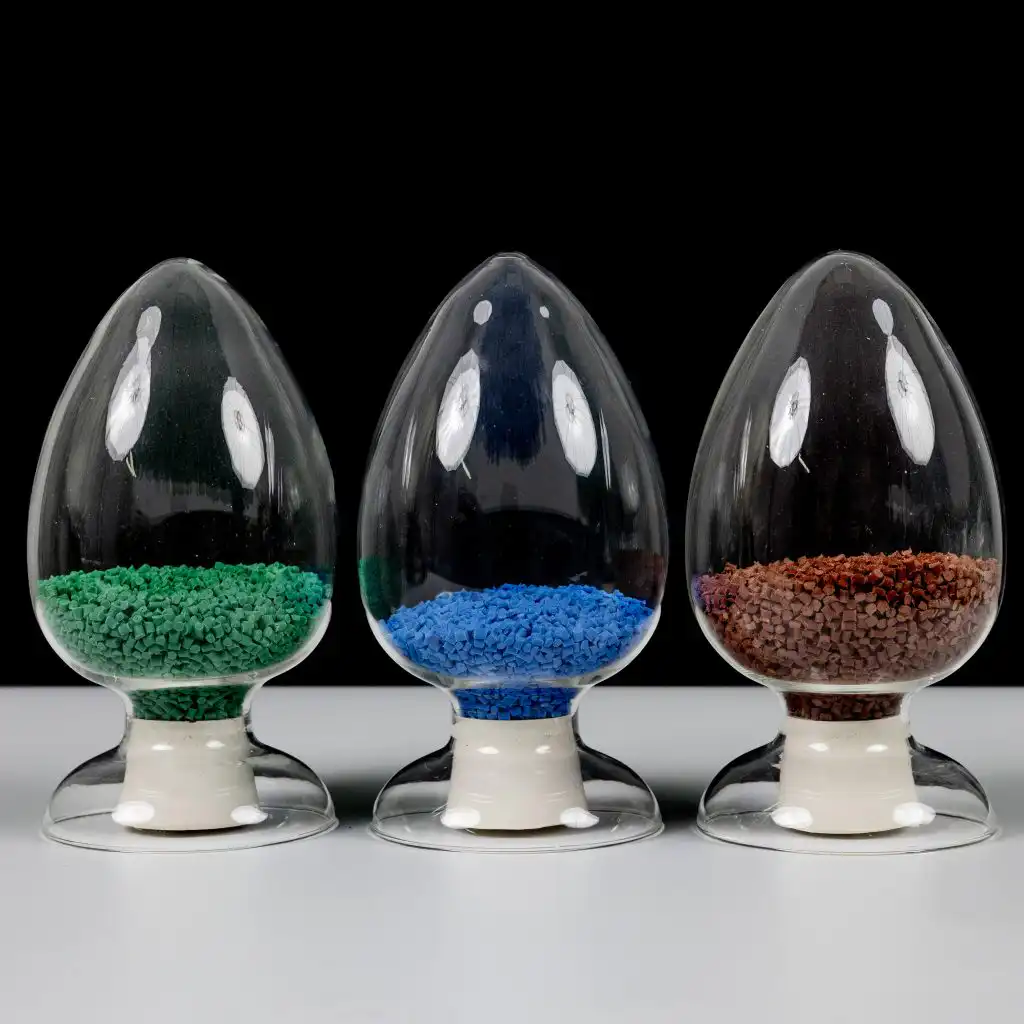
The choice of material defines the bucket’s performance characteristics. Below are the most common materials used in bucket injection molding .
| 재료 | 주요 속성 | 일반적인 애플리케이션 |
|---|---|---|
| HDPE(고밀도 폴리에틸렌) | High strength-to-weight ratio, excellent chemical resistance, good stiffness, impact resistant, food-grade options available. | Industrial pails, chemical containers, food-grade buckets, paint buckets, mortar buckets. |
| LDPE (Low-Density Polyethylene) | More flexible than HDPE, good clarity, excellent toughness, good chemical resistance. | Squeezable containers, flexible lids, applications requiring flexibility. |
| PP(폴리프로필렌) | Excellent chemical resistance, high fatigue resistance (good for living hinges), good heat resistance, food-grade options. | Lids, handles, containers for hot-filled products, food storage. |
| ABS(아크릴로니트릴 부타디엔 스티렌) | High impact strength, good rigidity, excellent surface finish, can be painted or plated. | Decorative buckets, consumer goods, applications requiring a premium look and feel. |
FAQ: Bucket Injection Mold
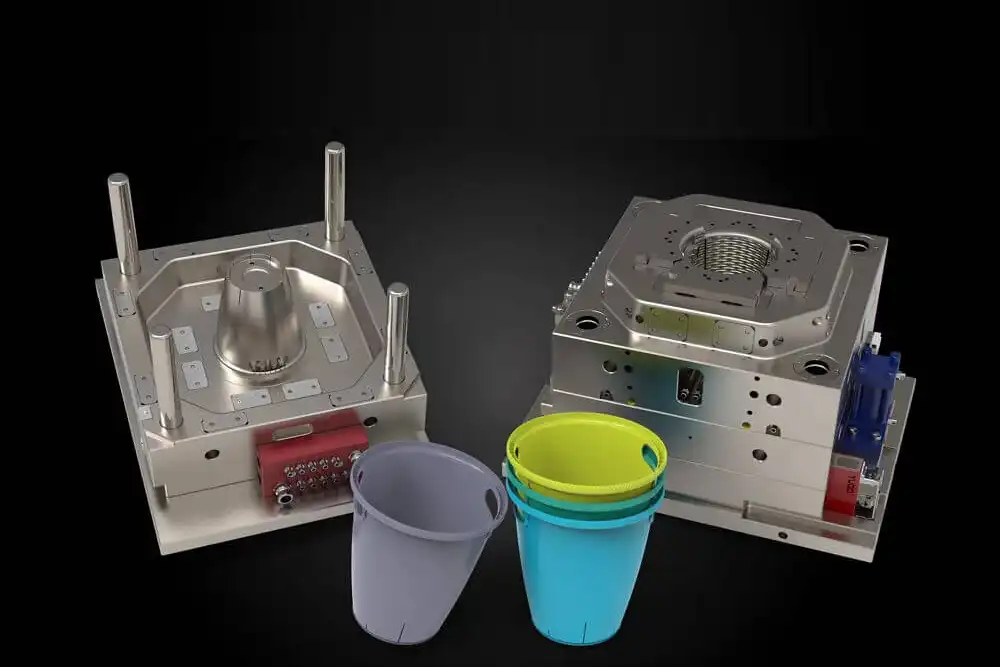
Q1: What is the typical lead time for a custom bucket injection mold?
A: Lead times vary based on mold complexity and size. Generally, the process from design approval to finished mold ready for sampling takes 6-10 weeks. This includes detailed design, CNC machining, assembly, and initial testing. Rapid prototyping can provide sample buckets in as little as 3-5 days for design validation .
Q2: How many parts can a bucket injection mold produce over its lifetime?
A: The lifespan depends on the mold material and maintenance. High-quality molds made from hardened tool steel and used with non-abrasive materials like HDPE or PP can produce 250,000 to 300,000+ parts over their lifetime, as indicated in the reference materials, provided they receive regular maintenance.
Q3: Can you produce molds for buckets with custom colors, logos, or IML labels?
A: 물론입니다. Color is achieved through the plastic resin itself or masterbatch additives. Logos can be integrated via IML or embossed/debossed directly on the mold surface. In-Mold Labeling (IML) is a specialty where full-color, pre-printed labels are placed in the mold and become a permanent part of the bucket during molding, perfect for branded retail products .
Q4: What is the minimum order quantity (MOQ) for custom bucket molds?
A: The mold itself is a single, custom-engineered tool, typically with a MOQ of 1 set. For bucket production using that mold, MOQs are project-specific and depend on factors like material, part size, and customer requirements. Manufacturers offer flexibility, from pilot runs to high-volume annual contracts .
Q5: How do you ensure the mold produces buckets with consistent wall thickness?
A: Consistent wall thickness is achieved through expert mold design. Designers use mold flow analysis software to simulate how plastic fills the cavity and optimize gate locations and cooling. The mold is also machined to precise tolerances to ensure uniform cavity dimensions .
Q6: Can you design molds for buckets with specific features like tamper-evident lids or stacking lugs?
A: Yes. Experienced mold designers can incorporate a wide range of functional features into the mold design, including tamper-evident closures, secure stacking ribs, ergonomic handles, and drainage spouts. 엔지니어링 팀에 문의 to discuss your specific requirements.
Q7: What file formats do you need to start a bucket mold project?
A: To begin, we need your bucket design specifications or 3D CAD files in common formats such as STEP (.stp), IGES (.igs), Parasolid (.x_t), SolidWorks (.sldprt), or Autodesk Inventor (.ipt) . If you have a concept but no CAD, our design team can create the design for you based on your requirements .

Conclusion: Precision Tooling for Reliable Container Production
Bucket Injection Mold technology is a specialized field where precision engineering meets high-volume manufacturing. The quality of the mold dictates the quality, consistency, and cost-effectiveness of every bucket produced. Partnering with an experienced mold maker ensures access to expert design, advanced manufacturing capabilities, and reliable tooling that performs for millions of cycles.
Ready to develop a custom bucket mold for your product line? Nylon Plastic offers comprehensive bucket injection mold design and manufacturing services, backed by decades of material science expertise and precision engineering. Let’s build the tool that builds your business.

