
A mold designed for automotive under-hood components differs dramatically from one built for medical device housings. While injection molding fundamentals remain constant, each industry imposes unique requirements on mold design, material selection, quality systems, and documentation.
Automotive Industry Requirements

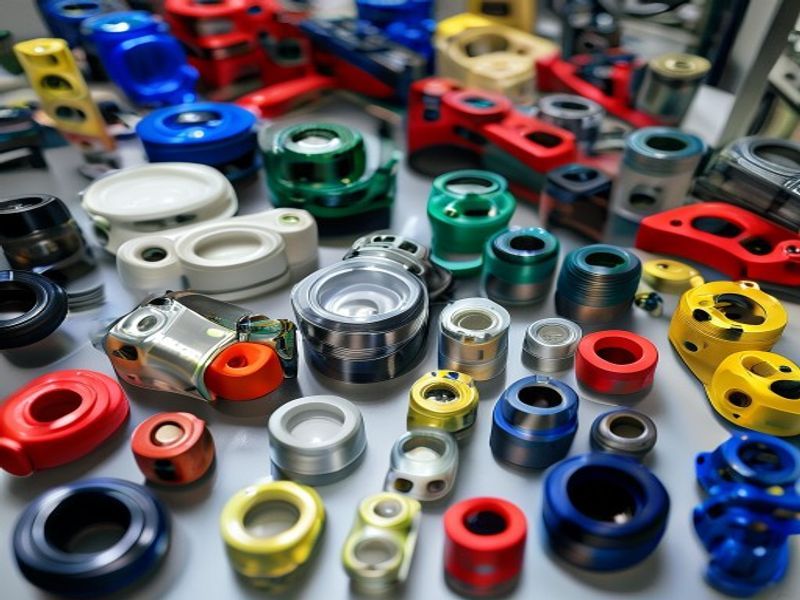
Automotive molds require robust construction for high-cavity counts and long production runs. Multi-cavity molds (4-32 cavities) with hot runner systems maximize throughput. Steel selection typically involves hardened tool steel (H13, S7) for abrasion resistance with glass-filled nylons. Statistical process control (SPC) and PPAP documentation are mandatory.
Medical Device Requirements
Electronics Industry Requirements
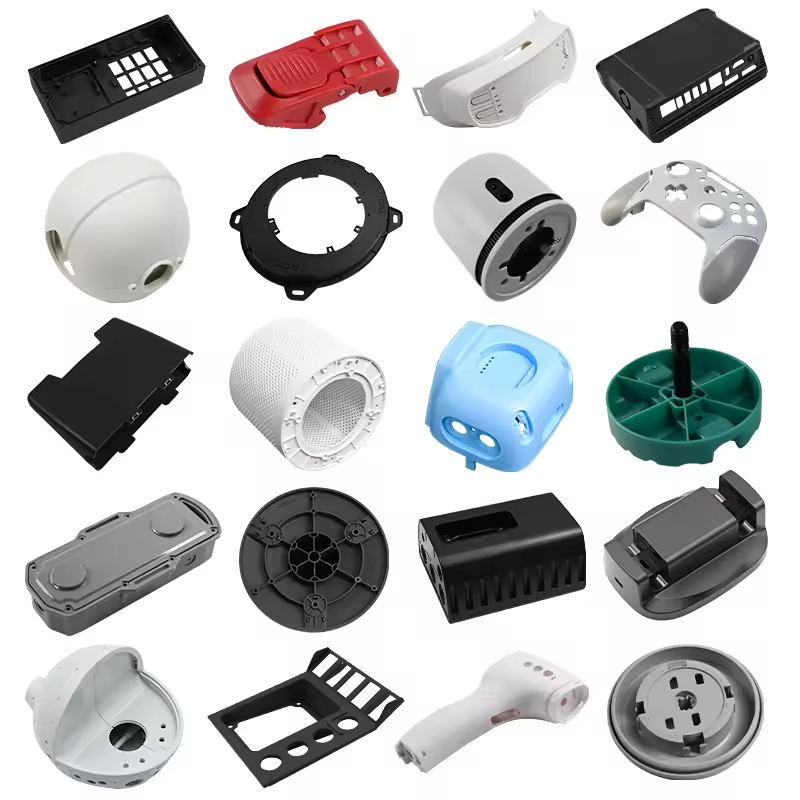
Electronics molds often incorporate intricate details for snaps, clips, and mounting features. Tolerances are tight to ensure proper fit with electronic components. When using flame-retardant or conductive nylons, consider material abrasiveness and select mold materials accordingly. Surface finish requirements vary—textured finishes may hide scratches while polished surfaces improve EMI coating adhesion.
Consumer Products Requirements
Consumer product molds balance cost and capability. Family molds producing multiple parts in one shot reduce tooling investment. Surface finishes range from high-gloss polish to custom textures—requiring proper draft angles and ejection design. Color changes may be frequent, influencing runner system selection.
| Requirement | 자동차 | 의료 | 전자 제품 | Consumer |
|---|---|---|---|---|
| Typical volume | 100K-1M+ | 10K-500K | 50K-2M | 25K-500K |
| Mold life target | 1M+ cycles | 500K cycles | 500K-1M | 250K-500K |
| Documentation | PPAP Level 3-5 | Full DHR, validation | PPAP, UL testing | Basic quality records |
자주 묻는 질문

When does Industry-Specific Mold Requirements for Nylon Applications make sense?
Industry-Specific Mold Requirements for Nylon Applications makes sense when the part volume, material choice, geometry, and repeatability needs justify mold design and tooling investment.
What design factors matter most for Industry-Specific Mold Requirements for Nylon Applications?
Wall thickness, ribs, bosses, draft angle, gate location, shrinkage, parting line, and ejection all affect molded part quality.
What information is needed before mold production?
The supplier should confirm the 3D model, material, expected annual volume, appearance requirements, tolerance needs, and any assembly or functional testing requirements.
What is the biggest risk in Industry-Specific Mold Requirements for Nylon Applications?
The biggest risk is approving tooling before material behavior, shrinkage, flow, and part function are fully checked against the real application.

 English
  Dutch
Dutch  German
  French
  Korean
  Russian
  Japanese
  Spanish
  Vietnamese
  Chinese
  Portuguese
  Arabic