
Carbon in Steel represents Complete Guide to Carbon Content and Steel Properties one of the most important materials in modern engineering and manufacturing. This comprehensive guide examines the fundamental properties, industrial applications, and manufacturing considerations for this critical material, providing engineers and procurement professionals with essential knowledge for material selection and application design.

Các tính chất và đặc điểm cơ bản
The material properties of carbon in carbon steel determine its suitability for specific engineering applications. Key characteristics include mechanical strength, thermal stability, chemical resistance, and processing behavior. Understanding these fundamental properties enables optimal material selection across diverse industrial applications.

Ứng dụng công nghiệp
| Lĩnh vực ứng dụng | Mục đích sử dụng cụ thể | Yêu cầu về hiệu suất | Ưu điểm về vật liệu |
|---|---|---|---|
| Sản xuất | Sản xuất linh kiện | Độ bền cao, độ bền lâu dài | Hiệu quả về chi phí, đáng tin cậy |
| Xây dựng | Các thành phần kết cấu | Khả năng chịu tải | Tuổi thọ cao |
| Điện tử | Các linh kiện điện | Độ dẫn điện, độ ổn định | Sự ổn định về hiệu suất |
| Ô tô | Các bộ phận của xe | Tối ưu hóa trọng lượng | Hiệu suất tiêu thụ nhiên liệu |
| Hàng không vũ trụ | Cấu trúc máy bay | Tỷ lệ cường độ trên trọng lượng cao | Có tính chất an toàn quan trọng |
Các quy trình sản xuất
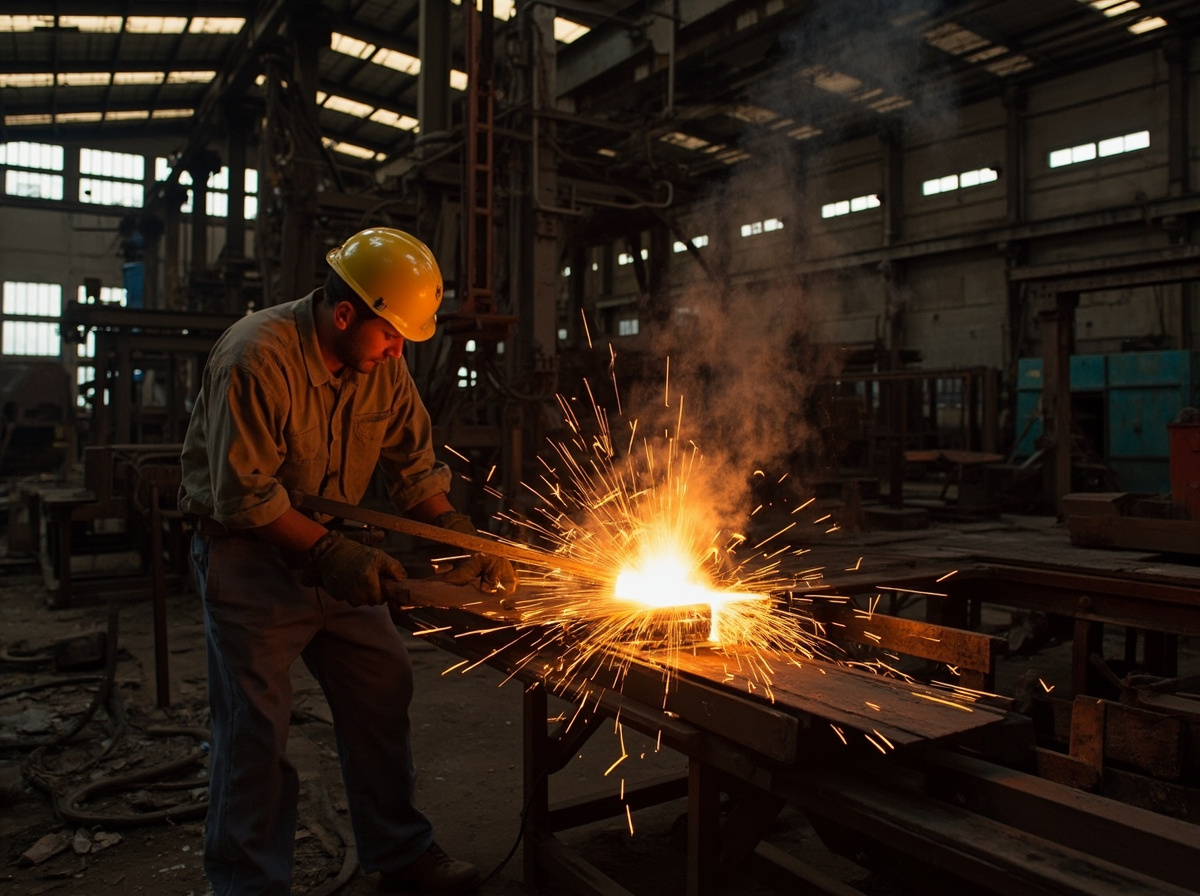
carbon in carbon steel manufacturing involves specialized processes tailored to material properties and application requirements. Common manufacturing methods include casting, forging, machining, and additive manufacturing, each offering distinct advantages for specific component geometries and performance criteria.

Các yếu tố cần xem xét khi lựa chọn vật liệu
Selecting carbon in carbon steel for engineering applications requires evaluating multiple performance criteria against cost constraints and manufacturing feasibility. Key considerations include mechanical properties, environmental resistance, processing characteristics, and lifecycle costs.
Phân tích hiệu suất so với chi phí
Material selection balances performance requirements against economic constraints. carbon in carbon steel offers specific advantages in applications requiring [performance characteristic], though alternative materials may provide better cost-performance ratios for less demanding applications.
Các yếu tố môi trường và pháp lý
Environmental regulations and sustainability considerations increasingly influence material selection. carbon in carbon steel compliance with relevant standards and regulations must be verified for specific applications and geographic markets.
Những diễn biến và xu hướng trong tương lai
Advancements in carbon in carbon steel technology continue to expand application possibilities while addressing sustainability concerns. Emerging trends include improved processing efficiency, enhanced material properties through alloy development, and increased focus on recyclability and circular economy principles.
Kết luận
carbon in carbon steel represents a critical material category with diverse industrial applications spanning manufacturing, construction, electronics, and beyond. Understanding its fundamental properties, processing characteristics, and application-specific considerations enables engineers and procurement professionals to make informed material selection decisions that balance performance, cost, and sustainability requirements.
Câu hỏi thường gặp
How should buyers evaluate Carbon in Steel: Complete Guide to Carbon Content and Steel Properties?
Carbon in Steel: Complete Guide to Carbon Content and Steel Properties should be evaluated by matching strength, corrosion resistance, heat exposure, machinability, finishing requirements, and certification needs to the operating environment.
What properties matter most for Carbon in Steel: Complete Guide to Carbon Content and Steel Properties?
Các tính chất quan trọng nhất thường bao gồm độ bền, độ cứng, độ dẻo, khả năng chống ăn mòn, tính chất nhiệt, khả năng gia công và khả năng tương thích với các phương pháp xử lý bề mặt.
Những thông tin nào giúp lựa chọn loại kim loại phù hợp?
Tải trọng ứng dụng, môi trường, nhiệt độ, vật liệu tiếp xúc, yêu cầu về bề mặt, quy trình sản xuất và các tiêu chuẩn áp dụng đều góp phần thu hẹp phạm vi lựa chọn loại thép.
What is a common mistake when choosing Carbon in Steel: Complete Guide to Carbon Content and Steel Properties?
Một sai lầm thường gặp là chỉ dựa vào độ bền để lựa chọn mà bỏ qua các yếu tố như ăn mòn, gia công dập, gia công cơ khí, hàn, hoàn thiện bề mặt hoặc điều kiện sử dụng lâu dài.
 English
 Dutch
Dutch German
 French
 Korean
 Russian
 Japanese
 Spanish
 Vietnamese
 Chinese
 Portuguese
 Arabic