
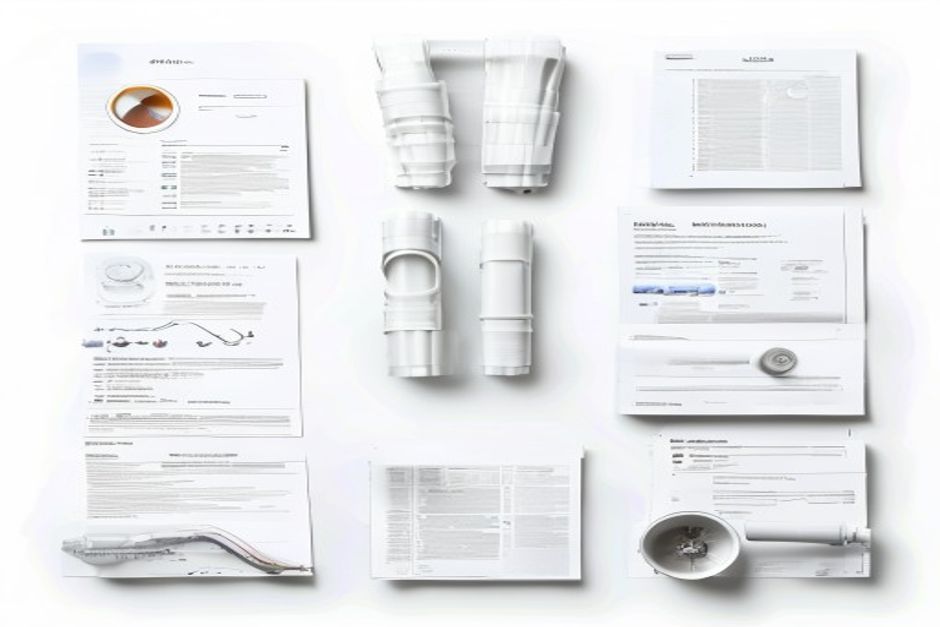

Key Sections of a Datasheet
Mechanical Properties
- Tensile Strength: Maximum stress before breaking
- Flexural Modulus: Stiffness measurement
- Impact Strength: Resistance to sudden loads (Izod/Charpy)
Thermal Properties
- HDT: Heat Deflection Temperature at 0.45 or 1.8 MPa
- TG: Glass transition temperature
- Melting Point: For semi-crystalline plastics
Processing Parameters
- درجة حرارة الذوبان: Recommended processing range
- درجة حرارة القالب: Tool temperature for quality parts
- Drying Requirements: Moisture content limits
Comparing Materials
Always compare datasheets under identical test conditions. Different standards (ISO vs ASTM) can give different values.
الأسئلة الشائعة
When is How to Read Engineering Plastics Datasheets — A Practical Guide for Engineers a good option?
How to Read Engineering Plastics Datasheets — A Practical Guide for Engineers is a good option when fast iteration, complex geometry, low tooling cost, or low-volume production is more important than molded-part unit cost.
What should be checked before choosing How to Read Engineering Plastics Datasheets — A Practical Guide for Engineers?
تحقق من حجم الجزء، وخصائص المواد، وتشطيب السطح، وتفاوت الأبعاد، والتعرض للحرارة، واتجاه التحميل، وما إذا كانت المعالجة اللاحقة مطلوبة.
How does How to Read Engineering Plastics Datasheets — A Practical Guide for Engineers compare with CNC machining?
يمكن للطباعة ثلاثية الأبعاد إنشاء أشكال معقدة بسرعة، في حين أن التصنيع باستخدام الحاسب الآلي غالبًا ما يكون أقوى للأسطح الدقيقة والتفاوتات الأكثر دقة والمواد ذات درجة الإنتاج.
What affects the cost of How to Read Engineering Plastics Datasheets — A Practical Guide for Engineers?
تعتمد التكلفة على المواد، وحجم البناء، ووقت الطباعة، وارتفاع الطبقة، وإزالة الدعم، والتشطيب، والفحص، وعدد الأجزاء في البناء.


 English
 Dutch
Dutch German
 French
 Korean
 Russian
 Japanese
 Spanish
 Vietnamese
 Chinese
 Portuguese
 Arabic