Why Finish Nylon Surfaces?
Nylon parts often emerge from the mold or CNC machine with perfectly functional geometry—but the surface may not meet the final application’s aesthetic, functional, or branding requirements. Surface finishing transforms raw nylon from a matte, slightly greasy-feeling engineering material into a component that looks premium, resists environmental attack, or communicates critical information through marking and labeling.
The challenge with nylon is its low surface energy—typically 36–42 mN/m, compared to 46+ mN/m for metals and other plastics. This means paints, inks, and adhesives don’t wet the surface naturally. Every finishing process for nylon must begin with surface preparation to raise the surface energy and create anchor points for the subsequent coating or treatment.
Surface Preparation: The Non-Negotiable First Step
All nylon finishing processes require one of these preparation methods:
| Method | Surface Energy After | Durability | الأفضل لـ |
|---|---|---|---|
| Flame treatment | 50–60 mN/m | Hours–days | High-volume in-line painting; simple geometries |
| Plasma treatment | 55–72 mN/m | Hours–days | Complex 3D parts; selective treatment possible |
| Chemical etching | Permanent | Permanent | Plating (creates micro-roughness for mechanical anchoring) |
| Primer application | N/A (chemical bond) | Permanent | Painting; specialized nylon primers available |
| Mechanical abrasion | 42–48 mN/m | Permanent | Low-cost option; adequate for non-critical bonds |
Painting Nylon
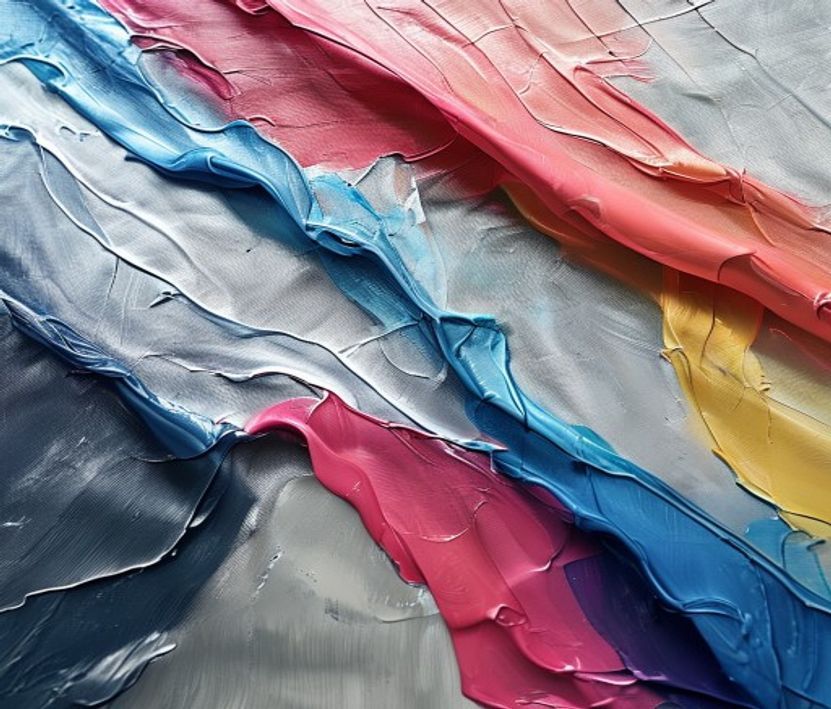
Painting nylon requires a three-layer system for reliable adhesion and durability:
- Primer: A nylon-specific adhesion promoter (typically chlorinated polyolefin or acrylic-modified) applied at 5–10 μm dry film thickness. This is the critical layer—standard primers will not bond to nylon.
- Base coat: The color layer, applied at 15–25 μm. Polyurethane and acrylic lacquers are most common.
- Clear coat (optional): 20–40 μm of UV-resistant clear for exterior automotive and consumer applications.
For best results, paint within 2 hours of surface activation treatment. If parts must be stored, protect from dust and humidity, and re-treat before painting if stored more than 8 hours.
Electroplating Nylon
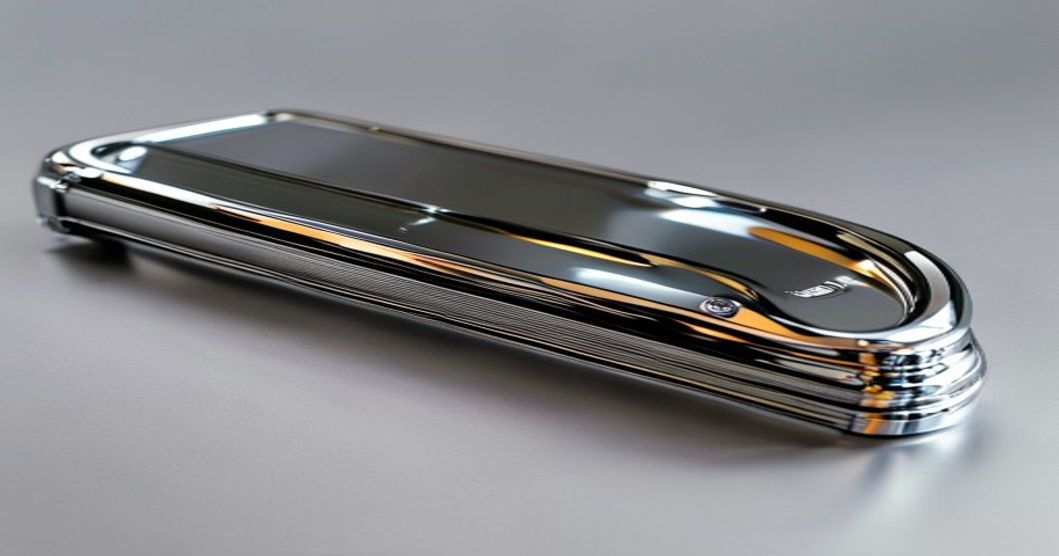
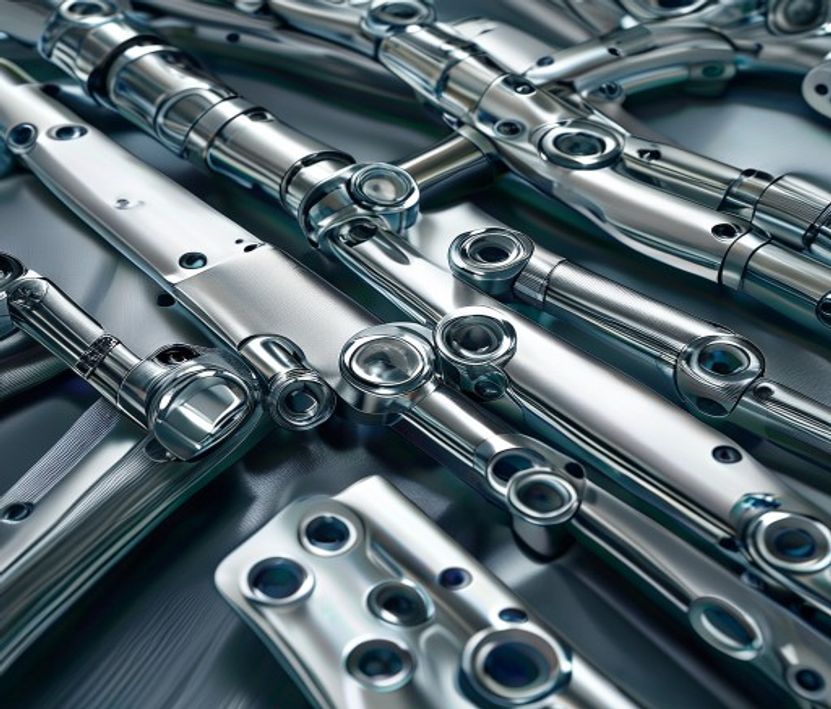
Nylon can be electroplated with copper, nickel, and chromium to create a true metallic surface with the weight and cost advantages of a plastic substrate. The process is more demanding than plating ABS—the standard platable plastic—but well-established for nylon 6 and nylon 66.
The plating process:
- Etch: Chromic acid/sulfuric acid mixture creates micropores on the nylon surface
- Neutralize & catalyze: Palladium-tin colloidal solution deposits catalytic sites
- Electroless nickel or copper: Deposition of a conductive layer (0.5–1.0 μm)
- Electrolytic plating: Build-up of copper (15–25 μm), nickel (8–15 μm), and chromium (0.25–0.5 μm)
Laser Marking Nylon
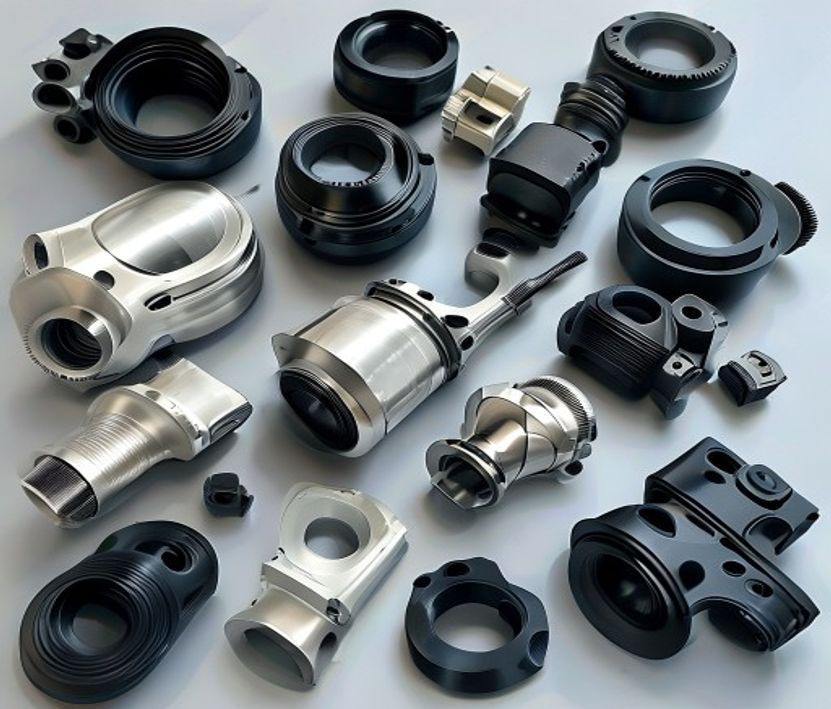
Laser marking has become the preferred method for adding permanent text, barcodes, logos, and UDI (Unique Device Identification) codes to nylon parts. The process creates a high-contrast mark without inks, labels, or physical contact.
Key process parameters:
- Fiber lasers (1064 nm): Best for creating dark marks on light-colored nylon through carbonization at the surface
- CO₂ lasers (10.6 μm): Create lighter marks through controlled surface melting; less common for nylon
- UV lasers (355 nm): “Cold marking” with minimal thermal damage; excellent for medical device marking where surface integrity is critical
- Laser-sensitive additives: 0.5–2% of metal oxide or mica-based additives can dramatically improve contrast and marking speed
Other Finishing Options
- Pad printing: Silicone pad transfers ink from an etched plate to the nylon surface. Excellent for small logos and text on curved surfaces. Requires flame or plasma pre-treatment.
- Hot stamping: Heated die transfers foil to the surface under pressure. Creates a premium metallic or colored finish without solvents. Good for logos and decorative bands.
- Hydrographic printing (water transfer): Patterned film floats on water and transfers to the part as it’s dipped. Can apply wood grain, carbon fiber, camouflage, and custom patterns. Requires full-surface primer and clear coat.
- Vibratory finishing: For machined nylon parts, ceramic or plastic media in a vibratory bowl removes tool marks and creates a uniform matte finish.
لماذا تختار بلاستيك النايلون لتلبية احتياجاتك من البلاستيك الهندسي؟
- ✅ أكثر من 300 ماكينة قولبة بالحقن من 50 تيرابايت إلى 2000 تيرابايت
- ✅ أكثر من 10,000 جزء في اليوم الطاقة الإنتاجية
- ✅ دقة ± 0.02 مم التسامح في جميع المواد
- ✅ موك 1 قطعة واحدة فقط للنماذج الأولية؛ قابلة للتطوير إلى الملايين
- ✅ الاقتباس على مدار 24 ساعة, من 3 إلى 15 يومًا
- ✅ نظام إدارة الجودة الحاصل على شهادة الأيزو 9001
مقالات ذات صلة
- قولبة النايلون: الدليل الكامل للقولبة بالحقن متعدد المواد
- Nylon Injection Molding Guide: Processing Parameters, Best Practices
- Engineering Plastics Selection Guide: Nylon, POM, PC, and PE
الأسئلة الشائعة
When is Nylon Surface Finishing Guide: Painting, Plating, Laser Marking and More a good option?
Nylon Surface Finishing Guide: Painting, Plating, Laser Marking and More is a good option when fast iteration, complex geometry, low tooling cost, or low-volume production is more important than molded-part unit cost.
What should be checked before choosing Nylon Surface Finishing Guide: Painting, Plating, Laser Marking and More?
تحقق من حجم الجزء، وخصائص المواد، وتشطيب السطح، وتفاوت الأبعاد، والتعرض للحرارة، واتجاه التحميل، وما إذا كانت المعالجة اللاحقة مطلوبة.
How does Nylon Surface Finishing Guide: Painting, Plating, Laser Marking and More compare with CNC machining?
يمكن للطباعة ثلاثية الأبعاد إنشاء أشكال معقدة بسرعة، في حين أن التصنيع باستخدام الحاسب الآلي غالبًا ما يكون أقوى للأسطح الدقيقة والتفاوتات الأكثر دقة والمواد ذات درجة الإنتاج.
What affects the cost of Nylon Surface Finishing Guide: Painting, Plating, Laser Marking and More?
تعتمد التكلفة على المواد، وحجم البناء، ووقت الطباعة، وارتفاع الطبقة، وإزالة الدعم، والتشطيب، والفحص، وعدد الأجزاء في البناء.