
Printing abrasive nylon filaments like PA6-GF and PA6-CF requires specific hardware upgrades. Standard components wear rapidly, affecting print quality and requiring frequent replacement. This guide covers essential upgrades for abrasive filament success.
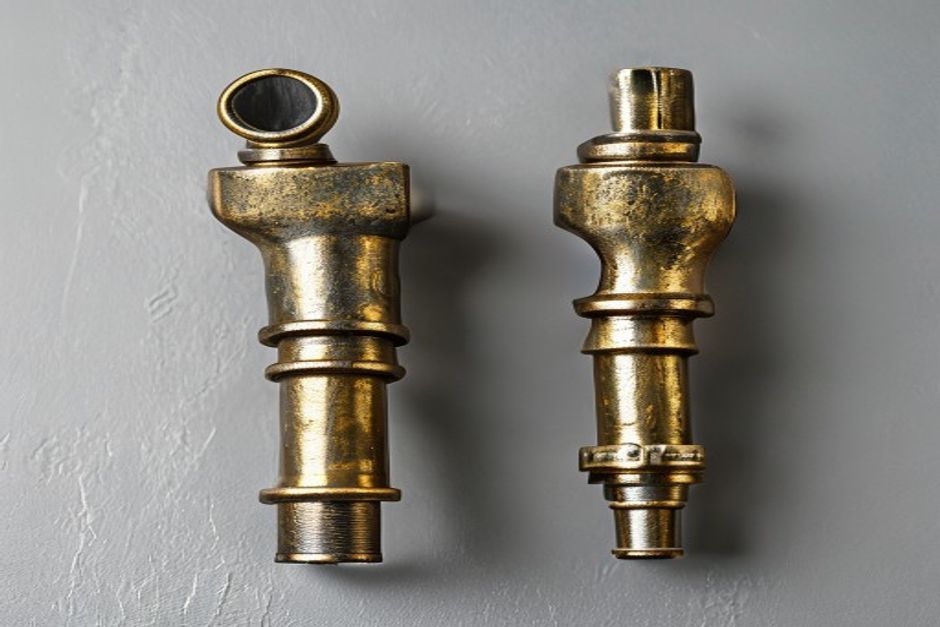
Why Abrasive Filaments Damage Printers
Glass fibers and carbon fibers in nylon filaments act like microscopic sandpaper. As filament passes through your extruder system:
- Nozzles: Diameter increases, causing inconsistent extrusion
- Heat breaks: Abrasion creates gaps, leading to jams
- Drive gears: Teeth wear, reducing grip
- Bowden tubes: Internal surface degrades
Carbon fiber nylon is particularly aggressive due to fiber hardness.
Nozzle Upgrades
Hardened Steel Nozzles
Best For: Carbon fiber nylon
Life Expectancy: 500+ hours (vs 20-50 for brass)
Kompromiss: Slightly lower thermal conductivity
Recommended:
- E3D Hardened Steel
- Trianglelab Hardened Steel
- Micro Swiss Hardened Steel
Ruby and Diamond Nozzles
Best For: Maximum durability, critical applications
Life Expectancy: Indefinite under normal use
Kompromiss: High cost, potential thermal issues
Nozzle Size Selection
| Abrasive Content | Minimum Nozzle | Recommended |
|---|---|---|
| Up to 10% filler | 0.4mm | 0.5mm |
| 10-20% filler | 0.5mm | 0.6mm |
| 20-30% filler | 0.6mm | 0.8mm |
Complete nozzle guide for reference.
Extruder Upgrades
Direct Drive Requirement
For reliable abrasive nylon printing, direct drive is strongly recommended:
Benefits:
- Better filament control
- Shorter filament path
- Less abrasion in system
- Improved retraction
Drive Gear Selection
Standard brass gears: Insufficient for abrasive nylon
Steel drive gears: Required for consistent feeding
Recommended:
- BMG-style with hardened steel gears
- Trianglelab BMG clone (budget option)
- E3D Hemera (integrated solution)
Hotend Considerations
All-Metal Hotend
Required for nylon temperatures (250-290°C):
| Hotend | Max Temp | Anmerkungen |
|---|---|---|
| E3D V6 | 285°C | Proven, reliable |
| E3D Volcano | 285°C | Higher flow |
| Mosquito | 300°C | Excellent heat break |
| Dragon | 300°C | Compact, efficient |
Temperature guide for specific materials.
Heat Break Selection
- Standard PTFE: Not suitable for nylon
- All-metal: Required
- Coated: Reduces carbon buildup
Bowden vs Direct Drive
| Faktor | Bowden | Direct Drive |
|---|---|---|
| Abrasion | Higher in tube | Unter |
| Filament control | Worse | Better |
| Rückzug | Difficult | Einfach |
| Maintenance | Höher | Unter |
| Recommended for GF/CF | No | Ja |
Maintenance Schedule
Daily checks:
- Wipe nozzle exterior
- Clear any buildup
Weekly checks:
- Inspect nozzle tip
- Check drive gear wear
- Examine Bowden tube (if applicable)
Monthly checks:
- Measure nozzle diameter
- Replace worn components
FAQ
When is Nylon Extruder Upgrades — Handling Abrasive Filaments Successfully a good option?
Nylon Extruder Upgrades — Handling Abrasive Filaments Successfully is a good option when fast iteration, complex geometry, low tooling cost, or low-volume production is more important than molded-part unit cost.
What should be checked before choosing Nylon Extruder Upgrades — Handling Abrasive Filaments Successfully?
Prüfen Sie die Größe des Teils, die Materialeigenschaften, die Oberflächenbeschaffenheit, die Maßtoleranz, die Wärmeeinwirkung, die Belastungsrichtung und ob eine Nachbearbeitung erforderlich ist.
How does Nylon Extruder Upgrades — Handling Abrasive Filaments Successfully compare with CNC machining?
Mit dem 3D-Druck lassen sich komplexe Formen schnell erstellen, während die CNC-Bearbeitung für präzise Oberflächen, engere Toleranzen und serienreife Materialien oft besser geeignet ist.
What affects the cost of Nylon Extruder Upgrades — Handling Abrasive Filaments Successfully?
Die Kosten hängen vom Material, dem Bauvolumen, der Druckzeit, der Schichthöhe, der Entfernung von Stützen, der Endbearbeitung, der Prüfung und der Anzahl der Teile im Bau ab.
 English
 Dutch
Dutch German
 French
 Korean
 Russian
 Japanese
 Spanish
 Vietnamese
 Chinese
 Portuguese
 Arabic