
Services
Our Plastic Injection Molding Services
What is CNC Machining?
⇒CNC machining, or Computer Numerical Control machining, is a highly versatile manufacturing process that utilizes automated, high-speed cutting tools to precisely remove material from a workpiece—typically metal or plastic—until the desired shape and dimensions are achieved.
⇒Common types of CNC equipment include 3-axis, 4-axis, and 5-axis milling machines, lathes, and routers. These machines operate in various ways: some move the tool while the workpiece remains stationary, others rotate and move the workpiece while the tool stays fixed, and some models move both the tool and workpiece simultaneously.
⇒The process begins when machinists receive a CAD (computer-aided design) model, often referred to as a 3D file. Using this model, they program the tool paths required to produce the part. An experienced machinist optimizes these paths to improve accuracy, maintain tight tolerances, and reduce overall CNC machining costs.
⇒CNC machines are capable of cutting a wide range of materials, including metal alloys, plastics, wood, stone, ceramics, and more. This flexibility makes CNC machining essential for producing custom parts across industries such as automotive, robotics, medical devices, aerospace, electronics, and industrial equipment.
⇒At 3ERP, we offer professional CNC machining services and provide custom quotes for a variety of materials—from standard options like aluminum, steel, stainless steel, ABS, and acetal, to advanced metals such as titanium and Inconel, as well as high-performance engineered plastics including Teflon, PPS, PEI, and PEEK.
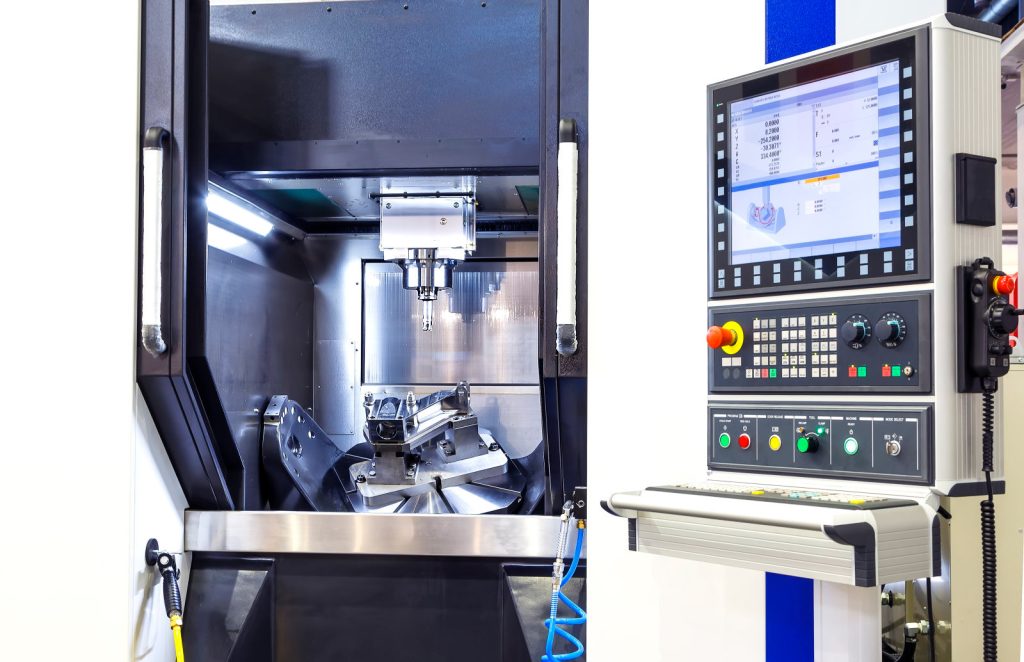
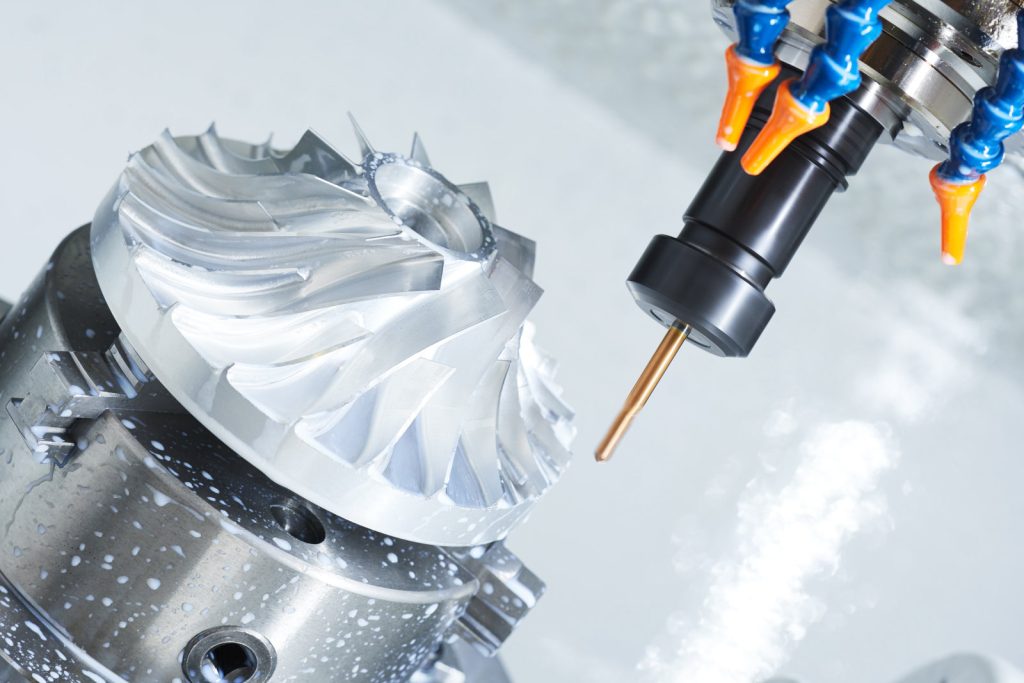
CNC Machining Tolerances & Capabilities
At Nylon plastic, we pride ourselves on delivering precision-engineered parts that meet the most demanding specifications. Our advanced CNC equipment and rigorous quality control ensure that every component, from prototype to high-volume production, is built to perfection.
Below is a detailed overview of our standard machining tolerances and key capabilities:
| Feature | Specification |
|---|---|
| Standard Tolerances | Metals: ISO 2768-m Plastics: ISO 2768-c |
| Precision Tolerances | We can hold strict tolerances as specified on your drawings, including GD&T and tight tolerances within ±0.001 inches. |
| Minimum Wall Thickness | 0.5 mm |
| Minimum End Mill Size | 0.5 mm |
| Minimum Drill Size | 1.0 mm |
| Maximum Part Size | Milling: 4000 × 1500 × 600 mm Turning: Ø 200 × 500 mm |
| Minimum Part Size | Milling: 5 × 5 × 5 mm Turning: Ø 2 × 2 mm |
| Production Volume | Prototyping: 1 – 100 pcs Low-Volume: 101 – 10,000 pcs High-Volume: 10,001+ pcs |
| Standard Lead Time | 5 business days for most projects. Expedited delivery for simple parts is available in as fast as 1 day. |
Evaluate All Of Design Considerations For Injection Moulding
Before we conduct the injection molding process, our experts take the time to analyze key aspects of your design. We check the size and dimensions. This ensures that your plastic moulding products are as accurate as possible.
Plastic Parts Evaluation
DFM
Mold Design Adjustments
Injection Molding Services FAQ
Our comprehensive injection molding capabilities include:
Prototype Molding: Low-volume production for testing and validation
Production Molding: High-volume manufacturing with consistent quality
Insert Molding: Combining metal/electronic components with plastic
Overmolding: Multi-material parts with soft-touch surfaces
Micro Molding: Precision components with tight tolerances
Liquid Silicone Rubber (LSR) Molding: High-temperature and medical-grade parts
We work with comprehensive material options:
Commodity Plastics: ABS, PP, PE, PS
Engineering Plastics: PC, Nylon, POM, PBT, PPS
High-Performance Plastics: PEEK, PEI, PSU, PPSU
Elastomers: TPE, TPU, TPV
Specialty Materials: LSR, conductive plastics, flame-retardant grades
Bio-based & Recycled Materials: Sustainable alternatives available
Our manufacturing timelines include:
Prototype Tooling: 2-4 weeks for aluminum molds
Production Tooling: 4-8 weeks for steel molds
Sample Parts: 1-2 weeks after mold completion
Production Runs: 1-3 weeks depending on quantity
Emergency Services: Expedited options available
We provide complete mold solutions:
Mold Types: Prototype, production, multi-cavity, family molds
Mold Materials: Aluminum, P20, H13, S136 stainless steel
Mold Life: 50,000 to 1,000,000+ shots depending on material
Mold Features: Hot runner systems, slides, lifters, unscrewing
Mold Maintenance: Comprehensive service and repair programs
Our injection molding machines range:
Clamping Force: 50 to 1000 tons
Shot Weight: Up to 50 ounces (1400 grams)
Platen Size: Up to 55" x 55" (1400 x 1400 mm)
Maximum Mold Size: Custom solutions for large parts
Multi-material: Dual injection capabilities available
Our DFM principles ensure manufacturability:
Wall Thickness: Consistent walls (1.5-3.0mm typically)
Draft Angles: 1-3 degrees for proper ejection
Ribs & Bosses: Proper thickness ratios to prevent sinks
Corner Radii: Minimum 0.5mm to reduce stress concentration
Gate Locations: Strategic placement for optimal filling
Our comprehensive quality system includes:
First Article Inspection: Complete dimensional verification
SPC Monitoring: Real-time process parameter tracking
CMM Measurement: Precision coordinate measuring machines
Material Certification: Full traceability and compliance
IQC/OQC: Incoming and outgoing quality control
ISO 9001: Certified quality management system
Our expertise spans multiple sectors:
Medical & Healthcare: Surgical devices, diagnostic equipment, disposables
Automotive: Interior trim, connectors, under-hood components
Consumer Electronics: Housings, connectors, internal components
Industrial Equipment: Enclosures, gears, structural components
Aerospace: Lightweight components, connectors, interior parts
Complete post-molding services available:
Assembly: Ultrasonic welding, press fits, adhesive bonding
Finishing: Painting, plating, printing, laser etching
Decorating: IMD, IML, hot stamping, texture application
Testing: Functional testing, leak testing, environmental testing
Packaging: Custom packaging and kitting solutions
Advanced mold engineering solutions:
Side Actions: Mechanical slides for external undercuts
Lifters: Internal core mechanisms for internal undercuts
Collapsible Cores: For threaded parts and complex internal features
Bumpoffs: Flexible mold components for certain undercuts
Hand-loaded Inserts: For extremely complex geometries
Our environmental initiatives include:
Material Optimization: Minimizing waste through efficient designs
Energy Efficiency: Modern, energy-efficient molding machines
Recycling Programs: Regrind management and material recycling
Sustainable Materials: Bio-plastics and recycled content options
Lean Manufacturing: Waste reduction throughout the process
Transparent cost structure:
Tooling Costs: One-time mold investment
Part Price: Based on material, cycle time, and quantity
Setup Charges: For mold changes and machine preparation
Secondary Operations: Additional services priced separately
Volume Discounts: Tiered pricing for production quantities
Precision molding capabilities:
Standard Tolerances: ±0.002 inches (±0.05mm)
Precision Tolerances: ±0.0005 inches (±0.012mm) achievable
Micro-molding: Tolerances to ±0.0002 inches (±0.005mm)
Process Control: Tight parameter control for consistency
Measurement Equipment: Capable of verifying micron-level dimensions
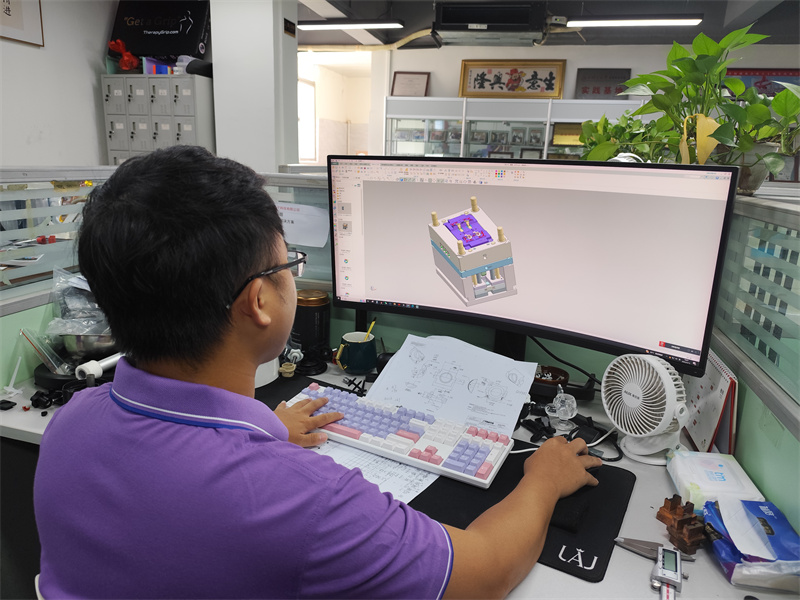
Design Feasibility Analysis: Mitigate Risk Before Production Begins.
Go beyond basic DFM checks. By combining advanced simulation with our engineering expertise, we empower you to perfect your design and avoid costly late-stage changes. You can expect:
Key Benefits
Reduced Costs: Achieve savings through optimized material usage and intelligent wall-thickness design.
Enhanced Manufacturability: Validate production feasibility with evaluations of draft angles and parting lines.
Fewer Defects: Receive early alerts for potential issues like sink marks and weld lines.
Data-Driven Confidence: Make informed decisions with detailed mold flow analysis on filling, cooling, and warpage.
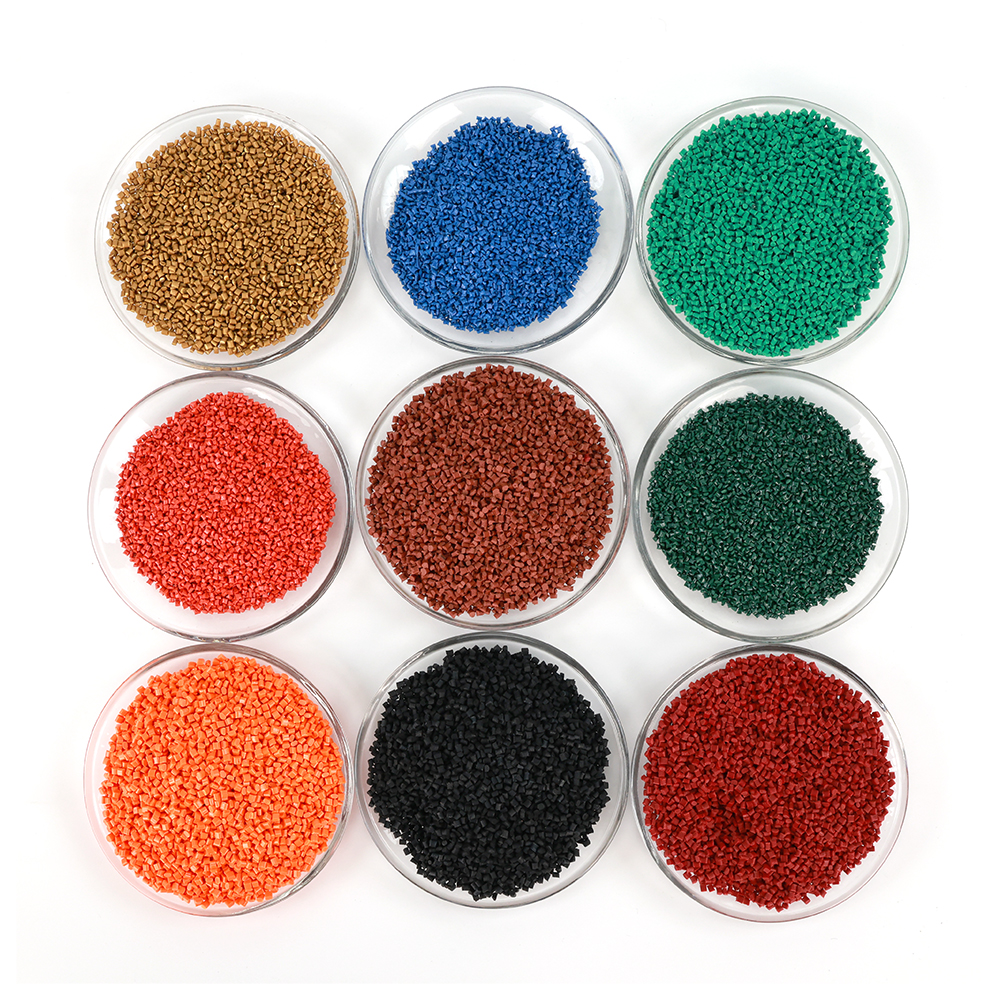
Navigate Material Selection with Confidence
Key Benefits
Define Your Needs based on mechanical, thermal, and chemical requirements.
Navigate Compliance with expert guidance on RoHS, REACH, and other standards.
Balance Cost & Performance to identify the most economical solution.
Verify Your Choice with professional material testing and certification support.
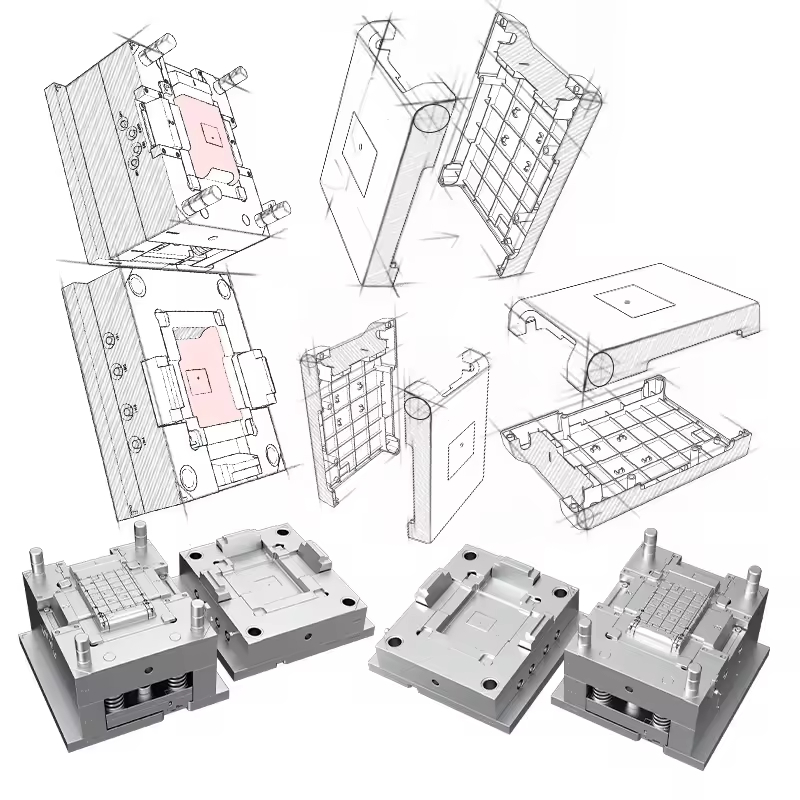
Partner in Precision Mold Design
You Can Expect:
Optimized Production Efficiency: Mold designs that shorten cycle times and maximize output.
Guarded Part Quality: Ensured dimensional stability and aesthetic excellence for every part.
Long-Term Reliability & Ease of Maintenance: Designs that minimize downtime and reduce lifetime operating costs.
A Tailored Solution: A mold precision-engineered for your specific product requirements and volume targets.
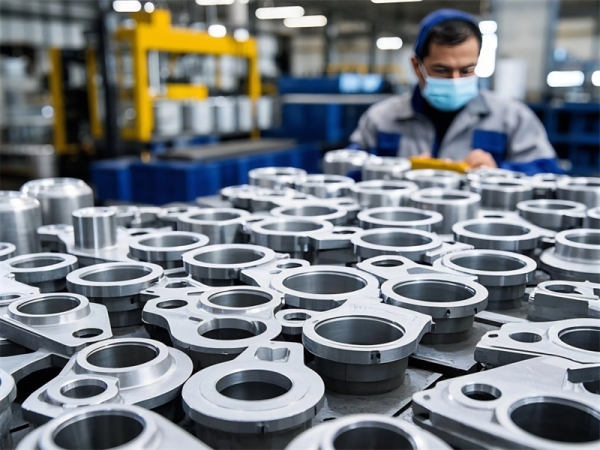
Maximize Your Production Output & Quality
Your Key Benefits:
Boosted Efficiency & Output through streamlined cycle times.
Enhanced Quality Consistency with reduced part-to-part variation.
Significant Cost Reduction by minimizing scrap and energy waste.
A More Robust Production Line with greater overall operational stability.
3-Step Process
How to Work?
From the moment your injection mold order is confirmed, we follow a standardized procedure to ensure transparency and smooth transitions at every step. This process keeps both our team and customers fully informed on the progress, guaranteeing that each phase is executed efficiently. Here’s how we begin and complete your injection mold project:
 English
 Dutch
Dutch German
 French
 Korean
 Russian
 Japanese
 Spanish
 Vietnamese
 Chinese
 Portuguese
 Arabic