
Automotive Components Project Review
An under-hood cover, sensor support and interior clip should not share one generic specification. Identify the vehicle location, temperature cycle, fluids and fastening or mating features.
Send the component and assembly drawings with the required grade, sample checks and customer submission requirements.
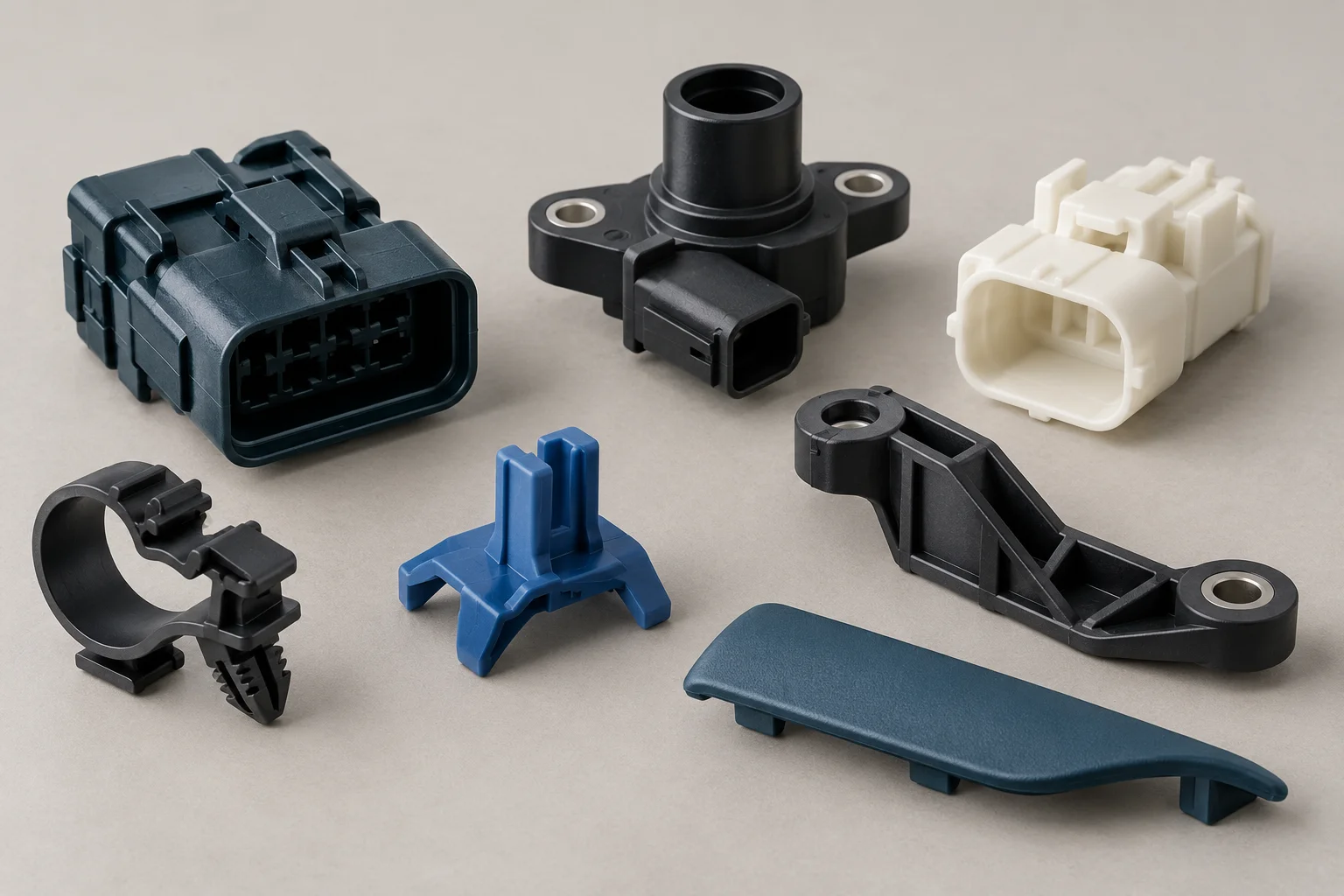
Under-Hood Components
For covers and nearby supports, define the actual temperature cycle, fluid exposure, mounting loads and service duration before reviewing a formulation.
Electrical Housings
For electrical housings, identify connector interfaces, wall sections, insulation requirements and any flame-test conditions that apply to the finished design.
Sensor Parts
For sensor supports and covers, mark locating features, sealing interfaces and dimensions that must remain consistent after assembly and conditioning.
Clips & Brackets
For clips and brackets, provide installation forces, removal requirements, fastener loads and repeated-use expectations so the geometry can be reviewed.
Interior Functional Parts
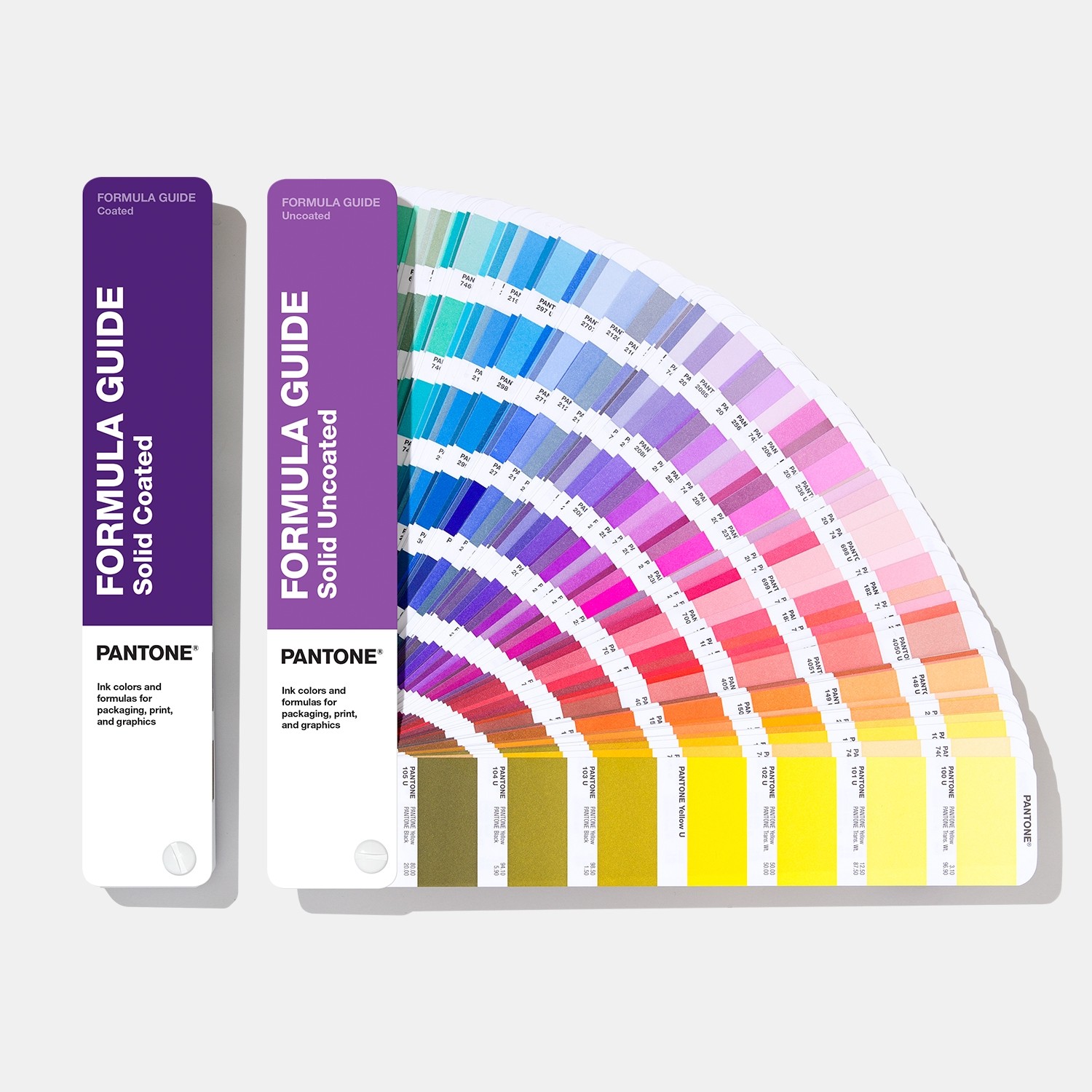
For interior functional parts, agree visible surfaces, color references, mating fits, cleaning exposure and how appearance will be accepted.
Custom Automotive Parts
For a replacement or new design, send the drawing revision and mating assembly. A similar-looking component is not enough to establish interchangeability.
Heat, Fluids and Automotive Assembly Interfaces
Service conditions before material names
Identify where the part sits in the vehicle, its load path, operating temperatures and fluids. Review the exact proposed grade and supporting data against those conditions; a general polymer-family description is only a starting point.
Assembly features that drive the mold
Mark clips, bosses, inserts, sealing faces and locating datums. Include the mating part or assembly drawing so gate locations, weld lines and inspection access can be discussed before tooling decisions are fixed.
Appearance and dimensional approval
Separate cosmetic surfaces from functional dimensions. Agree texture and color references, allowable witness marks and the condition in which critical dimensions are measured. Share the customer drawing and inspection requirements rather than assuming a default tolerance.
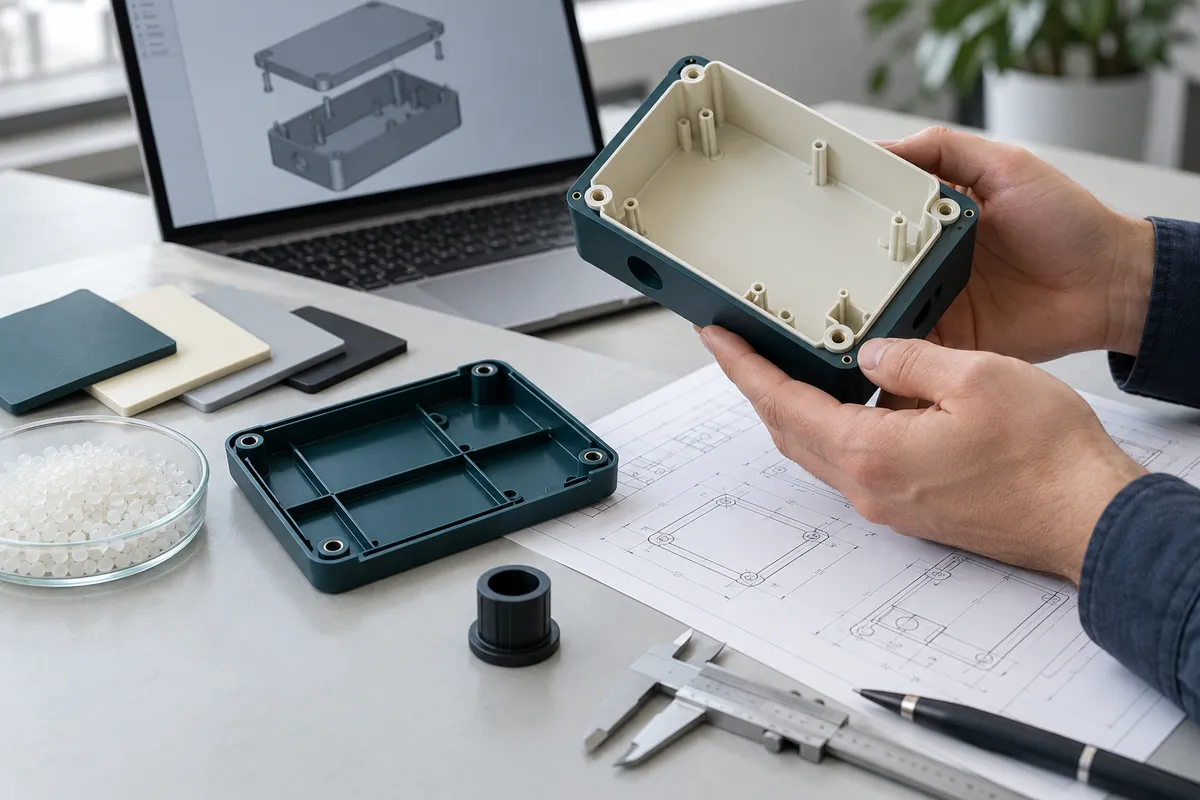
From Part Drawing to Molded Automotive Samples
Early fit review
Use part design, CNC machining or a suitable 3D-printing route to review packaging and assembly. Agree what the prototype can demonstrate and which properties still require production-material testing.
Tooling and molded samples
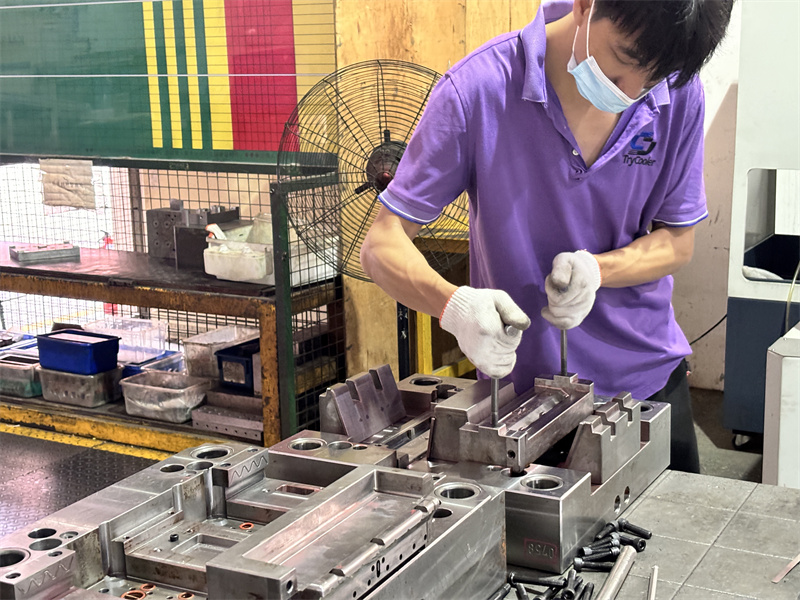
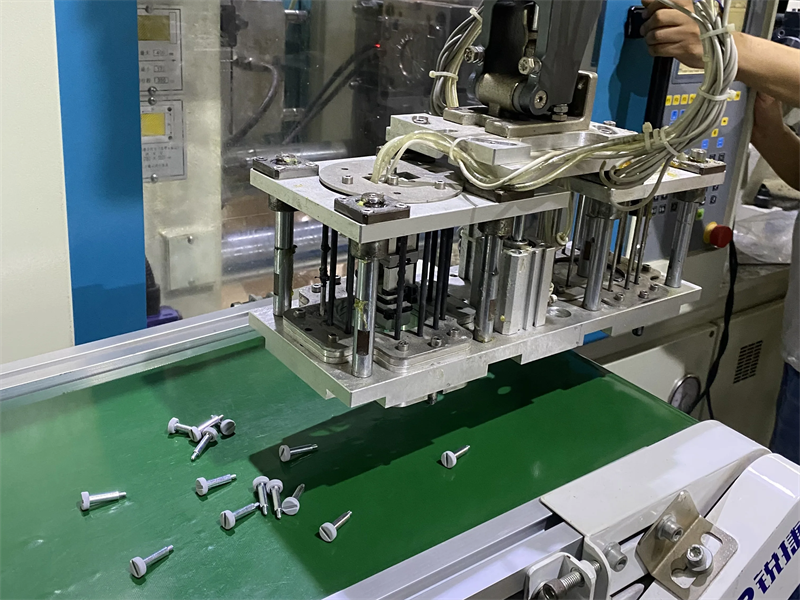
Review the mold concept and material together, then define the dimensional, assembly and appearance checks for samples before approving the next stage.
Repeat production
Confirm the approved drawing and grade, inspection frequency, identification and change-control expectations. Required submission documents and delivery plans are agreed for the specific order.
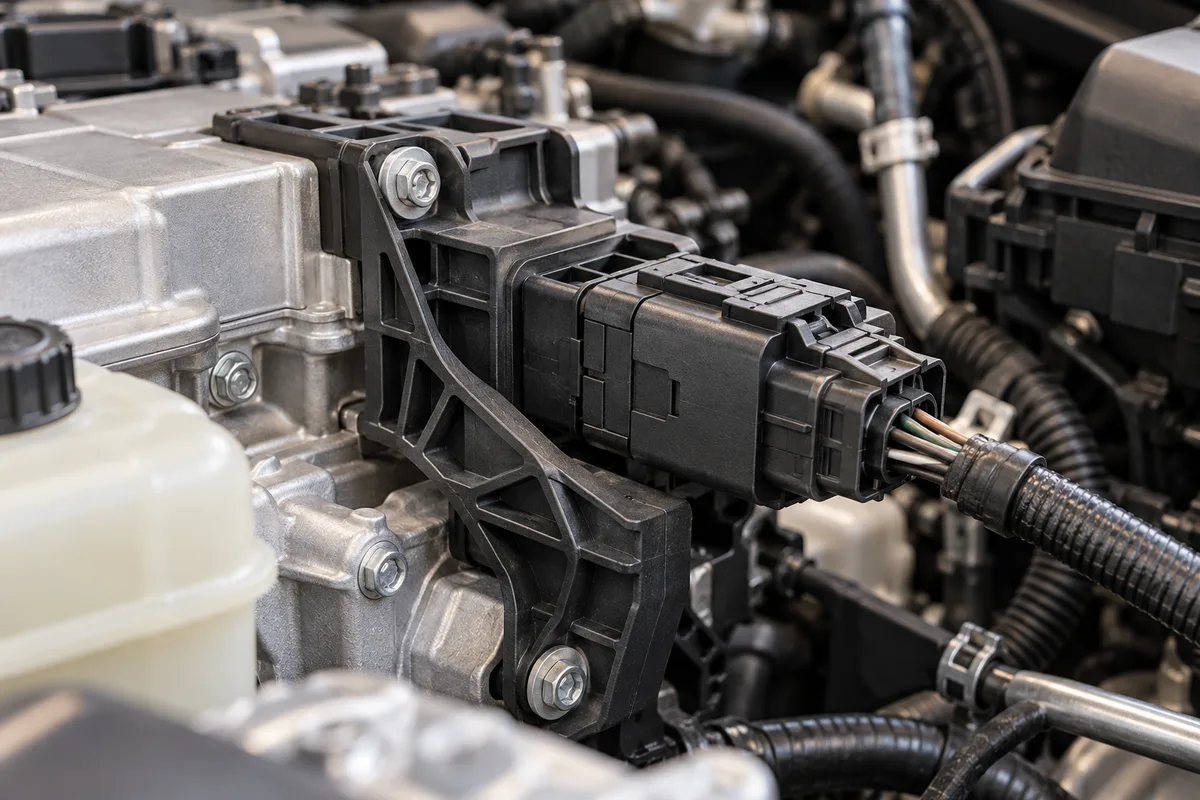
Automotive Drawing and Submission Records
- Current drawing revision with critical characteristics marked
- Exact grade designation, material records and requested declarations
- Dimensional and assembly acceptance criteria for samples
- Customer-specific submission, identification and change requirements
Confirm the records available for the exact material, manufacturing entity and quoted order. Review material and certificate document guidance.
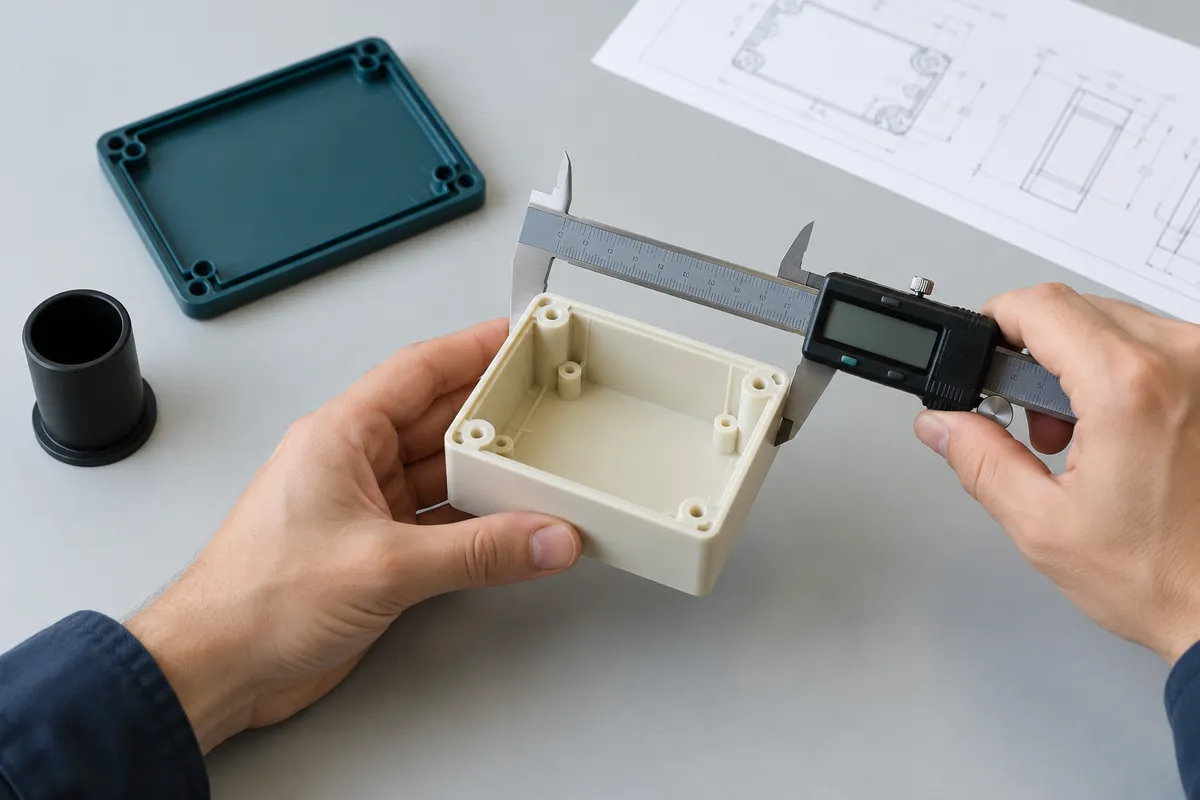
Send the Component and Vehicle Assembly Requirements
- Part drawing or CAD and mating assembly
- Vehicle location, duty cycle and fluid exposure
- Current material or target properties
- Cosmetic surfaces and color reference
- Prototype quantity and expected production usage
- Required records and destination
If the grade is still open, request a material selection review with the service conditions and target properties.
Questions About Automotive Plastic Parts
Can a current automotive plastic part be replaced from a sample alone?
A sample helps describe the shape, but material identity, drawing tolerances and operating history may be missing. Include the drawing, current grade and observed failure or supply problem so the replacement scope can be reviewed.
Can you quote before every detail is final?
Send the available drawing and label unresolved requirements. The review can identify missing inputs, while tooling, material, inspection scope and commercial terms are confirmed against an agreed version.
Are customer approval documents included automatically?
Specify the required submission and its scope before quotation. Document availability, responsible manufacturing entity and acceptance responsibilities need confirmation for the project; the industry page itself is not an approval record.

Materials
Surface Finishes