

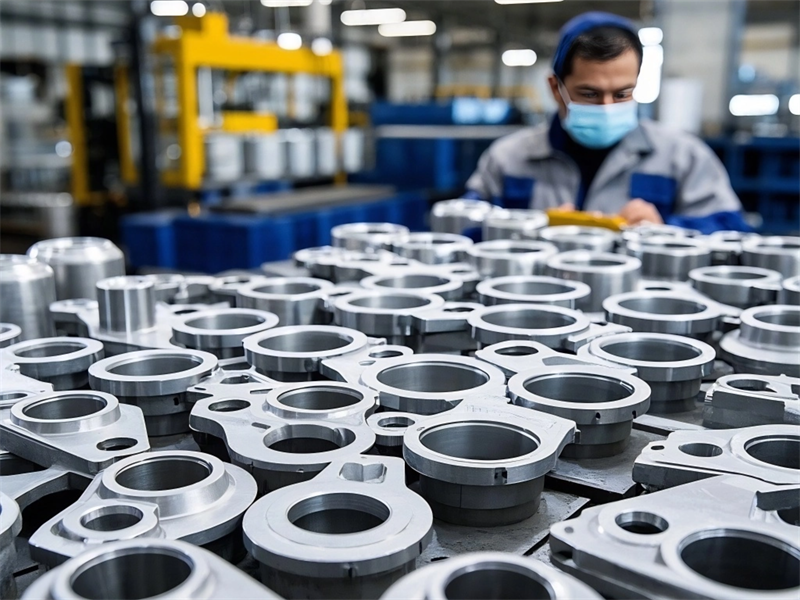
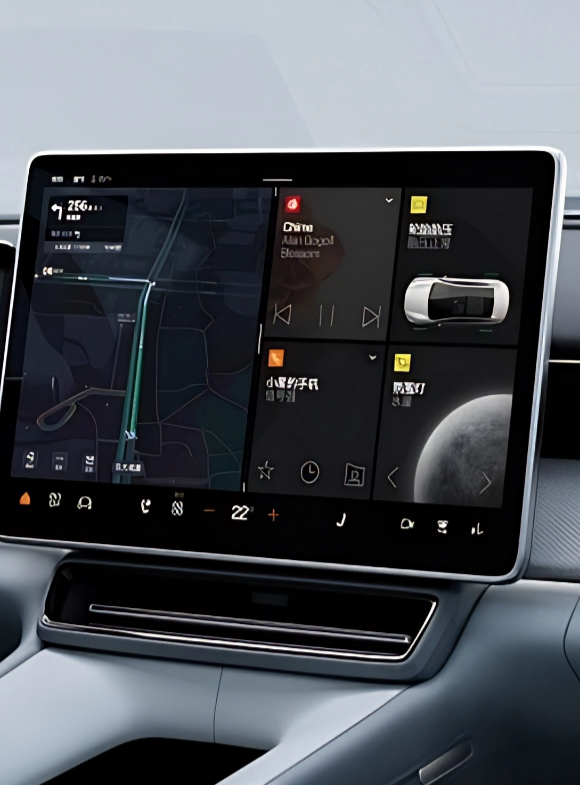
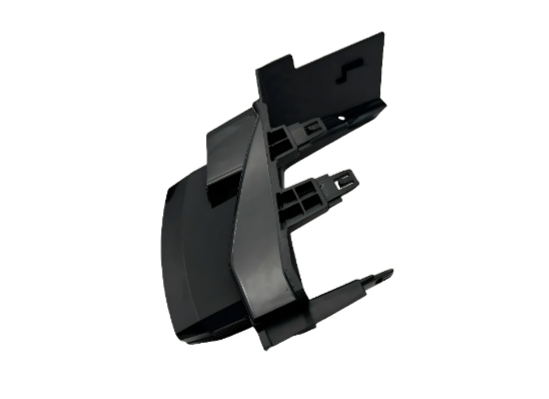
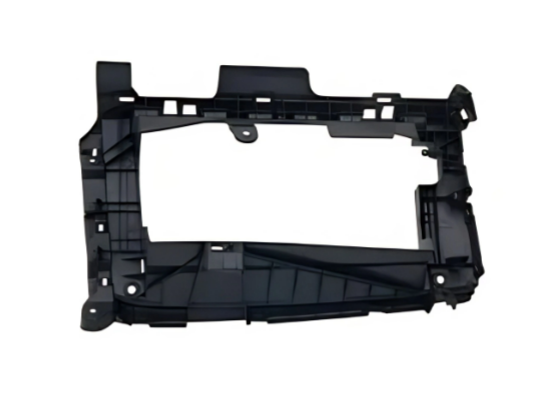
1. Display screen
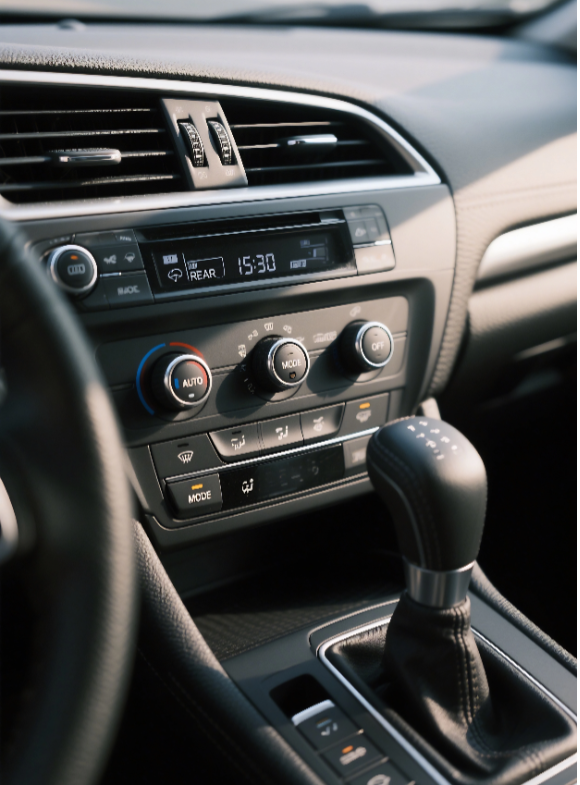
2. Control buttons
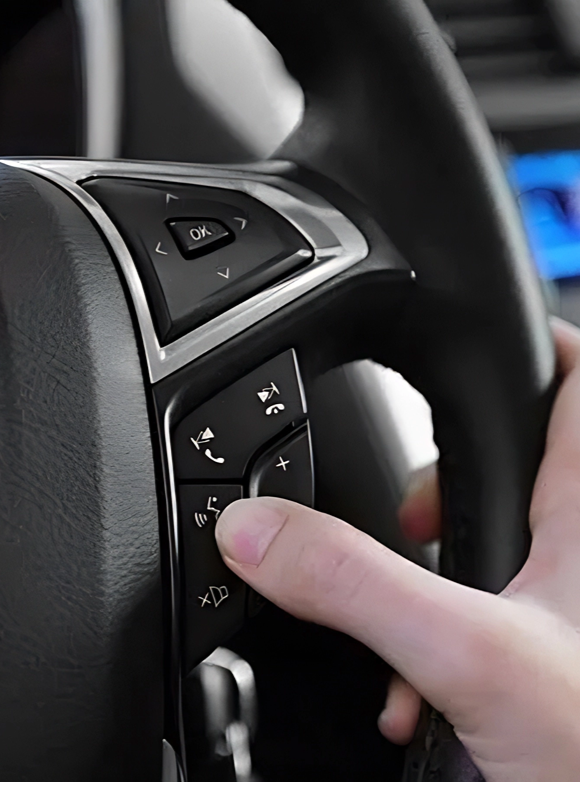
3. Steering wheel buttons
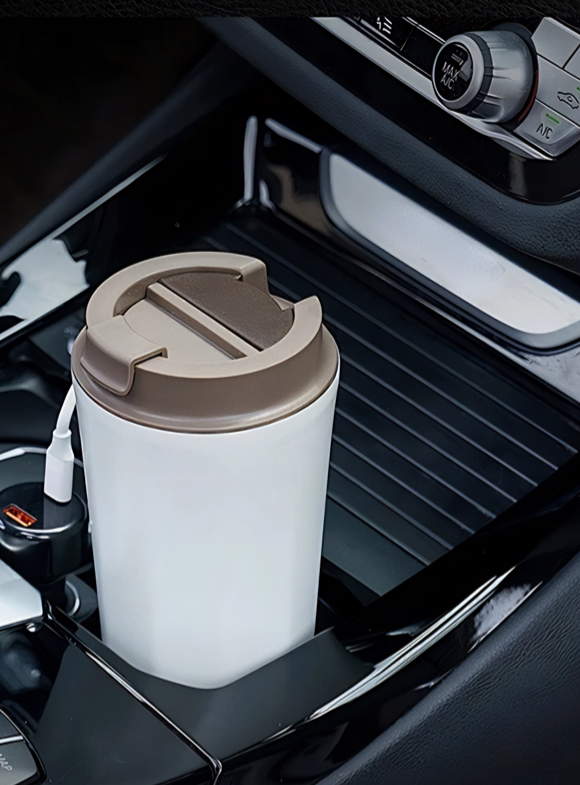
4. Storage rack
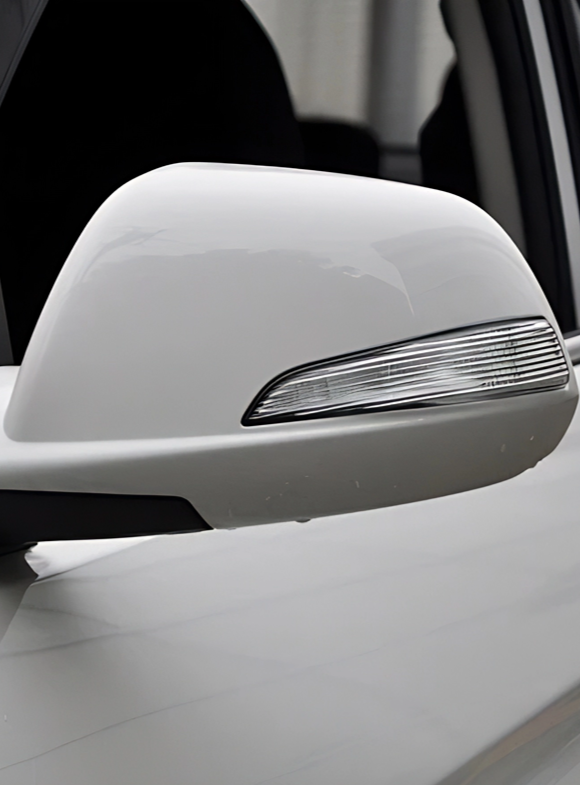
5. Rear - view mirror

6. Phone holder
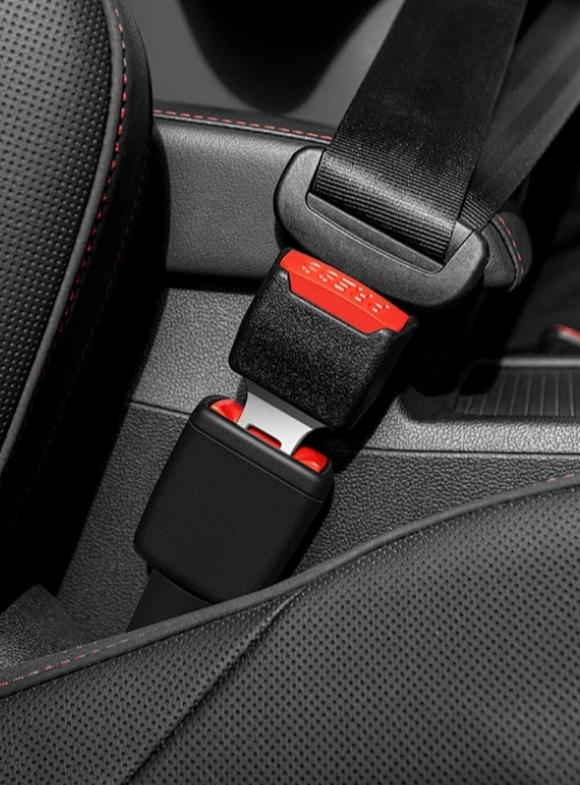
7. Safety buckle

8.Seat - mounted table
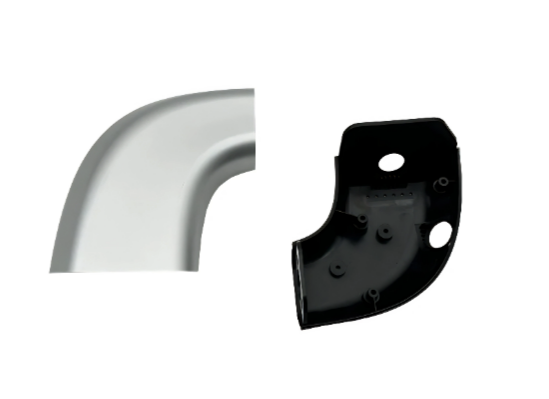




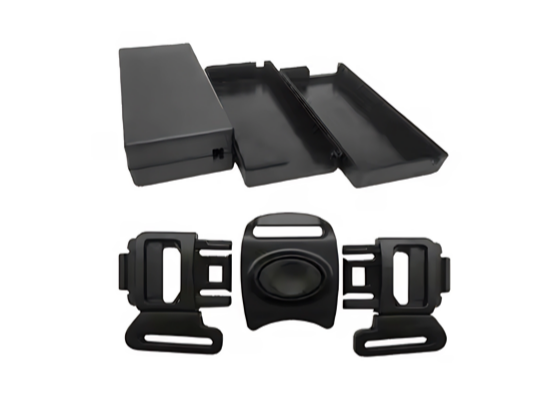
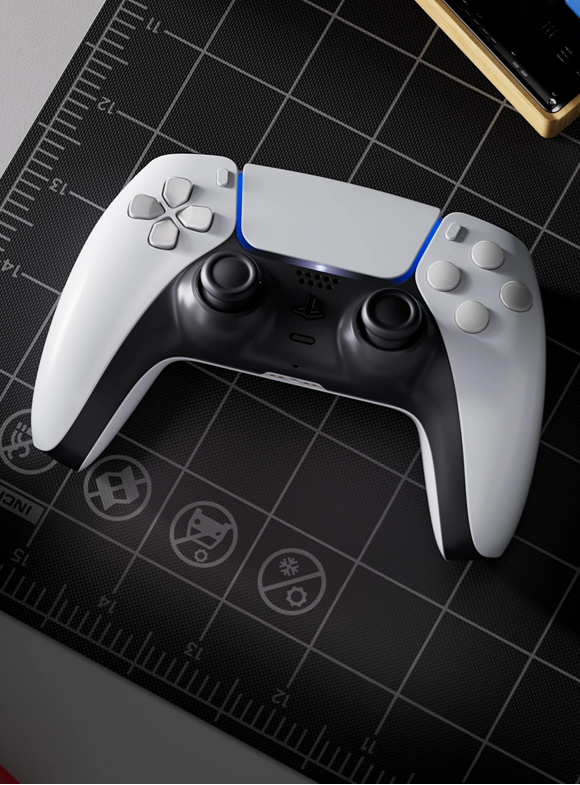
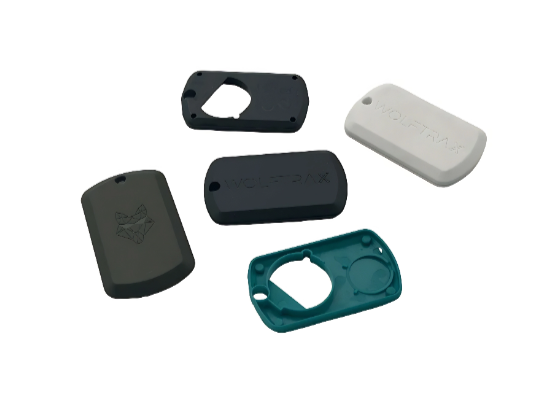
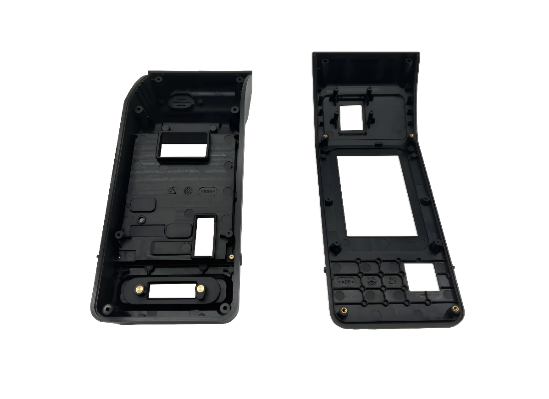
1. Game controller shell
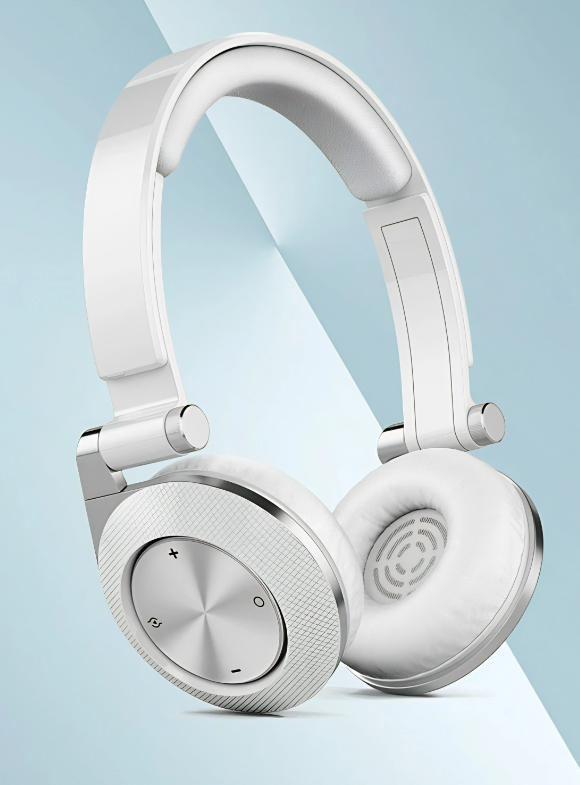
2. Bluetooth earphone shell
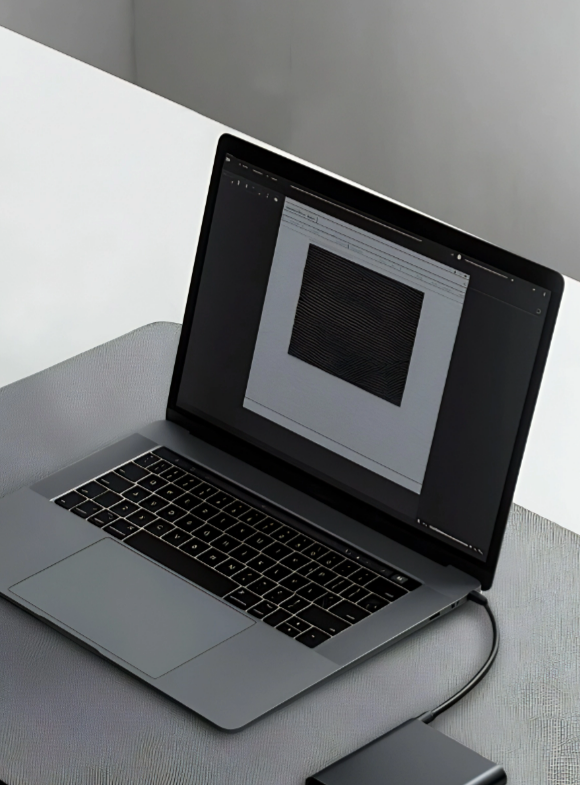
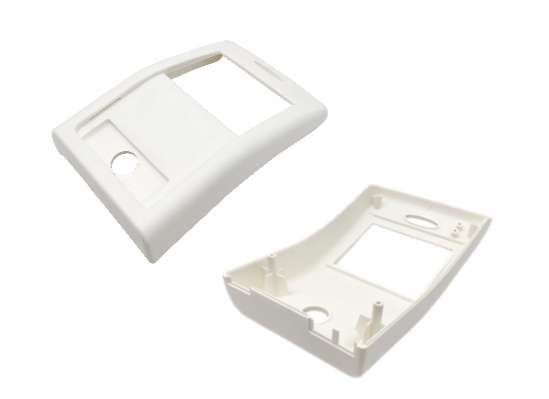
3. Computer shell
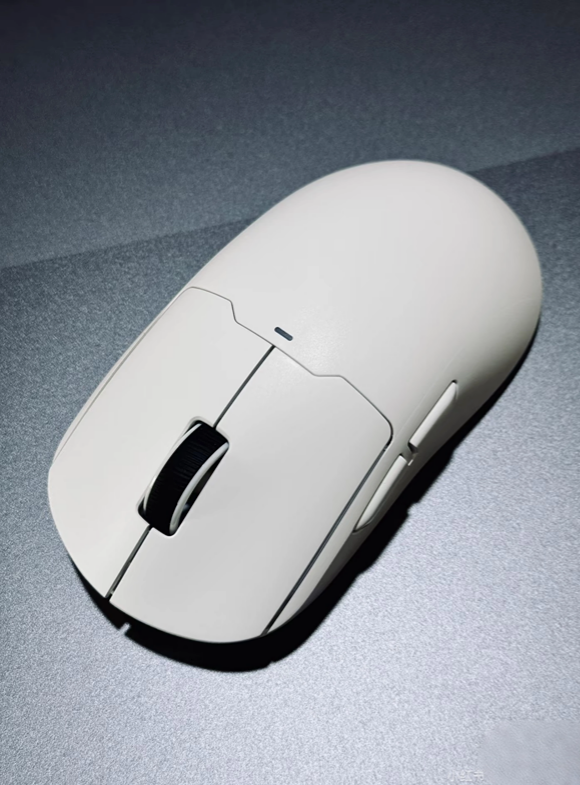
4. Mouse shell

5. Keyboard shell

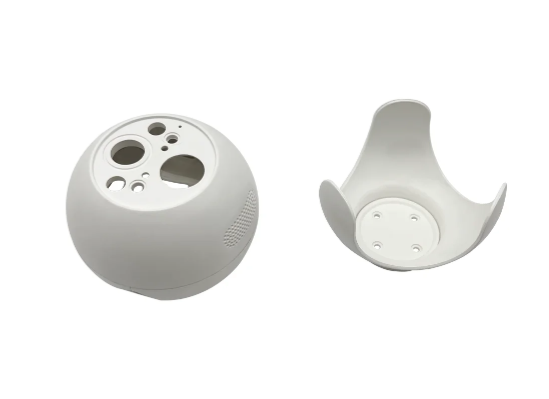
6. Bluetooth speaker shell
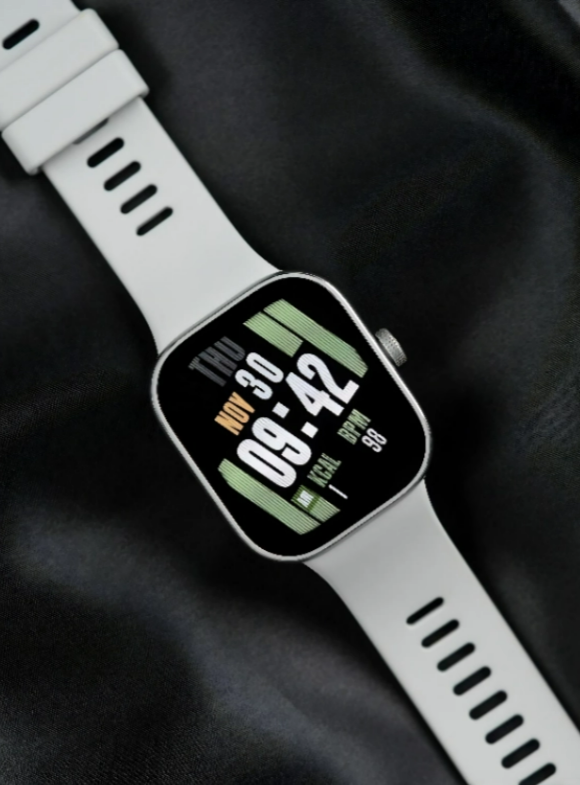
7. Watch shell

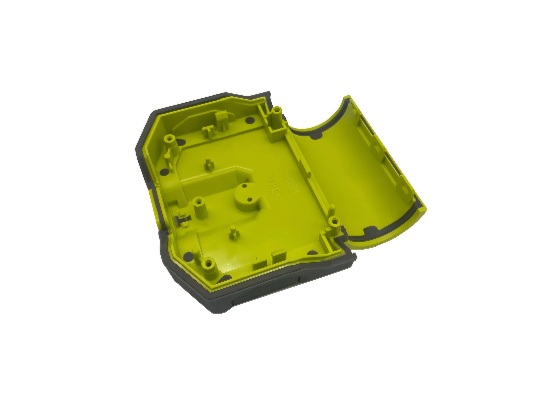
8. Camera shell, etc

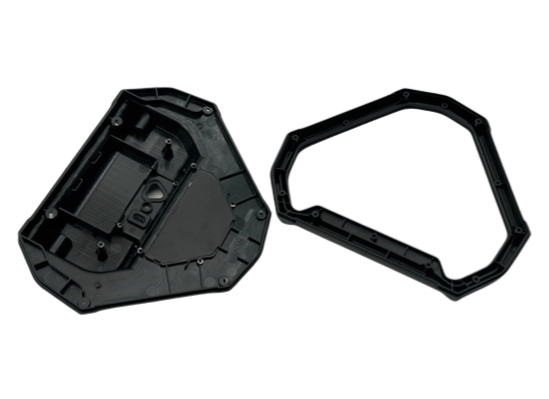
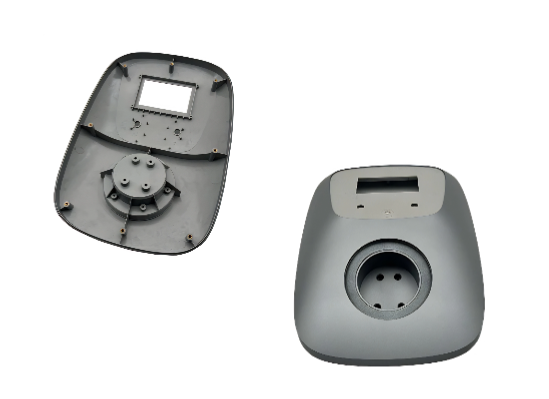
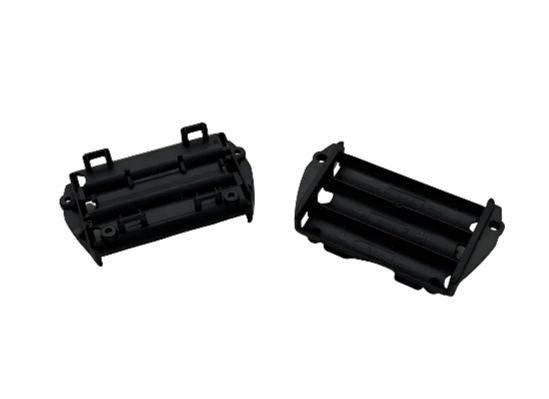
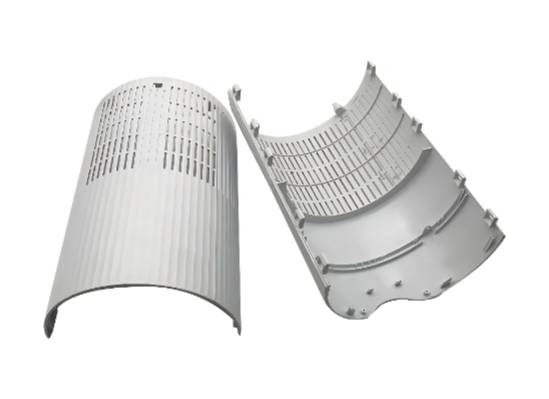

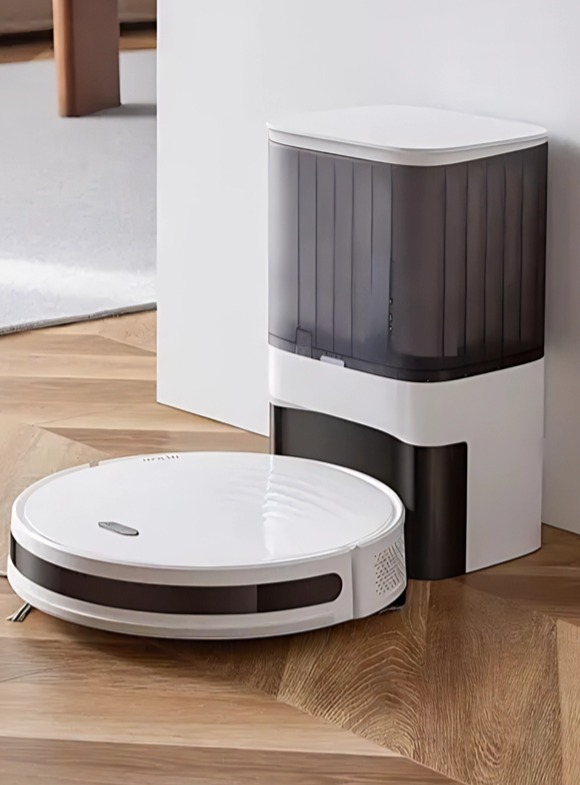
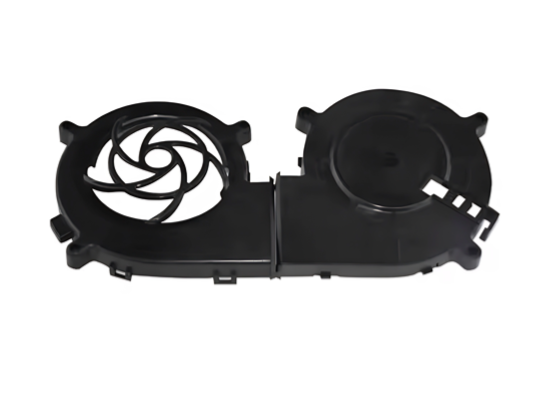
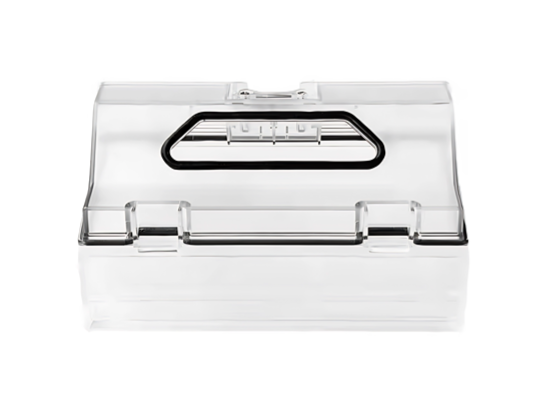
1. Automatic sweeper
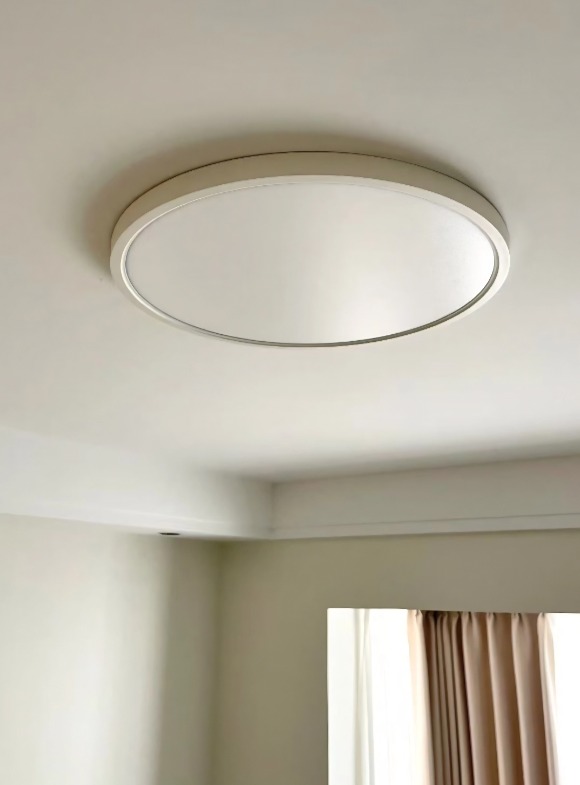
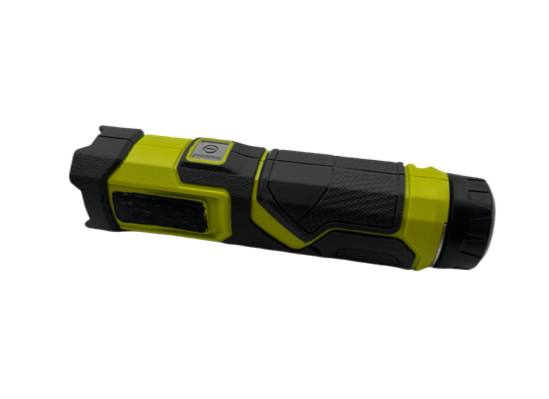
2. Lighting fixtures
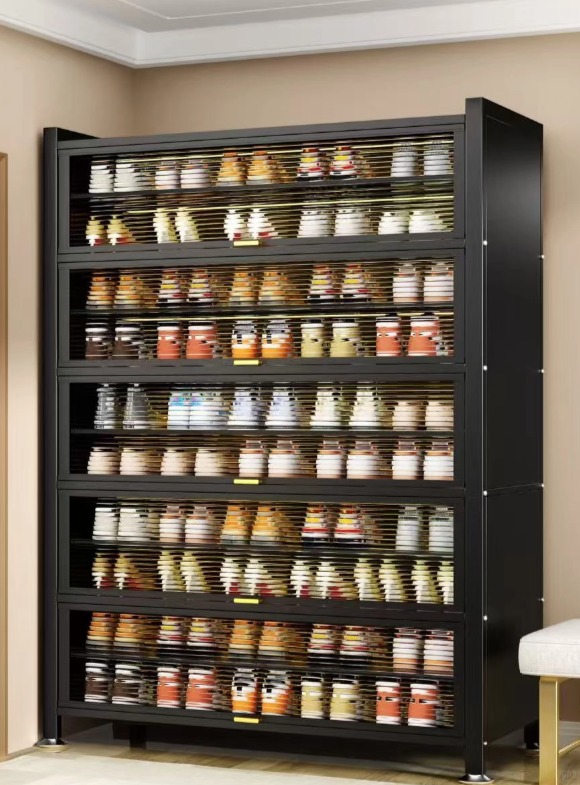
3. Shoe rack
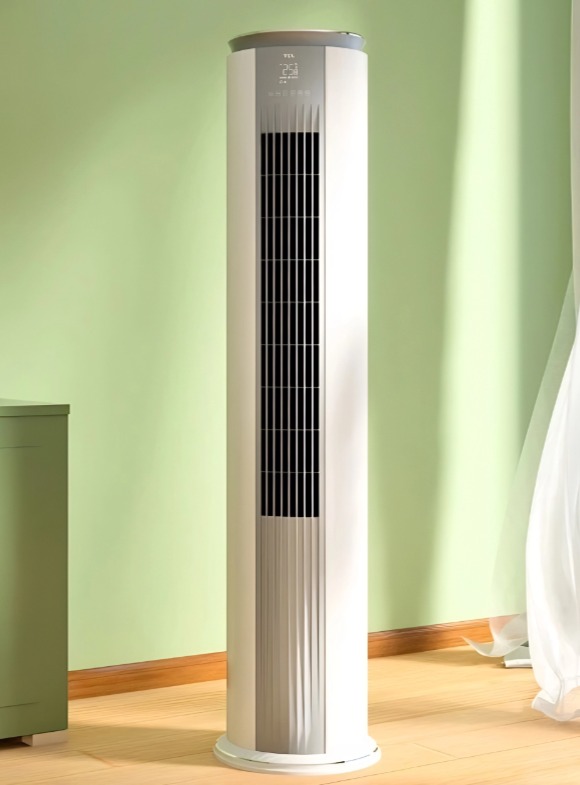
4. Air conditioner
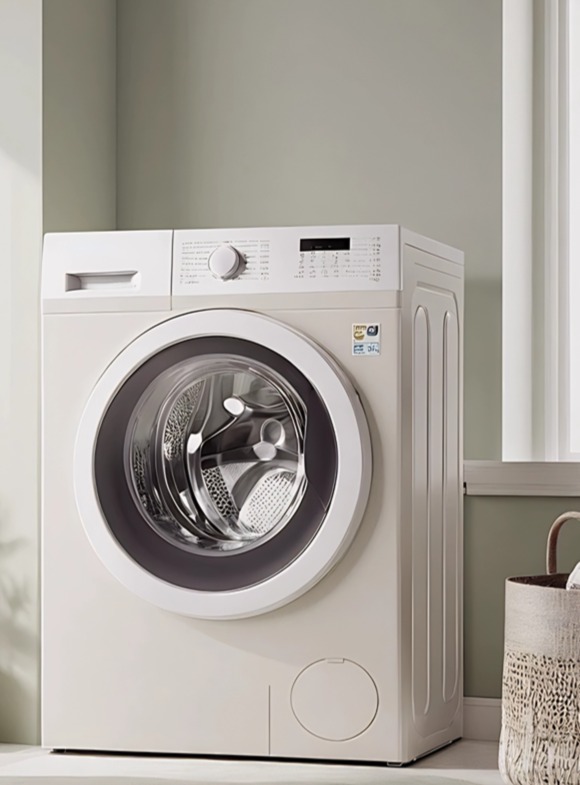
5. Washing machine
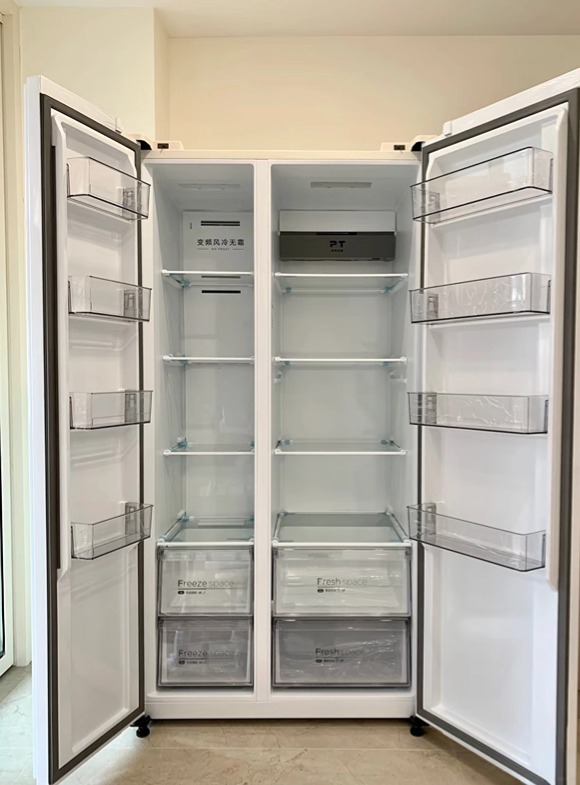
6. Refrigerator
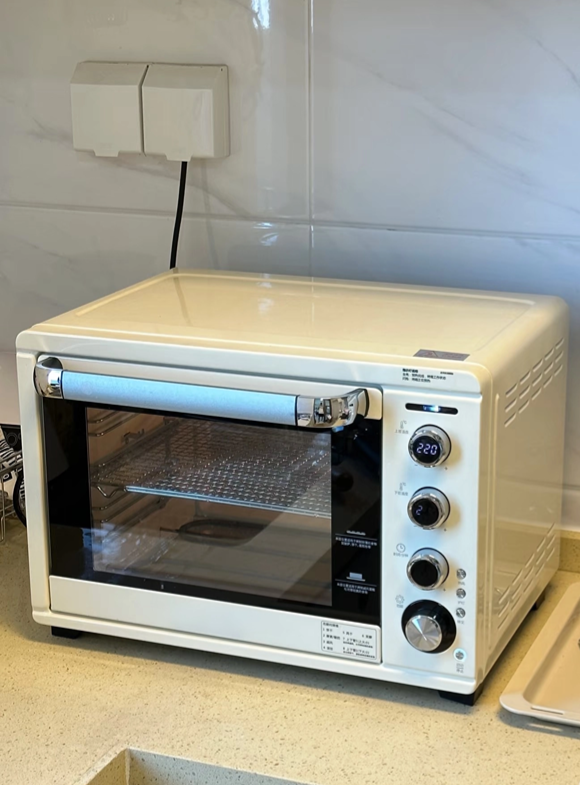
7. Electric oven
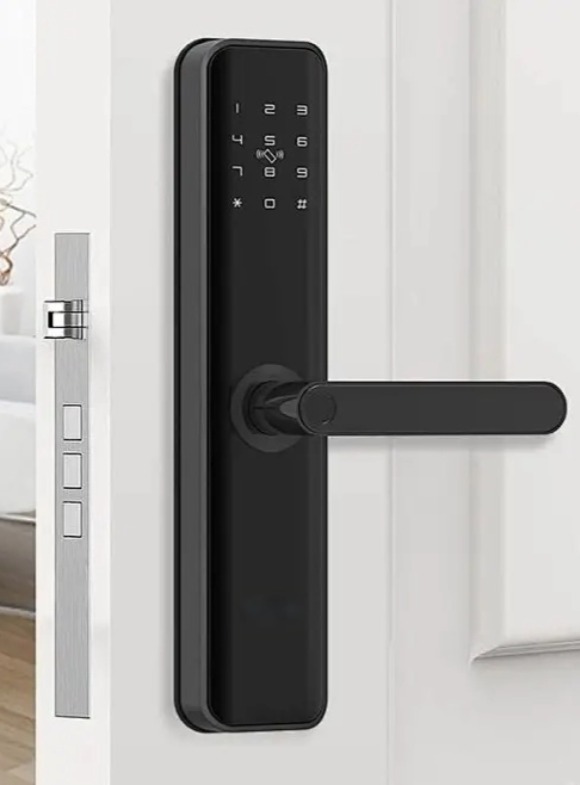
8. Electronic door lock
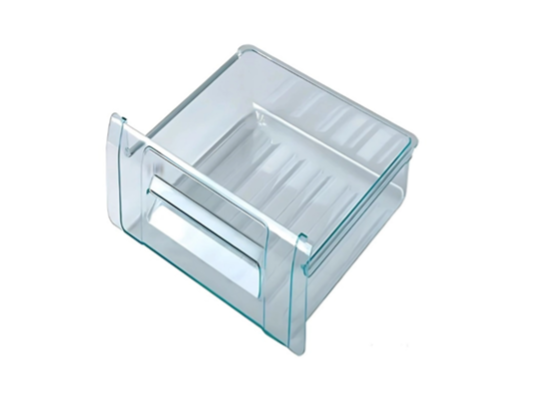


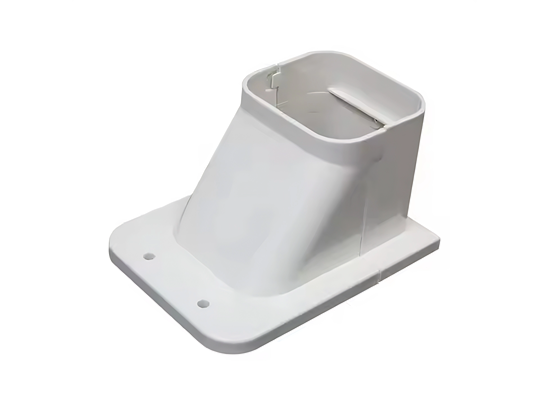




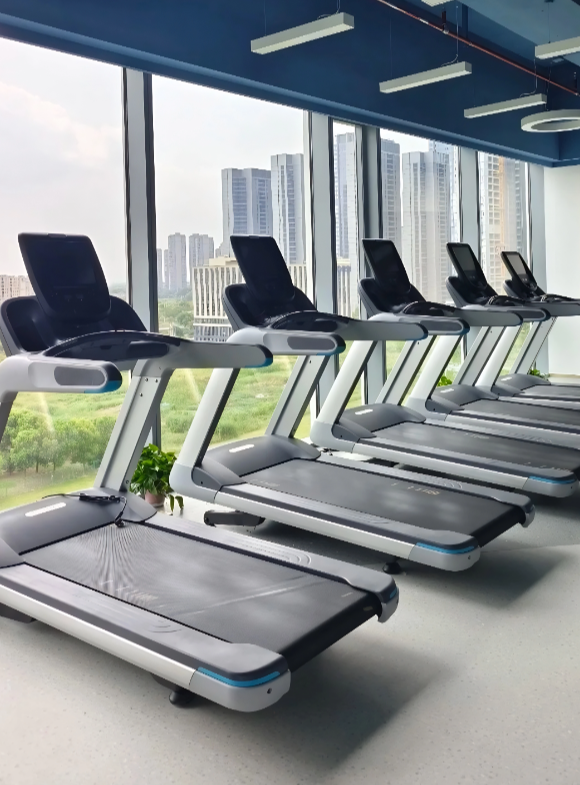
1. Treadmill

2. Indoor cycling bike
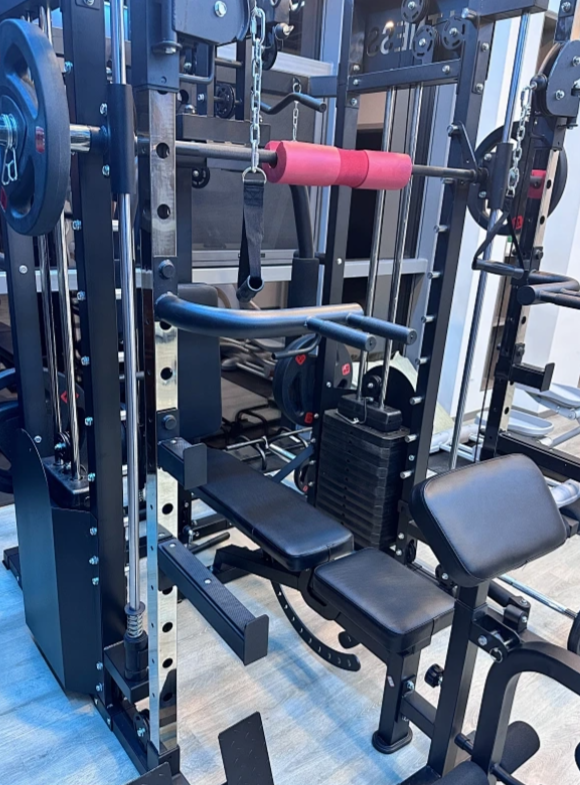
3. Multi-functional trainer

4.Smart Cordless Skipping Rope
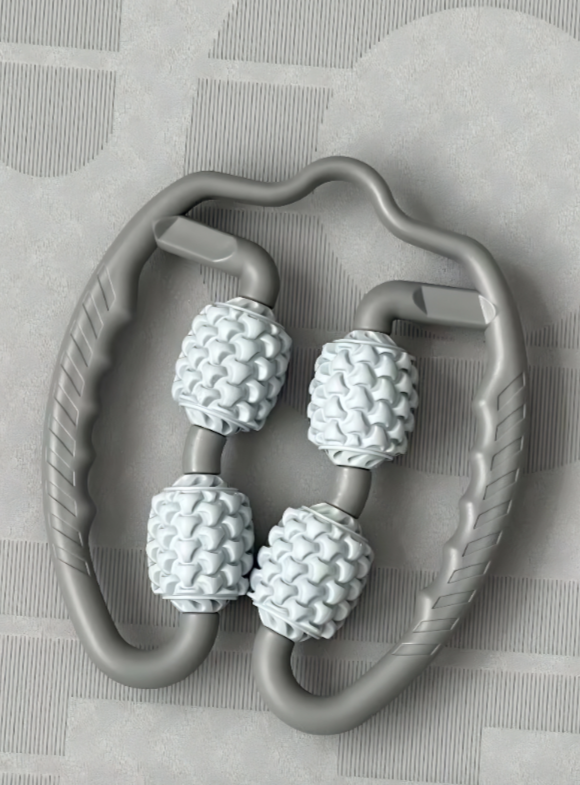
5.Circular Leg -Clamping Massager
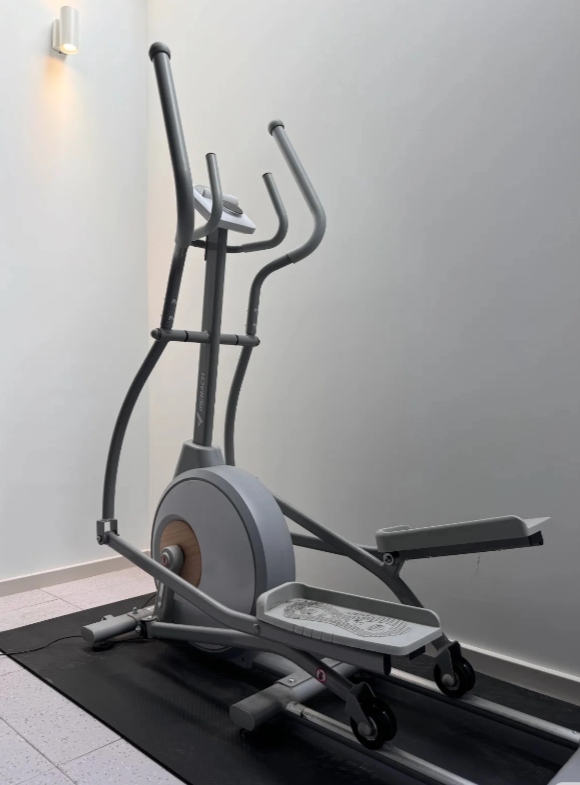
6.Elliptical machine
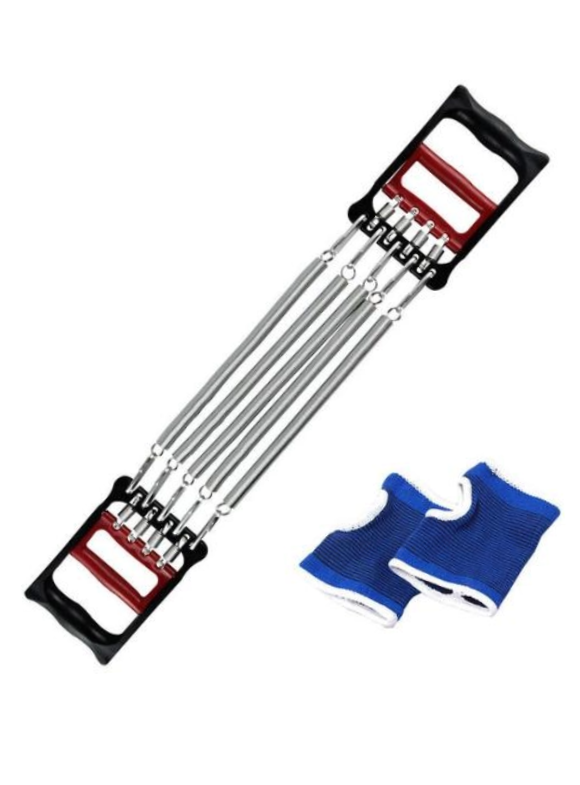
7. Spring -loaded pull exerciser
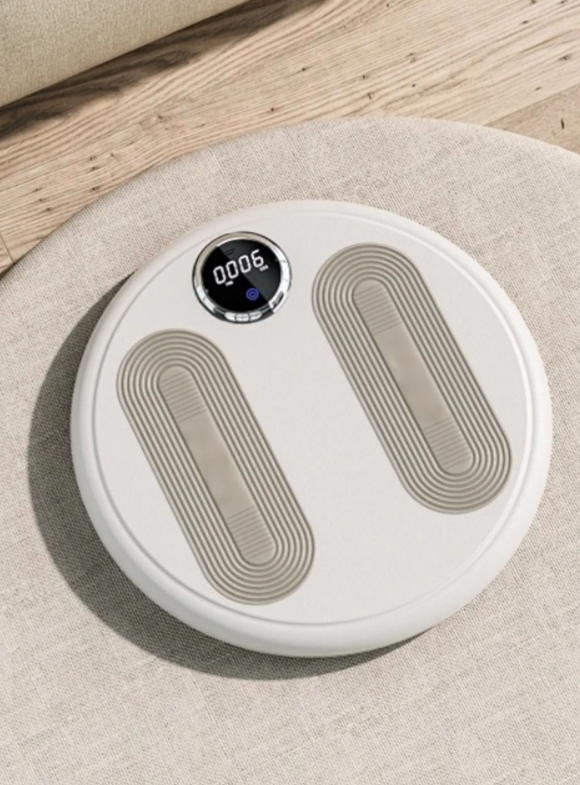
8. Waist Twisting Machine
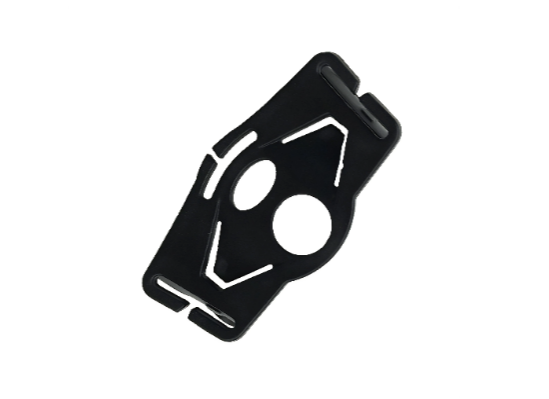
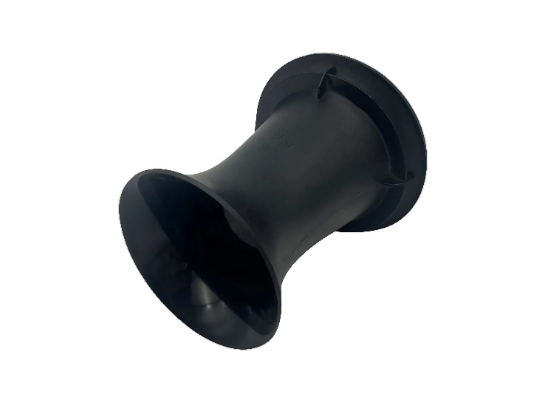

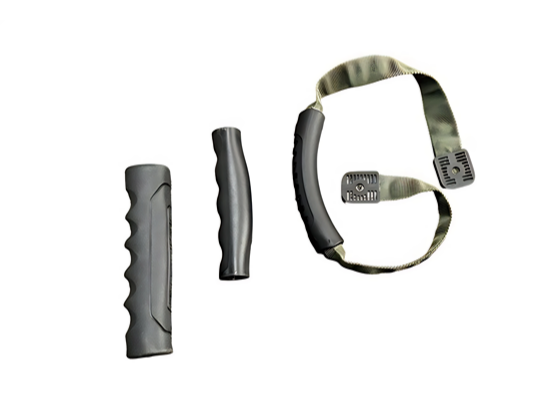

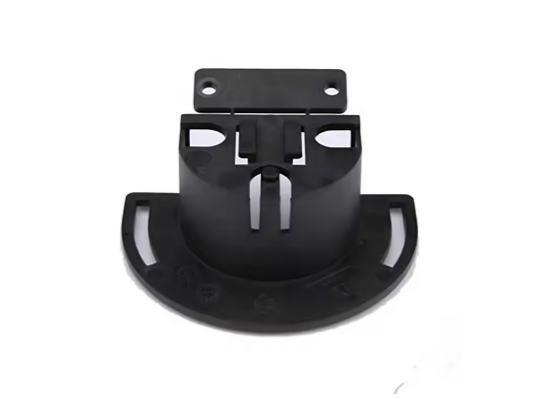
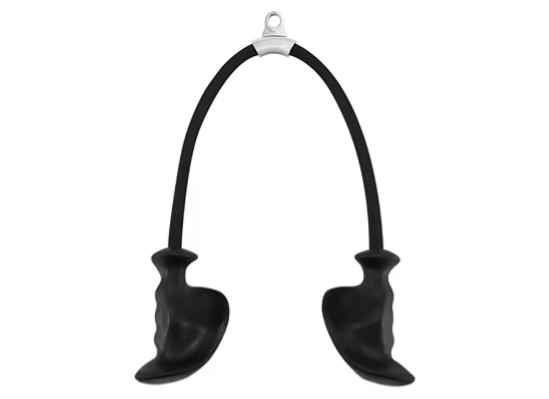
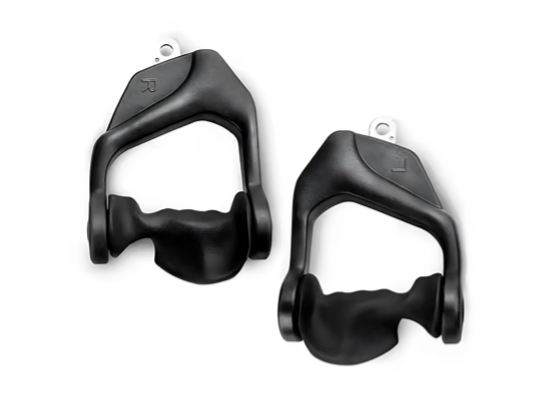

1. Labware Equipment

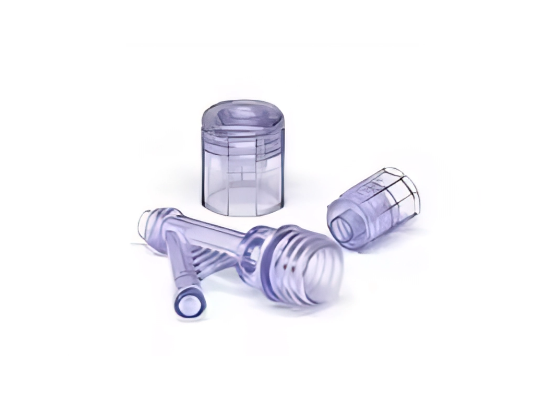
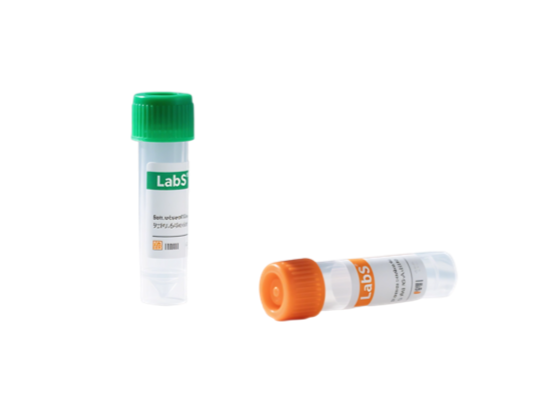
2. Diagnostic Disposables
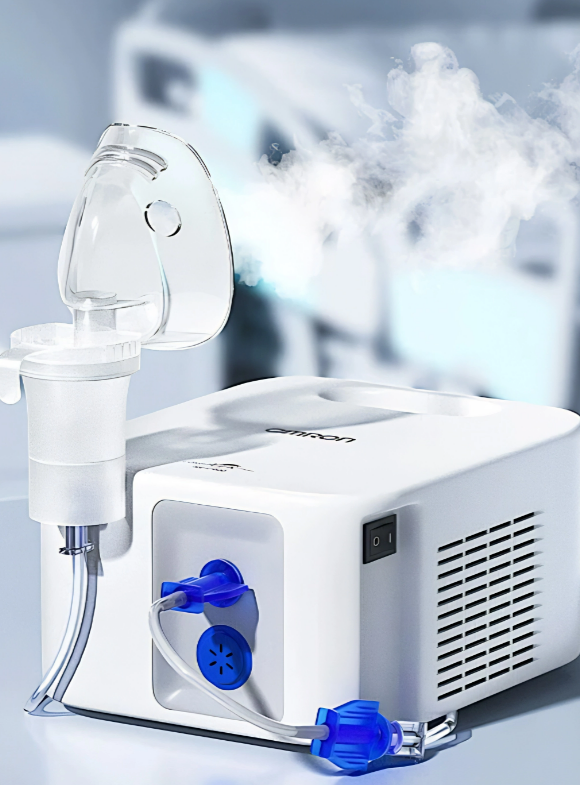
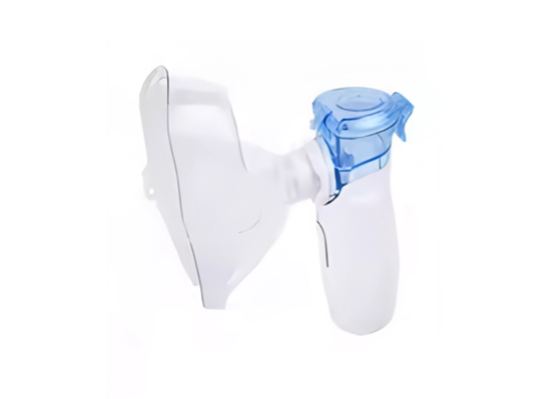
3. Atomizer
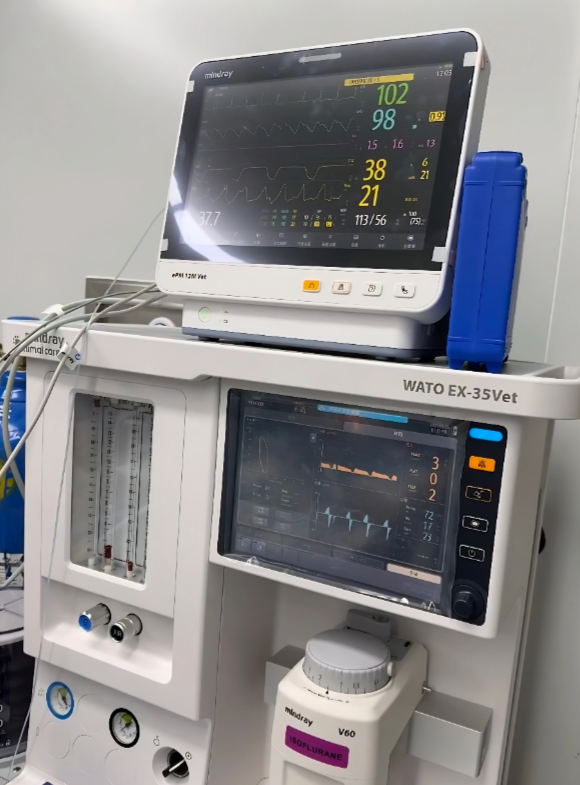
4. Detection Equipment
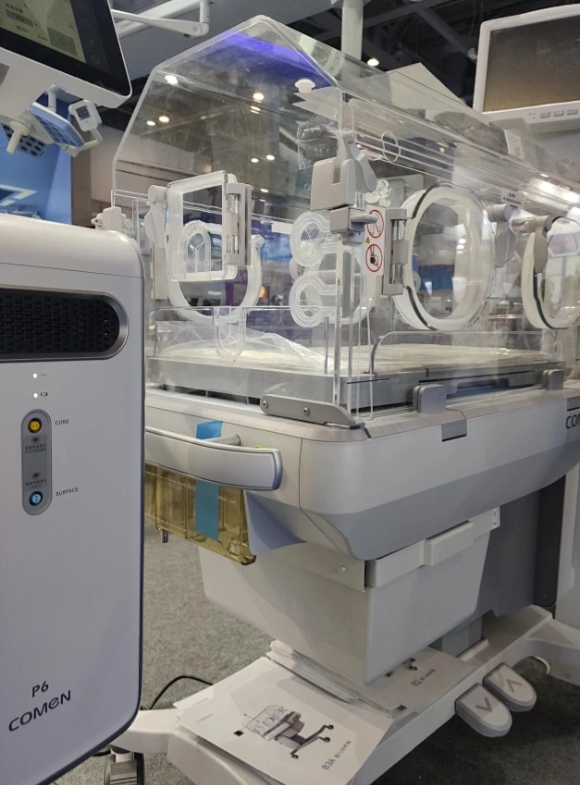
5. Neonatal Care

6. Blood pressure monitor

7. Drug Delivery Devices
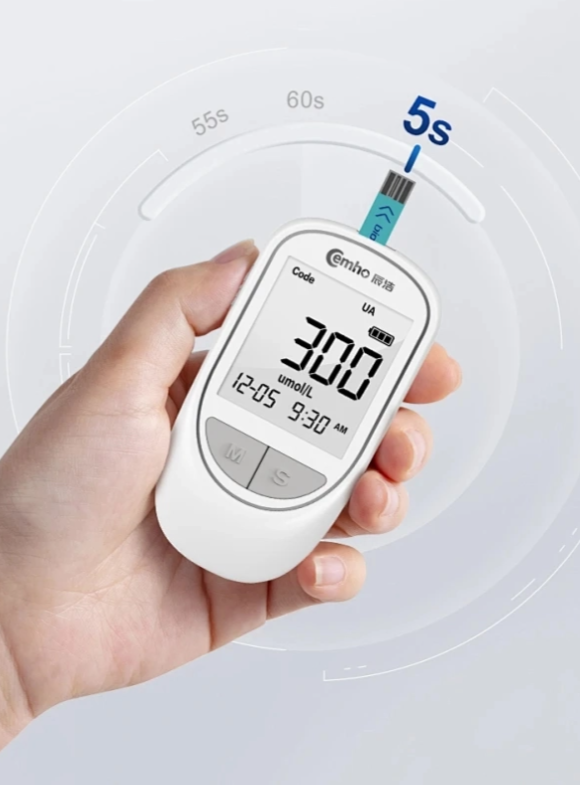
8. Blood Glucose Meter





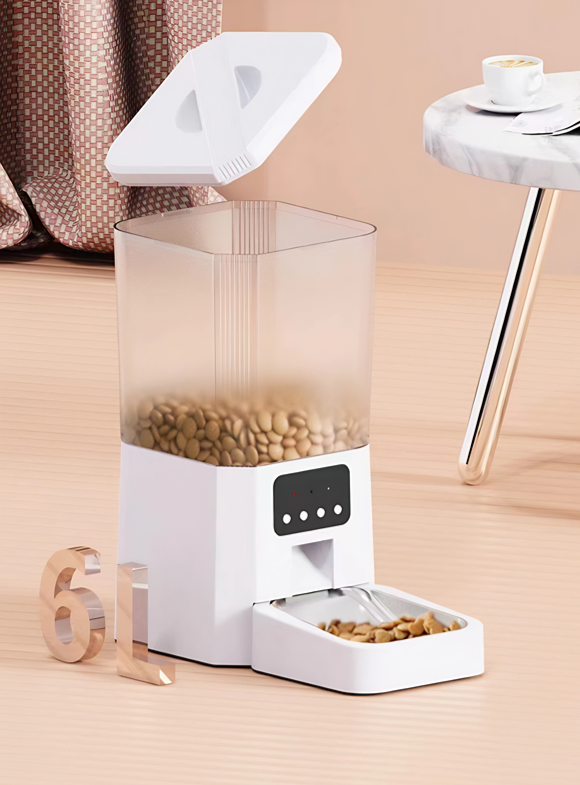
1.Automatic Feeder Shell

2.Feeder Shell
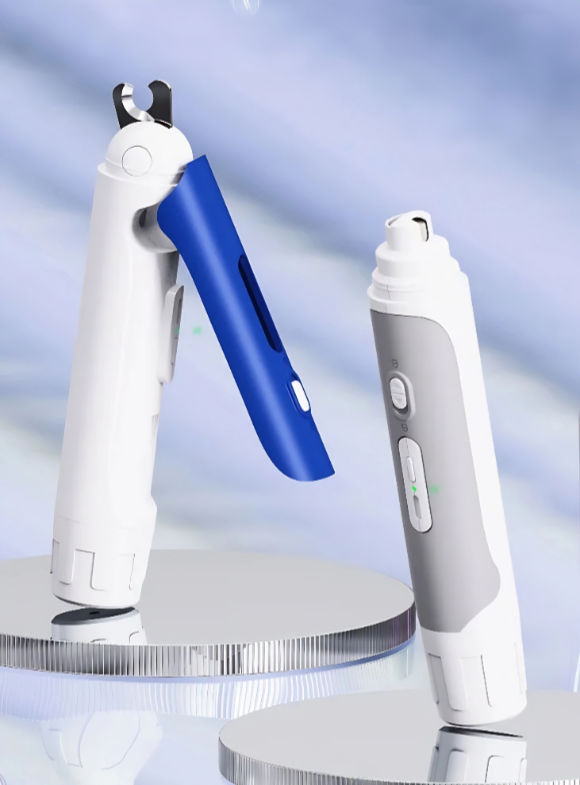
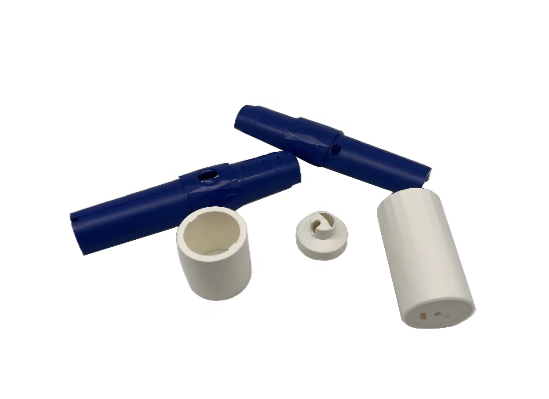
3.Claw Grinder Shell
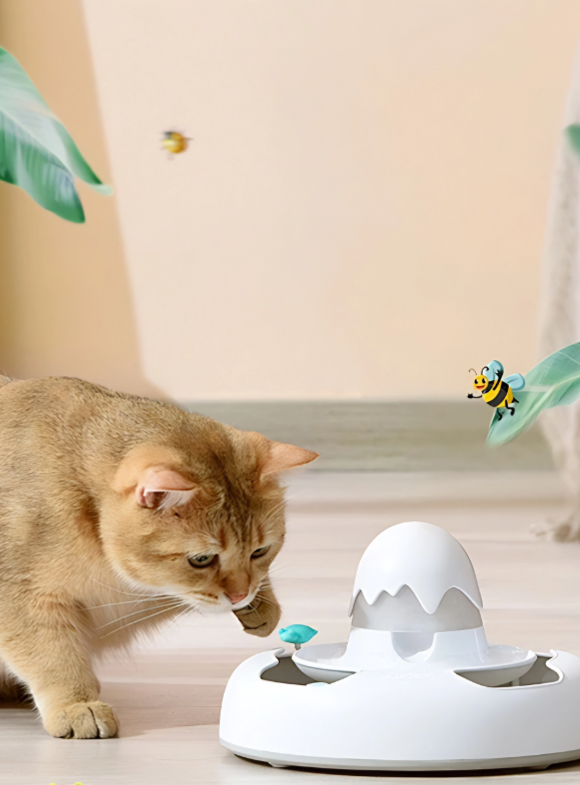
4.Game Console Shell
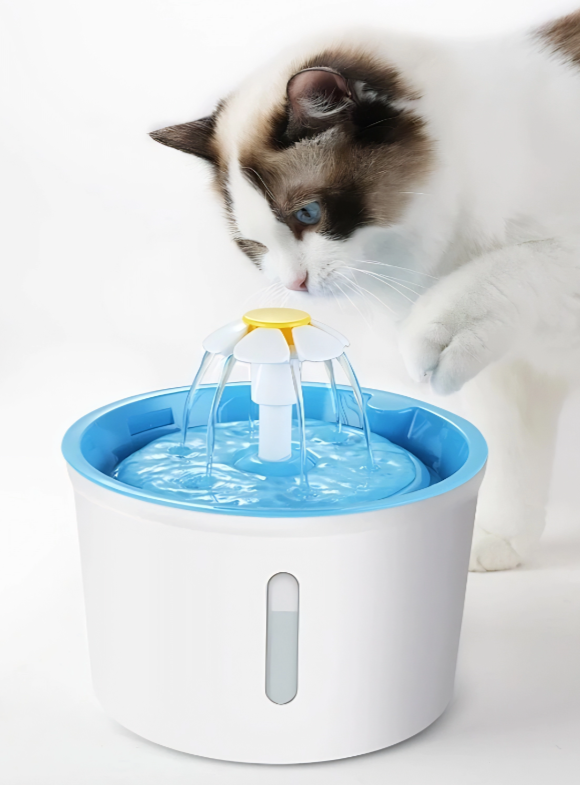
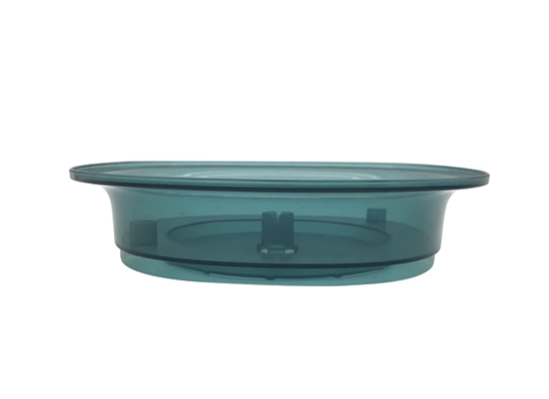
5.Pet water fountain Shell

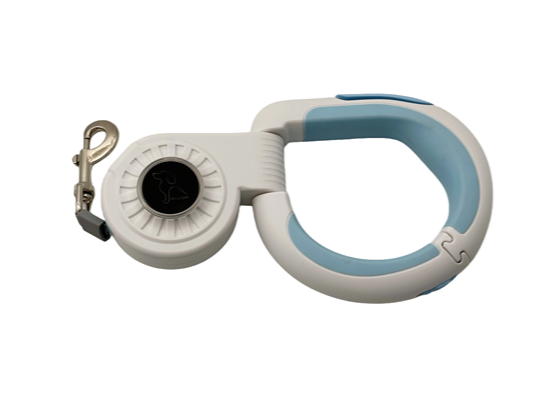
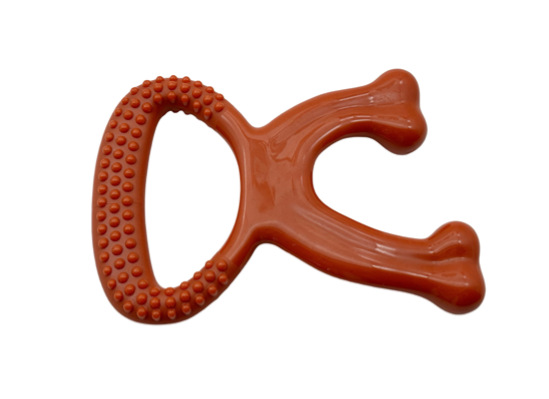
6.Leash Shell

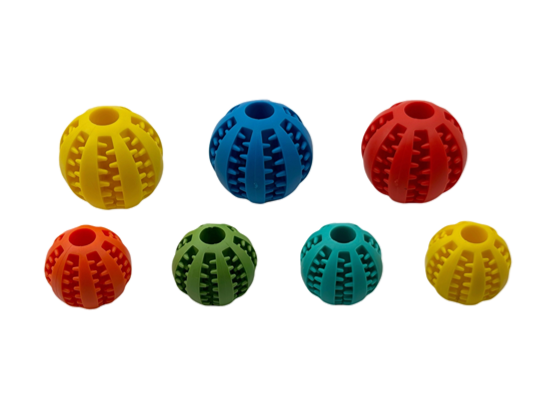
7. Plastic Toy Ball

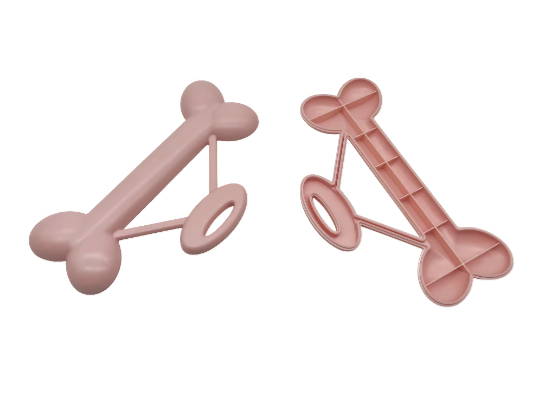
8. Cage Plastic Accessories



Materials
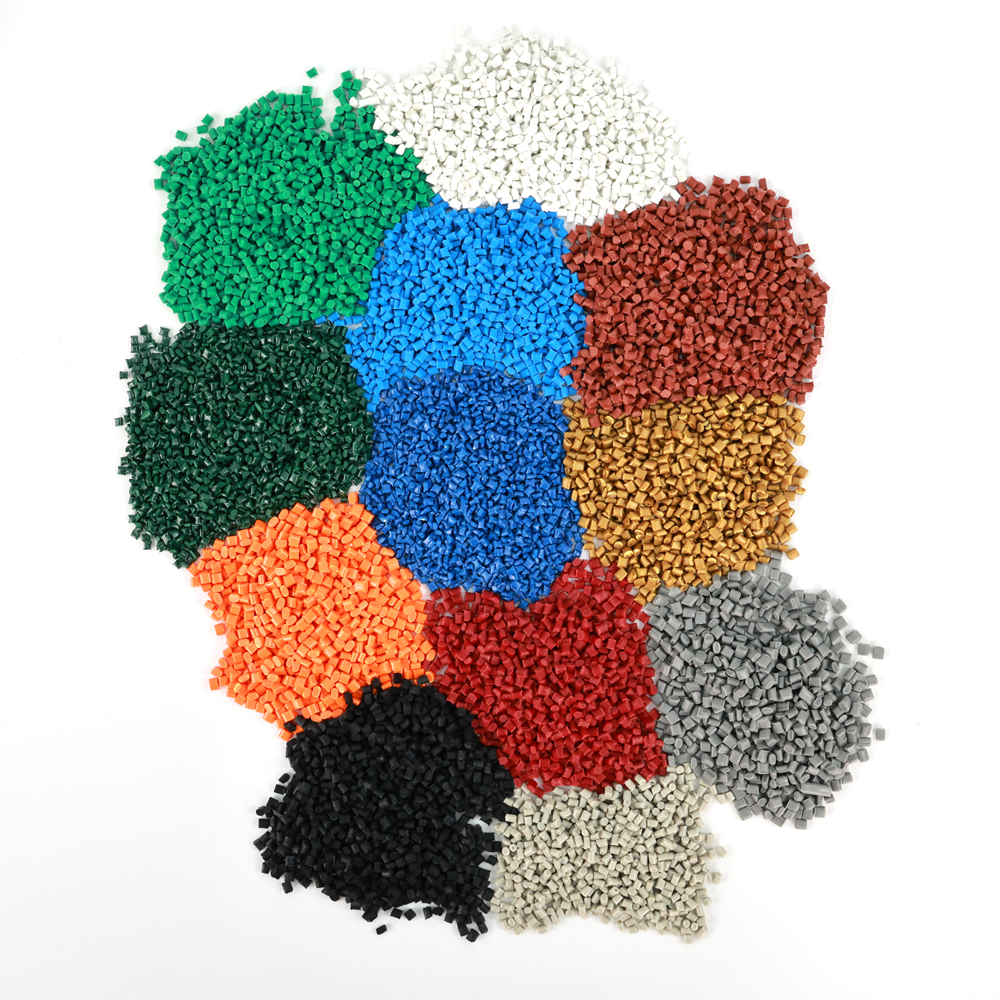
Select resin grades that match cycle time, wear, heat, moisture, and inspection requirements.
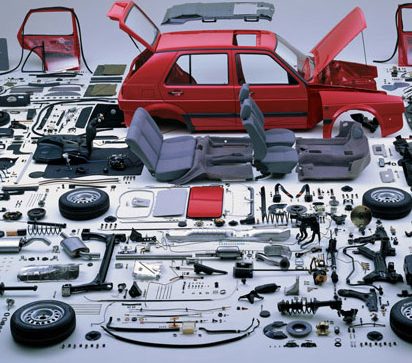
Surface Finishes
Plan texture, coating, marking, and cosmetic requirements around the automated handling process.
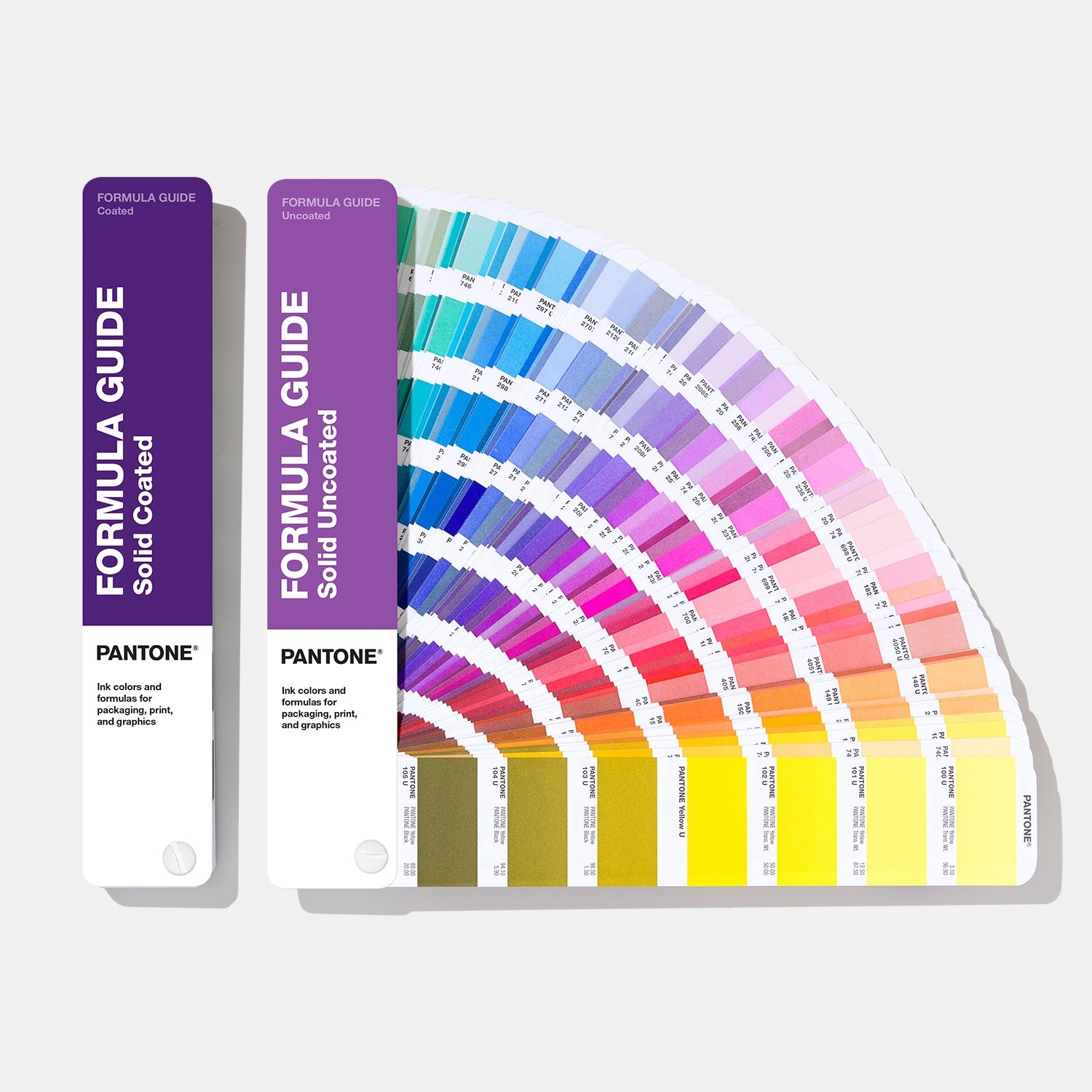
Color & Part Identification
Define color matching, laser marking, labels, or traceability features before production validation.