
Services
Custom CNC Plastic Parts
CNC Machining for Custom Plastic Parts
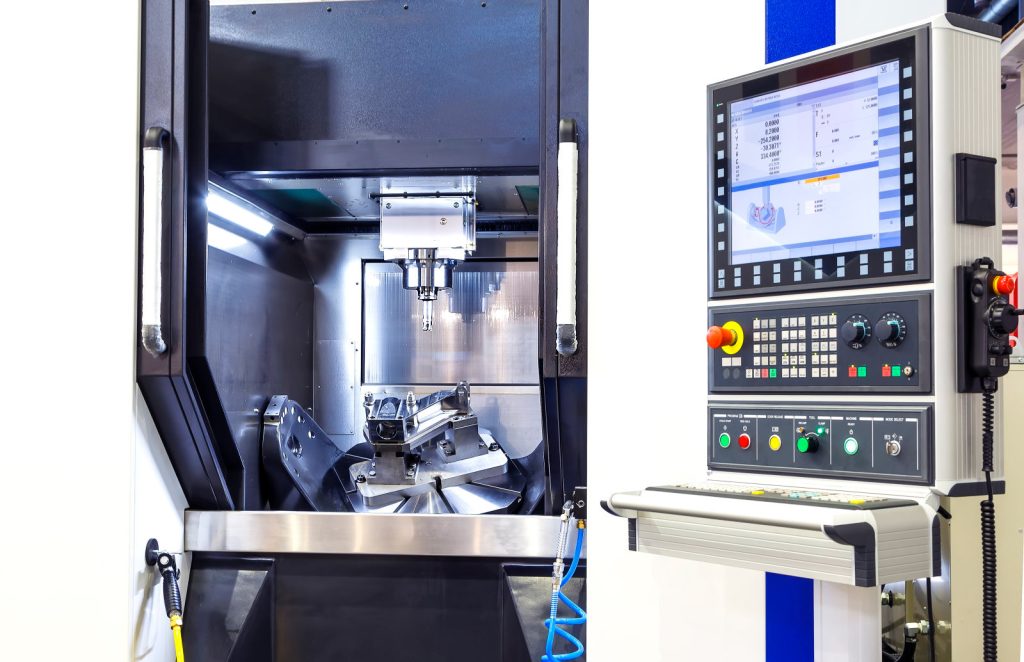
CNC machining removes material from a workpiece using programmed toolpaths derived from a CAD model and drawing. It is suited to prototypes, low-volume parts and repeat production when the geometry, material and inspection plan can be confirmed before machining.
For plastic parts, the review also considers stock form, material condition, moisture behavior, reinforcement, workholding, tool access, datum strategy, wall section and surface requirements. Milling, turning, EDM and secondary operations are confirmed from the submitted files rather than assumed from a generic capability list.
The quotation records the confirmed process route, material, quantity, critical dimensions, inspection scope, secondary operations and delivery basis for that project.

CNC Materials, Tolerances and Inspection
Use the exact material specification, 3D model and revision-controlled drawing as the basis for review. The requested stock, dimensions, tolerances and inspection method are confirmed together before a machining commitment is made.
Engineering plastics
Our CNC materials guide covers Nylon PA6/PA66, POM/acetal, PEEK, PTFE, PC and ABS. Exact grade, color, reinforcement and availability are confirmed for the quoted project.
Compare CNC machining materialsStock form and condition
State whether the part should be machined from plate, rod, tube or another blank, together with the required grade, condition, color and reinforcement.
Inspection and documents
Identify critical dimensions, sampling, first-article needs, material documents and the required report format before quotation.
Drawing-based capability review
| Review item | Project-specific confirmation |
|---|---|
| Tolerances and GD&T | Evaluated from geometry, material, wall section, datum scheme, setup and inspection method. The quotation states the confirmed limits. |
| Part size and workholding | Confirmed after reviewing the model, stock form, clamping access, tool reach and the proposed setup. |
| Material | Specify the exact grade, condition, color or reinforcement. Stock availability and machining considerations are confirmed during quotation. |
| Surface and secondary operations | State roughness, cosmetic direction, coating, marking, heat treatment or assembly requirements so compatibility can be reviewed. |
| Inspection documents | Identify critical dimensions, sampling, first-article, material-document and reporting requirements before the quote is finalized. |
| Quantity and delivery | Provide prototype and production quantities plus the required date. Setup, inspection, material and outside-process timing are quoted for that scope. |
Inspection scope to define in the RFQ
- Critical dimensions: datums, tolerances, GD&T and measurement method.
- Project documents: material records, dimensional results, first-article or custom report requirements.
- Secondary work: deburring, surface finish, coating, marking, assembly and packaging expectations.
CNC Machining Routes by Part Requirement
Process, equipment, inspection and delivery assumptions are confirmed after drawing review.
CNC Milling Project Review
CNC Turning Project Review
EDM Requirement Review
Gear Manufacturing Review
Production Machining Planning
CNC Plastic Machining FAQ
Send a 3D model and a revision-controlled 2D drawing where possible. Include units, material grade, quantity, critical tolerances and datums, surface or cosmetic requirements, inspection documents and the required delivery date.
The route is selected from geometry, material, tool access, workholding, quantity, inspection and secondary-operation needs. Milling, turning, EDM and other operations are confirmed only after the submitted files are reviewed.
Specify the exact grade and condition rather than only a generic material family. Stock form, availability, dimensional stability, heat sensitivity, reinforcement and required documentation are reviewed before the material is confirmed in the quotation.
Tolerance feasibility is part-specific. Geometry, wall section, feature depth, material behavior, setup count, datum strategy and inspection method all affect the result. Put every critical requirement on the drawing; the quote should identify confirmed limits and assumptions.
Maximum size depends on the selected equipment, stock, workholding, travel, tool reach and inspection access. Send the complete model and drawing so the actual envelope and setup can be checked instead of relying on a generic size claim.
A solid 3D model plus a 2D drawing is the most useful combination. STEP and PDF are commonly practical exchange formats, but include the native format when relevant and confirm the accepted file set during quotation.
Lead time depends on material availability, programming, setup count, machining time, outside processes, inspection and quantity. The quotation should state the delivery basis for the submitted scope; this page does not promise a universal standard or rush lead time.
Identify critical dimensions, applicable drawing standards, sampling or first-article needs, material documents and any required report format. Measurement method and reporting scope are then confirmed in the quotation.
Call out deburring, coating, marking, heat treatment, assembly, masking, cosmetic and packaging requirements on the RFQ. Process availability, supplier route, inspection and handling assumptions are confirmed for the project.
Material and stock size, removed volume, setup count, tool access, machining time, tolerance, surface requirements, inspection, secondary operations and quantity are the main cost drivers. A complete file set produces a more comparable quotation.
Upload Drawing for CNC Review
Share the model or drawing, exact material grade, quantities, critical dimensions, inspection requirements and target date. We can then confirm the feasible process route and the assumptions behind the quotation.
- 3D model and revision-controlled 2D drawing
- Material grade, condition, color or reinforcement
- Prototype and production quantities
- Critical tolerances, datums, finish and inspection documents