
Fitness Equipment Project Review
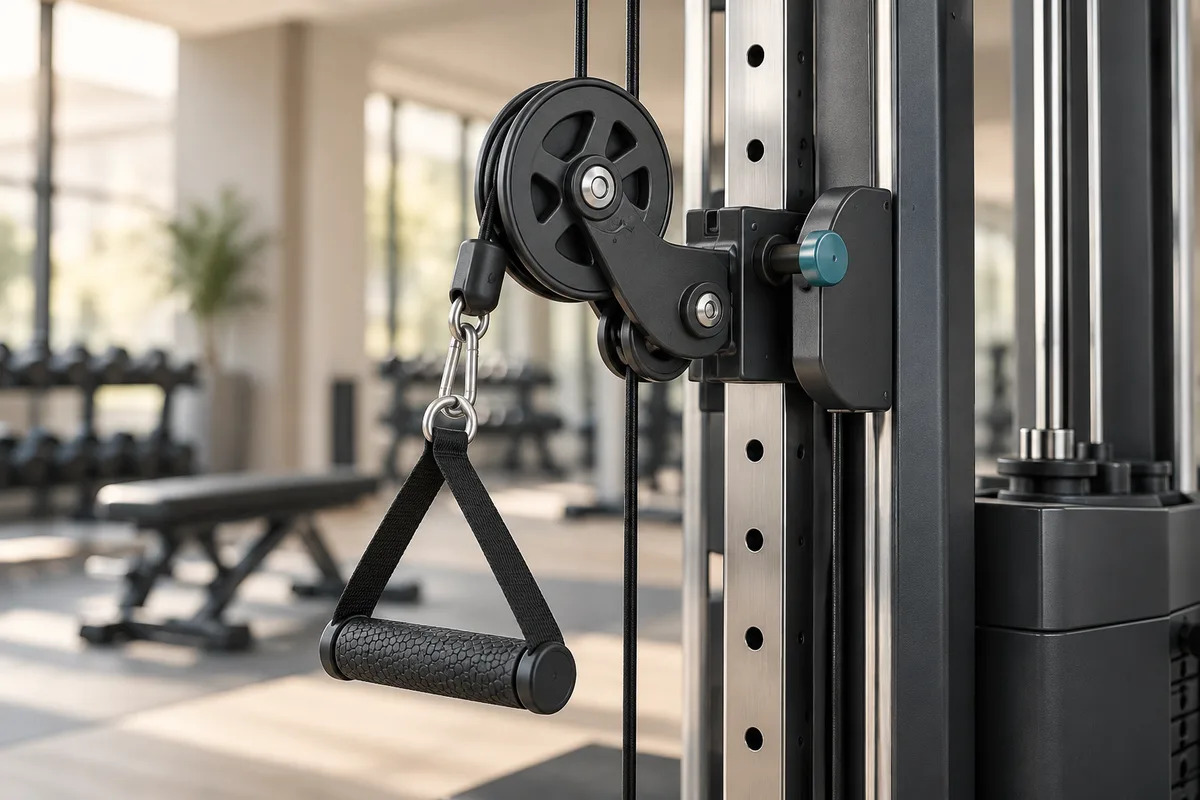
A cable pulley needs its groove, bearing or shaft interface and operating load defined. A cover or adjustment component may depend more on impact, retention and access during servicing.
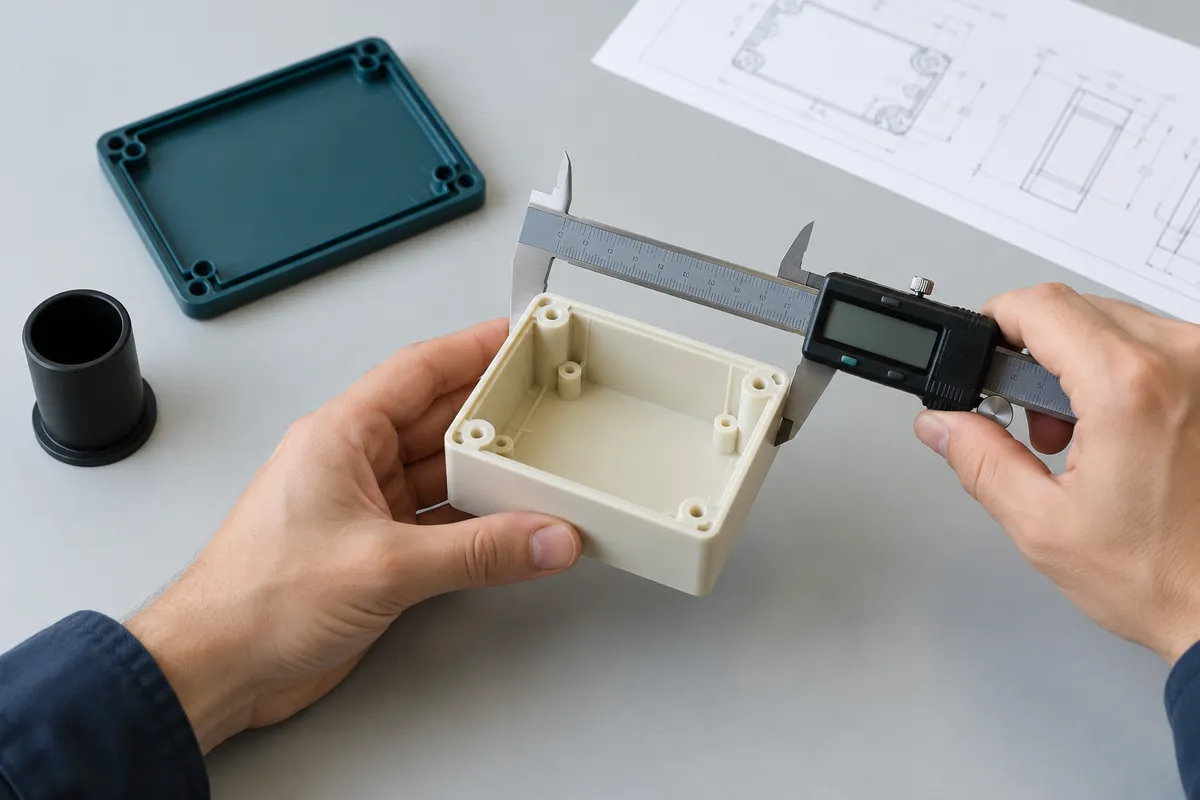
Include the assembly, cycling expectations and cleaning exposure, with dimensions and functional checks that will decide whether the sample is acceptable.
Rollers & Bushings
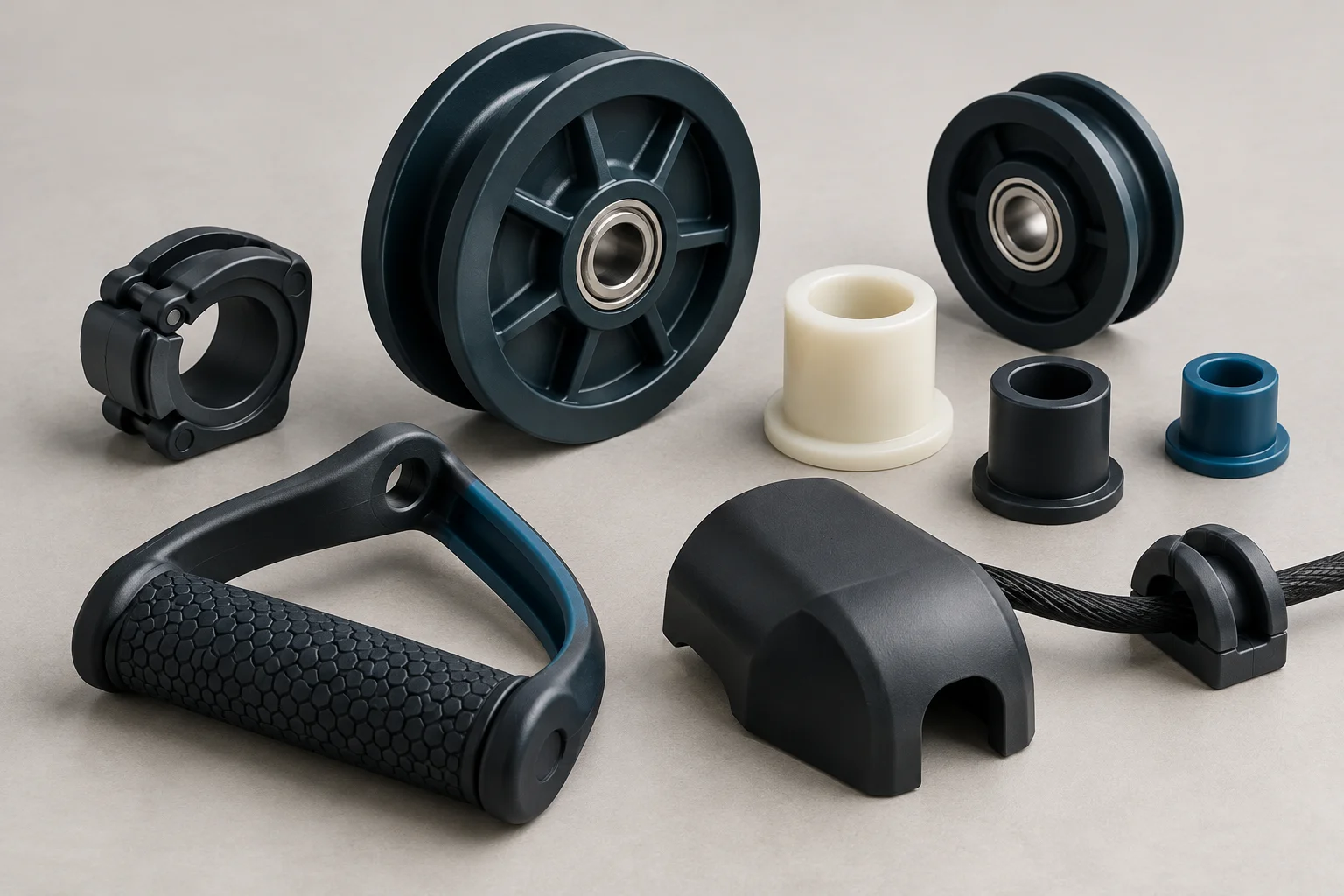
For rollers and bushings, define contact surfaces, loads, speed, lubrication and replacement intervals. Include mating shafts or bearings and required clearances.
Handles & Grips
For handles and grips, describe user contact, attachment, cleaning exposure and repeated loading. Agree the fit and surface checks on assembled samples.
Guards & Covers
For guards and covers, mark access openings, fasteners, clearances and impact-prone areas. Provide the installation context and expected maintenance access.
Cable Guides
For cable guides, specify cable size, direction changes, repeated contact and retention. Include the cable route and surfaces that need wear review.
Adjustment Components
For adjustment parts, describe locking positions, operating force, retention and expected adjustment cycles. Identify the interfaces that control repeatable movement.
Custom Fitness Parts
For custom fitness components, explain the equipment type, user interaction and duty cycle so material and geometry are evaluated against the intended role.
Repeated Loads, Wear and Cleaning Exposure
Repeated loading and wear
Provide the maximum and repeated loads, movement speed, counterface and duty cycle. Identify whether acceptance depends on deformation, wear, noise, retention or appearance so sample evaluation addresses the relevant failure modes.
User contact and cleaning
Describe sweat, cleaning products, handling and any outdoor exposure. Agree grip or touch requirements, surface finish and the condition in which appearance and fit will be checked.
Assembly and replacement
Show fasteners, shafts, bearing seats and adjustment interfaces. Define which parts are serviced or replaced and which dimensions must remain interchangeable across repeat orders and drawing revisions.
Developing Parts for the Fitness Assembly
Fit and movement review
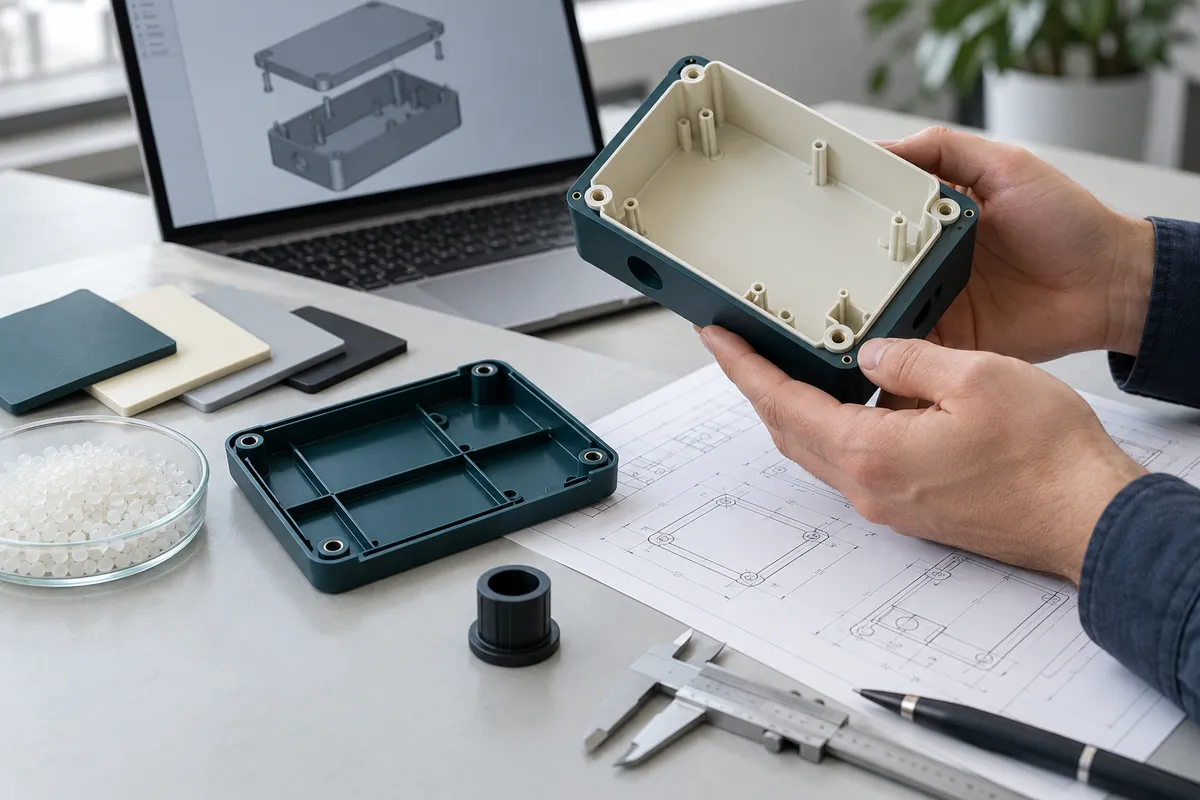
Review CAD and representative assemblies before choosing a prototype route. Agree the tests a development sample supports and the production-material checks still required.
Tooling and sample trials
Review wall sections, ribs, bearing seats and fastening features with the proposed grade. Define representative load, movement, cleaning and assembly trials.
Repeat supply
Confirm the approved grade, drawing and sample references together with inspection and identification requirements. Include expected replacement demand in the production discussion.
Load, Fit and Sample Acceptance Records
- Drawing and mating shaft, cable or equipment details
- Load, movement, cleaning and exposure requirements
- Trial method and agreed pass criteria
- Approved grade, sample references and replacement identification
Confirm the records available for the exact material, manufacturing entity and quoted order. Review material and certificate document guidance.
Preparing a Fitness Component Inquiry
- Equipment type and component drawing
- Loads, speed and expected use cycles
- Contact surfaces and lubrication conditions
- Cleaning products and environment
- Assembly, service and replacement requirements
- Sample quantity and expected demand
If the grade is still open, request a material selection review with the service conditions and target properties.
Questions About Fitness Equipment Plastic Parts
Can a material be chosen from the part name alone?
A roller, grip or cover can have very different duties across machines. Provide the contact surfaces, loading, environment and acceptance criteria so the material review addresses the intended component.
How should a wear-part inquiry be prepared?
Include the mating material, dimensions, speed, load and lubrication, plus an explanation of any existing wear or noise problem. Agree a representative trial rather than relying on a visual match.
Can replacement parts remain interchangeable over time?
Define the controlled drawing, grade, inspection dimensions and identification requirements. Replacement consistency depends on an agreed reference and change process, so include the existing assembly and service needs in the review.
Materials
Surface Finishes