
Services
Mold Design and Mold Making Services
Mold Design Decisions Reviewed Before Tooling

Design for Stable Production
Mold design starts with the part geometry, resin, volume, surface requirements, critical dimensions, and the molding route. A DFM review can identify questions before steel is cut.
The review may cover parting line, draft, wall sections, gates and runners, cooling, venting, ejection, shrinkage, and cosmetic zones. Applicable findings are documented for client review before mold fabrication.
Tooling Scope and Project Controls
The tooling plan is defined from the approved design and quotation rather than a generic capability list.
- Fabrication plan: mold material, inserts, machining, finishing, and purchased components are identified for the project.
- Inspection plan: critical tooling and sample requirements are linked to the supplied drawing.
- Change control: revisions, cost, timing, and approval status are recorded before changes proceed.
- Lifecycle planning: ownership, maintenance, spares, storage, and repair expectations are confirmed where required.


Production Tooling Planning
Production volume, part geometry, resin, finish, sampling, and maintenance expectations drive the mold configuration.
- Configuration review: cavitation, runner, gate, insert, and ejection approaches are evaluated for the part.
- Risk review: filling, cooling, venting, warpage, and cosmetic risks are discussed before design approval.
- Trial plan: sample quantity, inspection, feedback, and correction rounds are defined for the project.
- Quoted scope: schedule, documentation, support, and exclusions are confirmed in writing.
Mold Design and Mold Making FAQ
Send the 3D model and a revision-controlled 2D drawing where possible. Include the resin grade, expected annual and order volume, critical dimensions, finish or texture, inspection needs, target timing, and any existing tooling constraints.
The review can cover parting line, draft, wall sections, ribs and bosses, shrinkage assumptions, gate and runner strategy, venting, cooling, ejection, cosmetic zones, and likely molding risks. The applicable review scope is confirmed from the submitted part and project requirements.
Selection depends on resin behavior, reinforcement or additives, expected volume, surface requirements, corrosion or wear exposure, maintenance expectations, and the agreed tooling budget. Steel grade, inserts, cavitation, and runner approach are confirmed in the project quotation and design review.
Lead time depends on part complexity, cavitation, steel and component availability, machining and finishing scope, trial requirements, measurement, sample feedback, and engineering changes. The quotation should state the milestone schedule for the approved project scope rather than rely on a universal page promise.
The agreed route normally includes design approval, fabrication, assembly, a mold trial, sample review, measurement or inspection against the supplied requirements, and documented corrections where needed. The acceptance criteria and required records are set for the project.
Requested changes should be recorded against the current drawing or model revision. Their effect on tooling, samples, cost, and schedule is reviewed before work proceeds, and the updated scope is confirmed through written approval.
What the Mold Project Review Covers
A useful quotation defines the design inputs, tooling scope, approval points, and project-specific assumptions before fabrication begins.
DFM and Mold Design Review
Review the part and application before fixing the tooling concept.
- Parting line, draft, walls, ribs, bosses, and undercuts
- Gate, runner, venting, cooling, and ejection considerations
- Resin shrinkage, warpage, cosmetic zones, and critical dimensions
Tooling Plan and Quotation
Connect the mold configuration to volume, resin, finish, and maintenance needs.
- Mold material, inserts, cavitation, and runner approach
- Purchased components, machining, finishing, and assembly scope
- Milestones, samples, documents, responsibilities, and exclusions
Trial, Inspection and Change Control
Define how samples and revisions will be reviewed before production release.
- Trial conditions and sample quantity
- Dimensional, visual, assembly, and molding feedback
- Revision control, correction scope, and written approval
What Is Confirmed in the Quotation
Tool Scope
Configuration, material basis, operations, components, and exclusions.
Inspection
Critical dimensions, sample review, measurement, and report requirements.
Milestones
Design approval, fabrication, trial, feedback, correction, and release stages.
Records
Drawing revisions, approvals, change impact, and required project documents.
Technical support: review injection mold design principles, gate design options, and tool steel selection factors.
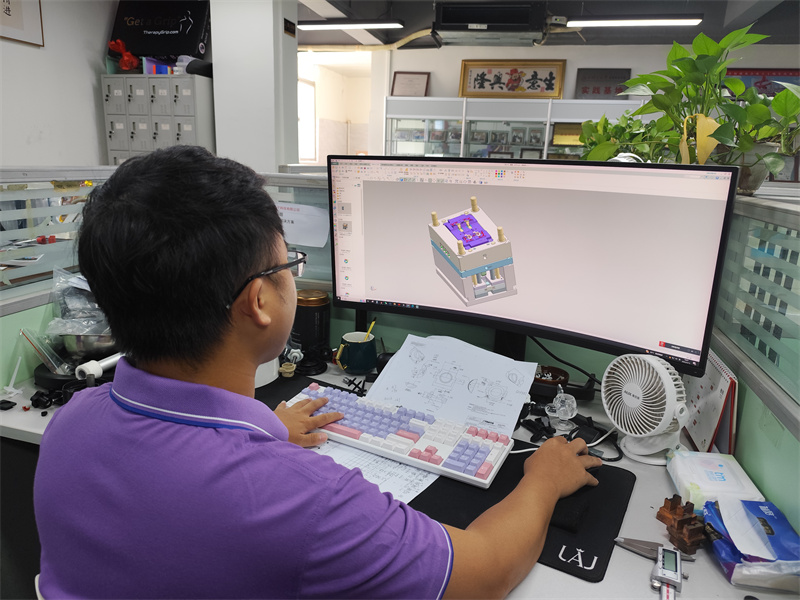
DFM and Tooling Risk Review
Review Outputs
Input gaps and drawing questions recorded before quotation.
Parting line, draft, gate, runner, and ejection considerations reviewed.
Cooling, venting, shrinkage, and visible-defect risks discussed.
Agreed findings and open decisions documented for approval.
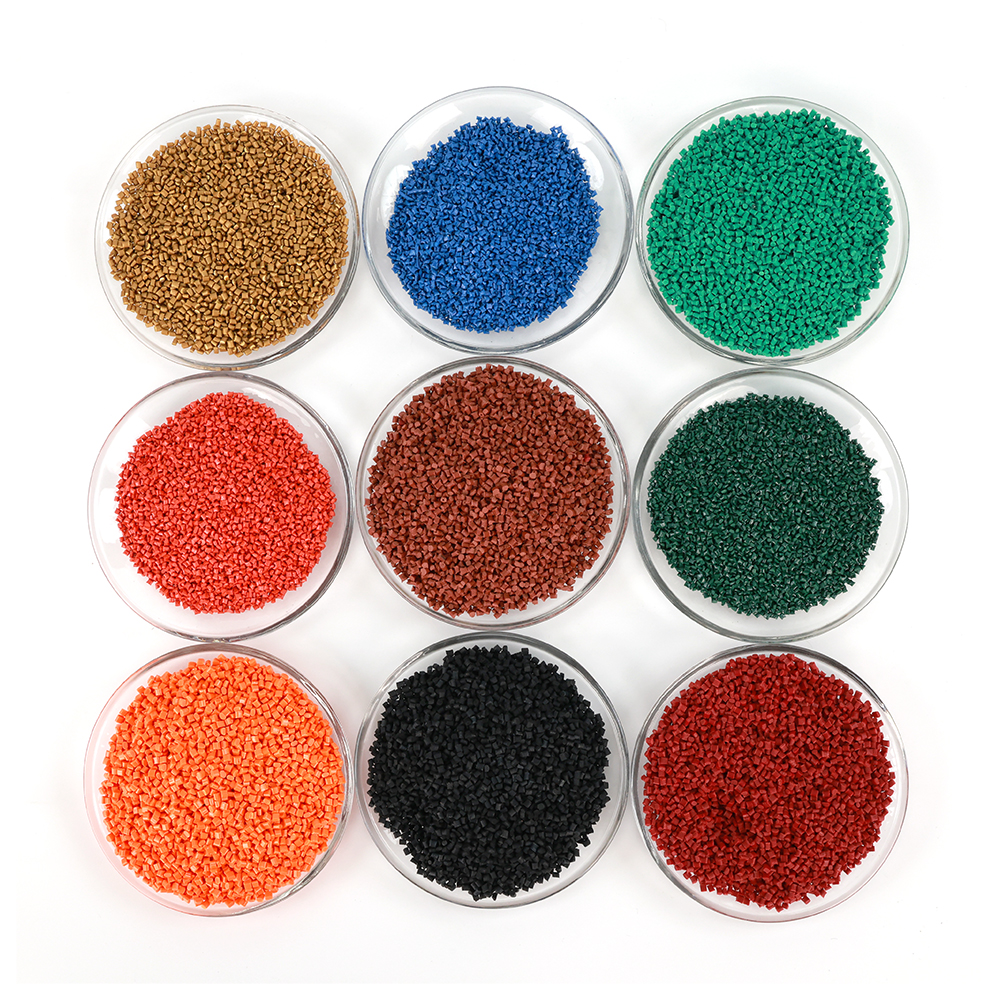
Material and Mold Compatibility Review
Review Inputs
Resin grade, reinforcement, additives, and color identified.
Temperature, chemical, moisture, wear, and cosmetic needs recorded.
Volume, tool-life expectation, maintenance, and budget considered.
Material documents and project-specific requirements confirmed.
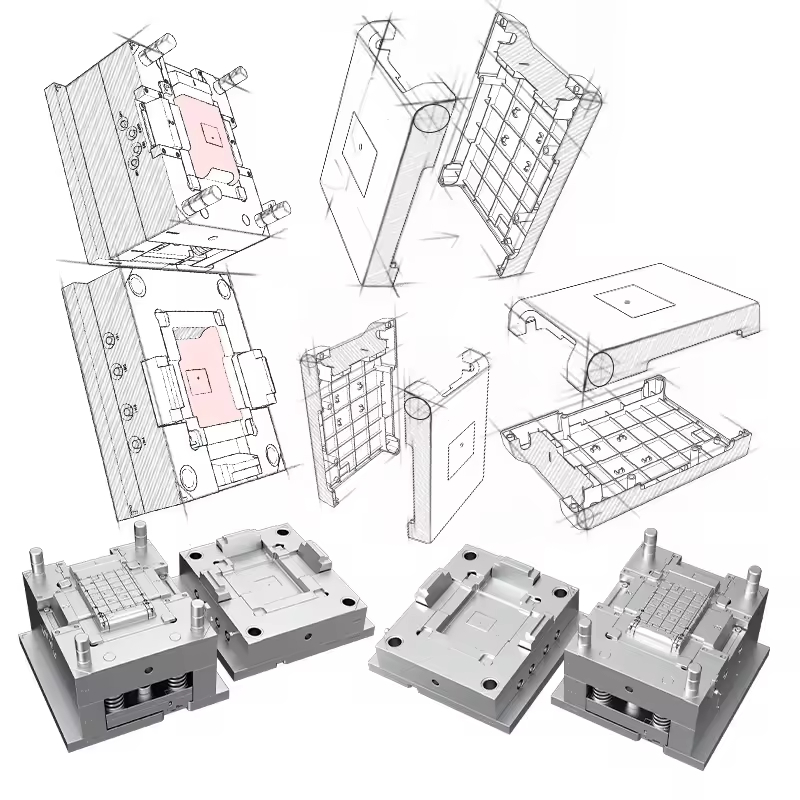
Mold Design and Configuration Review
Design Decisions
Cavitation, runner, gate, cooling, venting, and ejection approach reviewed.
Critical dimensions, datums, texture, and cosmetic zones identified.
Access, maintenance, replaceable components, and ownership discussed.
A revision-controlled design approved before fabrication begins.

Trial, Sampling and Change Control
Trial and Approval
Trial conditions and sample quantity agreed for the review stage.
Dimensions, appearance, molding issues, and assembly feedback recorded.
Tool and part changes tracked against approved revisions.
Production release based on documented acceptance criteria.
3-Step Process
How a Mold Project Moves Forward
The project moves through defined review and approval points. The exact milestones, responsibilities, sample requirements, and documents are confirmed in the quotation for the submitted scope.
Step 1: Requirements and Quotation
Step 2: DFM and Mold Design Approval
Step 3: Fabrication, Trial and Sample Review
Request a Mold Project Review
Share enough information to review mold-design scope and quotation assumptions.
- 3D model and revision-controlled 2D drawing
- Resin grade, color, reinforcement, and service environment
- Prototype, order, and annual volume expectations
- Critical dimensions, finish, inspection, and target schedule