
Medical Equipment Project Review
A monitor housing and a cleaned equipment cover face different conditions. Identify the device use, cleaning agents, temperature exposure and any patient-contact requirements for the specific component.
Include drawing datums, cosmetic references and required material records so the review addresses the part rather than a generic medical-grade claim.
Medical Device Housings
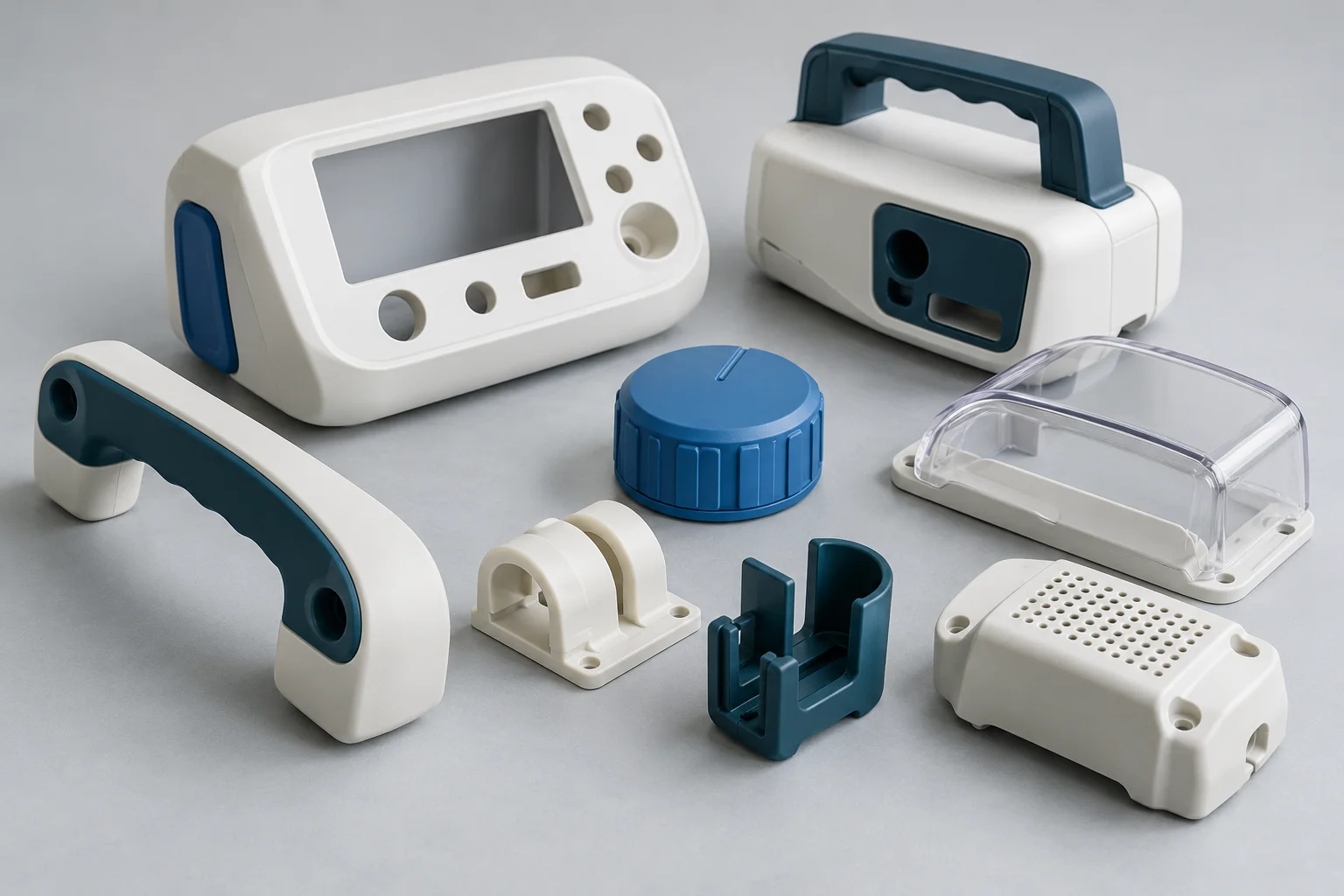
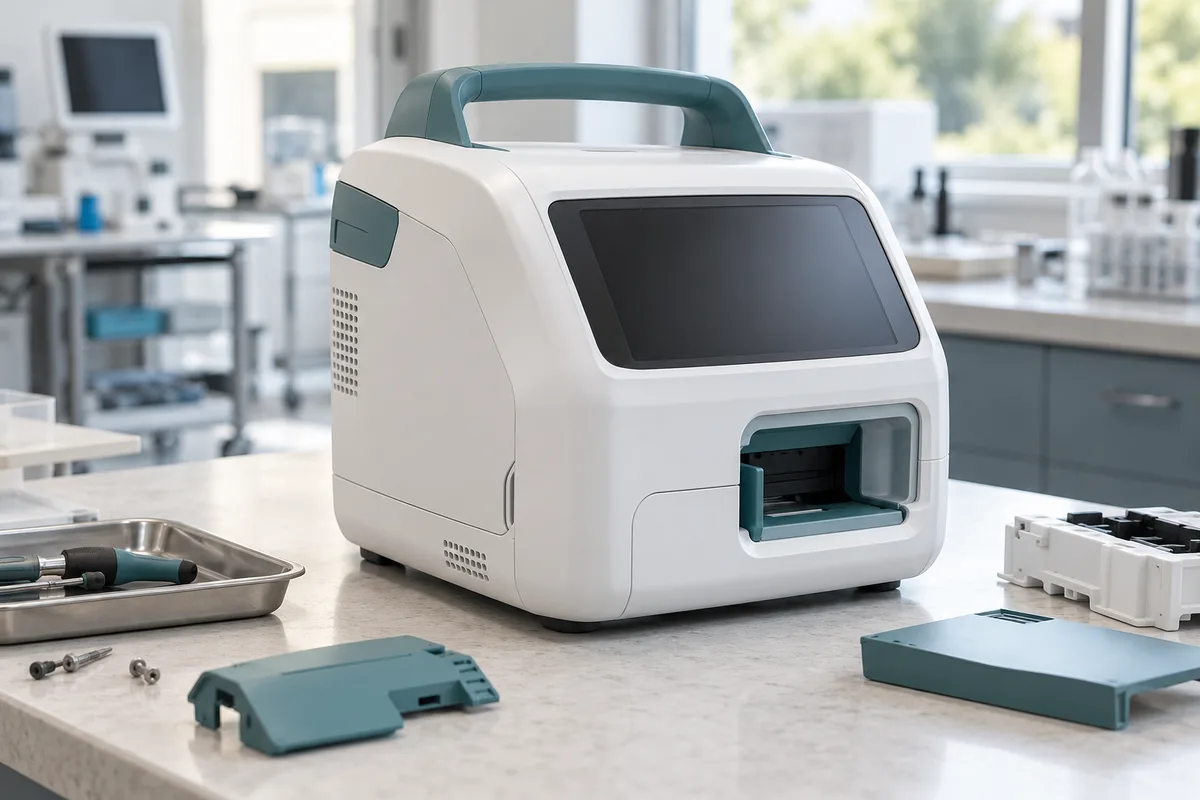
For device housings, identify enclosure joins, display openings, fasteners, cleaning exposure and visible surfaces. Mark which interfaces locate or seal the assembly.
Handles & Covers
For handles and covers, define user contact, grip loads, repeated opening and cleaning cycles. Agree surface finish and the checks required on assembled samples.
Guides & Brackets
For guides and brackets, provide mating components, locating datums and movement or positioning requirements. Identify the dimensions that drive alignment.
Fluid-Handling Parts
For fluid-handling candidates, specify the fluid, concentration, pressure, temperature and exposure duration. The exact design and material require their own compatibility and qualification review.
Inspection Components
For inspection or positioning components, describe the measurement task, contact surfaces, loading and cleaning method so the drawing and material review address the actual use.
Custom Medical Parts
For a custom component, state its role in the equipment, development stage and documentation needs. An illustrative part image does not establish suitability for a device.
Device Use, Cleaning and Component Fit
Intended use and contact conditions
Describe the component's function and whether contact with the user, patient, fluid or a controlled area is relevant. Send the device team's material and documentation requirements so the scope is reviewed for that component rather than inferred from its appearance.
Cleaning and material documentation
Provide the cleaning agents, concentrations, temperatures and cycle expectations, plus any sterilization process the design must accommodate. Match requested evidence to the exact supplied grade, color and processing route; agree which evaluations remain with the device team.
Geometry, assembly and inspection
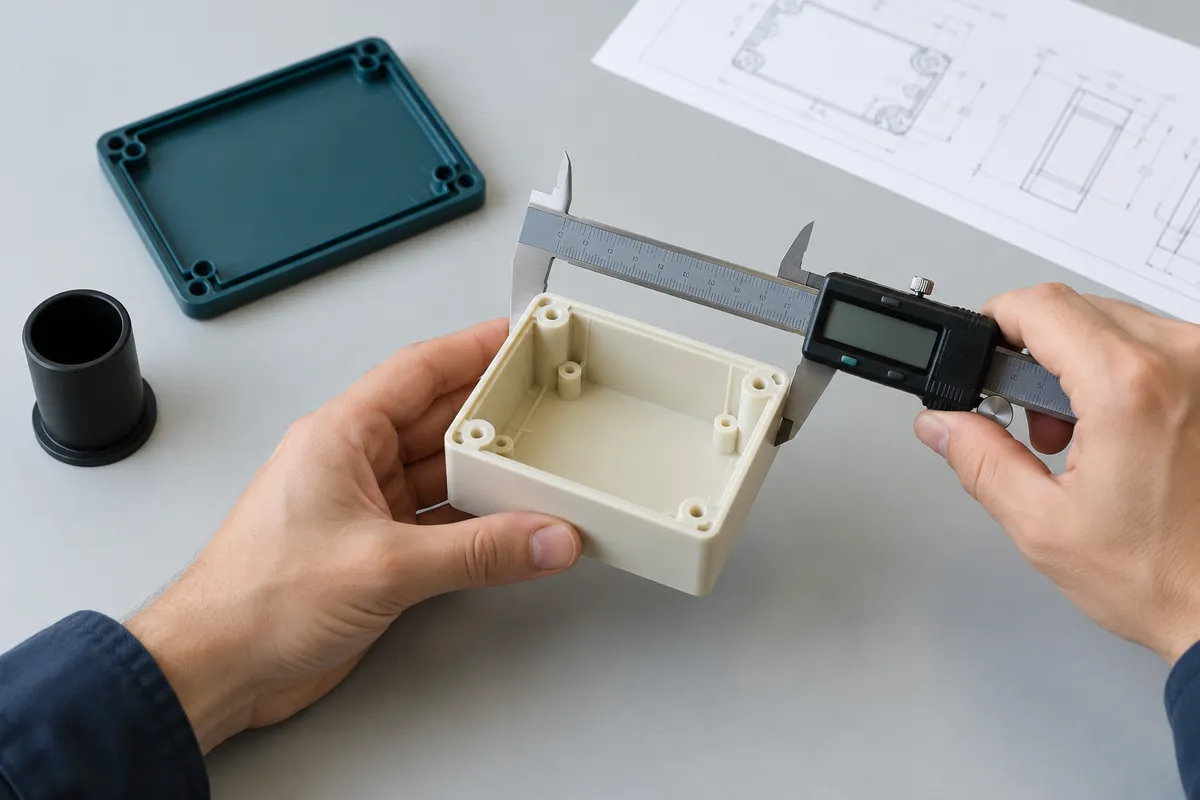
Identify sealing faces, connectors, mounting features and accessible inspection datums. Agree drawing revision, critical dimensions, cosmetic criteria and sample-review conditions before defining the tool and production acceptance plan.
Developing Samples for the Equipment Assembly
Design and assembly review
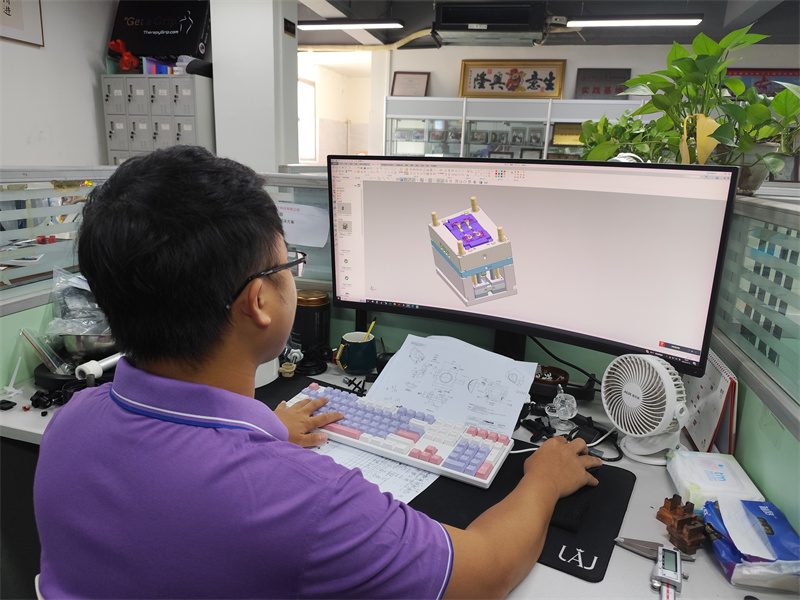
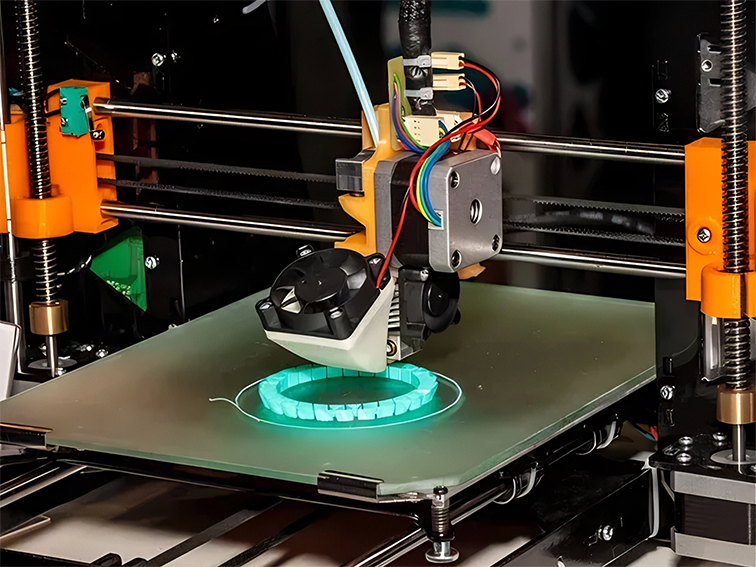
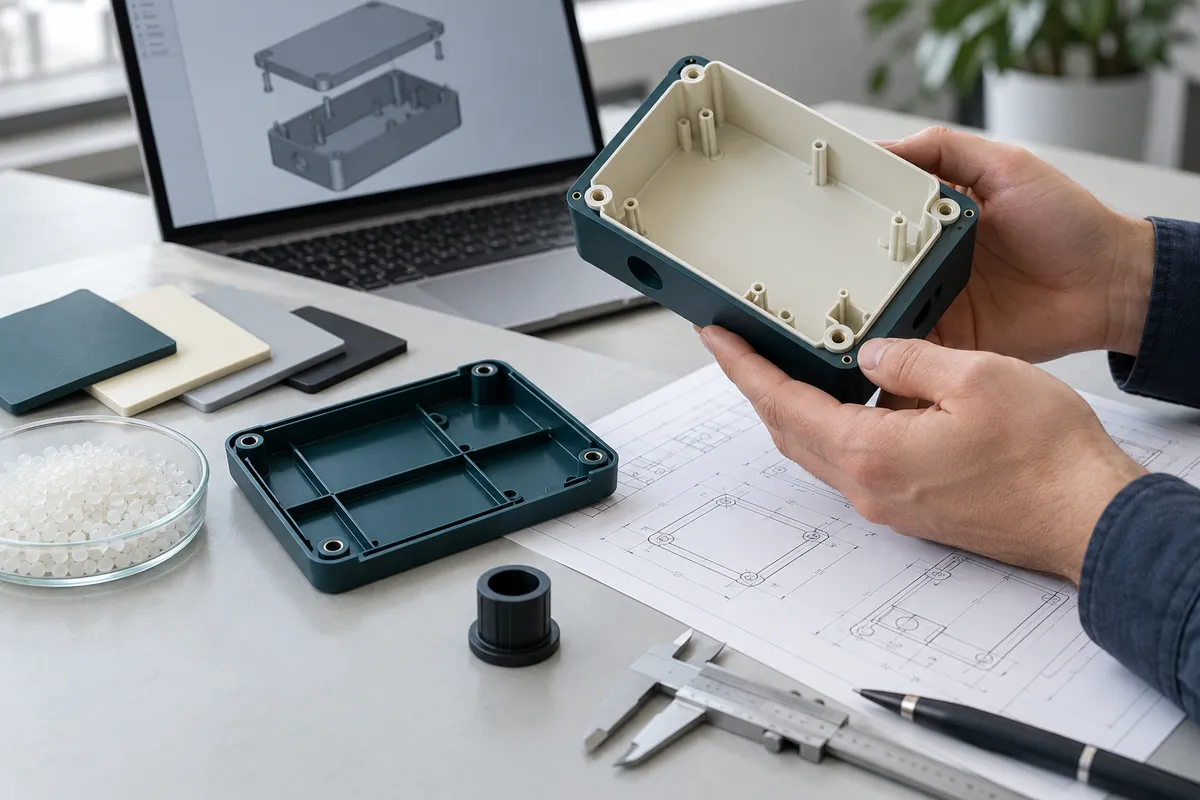
Use CAD review and an agreed prototype route to examine fit, access and assembly. A visual or fit prototype does not by itself establish the behavior of the final production material.
Molded sample review
Define the proposed grade, tooling scope and sample checks together. Include dimensional, fit, surface and project-specific evaluations in the review plan before accepting samples.
Production scope
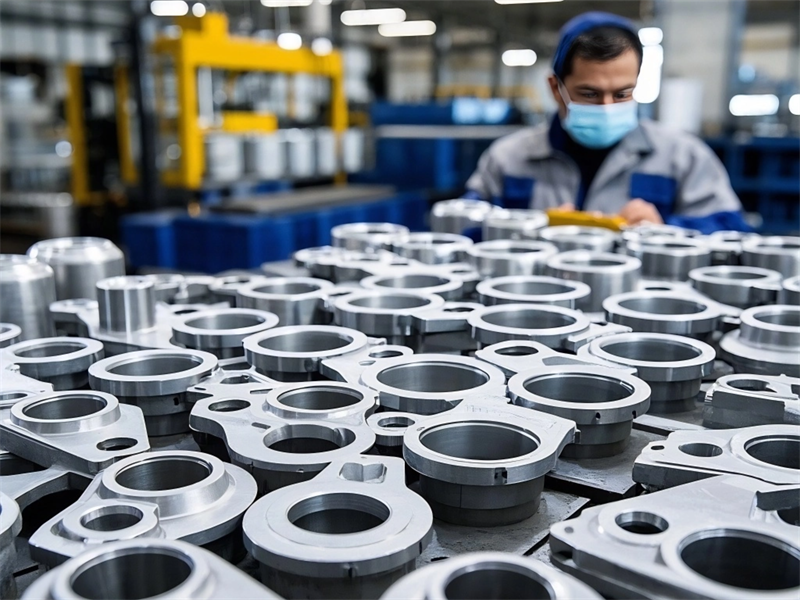
Confirm required cleanliness controls, identification, records and release responsibilities before ordering. Any controlled-environment or special documentation requirement must be explicitly reviewed rather than assumed.
Material and Acceptance Records for the Component
- Intended-use and contact description for the component
- Material specification and requested grade-specific evidence
- Drawing, inspection criteria and sample approval record
- Cleaning, cleanliness, identification and release requirements
Confirm the records available for the exact material, manufacturing entity and quoted order. Review material and certificate document guidance.
What to Send for a Medical Equipment Part
- Component CAD, drawing and assembly context
- Intended use and relevant contact conditions
- Cleaning agents and required exposure cycles
- Exact material requirement or current grade
- Sample quantity and expected production demand
- Required documents, inspection and acceptance criteria
If the grade is still open, request a material selection review with the service conditions and target properties.
Medical Equipment Component Questions
Does this page establish that a component is approved for medical use?
No. Suitability depends on the intended use, exact material, manufacturing scope and required evidence. State the device team's requirements so the available supply and documentation can be evaluated against the project.
Can the same housing design use a different plastic?
A material change should be reviewed alongside dimensions, assembly, cleaning and relevant contact conditions. Provide the current grade and reason for changing it; confirm the required verification before treating the replacement as equivalent.
What should be agreed before tooling starts?
Agree the drawing revision, grade, sample quantities, critical features and required records. Resolve special cleanliness or documentation requirements early so they can be included in the proposed manufacturing and inspection scope.
Materials
Surface Finishes