Both CNC machining and 3D printing are essential manufacturing technologies, but they work in fundamentally different ways. Understanding their strengths and limitations helps you choose the right process for your project.
How They Work: Fundamental Differences
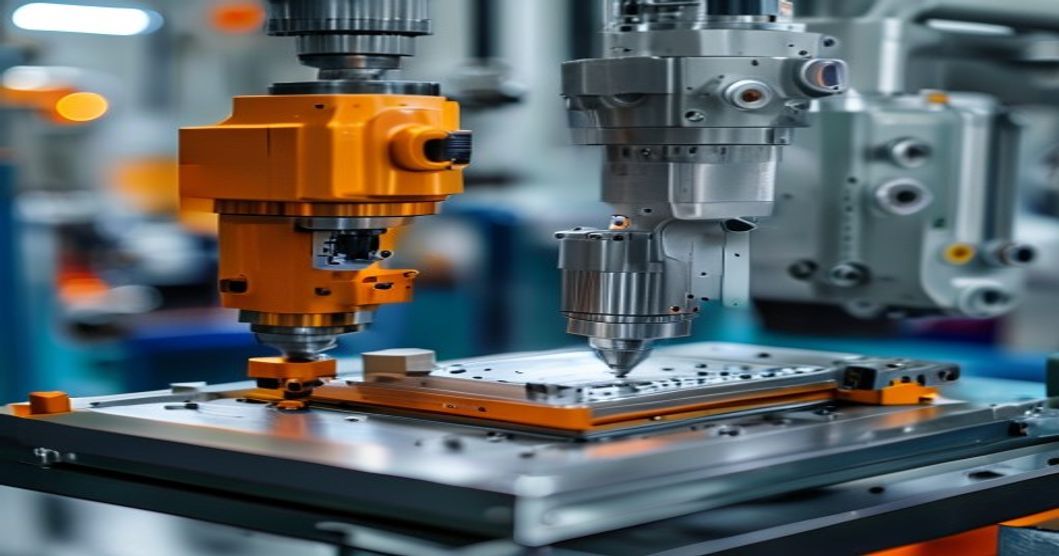
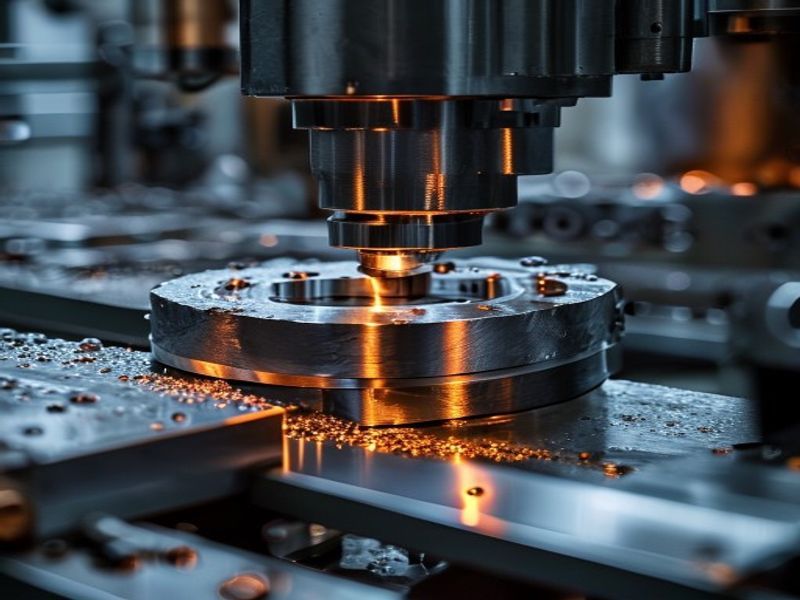
CNC machining is a subtractive process—it starts with a solid block of material and removes material to create the final part. 3D printing is additive—it builds parts layer by layer from nothing.
CNC Machining Process
3D Printing Process
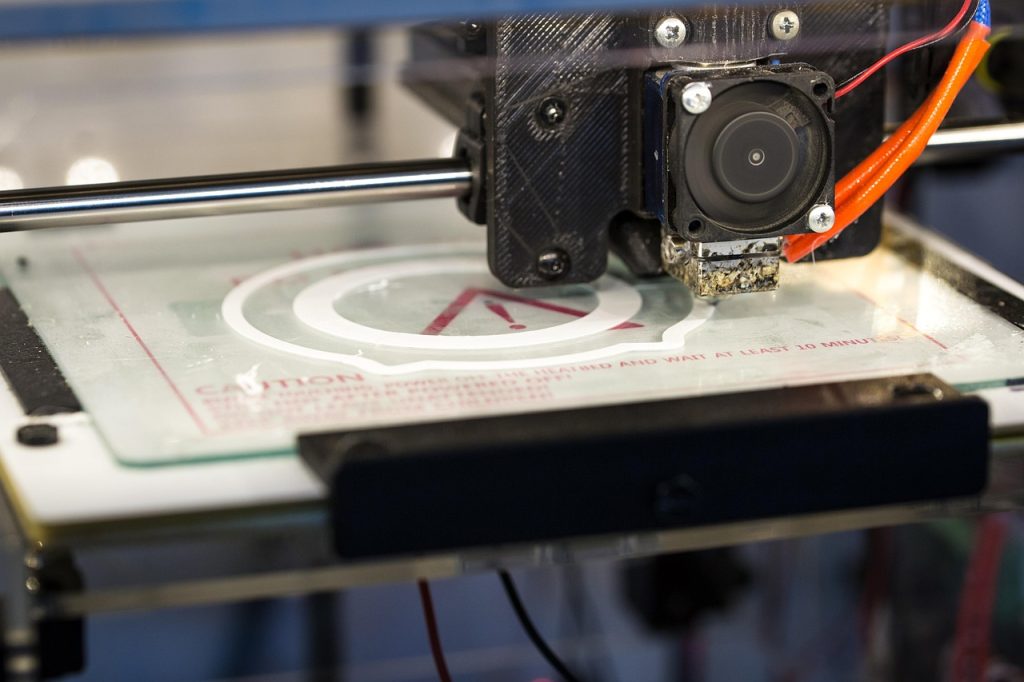
3D printers build parts layer by layer based on a digital 3D model. The material is deposited, cured, or sintered in successive layers until the part is complete. No cutting tools are involved, and there’s no material waste from chip formation.
Accuracy and Surface Finish
When it comes to precision and surface quality, CNC machining generally has the advantage.
| Factor | Mecanizado CNC | Impresión 3D |
|---|---|---|
| Typical Tolerance | ±0.025mm | ±0.1-0.3mm |
| Surface Finish (Ra) | 0.8-3.2 μm | 3.2-25 μm |
| Feature Size | Limited by tool diameter | Limited by layer height/nozzle |
| Tratamiento posterior | Often minimal | Usually required |
Opciones de material
CNC machining offers significantly broader material options. Since the material doesn’t need to be printable, you can machine virtually any solid material.
CNC Material Advantages
- Engineering plastics: Nylon, PEEK, Ultem, Delrin
- Metals: Aluminum, steel, titanium, brass, copper
- Composites: Carbon fiber, glass-filled materials
- Wood, foam, and other specialized materials
3D Printing Material Considerations
3D printing materials are limited to those that can be extruded, sintered, or cured. However, the range is expanding rapidly. Common options include PLA, ABS, Nylon, TPU, and various resins. Metal 3D printing is available but at significantly higher cost.
Geometric Capabilities
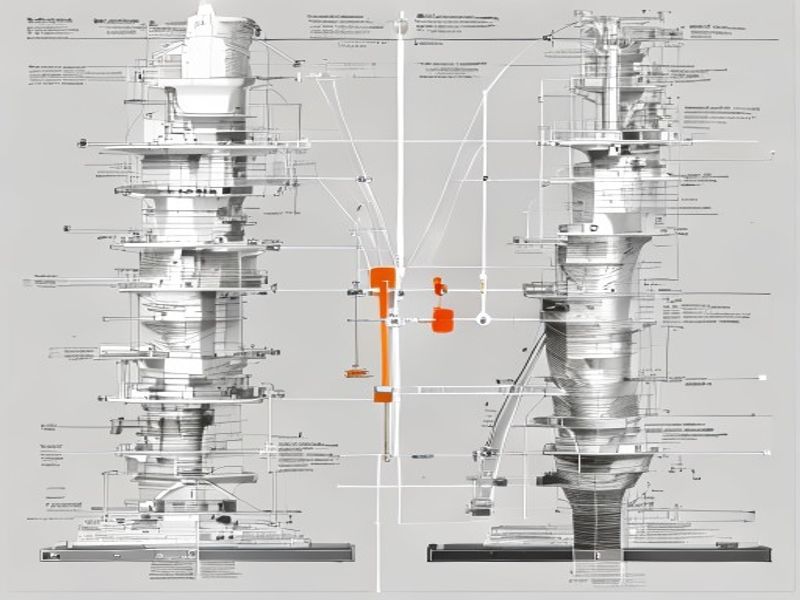
This is where 3D printing shines. Additive manufacturing can create features that are impossible or extremely difficult with CNC:
- Internal channels – Cooling channels, air passages
- Hollow structures – Lightweight with internal supports
- Undercuts – Without requiring multi-axis setup
- Organic shapes – Lattice structures, bionic designs
CNC machining requires access to all surfaces with cutting tools. Complex geometries may require multiple setups, increasing cost and potentially reducing accuracy.
Cost Considerations
Cost structures differ significantly between the two technologies.
When CNC is More Cost-Effective
- Parts that fit within standard stock sizes
- Simple to moderate complexity
- Standard materials
- Medium to high volumes
- Tight tolerance requirements
When 3D Printing is More Cost-Effective
- Highly complex geometries
- Small quantities (1-100 parts)
- Parts that would require multiple CNC setups
- Functional prototypes
Speed and Lead Time
Making the Right Choice
Use CNC machining when you need:
- Highest precision and tightest tolerances
- Superior surface finish
- Full material properties
- Production-quality parts
- Wide material selection
Use 3D printing when you need:
- Geometrías complejas
- Fast prototyping
- Low-volume production
- Custom or personalized parts
- Minimal upfront investment
Our Capabilities
With over 300 CNC machines, we produce more than 10,000 pieces daily with tolerances as tight as ±0.005mm. We accept MOQ from 1 piece, with delivery times ranging from 24 hours to 15 days. Whether you need a single prototype or thousands of production parts, we have the capacity and expertise to deliver. Get a quote within 24 hours.
PREGUNTAS FRECUENTES
When is CNC Machining vs 3D Printing: A Comprehensive Comparison a good option?
CNC Machining vs 3D Printing: A Comprehensive Comparison is a good option when fast iteration, complex geometry, low tooling cost, or low-volume production is more important than molded-part unit cost.
What should be checked before choosing CNC Machining vs 3D Printing: A Comprehensive Comparison?
Compruebe el tamaño de la pieza, las propiedades del material, el acabado superficial, la tolerancia dimensional, la exposición al calor, la dirección de la carga y si es necesario un tratamiento posterior.
How does CNC Machining vs 3D Printing: A Comprehensive Comparison compare with CNC machining?
La impresión 3D puede crear formas complejas con rapidez, mientras que el mecanizado CNC suele ser más potente para superficies precisas, tolerancias más ajustadas y materiales de calidad de producción.
What affects the cost of CNC Machining vs 3D Printing: A Comprehensive Comparison?
El coste depende del material, el volumen de fabricación, el tiempo de impresión, la altura de capa, la eliminación de soportes, el acabado, la inspección y el número de piezas de la fabricación.