
Base de conocimientos sobre plásticos técnicos
Déjese de compromisos. Pásese a los plásticos de alto rendimiento
Engineering Plastic Material Categories
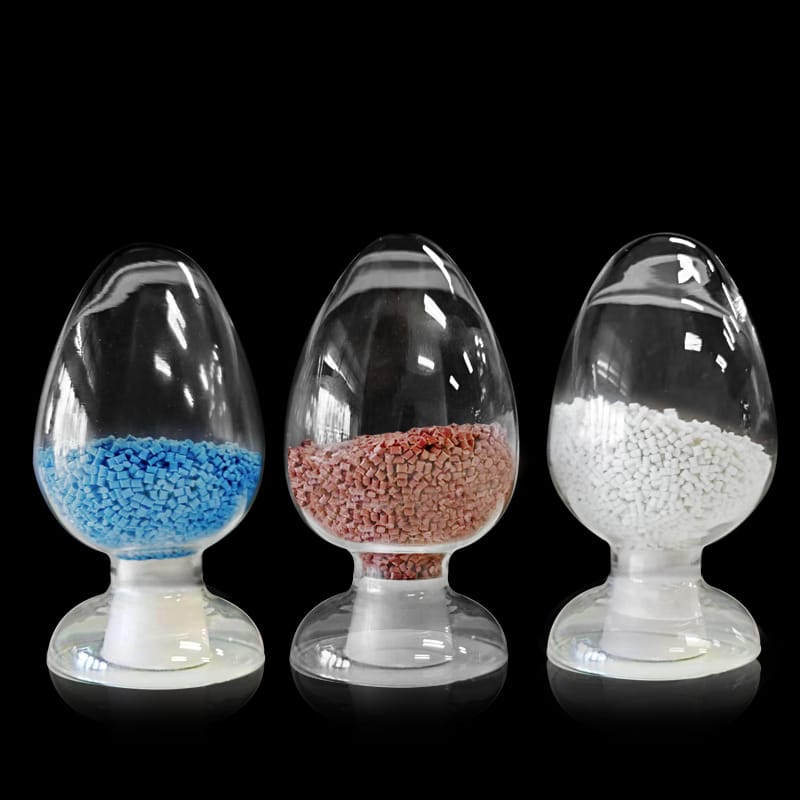
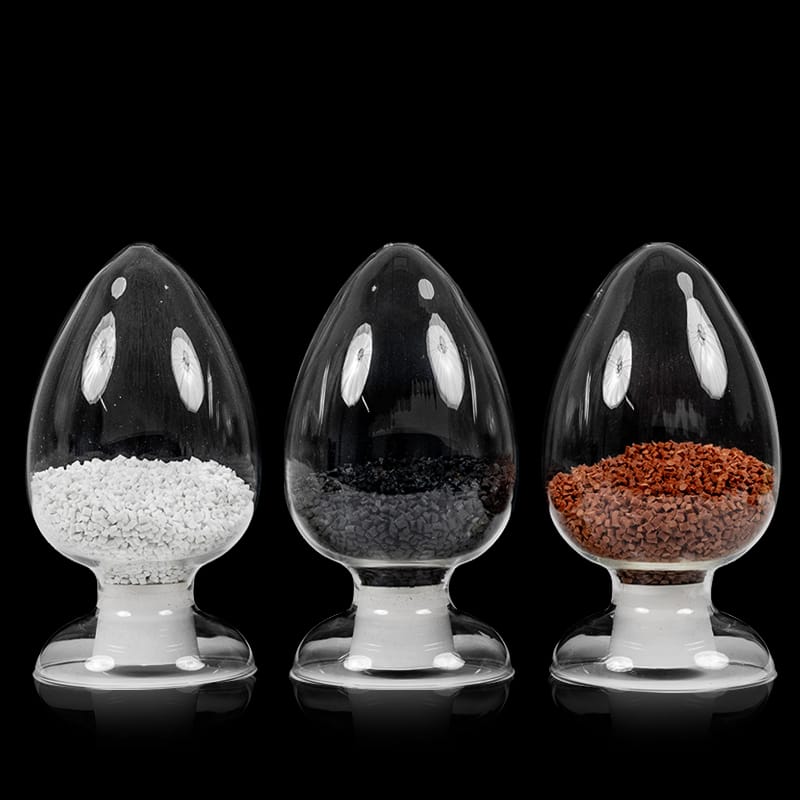
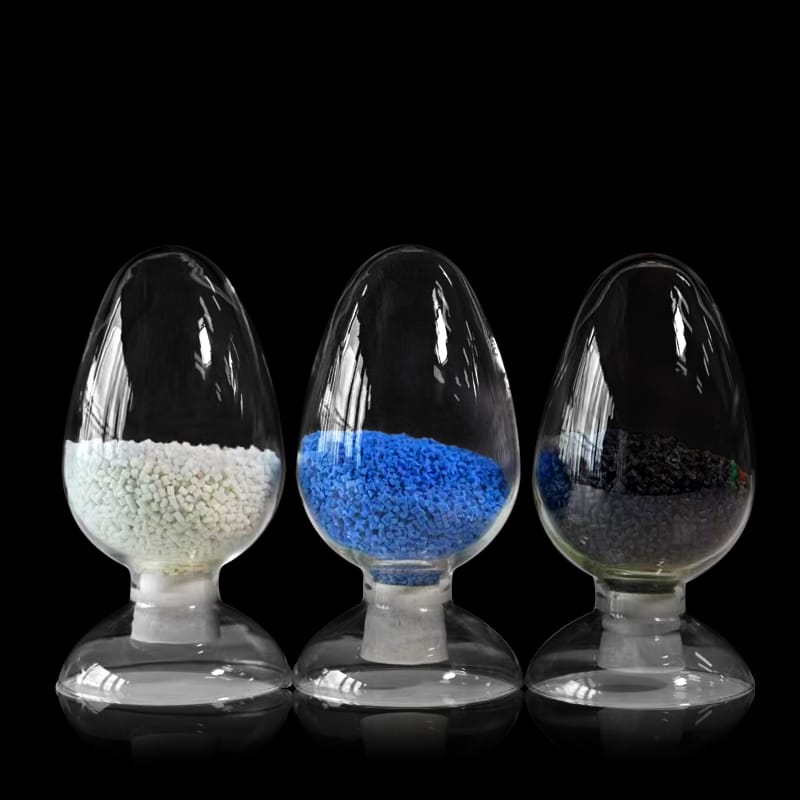
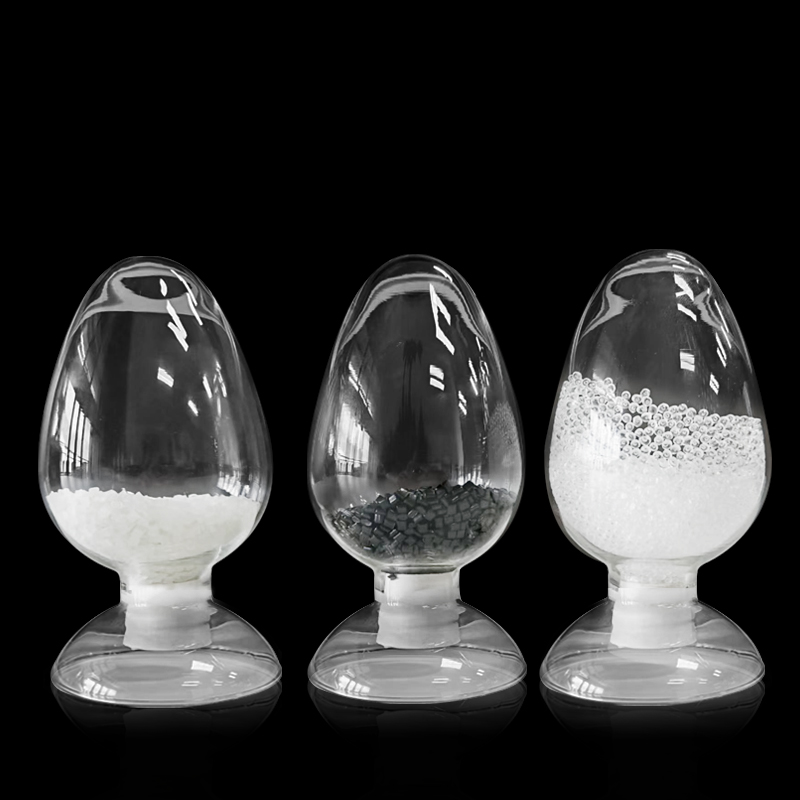
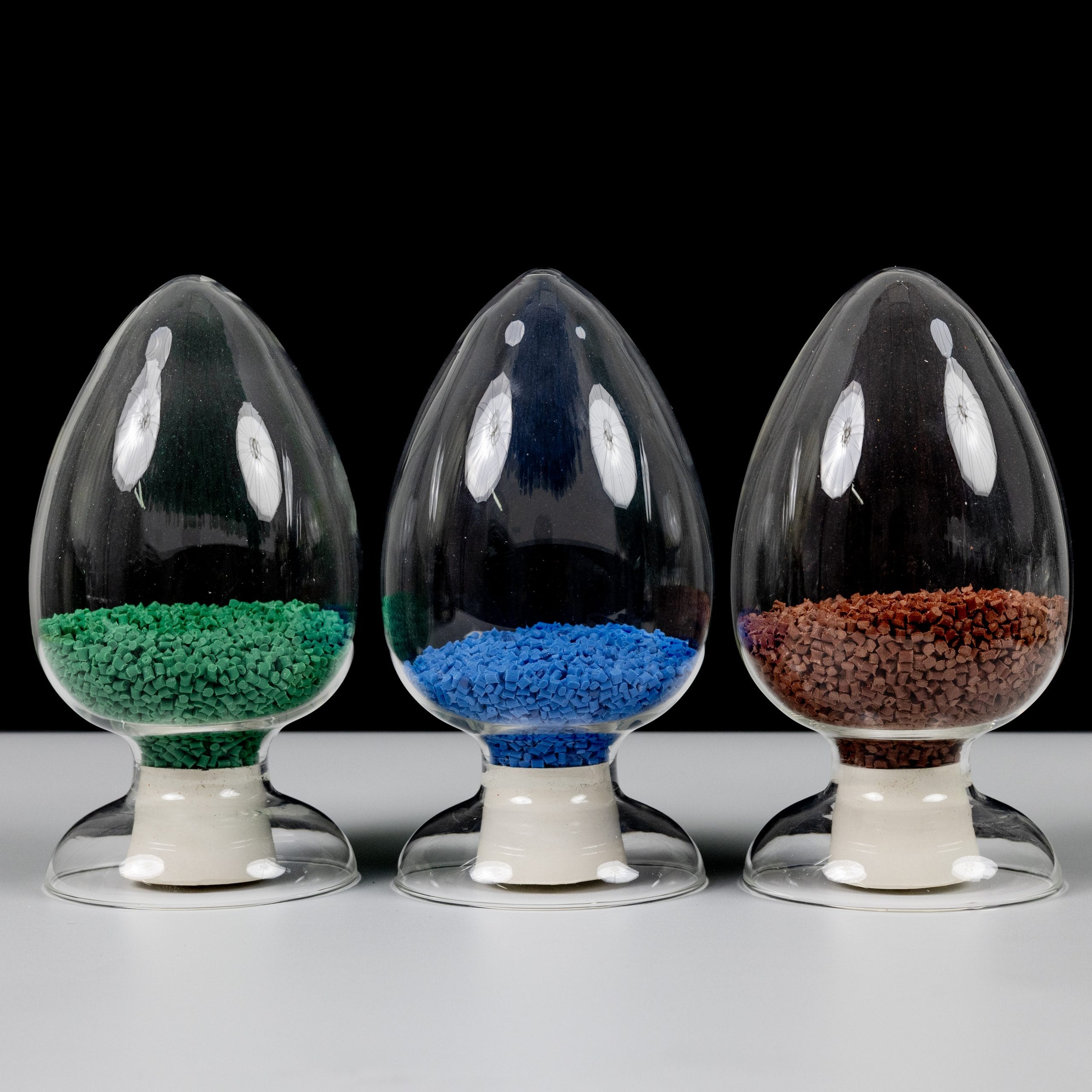

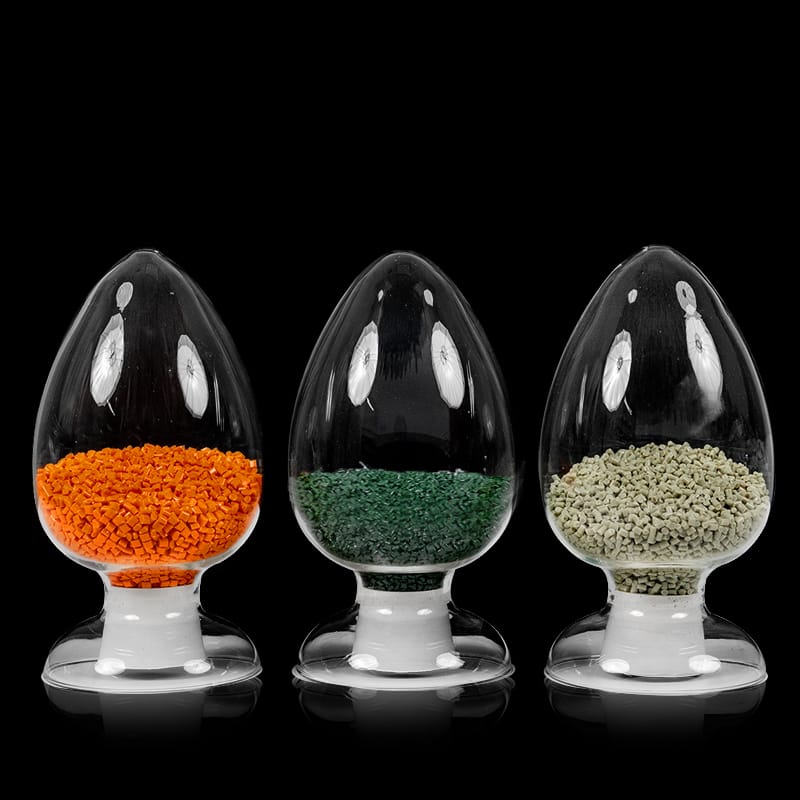

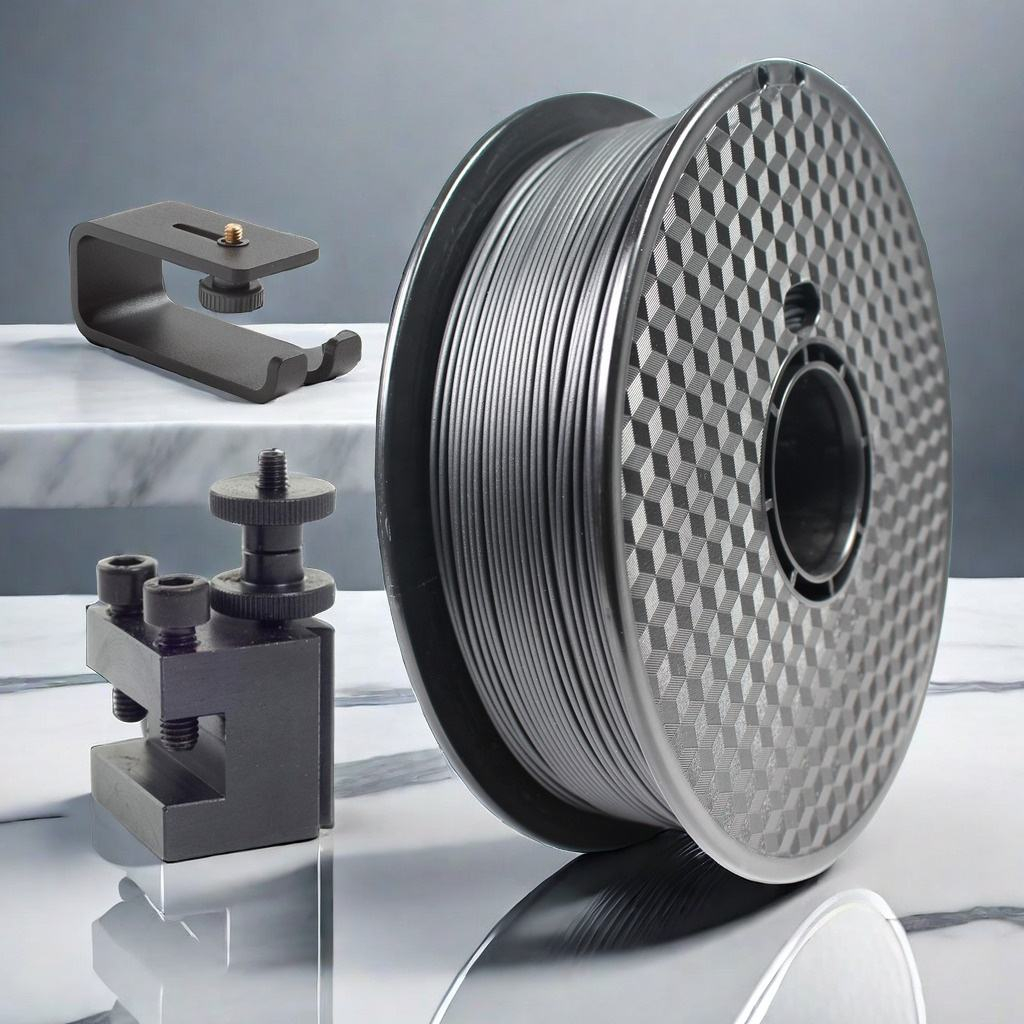
Engineering Plastics Material Database
Compare mechanical, thermal, and chemical properties across 50+ engineering plastics — ABS, Nylon, Polycarbonate, PEEK, Acetal, and more. Find the right plastic material for CNC machining, injection molding, or 3D printing.
Why This Material Database Matters
Choosing the right engineering plastic directly affects part performance, manufacturing cost, and lead time. A material that works perfectly for injection molding may fail in CNC machining due to stress cracking or heat buildup. This database gives you real, comparable property data — not marketing claims — so you can make data-driven decisions.
Each material entry includes tensile strength, flexural modulus, heat deflection temperature, impact resistance, and density — the five properties most engineers check first. Use the search and filter tools below to narrow down candidates for your specific application.
Search & Compare Materials
Quick Comparison: Most Requested Materials
Head-to-head property comparison for the six most commonly specified engineering plastics at Nylon Plastic.
| Propiedad | ABS | Nylon 6/6 | Policarbonato | Acetal/POM | PEEK | PEI/Ultem |
|---|---|---|---|---|---|---|
| Resistencia a la tracción | 40 MPa | 80 MPa | 65 MPa | 69 MPa | 100 MPa | 110 MPa |
| Módulo de flexión | 2.3 GPa | 2.8 GPa | 2.4 GPa | 2.8 GPa | 3.8 GPa | 3.5 GPa |
| HDT @1.82 MPa | 98°C | 255°C | 138°C | 124°C | 315°C | 200°C |
| Resistencia al impacto | 400 J/m | 110 J/m | 850 J/m | 75 J/m | 80 J/m | 50 J/m |
| Densidad | 1.05 | 1.14 | 1.20 | 1.41 | 1.32 | 1.27 |
| Lo mejor para | Housings, consumer | Gears, bearings | Transparent parts | Precision mechanical | High temp, medical | Electronics, aerospace |
How to Choose the Right Engineering Plastic
Material selection isn't about finding the "best" plastic — it's about finding the one that meets ALL your requirements at the right cost. Here's the decision framework we use with customers at Nylon Plastic.
1. Temperature Requirements
Check both continuous use temperature and peak exposure. If your part sees >150°C, narrow to Nylon 6/6, PEEK, PEI, or PPS. For <100°C, ABS and PP are cost-effective choices.
2. Mechanical Load
Structural parts need high tensile strength and flexural modulus. Glass-filled grades (30% GF) can double or triple stiffness. Nylon 6/6 GF30, PEEK GF30, and PPS GF40 are top picks.
3. Chemical Exposure
For harsh chemicals, fluoropolymers (PTFE, PVDF) offer the best resistance. PPS and PEEK handle most industrial solvents. Avoid nylons in high-moisture or acidic environments.
4. Manufacturing Process
CNC machining suits low-volume, tight-tolerance parts. Injection molding wins for high volume. Some materials are process-specific — PTFE and UHMWPE are CNC-only, while LCP requires injection molding.
5. Cost vs Performance
PP and ABS cost $2-5/kg. Nylon 6/6 is $4-8/kg. PEEK jumps to $80-120/kg. Ask yourself: do you really need PEEK, or would a glass-filled nylon handle the job at 1/15 the material cost?
6. Certifications & Compliance
Medical devices may need ISO 10993 or USP Class VI. Food contact requires FDA compliance. Aerospace often demands FST (flame/smoke/toxicity) ratings. PEI, PEEK, and PPSU are common medical/aerospace choices.
Industry Application Examples
Each industry has specific material requirements. Here's what our customers typically choose.
Under-hood: Nylon 6/6 GF30 (intake manifolds), PPS (fuel system), POM (gears). Interior: ABS, PC/ABS (dashboards, trim). Exterior: PC (headlamp lenses).
Implants: PEEK (spinal cages, dental). Surgical tools: PEI/Ultem (autoclavable). Fluid handling: PC, PP. Single-use: ABS, SAN.
Connectors: PBT GF30, Nylon 6/6. Housings: PC/ABS FR, PC FR. Insulators: PTFE, PEI. Thermal management: PPS.
Interior panels: PEI (FST compliant). Structural brackets: PEEK CF30. Cable insulation: ETFE, PTFE. Radomes: PMMA, PC.
Gears & bearings: POM, Nylon 6/6 MoS2. Wear strips: UHMWPE. Pump components: PTFE, PVDF. Seals: PTFE, PEEK.
Kitchenware: PP, PCTG/Tritan. Power tools: Nylon 6/6 GF30, PC/ABS. Sports: TPU, Nylon 12. Furniture: PP GF20, ABS.
Why Source Your Engineering Plastics from Nylon Plastic
All materials sourced from certified manufacturers with full traceability and batch certificates.
Integrated manufacturing means one partner for prototypes, tooling, and production — no handoffs.
Our engineers help you pick the right grade based on your part requirements — not just the catalog spec.
Parts delivered to 30+ countries with full export documentation, tariff codes, and compliance paperwork.
Preguntas frecuentes
What's the difference between Nylon 6 and Nylon 6/6?
Nylon 6/6 (PA66) has a higher melting point (255–265°C vs 220°C for Nylon 6), better tensile strength (80 vs 75 MPa), and superior wear resistance. Nylon 6 offers slightly better impact resistance and is typically 10–15% cheaper. For CNC-machined parts, Nylon 6/6 is the default choice due to its dimensional stability. For injection-molded components where cost is critical and temperatures stay under 180°C, Nylon 6 is often sufficient.
Which engineering plastic is best for high-temperature applications?
PEEK (Polyether Ether Ketone) leads with a continuous use temperature of 250°C and HDT of 315°C. PEI (Ultem) follows at 170–200°C continuous. PPS handles 200–240°C with excellent chemical resistance. For the highest temperature performance, PAI (Torlon) reaches 260°C continuous but costs significantly more. Choose based on your exact temperature profile — if you're under 200°C, PEI is much more cost-effective than PEEK.
Can I use the same plastic material for CNC machining and injection molding?
Most engineering plastics work for both processes, but there are important differences. CNC machining uses extruded or cast stock shapes (rods, sheets), which may have slightly different properties than injection-molding pellets. Some grades (e.g., POM homopolymer) machine beautifully but mold poorly due to high shrinkage. Glass-filled grades machine well but are abrasive on tools. Some materials are process-specific: UHMWPE is CNC-only (doesn't flow in injection), while LCP is injection-only (available only as pellets). Our database marks which processes each grade supports.
How do I get a material recommendation and quote for my specific part?
Fill out the inquiry form below with your part requirements (dimensions, quantity, target material, application environment). Our engineering team reviews every inquiry within 24 hours and provides a material recommendation with pricing. We can also suggest alternative materials if your first choice exceeds budget — for example, switching from PEEK to glass-filled Nylon 6/6 often saves 80% while meeting most mechanical requirements. Include a STEP/IGES file or 2D drawing for the most accurate quote.
Find the Right Material for Your Next Project
Still not sure which engineering plastic fits your application? Send us your requirements and our engineers will recommend the optimal material — with pricing and lead time.
Submit Your Inquiry NowNo vendemos, comerciamos ni alquilamos sus datos personales. Puede ponerse en contacto con nosotros en cualquier momento para solicitar, actualizar o eliminar sus datos.
Si tiene preguntas o dudas, póngase en contacto con[email protected]