
What Is CNC Machining? A Complete Overview
CNC machining, short for Computer Numerical Control machining, is a subtractive manufacturing process that uses pre-programmed computer software to control the movement of factory tools and machinery. From lathes and mills to routers and grinders, CNC technology transforms raw material blocks into precision-engineered components with tolerances as tight as +/-0.001 inches. It is one of the most widely adopted manufacturing processes across industries ranging from aerospace and automotive to medical devices and consumer electronics.
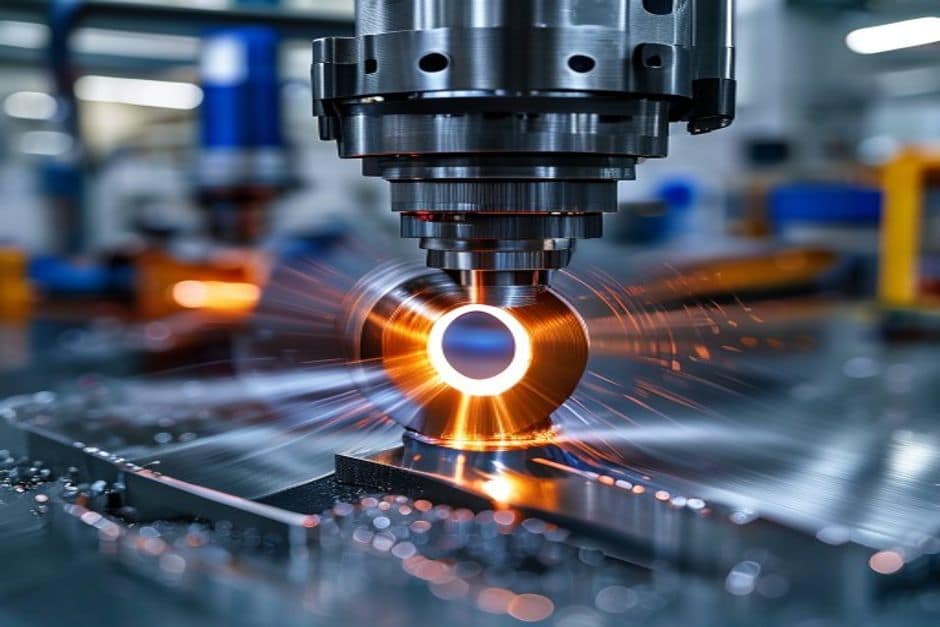
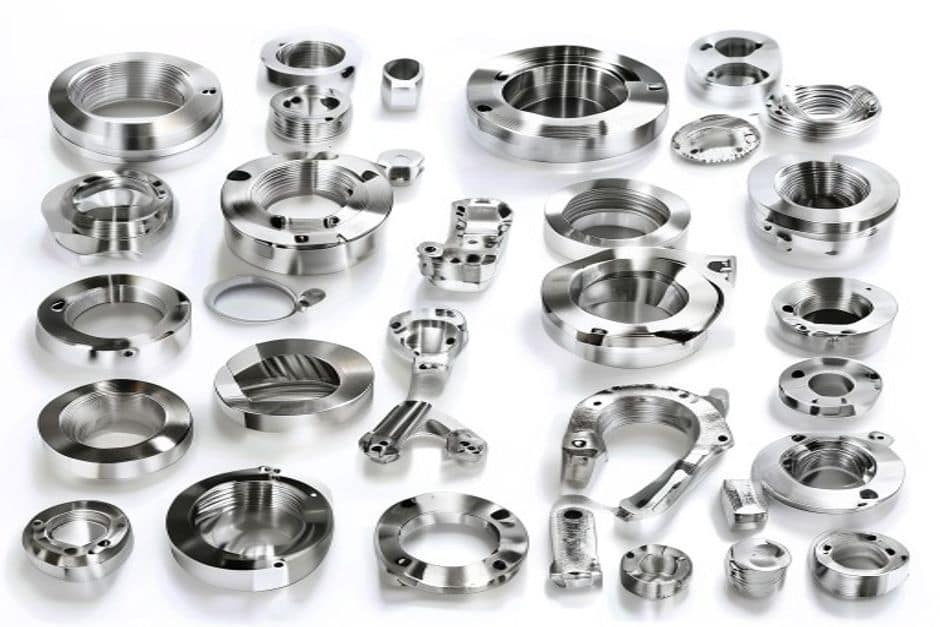
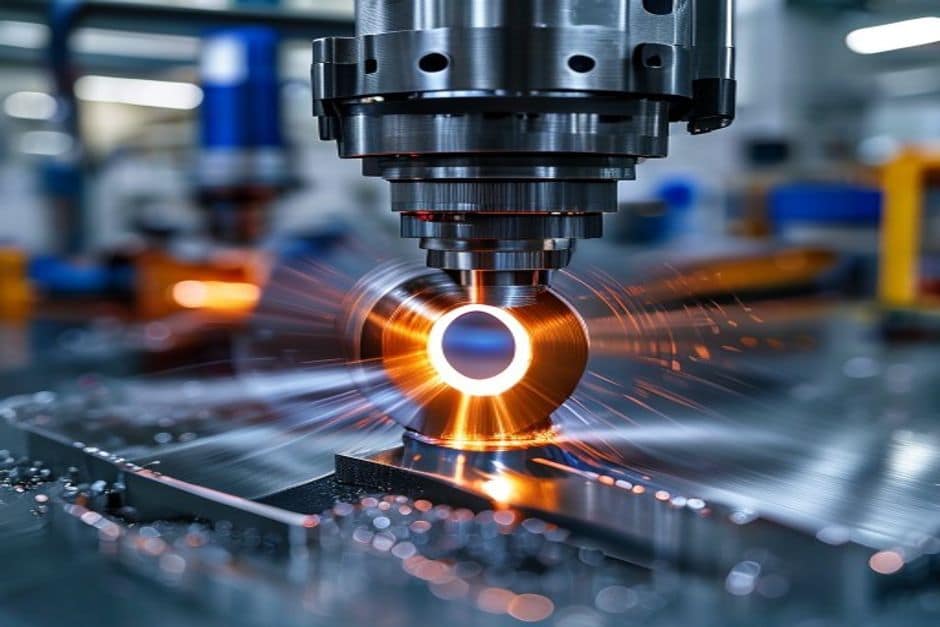
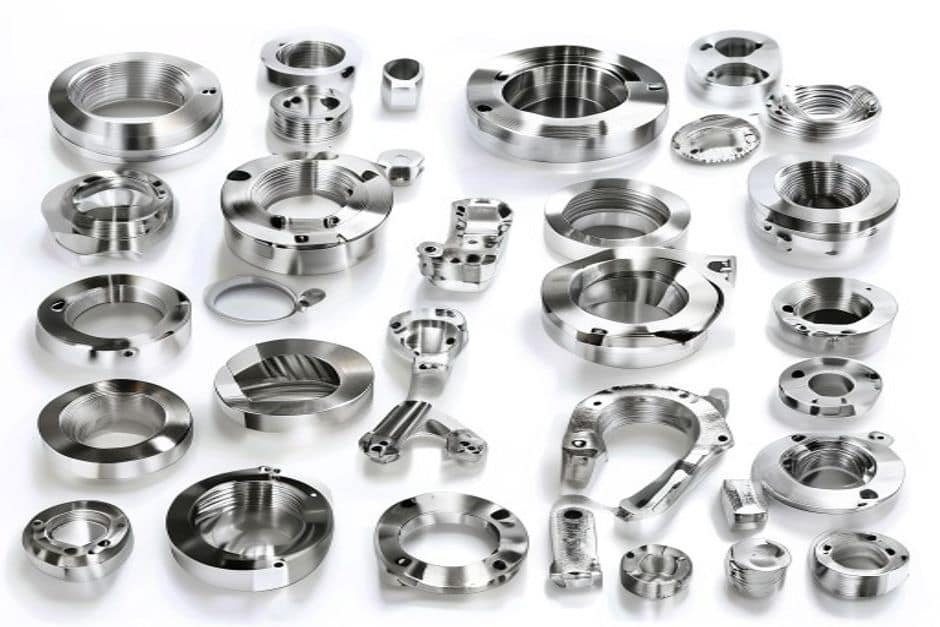
Unlike manual machining, where an operator physically controls levers, wheels, and buttons to guide the cutting tool, CNC machining removes human variability from the equation. A digital design file (typically a CAD model) is translated into machine instructions (G-code) that dictate every movement, speed, and feed rate. The result is a process that delivers consistent, repeatable, and highly accurate parts, whether you are producing a single prototype or a production run of 10,000 units.
How CNC Machining Works: The Step-by-Step Process
Understanding how CNC machining works requires breaking the process down into its core stages. While specific workflows vary depending on the machine type and part complexity, the fundamental sequence remains consistent across the industry.
1. Design and CAD Modeling
Every CNC machining project starts with a digital design. Engineers use CAD (Computer-Aided Design) software such as SolidWorks, AutoCAD, or Fusion 360 to create a 3D model of the desired part. This model defines every geometry, dimension, and tolerance that the finished component must meet. The quality of the CAD model directly impacts the quality of the machined part. Incomplete geometry, poorly defined tolerances, or impractical features can lead to manufacturing errors, increased costs, and production delays.
2. CAM Programming and G-Code Generation
Once the CAD model is complete, it moves to CAM (Computer-Aided Manufacturing) software. The CAM program analyzes the 3D geometry and generates toolpaths – the precise routes the cutting tool will follow to remove material. During this phase, programmers set critical parameters including spindle speed, feed rate, cutting depth, and tool selection. The CAM software then outputs G-code, the machine-readable instruction set that controls every axis movement. Modern CAM systems can simulate the machining process virtually, allowing engineers to detect collisions, optimize toolpaths, and estimate cycle times before any metal is cut.
3. Machine Setup and Fixturing
With the G-code ready, the CNC machine must be physically prepared. This involves loading the raw material (known as the workpiece), installing the appropriate cutting tools in the tool holder or turret, and securing the workpiece with clamps, vises, or custom fixtures. Proper fixturing is critical – if the workpiece shifts during machining, the part will be scrapped. For high-precision applications, operators may also calibrate tool offsets, verify coordinate systems, and perform test cuts to ensure everything is aligned correctly.
4. Machining Execution
With setup complete, the CNC controller takes over. It reads the G-code line by line, translating each instruction into precise electrical signals that drive servo motors, spindle motors, and auxiliary systems. The cutting tool moves along the programmed toolpaths, removing material in layers – roughing passes remove the bulk of material quickly, while finishing passes achieve the required surface finish and dimensional accuracy. Modern CNC machines can run unattended for hours, with automated tool changers swapping out worn tools as needed.
5. Inspection and Quality Control
After machining, parts undergo dimensional inspection to verify they meet specifications. Common measurement tools include calipers, micrometers, coordinate measuring machines (CMM), and optical comparators. For critical components, statistical process control (SPC) methods may be applied across the production batch to ensure consistency. Non-conforming parts are flagged for rework or rejection before they reach the customer.
Types of CNC Machines
The term “CNC machining” encompasses a broad family of machine tools. Each type serves different manufacturing needs, and selecting the right one depends on part geometry, material, production volume, and tolerance requirements.
CNC Milling Machines
CNC mills use rotating cutting tools to remove material from a stationary (or slowly rotating) workpiece. They are the most versatile type of CNC machine, capable of producing flat surfaces, slots, holes, pockets, and complex 3D contours. Mills range from simple 3-axis machines, where the tool moves in X, Y, and Z directions, to advanced 5-axis machines that can tilt and rotate the tool or workpiece for access to complex geometries. For nylon and engineering plastic components, CNC milling is often the preferred method due to its ability to achieve tight tolerances without the thermal deformation risks associated with some alternative processes.
CNC Lathes (Turning Centers)
CNC lathes rotate the workpiece against a stationary cutting tool, making them ideal for cylindrical parts. The spinning motion combined with linear tool movement produces shafts, bushings, threaded components, and other rotationally symmetric geometries. Modern turning centers often incorporate live tooling – rotating tools that can perform milling, drilling, and tapping operations on the spinning part, effectively combining lathe and mill capabilities in a single machine.
CNC Routers
CNC routers are similar to mills but are typically designed for softer materials like plastics, wood, composites, and foam. They operate at higher speeds and cover larger work areas, making them popular in sign making, cabinetry, and large-format plastic fabrication. While routers generally cannot achieve the same tolerance as a precision mill, they excel at rapid material removal and large-envelope work.
CNC Plasma Cutters and Laser Cutters
Rather than using physical cutting tools, these machines use thermal energy to cut through sheet materials. Plasma cutters ionize gas to create an electrically conductive plasma jet that melts through conductive metals like steel and aluminum. Laser cutters use a focused beam of light to vaporize or melt material with extreme precision. Both are 2D profiling machines (though some lasers can perform 3D cutting) that excel at high-speed sheet metal and plate processing.
CNC Electrical Discharge Machines (EDM)
EDM machines use electrical sparks to erode material rather than mechanical cutting. In wire EDM, a thin wire electrode cuts through the workpiece like a precision saw, producing extremely tight tolerances and fine surface finishes. Sinker EDM (also called ram EDM) uses a shaped electrode to “burn” cavities into the workpiece. EDM is particularly valuable for hard materials, intricate internal geometries, and applications where mechanical stress from cutting must be avoided.
Materials Used in CNC Machining
CNC machining is compatible with an extensive range of materials, which is one of the key reasons for its broad adoption. The choice of material depends on the application, environmental conditions, regulatory requirements, and budget.
Metales
Aluminum is one of the most commonly machined metals due to its excellent machinability, favorable strength-to-weight ratio, and corrosion resistance. Alloys such as 6061-T6 and 7075 are staples in aerospace, automotive, and consumer product manufacturing. Stainless steel (304, 316) provides superior corrosion resistance and is widely used in medical devices and food processing equipment. Titanium offers the highest strength-to-weight ratio but is notoriously difficult to machine due to its low thermal conductivity, which concentrates heat at the cutting edge. Other commonly machined metals include brass, copper, tool steel, and Inconel.
Plásticos técnicos
For applications where weight reduction, electrical insulation, chemical resistance, or cost efficiency is paramount, engineering plastics are an excellent choice. Nylon (polyamide) is particularly popular for machined components due to its strength, wear resistance, and self-lubricating properties. Common grades include Nylon 6, Nylon 6/6, and glass-filled variants for enhanced stiffness. Other machinable plastics include PTFE (Teflon) for high-temperature and chemical-resistant applications, PEEK for extreme-performance environments, acetal (Delrin) for dimensional stability and low friction, and UHMW-PE for impact and abrasion resistance.
Material Selection Considerations
Selecting the right material for a CNC machined part involves balancing multiple factors. Mechanical properties such as tensile strength, hardness, and fatigue resistance must align with the application demands. Environmental exposure – including temperature extremes, chemicals, UV radiation, and moisture – can disqualify certain materials. Regulatory requirements (FDA, RoHS, REACH) may mandate specific material grades. Finally, cost is always a factor: raw material price, machinability (which drives cycle time and tool wear), and minimum order quantities all affect the total project economics.
Advantages and Limitations of CNC Machining
Advantages
Precision and Repeatability: CNC machines routinely achieve tolerances of +/-0.005 inches, with high-end machines capable of +/-0.0005 inches. Once programmed, the machine produces the same part every time, eliminating human error.
Scalability: CNC machining works for production volumes from 1 to 100,000+. The same program, tooling, and fixtures serve prototyping and production runs alike, making the transition from development to manufacturing seamless.
Versatilidad de materiales: Unlike additive manufacturing (3D printing), which is limited to specialized materials, CNC machining works with virtually any rigid material – metals, plastics, composites, and wood.
Surface Finish Quality: Machined parts can achieve surface finishes as fine as Ra 0.4 pm (16 pin) without secondary processing. For applications requiring even finer finishes, additional treatments like polishing, anodizing, or bead blasting are straightforward.
Speed: Lead times for CNC machined parts range from 1 to 15 business days for common materials, dramatically faster than injection molding (4-12 weeks for tooling) or casting.
Limitations
Geometric Constraints: Internal sharp corners are impossible with round cutting tools; the minimum internal radius equals the tool radius. Deep pockets with small diameters can be challenging due to tool deflection and chip evacuation issues.
Material Waste: Subtractive manufacturing inherently produces scrap. For complex parts with significant material removal, the “buy-to-fly” ratio (raw material weight to finished part weight) can reach 10:1 or higher for aerospace components.
Per-Unit Cost at Volume: While CNC machining is cost-effective for low-to-medium volumes, at very high quantities (hundreds of thousands of units), processes like injection molding offer lower per-unit costs despite higher initial tooling investment.
Setup Complexity: Complex parts may require multiple setups, custom fixturing, and specialized tooling. Each additional setup adds cost and introduces potential for error.
CNC Machining vs. Other Manufacturing Processes
CNC Machining vs. 3D Printing
3D printing (additive manufacturing) builds parts layer by layer, enabling geometries that would be impossible to machine – internal lattice structures, complex organic shapes, and undercuts. However, 3D printed parts generally have inferior mechanical properties, surface finishes, and dimensional accuracy compared to machined parts. For functional prototypes and end-use components requiring tight tolerances or specific material properties, CNC machining remains the preferred choice. Many manufacturers use a hybrid approach: 3D printing for rapid concept validation, then CNC machining for functional testing and production.
CNC Machining vs. Injection Molding
Injection molding is the king of high-volume plastic part production. Once the mold is made, parts can be produced in seconds at unit costs measured in cents. However, mold tooling costs $5,000 to $100,000+ and takes 4-12 weeks to produce. CNC machining requires no tooling and can start producing parts within days of receiving the CAD model. For nylon and plastic components, CNC machining is the clear winner for prototyping, low-to-medium volumes (typically under 10,000 units), and applications requiring material certification or tight tolerances. Injection molding takes over when volumes justify the tooling investment and when complex internal geometries (snap fits, living hinges, thin walls) are required.
Applications Across Industries
Aeroespacial
The aerospace industry demands extreme precision, material traceability, and reliability. CNC machined components in aircraft include structural brackets, engine mounts, landing gear parts, and hydraulic manifolds. Materials like 7075 aluminum and titanium are common, and AS9100 certification is often required from machining suppliers. A single commercial aircraft contains thousands of machined parts, from seat track rails to wing ribs.
Productos sanitarios
Surgical instruments, orthopedic implants, dental prosthetics, and diagnostic equipment housings all rely on CNC machining. Medical-grade materials like 316L stainless steel, PEEK, and titanium are machined in ISO 13485-certified facilities with rigorous process validation. The ability to machine patient-specific implants from CT scan data is a rapidly growing application.
Automoción
From engine blocks and cylinder heads to custom suspension components and dashboard panels, CNC machining is deeply embedded in automotive manufacturing. Prototype parts for vehicle development programs are almost universally machined, and low-volume production runs for performance vehicles or restoration parts keep CNC shops busy worldwide.
Equipamiento industrial
Heavy machinery, manufacturing equipment, and processing systems depend on machined components for structural integrity and precision alignment. Gears, shafts, bearing housings, valve bodies, and pump components are all routinely machined. For equipment manufacturers, CNC machining provides the flexibility to customize designs without the cost of dedicated tooling.
Key Factors That Influence CNC Machining Costs
Understanding what drives CNC machining costs helps procurement professionals make informed decisions and optimize designs for manufacturability.
Material Selection: Raw material cost varies dramatically. 6061 aluminum might cost $3-5 per pound, while PEEK can exceed $60 per pound. Beyond raw material price, machinability matters – titanium takes 3-5 times longer to machine than aluminum, directly increasing labor and machine time costs.
Part Complexity: Simple prismatic parts with straight walls and flat bottoms machine quickly with standard tooling. Complex 3D surfaces requiring ball end mills, tight internal corners needing small-diameter tools, and features requiring multiple setups all increase cycle time and cost. Design for manufacturability (DFM) principles can often reduce complexity without compromising function.
Tolerance Requirements: Standard tolerances of +/-0.005 inches are achievable without special effort. Tight tolerances of +/-0.001 inches or less require slower feed rates, more frequent tool changes, additional inspection, and sometimes climate-controlled environments – all of which increase cost. Specifying tighter tolerances than necessary is one of the most common sources of unnecessary machining cost.
Production Volume: While CNC machining has minimal setup costs, setup amortization still matters. A batch of 100 parts benefits from spreading fixture setup and CAM programming time across more units compared to a batch of 5. For very large volumes, dedicated production fixturing and optimized programs can significantly reduce per-unit costs.
Surface Finish: As-machined finishes (typically 63-125 Ra microinches) are standard. Smoother finishes require additional finishing passes, non-standard tooling, or secondary operations like polishing, adding cost. Specifying finish requirements only where functionally necessary avoids unnecessary expense.
Choosing a CNC Machining Partner
Selecting the right machining supplier is as important as designing the part correctly. Key evaluation criteria include:
Technical Capability: Does the shop have the right machines, tooling, and expertise for your materials and tolerances? A shop that specializes in aluminum automotive brackets may struggle with PEEK medical components.
Quality Systems: ISO 9001 certification is the baseline. For regulated industries, look for AS9100 (aerospace), ISO 13485 (medical), or IATF 16949 (automotive). Ask about inspection equipment, process documentation, and statistical process control methods.
Material Expertise: If your parts use engineering plastics like nylon, partner with a shop that understands the unique challenges – thermal expansion, chip control, coolant compatibility, and stress relief. Experience with specific materials reduces the risk of scrap and delays.
Communication and Responsiveness: The best machining partners provide DFM feedback before cutting, offer transparent pricing with line-item detail, and communicate proactively about schedule changes or technical issues.
Scalability: Can the supplier handle your growth? A shop that serves you well for 50 prototype parts may not have the capacity for 5,000 production units. Understand their capacity, equipment redundancy, and ability to scale.
Summary
CNC machining remains a cornerstone of modern manufacturing for good reason. Its combination of precision, material versatility, and production flexibility makes it indispensable across industries. For engineering plastic components – particularly nylon parts requiring tight tolerances and consistent quality – CNC machining offers an ideal balance of performance and cost-effectiveness across prototyping and production volumes.
Understanding the process, material options, cost drivers, and supplier selection criteria empowers procurement professionals and engineers to make informed decisions that optimize both part quality and project economics. Whether you are developing a new product, sourcing production components, or evaluating manufacturing partners, a solid grasp of CNC machining fundamentals is essential.
Preguntas frecuentes
What does CNC stand for?
CNC stands for Computer Numerical Control. It refers to the automation of machine tools through pre-programmed computer software that dictates the movement and operation of the machine. The “numerical control” concept originated in the 1940s and 1950s with punched tape systems, but modern CNC uses digital computer control with far greater precision, flexibility, and reliability.
What is the difference between CNC milling and CNC turning?
In CNC milling, a rotating cutting tool removes material from a stationary or slowly moving workpiece. It is ideal for complex shapes with flat surfaces, slots, pockets, and 3D contours. In CNC turning, the workpiece rotates at high speed while a stationary cutting tool removes material, making it ideal for cylindrical parts like shafts, bushings, and threaded components.
Can nylon be CNC machined?
Yes, nylon (polyamide) is an excellent material for CNC machining. It machines cleanly with sharp tools, produces good surface finishes, and offers natural lubricity that reduces tool wear. Common grades include Nylon 6, Nylon 6/6, and glass-filled variants. Key considerations include managing heat buildup (use sharp tools and appropriate speeds), accounting for thermal expansion, and controlling moisture absorption during and after machining.
What tolerances can CNC machining achieve?
Standard CNC machining tolerances are typically +/-0.005 inches (0.127 mm). Precision machining can achieve +/-0.001 inches (0.025 mm) or tighter. The highest-precision machines, operating in climate-controlled environments with specialized tooling and process control, can hold tolerances of +/-0.0002 inches (0.005 mm). However, tighter tolerances significantly increase costs, so it is best practice to specify the loosest tolerance that meets functional requirements.
Artículos relacionados
- What Is Precision Machining? Tolerances and Standards Explained
- CNC Machining vs Injection Molding: Which Process Is Right for Your Project?
- Multi-Axis CNC Machining: 3-Axis, 4-Axis, and 5-Axis Explained
- How to Select a CNC Machining Partner for Plastics
- Surface Finish Standards for Machined Components