
Infill pattern selection affects print strength, weight, speed, and material usage. While many users stick with default settings, understanding pattern characteristics helps optimize prints for specific applications.
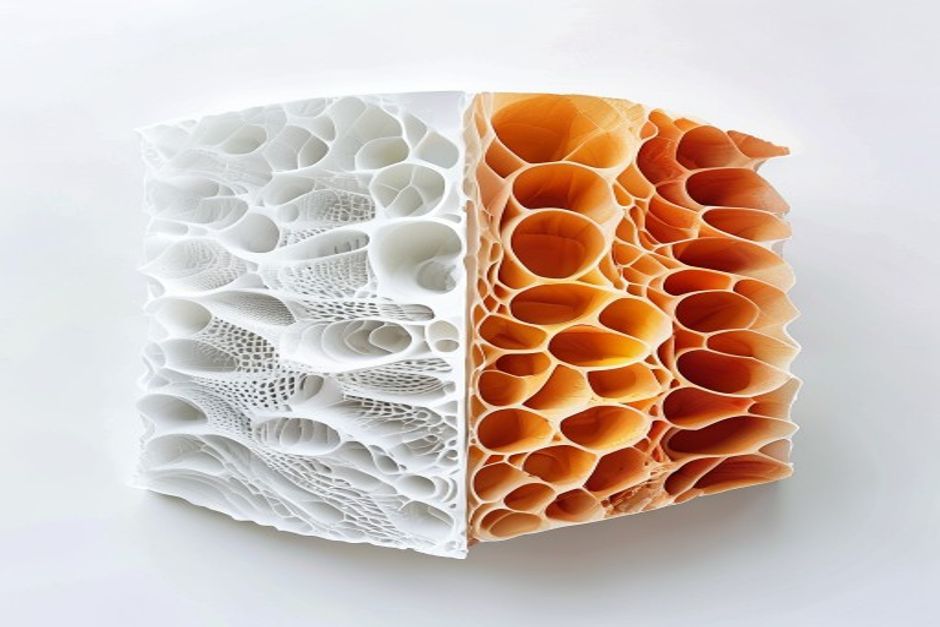
Why Infill Pattern Matters
Infill serves multiple purposes:
- Structural support: Provides internal strength
- Top surface support: Prevents sagging on flat surfaces
- 軽量化: Varies density without proportional strength loss
- Material savings: Reduces print cost and time
Production applications benefit significantly from optimized infill.
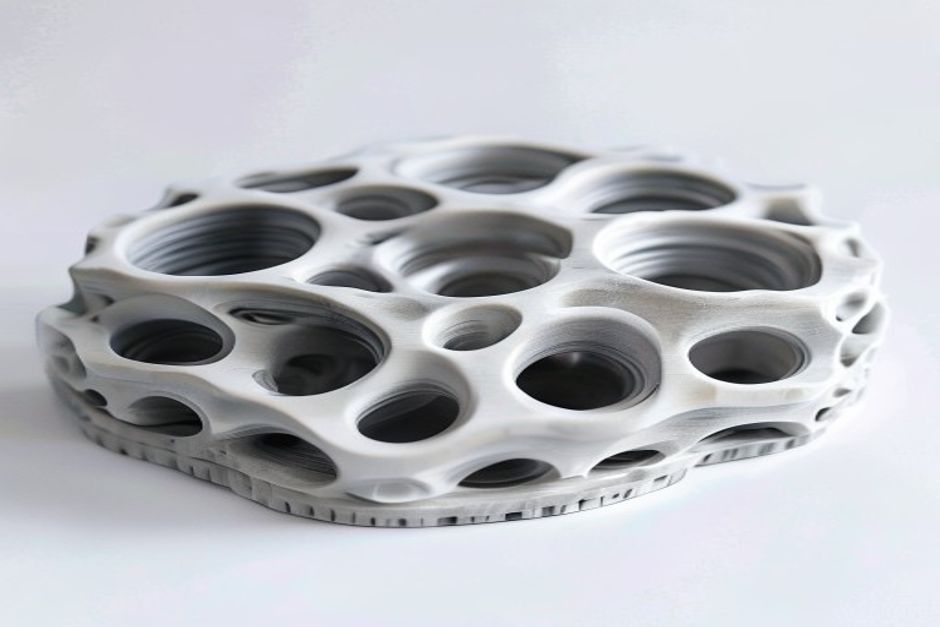
Pattern Comparison
Honeycomb (Hexagonal)
特徴
- Excellent strength-to-weight ratio
- Even stress distribution
- Medium print time
- Good for most applications
Best For: General-purpose functional parts
Glass-filled materials pair well with honeycomb.
Gyroid
特徴
- Superior isotropic strength (equal in all directions)
- Good vibration damping
- Slightly longer print time
- Excellent for load-bearing parts
Best For: Parts with multi-directional loads
Cubic
特徴
- Good strength, slightly anisotropic
- Fast printing
- Easy to print
- Good for standard applications
Best For: Quick prototypes, non-critical parts
Triangular
特徴
- High strength in specific directions
- Fast printing
- Good for specific load cases
- Directional properties
Best For: Parts with known load direction
Grid/Rectilinear
特徴
- Fastest printing
- Lowest material usage
- Weakest structure
- Good for non-structural parts
Best For: Display models, light-duty applications
Lightning
特徴
- Minimal material usage
- Fast printing
- Weak structure
- Automatic density adjustment
Best For: Top surface support only, not structural
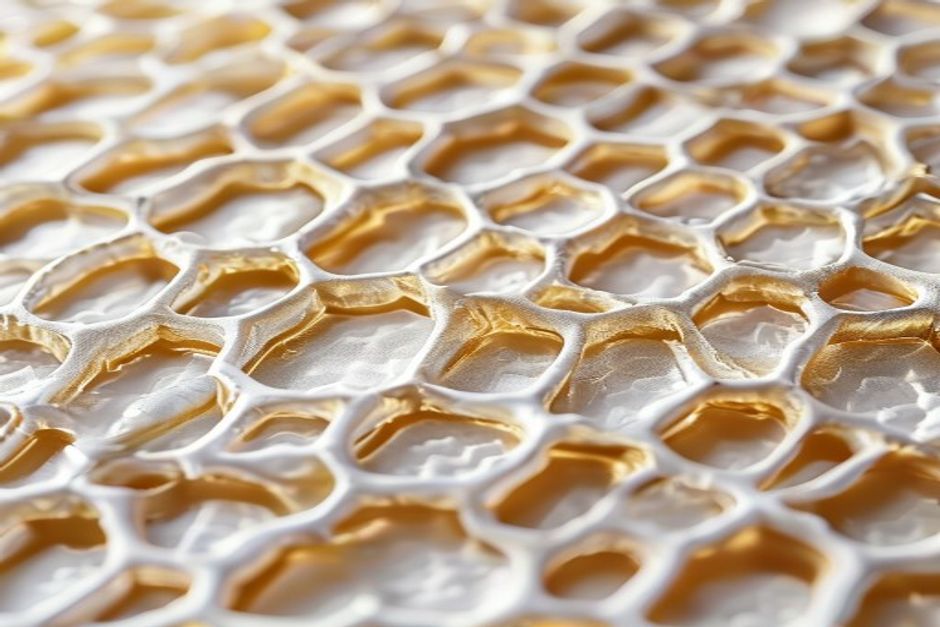
Strength Comparison
| Pattern | Tensile | Compressive | Shear | Isotropy |
|---|---|---|---|---|
| Gyroid | ★★★★★ | ★★★★★ | ★★★★★ | 素晴らしい |
| Honeycomb | ★★★★☆ | ★★★★★ | ★★★★☆ | グッド |
| Cubic | ★★★★☆ | ★★★★☆ | ★★★☆☆ | Moderate |
| Triangular | ★★★☆☆ | ★★★★☆ | ★★★★☆ | 貧しい |
| Grid | ★★☆☆☆ | ★★★☆☆ | ★★☆☆☆ | 貧しい |
| Lightning | ★☆☆☆☆ | ★★☆☆☆ | ★☆☆☆☆ | N/A |
Density Recommendations
| Application | 密度 | Pattern |
|---|---|---|
| Display only | 10-15% | Grid |
| Light duty | 15-20% | Cubic |
| Standard | 20-30% | Honeycomb |
| Functional | 30-50% | Gyroid |
| High strength | 50-80% | Gyroid |
| Solid | 100% | Any |
Speed Impact
Relative print time at 20% infill:
| Pattern | Relative Speed |
|---|---|
| Lightning | 100% (fastest) |
| Grid | 95% |
| Triangular | 90% |
| Cubic | 85% |
| Honeycomb | 75% |
| Gyroid | 70% |
Material costs should factor into pattern selection.
よくあるご質問
When is Infill Patterns Explained — Strength, Speed & Material Usage Compared a good option?
Infill Patterns Explained — Strength, Speed & Material Usage Compared is a good option when fast iteration, complex geometry, low tooling cost, or low-volume production is more important than molded-part unit cost.
What should be checked before choosing Infill Patterns Explained — Strength, Speed & Material Usage Compared?
部品サイズ、材料特性、表面仕上げ、寸法公差、熱暴露、荷重方向、後処理が必要かどうかを確認する。.
How does Infill Patterns Explained — Strength, Speed & Material Usage Compared compare with CNC machining?
3Dプリンティングは複雑な形状を素早く作ることができるが、CNC機械加工は精密な表面、より厳しい公差、生産グレードの材料に強いことが多い。.
What affects the cost of Infill Patterns Explained — Strength, Speed & Material Usage Compared?
コストは、材料、造形量、印刷時間、レイヤーの高さ、サポート除去、仕上げ、検査、造形物の部品数によって異なる。.
 English
 Dutch
Dutch German
 French
 Korean
 Russian
 Japanese
 Spanish
 Vietnamese
 Chinese
 Portuguese
 Arabic