Metal 3D printing has evolved from a prototyping curiosity to a production-ready technology. Aerospace, medical, and automotive industries now use metal additive manufacturing for end-use parts, pushing the boundaries of what’s possible in design and manufacturing.
Metal 3D Printing Technologies
Several technologies fall under the metal 3D printing umbrella, each with distinct characteristics:
DMLS (直接金属レーザー焼結)
Developed by EOS, DMLS uses a laser to selectively sinter metal powder layer by layer. The process produces fully dense parts with mechanical properties comparable to wrought materials.
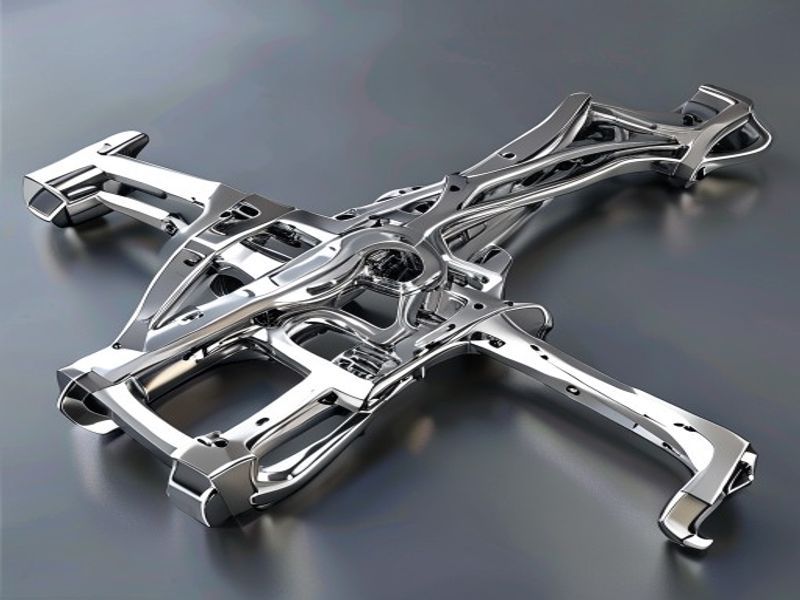
SLM(選択的レーザー溶融)
Similar to DMLS but fully melts the powder rather than sintering. Produces parts with slightly different microstructures. Used by several manufacturers including Renishaw and SLM Solutions.
EBM(電子ビーム溶解)
Uses an electron beam in a vacuum environment. Higher energy efficiency and faster build rates than laser systems. Parts have a characteristic slightly rougher surface finish.
Bound Metal Deposition
Desktop Metal and Markforged offer systems that extrude bound metal filament, similar to FDM. Parts are then sintered in a furnace. More accessible than powder-based systems but with some limitations.
利用可能な素材
| 素材 | Properties | 一般的なアプリケーション |
|---|---|---|
| Titanium (Ti64) | High strength-to-weight, biocompatible | Aerospace, medical implants |
| Aluminum (AlSi10Mg) | Lightweight, good thermal conductivity | Automotive, heat exchangers |
| Stainless Steel (316L) | Corrosion resistant, strong | Medical devices, food processing |
| Inconel (718) | Heat resistant, high strength at temperature | Turbine components, aerospace |
| コバルト・クローム | Wear resistant, biocompatible | Dental, orthopedic implants |
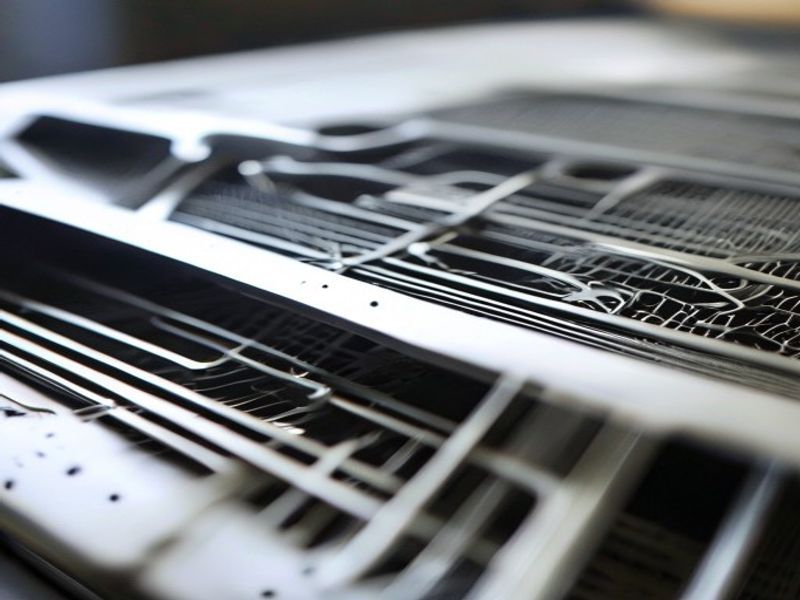
Design Guidelines for Metal 3D Printing
Designing for metal additive manufacturing requires understanding the process constraints:
Support Structures
Most metal processes require supports to:
- Anchor the part to the build plate
- Support overhangs and internal features
- Conduct heat away from the melt pool
- Prevent warpage and residual stress
Minimum Features
- Wall thickness: 0.4-1.0mm minimum depending on material
- Hole diameter: 0.5mm minimum
- Pins/columns: 0.8mm diameter minimum
- Detail resolution: 0.1-0.2mm typical
Stress Relief Design
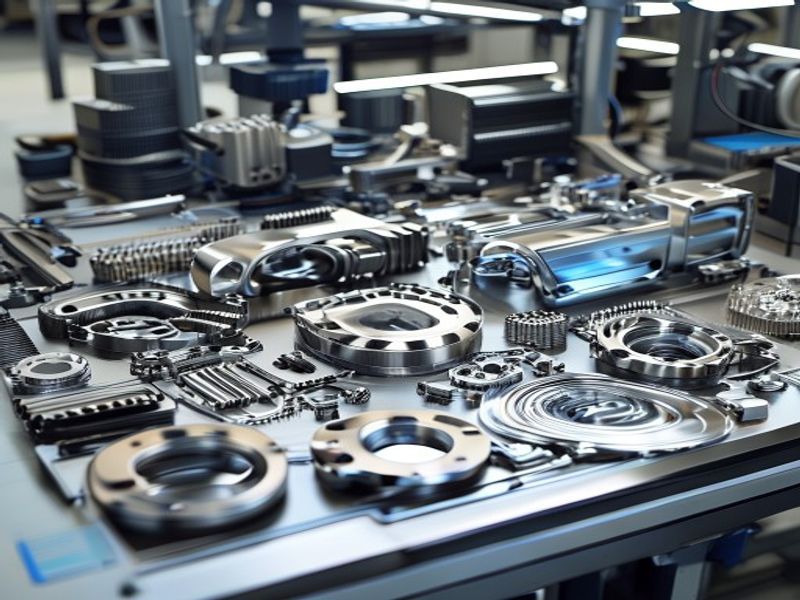
Metal printing generates significant thermal stress. Design considerations include:
- Avoid thick-to-thin transitions
- Use gradual geometry changes
- Consider self-supporting angles (typically 45°+)
- Plan for heat treatment after printing
後処理の要件
Metal printed parts almost always require post-processing:
サポートの取り外し
Supports are typically removed mechanically (wire EDM, bandsaw, machining) or manually. Some advanced systems offer soluble supports for certain materials.
熱処理
Stress relief and/or hot isostatic pressing (HIP) improve mechanical properties and relieve residual stress. Required for most structural applications.
Surface Finishing
As-printed surface roughness typically Ra 6-15μm. Options include:
- Machining for precision surfaces
- Polishing for aesthetic requirements
- Shot peening for fatigue improvement
- Coating for corrosion protection
産業用途
航空宇宙
Complex brackets, fuel nozzles, and structural components. Weight reduction through optimized designs can save airlines millions in fuel costs over an aircraft’s lifetime.
メディカル
Patient-specific implants, surgical instruments, and dental prosthetics. Lattice structures promote bone ingrowth for orthopedic implants.
自動車
Oil and Gas
Downhole tools, valves, and repair of expensive components. Metal printing enables rapid replacement of obsolete parts.
当社の能力
を超える。 300台のCNCマシン, を生産している。 毎日10,000個 という厳しい公差で ±0.005mm. .我々は受け入れる 1個からのMOQ, 納期は以下の通り。 24時間~15日間. .試作品1個から数千個の生産部品まで、当社には供給能力と専門知識があります。. 24時間以内にお見積もりいたします。.
よくあるご質問
When is Metal 3D Printing: Technologies, Materials, and Industrial Applications a good option?
Metal 3D Printing: Technologies, Materials, and Industrial Applications is a good option when fast iteration, complex geometry, low tooling cost, or low-volume production is more important than molded-part unit cost.
What should be checked before choosing Metal 3D Printing: Technologies, Materials, and Industrial Applications?
部品サイズ、材料特性、表面仕上げ、寸法公差、熱暴露、荷重方向、後処理が必要かどうかを確認する。.
How does Metal 3D Printing: Technologies, Materials, and Industrial Applications compare with CNC machining?
3Dプリンティングは複雑な形状を素早く作ることができるが、CNC機械加工は精密な表面、より厳しい公差、生産グレードの材料に強いことが多い。.
What affects the cost of Metal 3D Printing: Technologies, Materials, and Industrial Applications?
コストは、材料、造形量、印刷時間、レイヤーの高さ、サポート除去、仕上げ、検査、造形物の部品数によって異なる。.