What Is Thermoplastic Polyurethane? Understanding the Chemistry Behind TPU
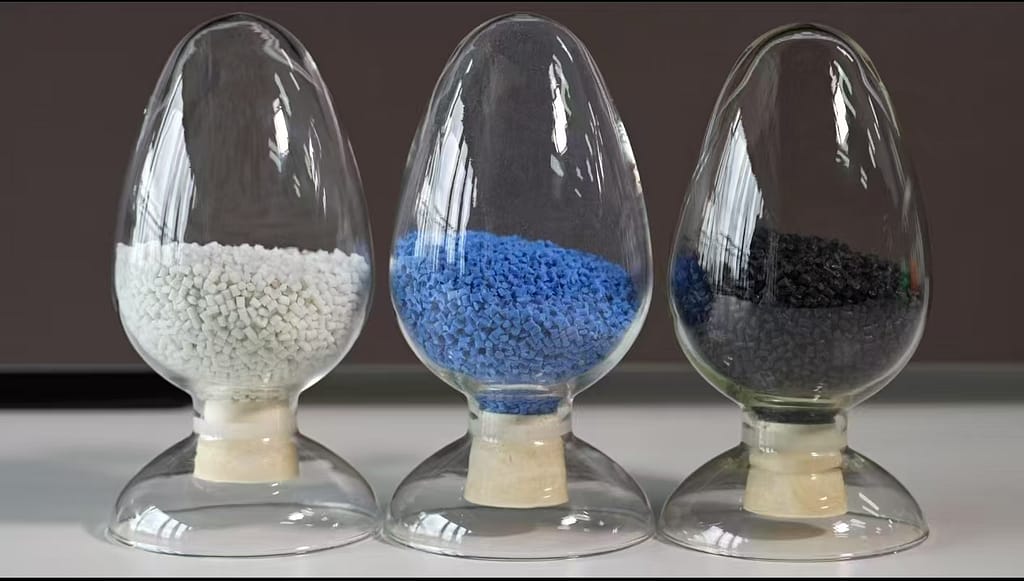
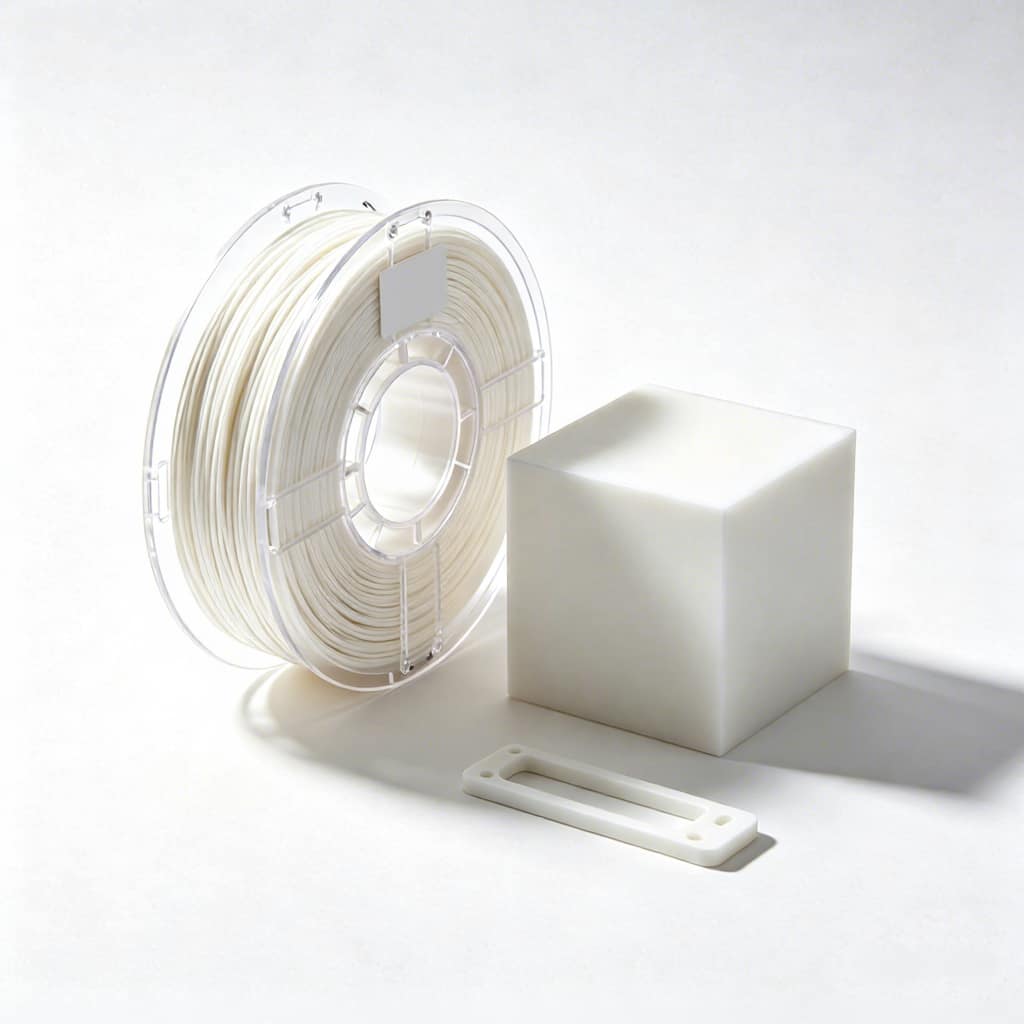
Thermoplastic polyurethane, commonly abbreviated as TPU, is a versatile block copolymer that belongs to the thermoplastic elastomer (TPE) family. Unlike thermoset rubbers that require vulcanization and cannot be remelted, TPU combines the elastic behavior of rubber with the processability of thermoplastics. This dual nature makes it one of the most sought-after engineering materials in industries ranging from automotive to medical devices.
At the molecular level, TPU consists of alternating hard and soft segments. The hard segments are formed by the reaction of diisocyanates with short-chain diols (chain extenders), creating rigid domains through hydrogen bonding. The soft segments come from long-chain polyols, typically polyether or polyester types, which provide flexibility and elasticity. This segmented structure produces a microphase-separated morphology where hard domains act as physical crosslinks, reinforcing the soft matrix and giving TPU its remarkable mechanical properties.

The ratio of hard to soft segments, the choice of polyol (polyether vs. polyester), and the specific diisocyanate used all influence the final properties of the material. Polyether-based TPU grades offer better hydrolysis resistance and low-temperature flexibility, while polyester-based grades deliver superior mechanical strength and oil resistance. Understanding these chemical distinctions is essential for buyers selecting thermoplastic polyurethane for specific applications.
About Our Engineering Plastics Supply
As an ISO 9001 certified engineering plastics manufacturer and exporter based in China, we specialize in providing high-quality nylon (PA6, PA66, PA12), polyacetal (POM), thermoplastic polyurethane (TPU), polypropylene (PP), and specialty engineering compounds to B2B buyers worldwide. Our products include glass fiber reinforced, carbon fiber filled, flame retardant, and custom-modified grades tailored to your application requirements. With in-house testing laboratories and a dedicated R&D team, we ensure consistent quality across every batch. Whether you need standard grades or custom formulations, we deliver reliable material solutions for automotive, electronics, industrial, and consumer goods applications.
Detailed Properties and Performance Characteristics of TPU
Thermoplastic polyurethane offers an exceptionally wide range of performance characteristics that can be precisely tuned during polymerization. One of its most distinctive features is the broad hardness range, spanning from Shore A60 (soft, rubbery) to Shore D85 (rigid, engineering-plastic-like). This tunability allows a single polymer family to replace multiple materials in a product lineup.
Mechanical Performance
TPU delivers high tensile strength, typically ranging from 25 to 70 MPa depending on grade and hardness. Its elongation at break is outstanding, often exceeding 300% and reaching up to 700% for softer grades. This combination of strength and extensibility is rare among engineering materials. The material also exhibits excellent tear strength and abrasion resistance, outperforming many conventional rubbers and TPEs in wear-critical applications.
Thermal Behavior
Thermoplastic polyurethane operates effectively across a wide temperature window. It demonstrates outstanding cold resistance, remaining flexible and impact-resistant at temperatures as low as -40 degrees Celsius. On the upper end, continuous service temperature reaches approximately 80 to 85 degrees Celsius, with short-term peak resistance up to 120 degrees Celsius. However, prolonged exposure above 80 degrees Celsius can lead to gradual softening and property degradation, which is an important design consideration for under-hood automotive applications.
Chemical and Environmental Resistance
TPU demonstrates good resistance to oils, greases, solvents, and many industrial chemicals. Polyether-based grades resist hydrolysis and microbial attack, making them suitable for wet environments. Polyester-based grades provide stronger resistance against fuels, oils, and non-polar solvents. Both types show good resistance to mold and mildew growth. However, thermoplastic polyurethane has a notable weakness in UV resistance. Prolonged exposure to ultraviolet radiation causes surface chalking, discoloration, and embrittlement unless UV stabilizers are added or the material is shielded from direct sunlight.

Advantages of Thermoplastic Polyurethane in Industrial Applications
The industrial appeal of TPU stems from several key advantages. First, its strong wear resistance makes it ideal for components subjected to friction and repeated impact, such as conveyor belts, cable sheathing, and protective covers. Second, TPU processes easily through standard thermoplastic methods including injection molding, extrusion, and blow molding, eliminating the need for vulcanization equipment and significantly reducing production cycle times.
Third, thermoplastic polyurethane is recyclable. Production scrap, sprues, and even end-of-life parts can be reground and reprocessed without significant property loss (typically up to 20% regrind content). This recyclability aligns with growing environmental regulations and sustainability goals, making TPU an increasingly attractive choice for manufacturers facing pressure to reduce waste.
Additionally, TPU bonds well to a variety of substrates through adhesive bonding, heat welding, and overmolding. It can be co-extruded with other thermoplastics to create multi-layer structures, and it adheres readily to fabrics through lamination processes. This versatility simplifies assembly and expands design possibilities.
Disadvantages and Limitations to Consider
Despite its broad capabilities, thermoplastic polyurethane has limitations that buyers must evaluate against application requirements. The most significant drawback is cost. TPU is substantially more expensive than commodity thermoplastics like polyethylene and polypropylene, and it also carries a premium over many TPE grades. For high-volume, cost-sensitive applications, this price differential can be prohibitive.
Weather resistance is another concern. Standard TPU grades degrade under UV exposure unless specifically formulated with stabilizers. Even with additives, outdoor applications may require protective coatings or design features that shield the material from direct sunlight. The maximum continuous service temperature of approximately 85 degrees Celsius limits use in high-heat environments, particularly when compared to engineering plastics like POM or nylon that can withstand higher thermal loads.
TPU also exhibits higher moisture absorption than many thermoplastics, particularly polyether-based grades. While this absorption generally does not degrade mechanical properties to the extent seen in nylons, it requires pre-drying before processing and can affect dimensional tolerances in precision-molded parts.
TPU vs. Other Thermoplastic Elastomers and Engineering Plastics
TPU Compared to TPE and TPO
Within the TPE family, thermoplastic polyurethane occupies the performance tier above TPE-S (styrenic block copolymers) and TPO (thermoplastic olefins). TPE-S grades are lower in cost and easier to process, but they cannot match TPU in tensile strength, tear resistance, and abrasion performance. TPO materials offer better chemical resistance and lower density, but lack the elasticity range and mechanical robustness of TPU. Thermoplastic vulcanizates (TPV) sit closer to TPU in performance but are more expensive and harder to process.
TPU Compared to Silicone Rubber
Silicone rubber offers superior temperature resistance (up to 230 degrees Celsius) and excellent biocompatibility for medical implants. However, silicone cannot be processed by conventional thermoplastic methods, requiring longer cycle times and specialized equipment. TPU provides comparable flexibility at a fraction of the processing cost, making it the preferred choice for disposable medical devices and consumer products where implant-grade biostability is not required.
TPU Compared to Engineering Plastics
Against engineering plastics like nylon (PA6, PA66) and polyacetal (POM), TPU trades rigidity for elasticity. Nylon and POM offer higher stiffness, better creep resistance, and higher continuous use temperatures. TPU excels in applications requiring flexibility, impact absorption, and elongation that rigid engineering plastics cannot provide. In many product designs, TPU complements these materials rather than competing with them, serving as soft-touch overmolds on rigid plastic substrates.
Processing Methods and Best Practices
射出成形
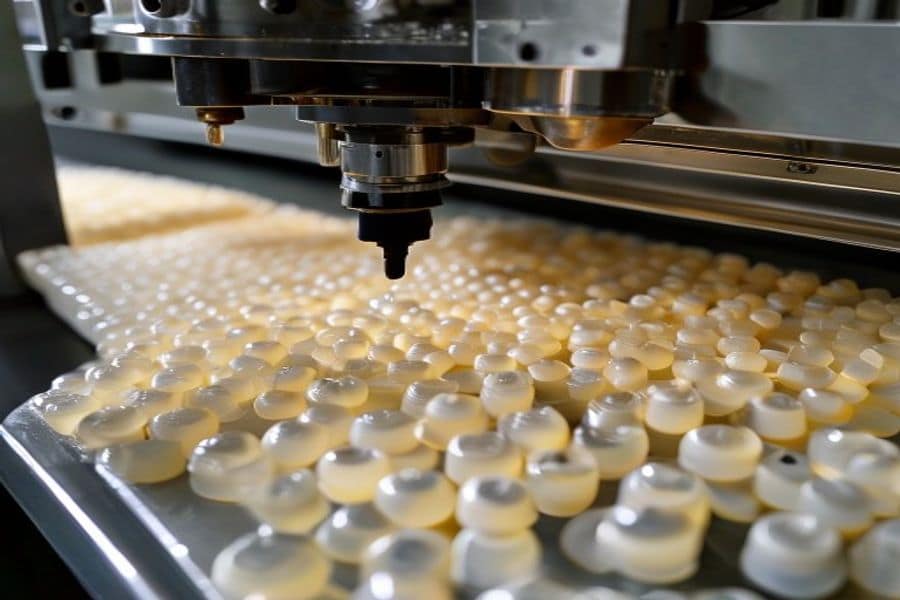
Injection molding is the most common processing method for TPU parts. The material must be thoroughly dried before molding, typically at 80 to 100 degrees Celsius for 2 to 4 hours, depending on the grade and moisture sensitivity. Melt temperatures range from 180 to 230 degrees Celsius. Mold temperatures of 20 to 60 degrees Celsius are typical, with lower temperatures producing faster cycle times and higher temperatures improving surface finish and dimensional accuracy.
TPU has a relatively low melt viscosity, which is advantageous for filling thin-wall sections but requires attention to gate design and injection speed to prevent flash. Hot runner systems work well with TPU, provided the temperature is uniform throughout the manifold to prevent material degradation at hot spots.
Extrusion
Extrusion of TPU is widely used for tubing, profiles, films, and cable jacketing. Extrusion temperatures are typically 10 to 20 degrees Celsius lower than injection molding. Cooling is critical, as TPU is sensitive to draw-down ratio and cooling rate, which affect crystallinity and final properties. Calibrated sizing and controlled water-bath temperatures ensure consistent dimensions.
Blow Molding and Film Casting
TPU films are produced by both cast and blown film processes. Cast film offers superior optical clarity and thickness control, while blown film provides better biaxial orientation and mechanical balance. Blow molding of TPU bottles and containers is less common but feasible for specialty applications requiring flexibility and toughness.
Typical Applications Across Industries
自動車
In the automotive sector, TPU is used for interior trim components, instrument panel skins, gear shift boots, cable jacketing, and protective bellows. Its abrasion resistance makes it suitable for exterior applications like bumper protectors and side molding, provided UV-stabilized grades are specified. The growing electric vehicle market has expanded TPU demand for battery cable insulation and vibration-damping components.
Footwear
The footwear industry is one of the largest consumers of TPU globally. It is used for shoe soles, midsoles, and upper components. TPU soles offer excellent slip resistance, abrasion durability, and comfort. The material can be colored during processing, eliminating the need for post-molding painting. Direct-injection sole molding has become a standard production method for athletic and casual footwear.
Electronics and Consumer Goods
TPU is widely used for protective cases for smartphones, tablets, and laptops. Its combination of impact absorption, transparency (in certain grades), and pleasant tactile feel has made it the material of choice for device accessories. It also serves in cable ties, hose and tubing, sports equipment grips, and flexible hinges on consumer packaging.
医療機器
Medical-grade TPU meets ISO 10993 and USP Class VI biocompatibility standards for skin-contact and limited-exposure applications. Common medical uses include catheter tubing, wound dressings, wearable sensor housings, and flexible connectors. Its transparency, flexibility, and ability to be sterilized by gamma radiation and ethylene oxide make it a versatile material in the healthcare supply chain.
How to Select the Right TPU Grade for Your Project
Selecting the optimal thermoplastic polyurethane grade requires evaluating several interrelated factors. Start with the required hardness range: Shore A60 to A80 for soft, flexible applications; Shore A85 to D60 for semi-rigid parts; and Shore D65 to D85 for rigid components needing impact resistance.
Next, consider the polyol chemistry. Choose polyester-based TPU when mechanical strength, abrasion resistance, and oil resistance are priorities. Select polyether-based TPU for applications involving water exposure, low-temperature flexibility, or microbial resistance. For outdoor use, request UV-stabilized formulations with HALS (hindered amine light stabilizers) and UV absorbers.
Processing requirements also influence grade selection. Low-viscosity grades fill thin-wall molds more easily, while high-viscosity grades offer better melt strength for extrusion and blow molding. Evaluate regrind policy: most TPU grades tolerate 10 to 20% regrind without significant property loss, but verify with the supplier for specific grade data.
Finally, consider regulatory compliance. Medical, food-contact, and automotive applications may require specific certifications (FDA, REACH, RoHS, ISO 10993). Discuss compliance documentation with your supplier during the grade selection process to avoid costly delays during product qualification.
Frequently Asked Questions About Thermoplastic Polyurethane
Is thermoplastic polyurethane the same as polyurethane foam?
No. Thermoplastic polyurethane (TPU) is a solid, melt-processable elastomer, while polyurethane foam is a thermoset material produced by mixing liquid components that react and expand into a cellular structure. TPU can be melted, reshaped, and recycled, whereas polyurethane foam cannot be reprocessed once cured. They serve entirely different applications despite sharing the polyurethane chemical family.
Can TPU be used for outdoor applications exposed to sunlight?
Standard TPU grades are not recommended for prolonged outdoor UV exposure because they degrade, becoming discolored and brittle over time. However, UV-stabilized TPU formulations are available that incorporate HALS and UV absorbers to significantly extend outdoor service life. For the most demanding outdoor applications, combining UV-stabilized TPU with protective coatings or sheltered designs provides the best long-term performance.
What is the typical cost difference between TPU and standard TPE?
TPU generally costs 30 to 80% more than styrenic TPE (TPE-S) and 10 to 30% more than thermoplastic vulcanizates (TPV), depending on grade specifications and order volume. The price premium reflects TPU’s superior mechanical properties, broader hardness range, and better abrasion resistance. For applications where TPE-S performance is sufficient, the lower cost may justify the material switch, but for demanding engineering applications, TPU often provides better total cost of ownership through longer service life and reduced warranty claims.
How should TPU be stored before processing?
TPU pellets should be stored in a cool, dry environment in sealed containers or moisture-barrier bags with desiccant. When properly stored, most TPU grades have a shelf life of 12 to 24 months. Before processing, the material must be dried in a dehumidifying hopper dryer at 80 to 100 degrees Celsius for 2 to 4 hours to reduce moisture content below 0.05%. Failure to dry TPU adequately before injection molding or extrusion will cause surface defects, bubbles, and property degradation in the finished parts.