
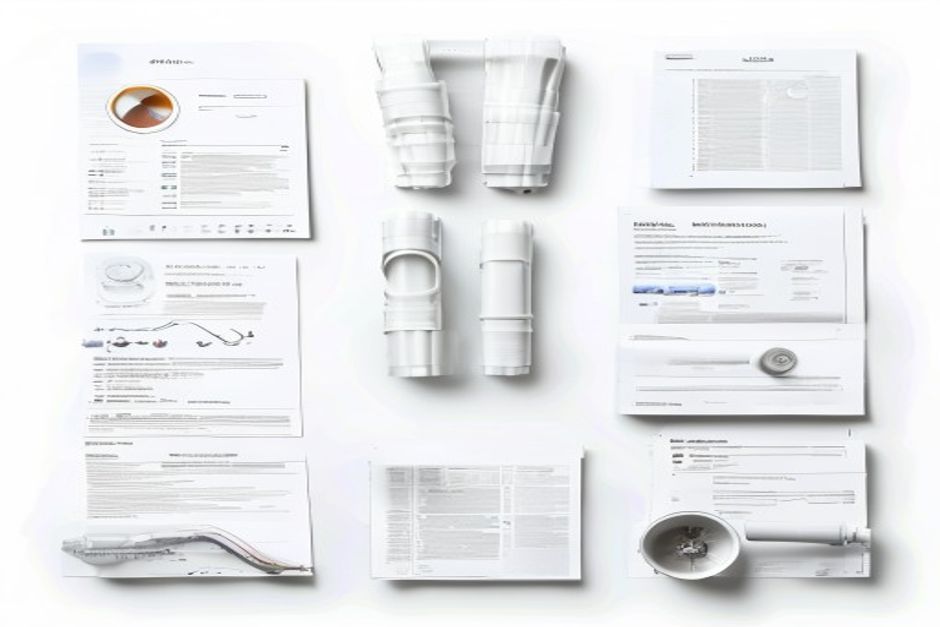

Key Sections of a Datasheet
Mechanical Properties
- Tensile Strength: Maximum stress before breaking
- Flexural Modulus: Stiffness measurement
- Impact Strength: Resistance to sudden loads (Izod/Charpy)
Thermal Properties
- HDT: Heat Deflection Temperature at 0.45 or 1.8 MPa
- TG: Glass transition temperature
- Melting Point: For semi-crystalline plastics
Processing Parameters
- 용융 온도: Recommended processing range
- 금형 온도: Tool temperature for quality parts
- Drying Requirements: Moisture content limits
Comparing Materials
Always compare datasheets under identical test conditions. Different standards (ISO vs ASTM) can give different values.
자주 묻는 질문
When is How to Read Engineering Plastics Datasheets — A Practical Guide for Engineers a good option?
How to Read Engineering Plastics Datasheets — A Practical Guide for Engineers is a good option when fast iteration, complex geometry, low tooling cost, or low-volume production is more important than molded-part unit cost.
What should be checked before choosing How to Read Engineering Plastics Datasheets — A Practical Guide for Engineers?
부품 크기, 재료 특성, 표면 마감, 치수 공차, 열 노출, 하중 방향, 후처리가 필요한지 여부를 확인합니다.
How does How to Read Engineering Plastics Datasheets — A Practical Guide for Engineers compare with CNC machining?
3D 프린팅은 복잡한 형상을 빠르게 제작할 수 있는 반면, CNC 가공은 정밀한 표면, 엄격한 공차 및 생산 등급 재료에 더 적합한 경우가 많습니다.
What affects the cost of How to Read Engineering Plastics Datasheets — A Practical Guide for Engineers?
비용은 재료, 빌드 볼륨, 프린트 시간, 레이어 높이, 서포트 제거, 마감, 검사 및 빌드 내 부품 수에 따라 달라집니다.


 English
 Dutch
Dutch German
 French
 Korean
 Russian
 Japanese
 Spanish
 Vietnamese
 Chinese
 Portuguese
 Arabic