Metal 3D printing has evolved from a prototyping curiosity to a production-ready technology. Aerospace, medical, and automotive industries now use metal additive manufacturing for end-use parts, pushing the boundaries of what’s possible in design and manufacturing.
Metal 3D Printing Technologies
Several technologies fall under the metal 3D printing umbrella, each with distinct characteristics:
DMLS (Direct Metal Laser Sintering)
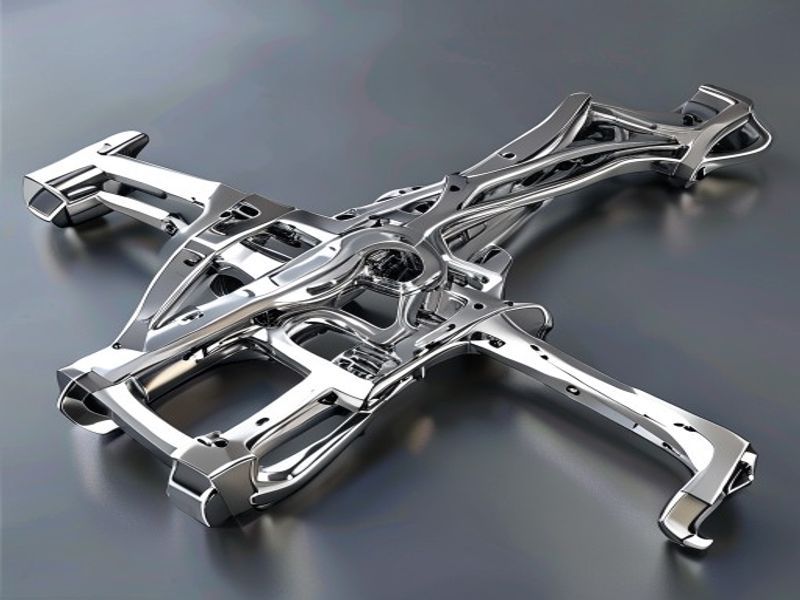
Developed by EOS, DMLS uses a laser to selectively sinter metal powder layer by layer. The process produces fully dense parts with mechanical properties comparable to wrought materials.
SLM (selectief lasersmelten)
Similar to DMLS but fully melts the powder rather than sintering. Produces parts with slightly different microstructures. Used by several manufacturers including Renishaw and SLM Solutions.
EBM (elektronenstraalsmelting)
Uses an electron beam in a vacuum environment. Higher energy efficiency and faster build rates than laser systems. Parts have a characteristic slightly rougher surface finish.
Bound Metal Deposition
Desktop Metal and Markforged offer systems that extrude bound metal filament, similar to FDM. Parts are then sintered in a furnace. More accessible than powder-based systems but with some limitations.
Beschikbare materialen
| Materiaal | Eigenschappen | Algemene toepassingen |
|---|---|---|
| Titanium (Ti64) | High strength-to-weight, biocompatible | Aerospace, medical implants |
| Aluminum (AlSi10Mg) | Lightweight, good thermal conductivity | Automotive, heat exchangers |
| Stainless Steel (316L) | Corrosion resistant, strong | Medical devices, food processing |
| Inconel (718) | Heat resistant, high strength at temperature | Turbine components, aerospace |
| Kobalt Chroom | Wear resistant, biocompatible | Dental, orthopedic implants |
Design Guidelines for Metal 3D Printing
Designing for metal additive manufacturing requires understanding the process constraints:
Support Structures
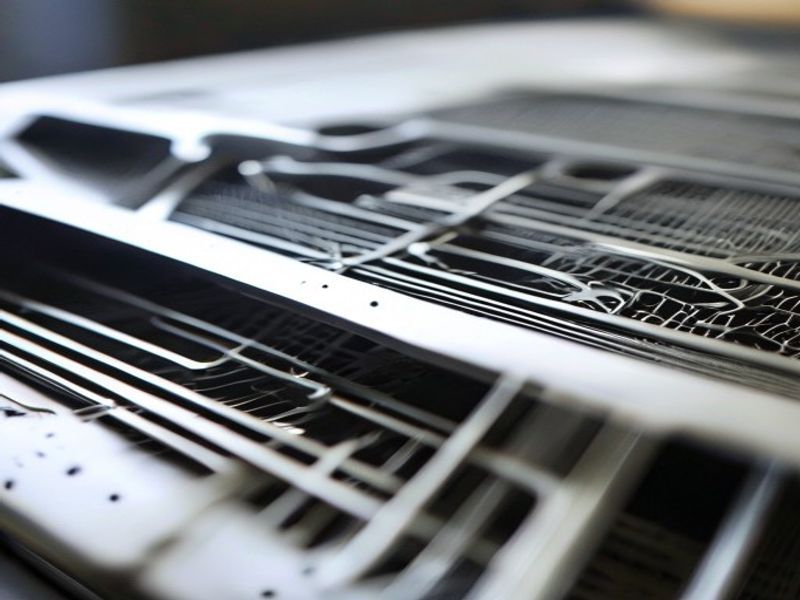
Most metal processes require supports to:
- Anchor the part to the build plate
- Support overhangs and internal features
- Conduct heat away from the melt pool
- Prevent warpage and residual stress
Minimum Features
- Wall thickness: 0.4-1.0mm minimum depending on material
- Hole diameter: 0.5mm minimum
- Pins/columns: 0.8mm diameter minimum
- Detail resolution: 0.1-0.2mm typical
Stress Relief Design
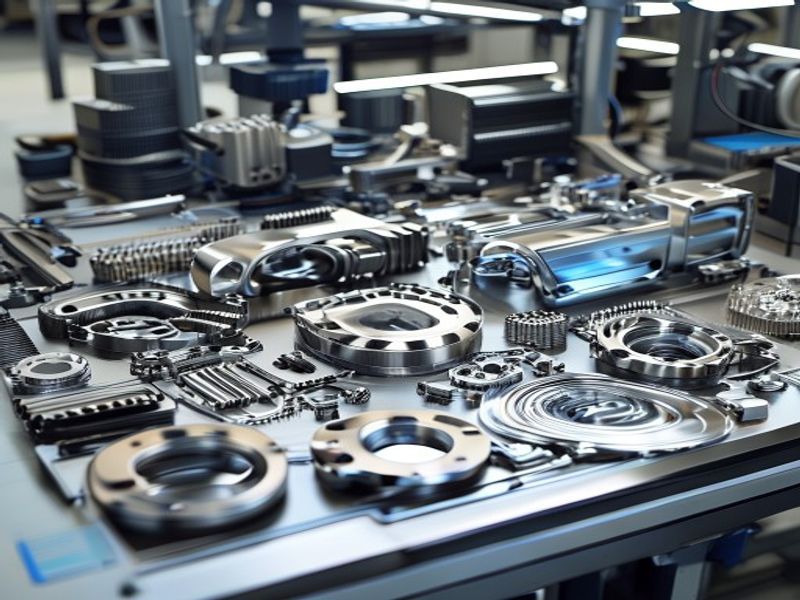
Metal printing generates significant thermal stress. Design considerations include:
- Avoid thick-to-thin transitions
- Use gradual geometry changes
- Consider self-supporting angles (typically 45°+)
- Plan for heat treatment after printing
Post-Processing Requirements
Metal printed parts almost always require post-processing:
Support Removal
Supports are typically removed mechanically (wire EDM, bandsaw, machining) or manually. Some advanced systems offer soluble supports for certain materials.
Heat Treatment
Stress relief and/or hot isostatic pressing (HIP) improve mechanical properties and relieve residual stress. Required for most structural applications.
Surface Finishing
As-printed surface roughness typically Ra 6-15μm. Options include:
- Machining for precision surfaces
- Polishing for aesthetic requirements
- Shot peening for fatigue improvement
- Coating for corrosion protection
Industriële toepassingen
Ruimtevaart
Complex brackets, fuel nozzles, and structural components. Weight reduction through optimized designs can save airlines millions in fuel costs over an aircraft’s lifetime.
Medisch
Patient-specific implants, surgical instruments, and dental prosthetics. Lattice structures promote bone ingrowth for orthopedic implants.
Automotive
Oil and Gas
Downhole tools, valves, and repair of expensive components. Metal printing enables rapid replacement of obsolete parts.
Onze mogelijkheden
Met meer dan 300 CNC machines, produceren we meer dan 10.000 stuks per dag met toleranties zo nauw als ±0,005mm. Wij accepteren MOQ vanaf 1 stuk, met levertijden variërend van 24 uur tot 15 dagen. Of je nu een enkel prototype of duizenden productieonderdelen nodig hebt, wij hebben de capaciteit en expertise om te leveren. Ontvang binnen 24 uur een offerte.
FAQ
When is Metal 3D Printing: Technologies, Materials, and Industrial Applications a good option?
Metal 3D Printing: Technologies, Materials, and Industrial Applications is a good option when fast iteration, complex geometry, low tooling cost, or low-volume production is more important than molded-part unit cost.
What should be checked before choosing Metal 3D Printing: Technologies, Materials, and Industrial Applications?
Controleer de onderdeelgrootte, materiaaleigenschappen, oppervlakteafwerking, maattolerantie, blootstelling aan hitte, belastingsrichting en of nabewerking nodig is.
How does Metal 3D Printing: Technologies, Materials, and Industrial Applications compare with CNC machining?
Met 3D-printen kunnen complexe vormen snel worden gemaakt, terwijl CNC-bewerking vaak sterker is voor precieze oppervlakken, nauwere toleranties en productiematerialen.
What affects the cost of Metal 3D Printing: Technologies, Materials, and Industrial Applications?
De kosten zijn afhankelijk van het materiaal, het bouwvolume, de printtijd, de laaghoogte, het verwijderen van de ondersteuning, de afwerking, de inspectie en het aantal onderdelen in de bouw.