
When designing parts for outdoor use, material selection becomes critical. UV radiation, temperature cycling, and moisture exposure can degrade prints over time. This guide compares ASA, ABS, and PETG for outdoor applications.
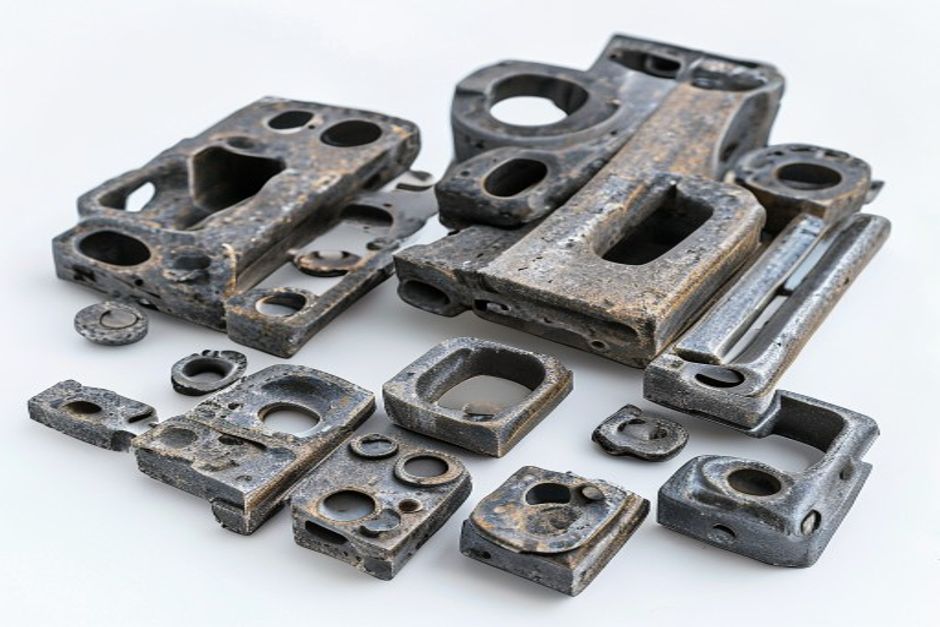
Understanding Weather Degradation
Outdoor environments challenge 3D printed materials through:
- UV radiation: Breaks polymer chains, causes yellowing
- Temperature cycling: Expansion/contraction causes stress
- Moisture: Promotes hydrolysis and surface degradation
- Ozone: Oxidizes some polymers
Our outdoor plastic guide covers additional materials.
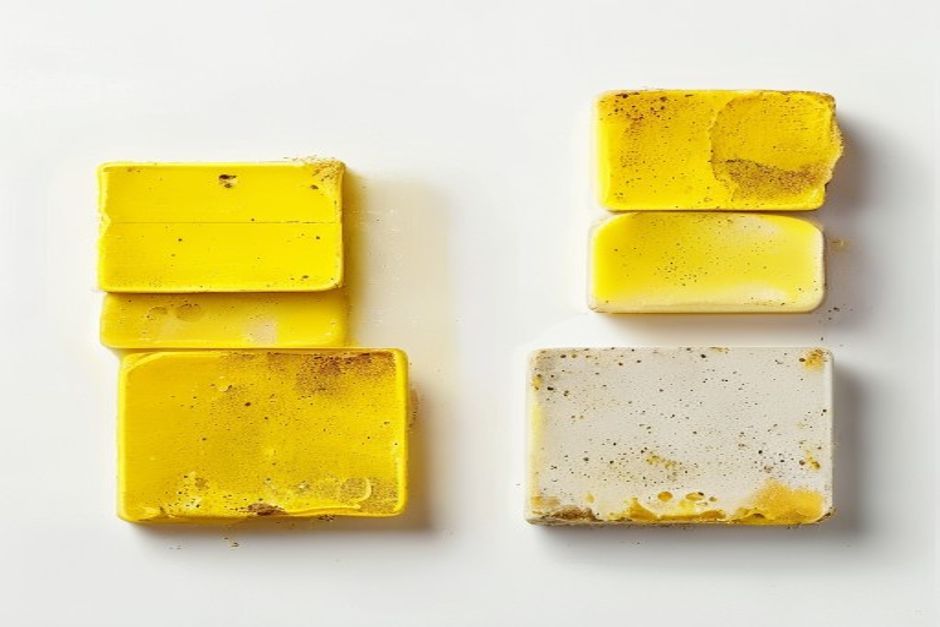
ASA: The Outdoor Champion
ASA (Acrylonitrile Styrene Acrylate) was specifically designed for outdoor use.
Weather Resistance
- UV stability: Excellent — acrylate rubber resists UV
- Yellowing: Minimal after years of exposure
- Embrittlement: Slow degradation curve
Temperature Performance
| Eigendom | Waarde |
|---|---|
| Glass transition | 105°C |
| Max service temp | 85-95°C |
| Min service temp | -20°C |
Printing
- Similar to ABS
- Requires enclosure
- 240-260°C nozzle
- 90-100°C bed
Full ASA printing guide available.
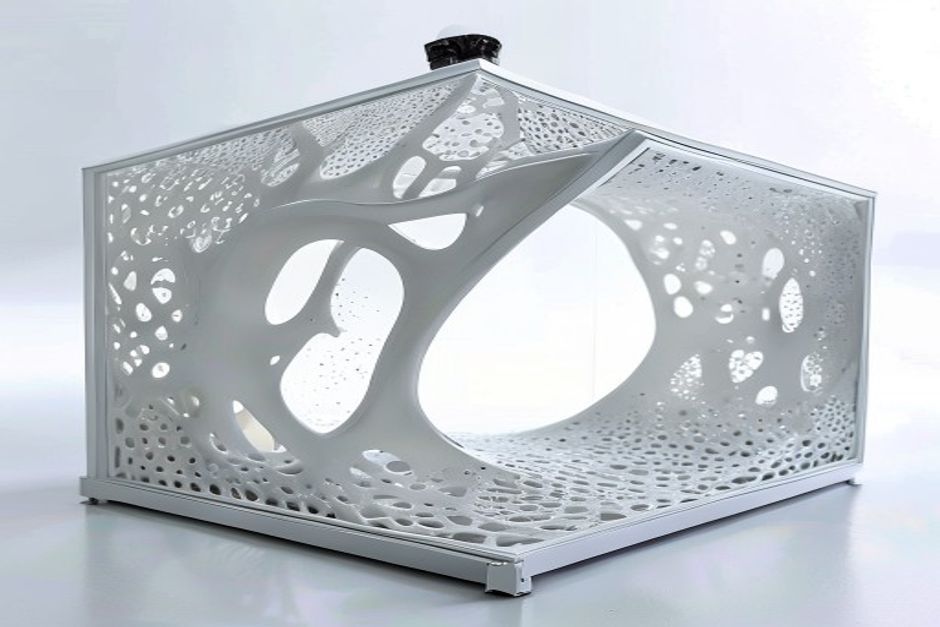
ABS: Moderate Outdoor Performance
ABS was not designed for outdoor use but performs adequately for short-term applications.
Weather Resistance
- UV stability: Poor to moderate
- Yellowing: Significant within months
- Embrittlement: Noticeable within 1-2 years
Mitigation Strategies
1. Paint coating: Blocks UV effectively
2. UV-resistant additives: Improves performance
3. Shaded mounting: Reduces exposure
Temperature Performance
| Eigendom | Waarde |
|---|---|
| Glass transition | 105°C |
| Max service temp | 80-90°C |
| Min service temp | -20°C |
PETG: Surprisingly Capable
PETG offers better UV resistance than ABS but lower temperature capability.
Weather Resistance
- UV stability: Good (better than ABS)
- Yellowing: Moderate over time
- Embrittlement: Slow
Belangrijkste voordeel
No enclosure required — easier for many users.
Temperature Performance
| Eigendom | Waarde |
|---|---|
| Glass transition | 80°C |
| Max service temp | 65°C |
| Min service temp | -20°C |
PETG technical details for reference.
Head-to-Head Comparison
| Eigendom | ASA | ABS | PETG |
|---|---|---|---|
| UV Resistance | Uitstekend | Poor | Goed |
| Heat Resistance | Uitstekend | Goed | Moderate |
| Print Ease | Moderate | Moderate | Gemakkelijk |
| Kosten | Hoger | Laag | Moderate |
| Behuizing | Required | Required | Not needed |
| 5-Year Outdoor | ✅ | ❌ | ⚠️ |
Application Recommendations
ASA Best For
- Exterior automotive parts
- Garden equipment
- Outdoor enclosures
- Marine applications (with proper design)
ABS Best For
- Painted outdoor parts
- Short-term outdoor use
- Protected installations
- Indoor/outdoor transition pieces
PETG Best For
- Shaded outdoor use
- Cool climate applications
- Quick prototypes
- Budget-conscious projects
 English
 Dutch
Dutch German
 French
 Korean
 Russian
 Japanese
 Spanish
 Vietnamese
 Chinese
 Portuguese
 Arabic