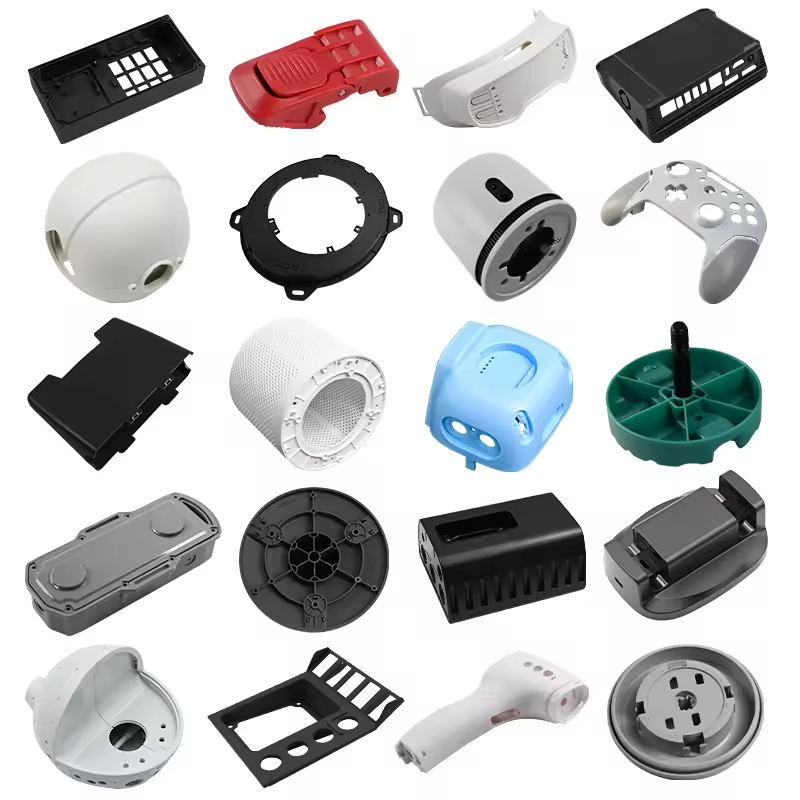
What Is Nylon Overmolding?
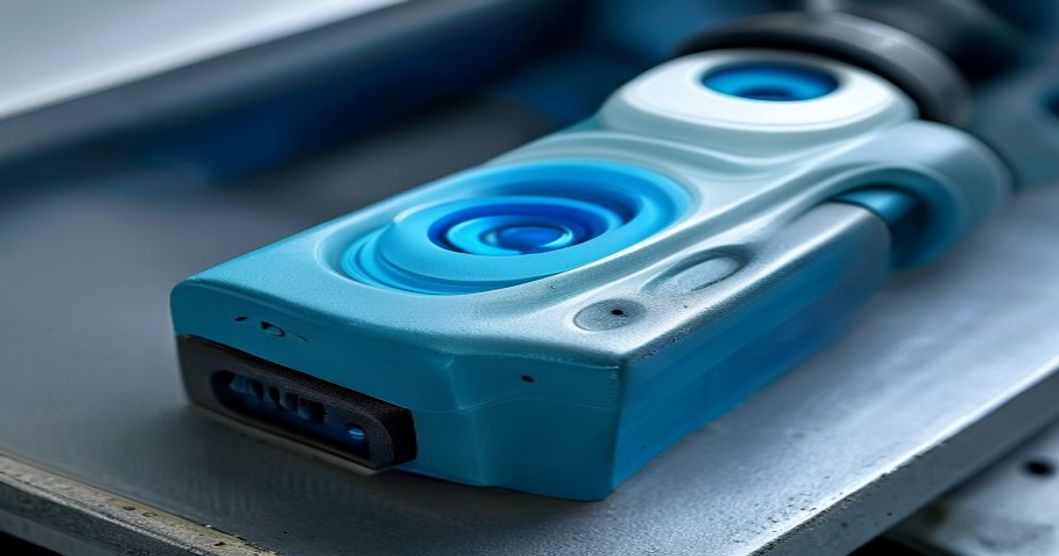
Overmolding is a multi-shot injection molding process where a second material is molded onto or around a previously formed substrate. When nylon is the substrate—or the overmold material itself—engineers can create parts that combine nylon’s structural strength with soft-touch grips, environmental seals, vibration damping, or decorative surfaces in a single integrated component.
The process solves a fundamental manufacturing challenge: how to join dissimilar materials without adhesives, fasteners, or secondary assembly operations. A properly designed overmolded part emerges from the tool as a complete, inseparable assembly, with cycle times comparable to single-material molding.
Common configurations include nylon substrate + TPE overmold for power tool grips, nylon overmolded onto metal inserts for structural brackets, and two different nylon grades combined for gradient material properties within a single part.
The Chemistry of Bonding
Overmolding success depends on creating a reliable bond between the substrate and overmold material. The bond can be mechanical (interlocking geometries), chemical (material compatibility and interdiffusion), or ideally both. For nylon, bonding outcomes vary significantly by material combination:
| Substrate | Overmold | Bond Type | Bond Strength |
|---|---|---|---|
| PA6 / PA66 | TPE-S (SEBS-based) | Chemical + Mechanical | Excelente |
| PA6 / PA66 | TPE-U (TPU) | Mechanical dominant | Good (needs mechanical lock) |
| PA6 / PA66 | TPE-E (COPE) | Chemical | Muito bom |
| PA6 / PA66 | Silicone (LSR) | Mechanical only | Requires aggressive mechanical lock |
| Metal (steel/aluminum) | PA6 / PA66 | Mechanical + adhesive treatment | Excellent (with surface prep) |
SEBS-based TPE-S achieves the best chemical bond with nylon because the styrenic block copolymer is often compounded with maleic anhydride grafted polyolefins—the same chemistry used to impact-modify nylon. This creates genuine molecular entanglement at the interface.
Design Rules for Nylon Overmolding
Substrate Temperature Management
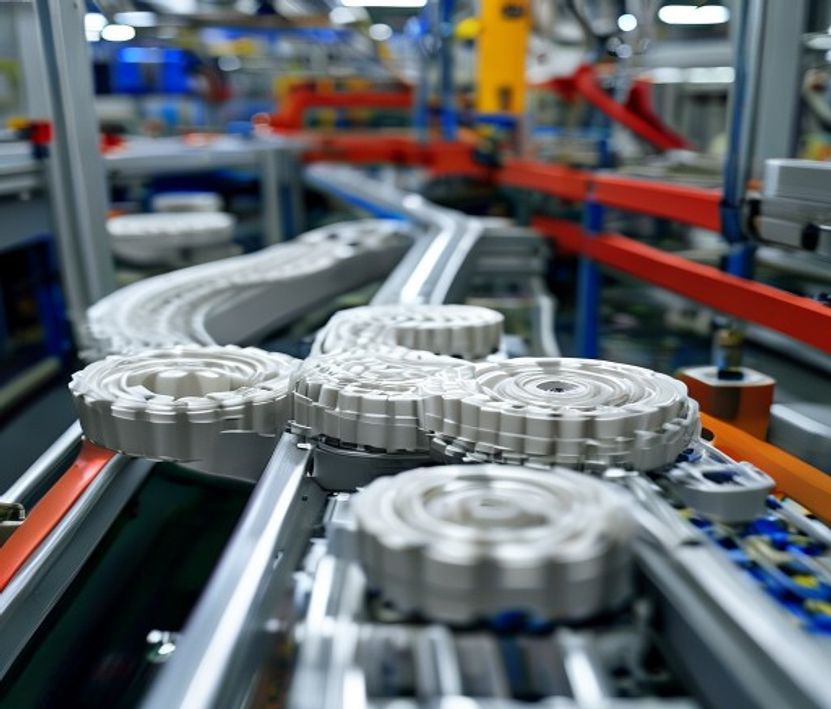
The substrate must be hot enough for the overmold material to bond. For nylon substrates, maintain a surface temperature of 120–160°C at the moment of overmold injection. This typically requires the substrate to be molded first and transferred hot to the overmold cavity within seconds—not cooled, ejected, and reheated. Two-shot (2K) molding machines are the preferred technology.
Mechanical Interlock Features
Even with chemically compatible materials, mechanical interlocks provide insurance. Design in:
- Undercuts and dovetails: 0.5–1.0 mm deep features in the substrate that the overmold flows into
- Through-holes: Allow overmold material to flow completely through the substrate, creating a rivet-like mechanical lock
- Grooves and channels: 0.3–0.5 mm depth for increasing interfacial surface area
- Edge encapsulation: Wrapping the overmold around the edge of the substrate by 1–2 mm
Shrinkage Compatibility
Differential shrinkage between substrate and overmold is the most common cause of overmolding failure—warped parts, delamination, or residual stress. For nylon (shrinkage 1.0–1.8%), choose overmold materials with similar shrinkage rates. TPE-S grades for nylon overmolding are specifically formulated to match nylon’s shrinkage profile.
Common Nylon Overmolding Applications
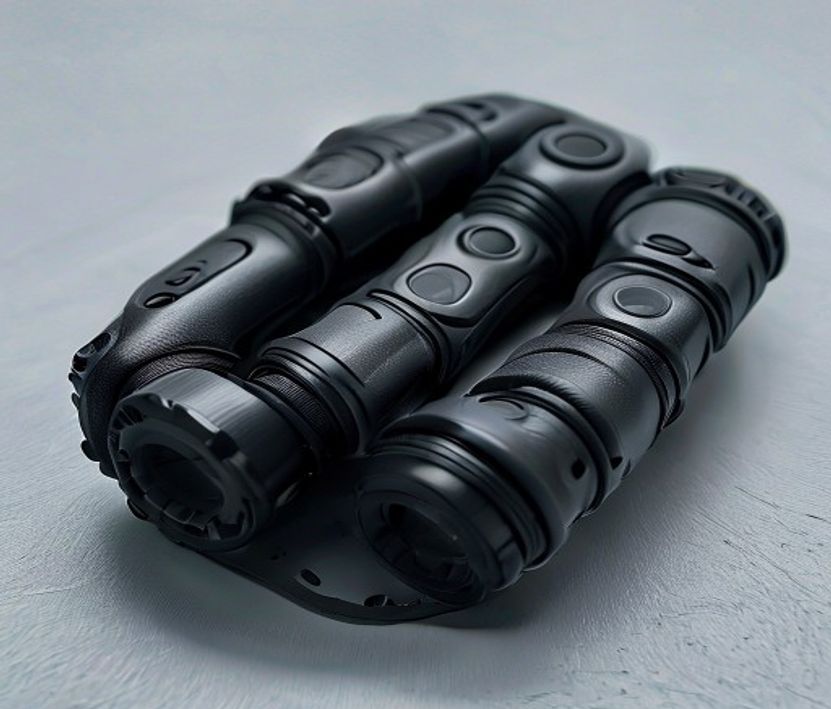
- Power tools: Glass-filled PA6 body overmolded with soft-touch TPE for grip, vibration damping, and impact protection. This is the largest commercial application of nylon overmolding.
- Automotive interior: PA66 structural brackets overmolded with TPE seals for HVAC components, pedal assemblies, and door modules.
- Medical devices: Nylon surgical instrument handles with TPE grips for ergonomics and slip resistance after repeated sterilization.
- Eletrónica de consumo: Nylon chassis frames with integrated TPE seals for water-resistant smartphones, tablets, and wearables.
- Fluid handling: Nylon valve bodies with TPE or silicone seals molded in-place, eliminating O-ring assembly steps.
Process Requirements
| Parâmetro | Nylon Substrate | TPE Overmold |
|---|---|---|
| Melt temperature | 260-290°C | 180–230°C |
| Temperatura do molde | 80-100°C | 30–60°C |
| Injection speed | Medium-fast | Fast (minimize cooling before contact) |
| Transfer time | <5 seconds for hot transfer; <30 sec for indexed tool | |
Porquê escolher o plástico de nylon para as suas necessidades de plástico de engenharia?
- ✅ Mais de 300 máquinas de moldagem por injeção de 50T a 2000T
- ✅ Mais de 10.000 peças por dia capacidade de produção
- ✅ Precisão de ±0,02mm tolerância em todos os materiais
- ✅ MOQ apenas 1 peça para criação de protótipos; escalável até milhões
- ✅ Cotação 24 horas por dia, prazos de entrega de 3 a 15 dias
- Sistema de gestão da qualidade com certificação ISO 9001
Artigos relacionados
- Two-Shot Molding vs Overmolding — Multi-Material Processing Compared
- Nylon Injection Molding Guide: Processing Parameters, Best Practices
- From Concept to Mold: The Engineering Process for Nylon Components
FAQ
When does Nylon Overmolding: Complete Guide to Multi-Material Injection Molding make sense?
Nylon Overmolding: Complete Guide to Multi-Material Injection Molding makes sense when the part volume, material choice, geometry, and repeatability needs justify mold design and tooling investment.
What design factors matter most for Nylon Overmolding: Complete Guide to Multi-Material Injection Molding?
Wall thickness, ribs, bosses, draft angle, gate location, shrinkage, parting line, and ejection all affect molded part quality.
What information is needed before mold production?
The supplier should confirm the 3D model, material, expected annual volume, appearance requirements, tolerance needs, and any assembly or functional testing requirements.
What is the biggest risk in Nylon Overmolding: Complete Guide to Multi-Material Injection Molding?
The biggest risk is approving tooling before material behavior, shrinkage, flow, and part function are fully checked against the real application.