
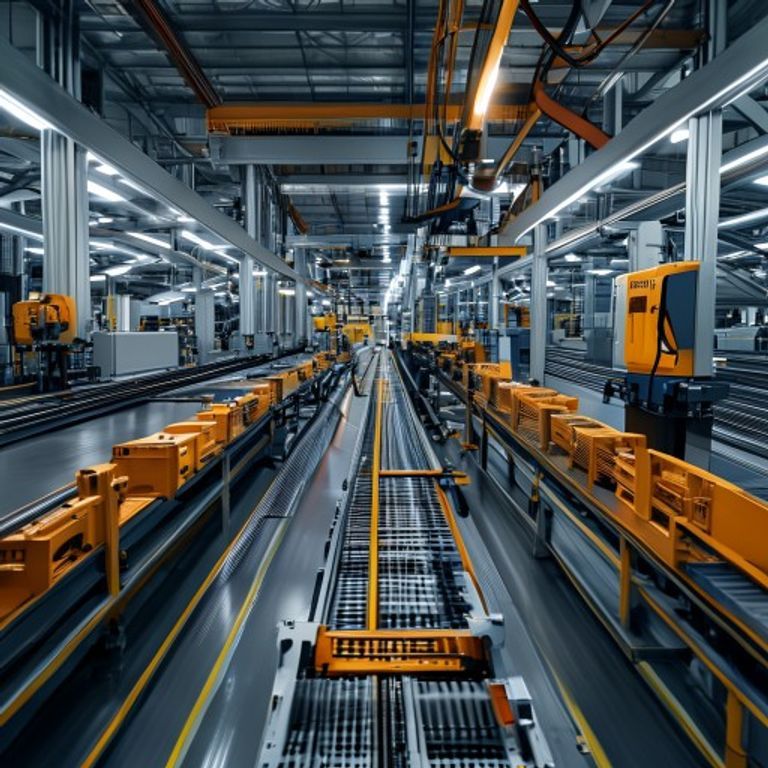
High-volume CNC production bridges the gap between prototype machining and mass manufacturing, delivering precision parts at industrial-scale volumes while maintaining the accuracy and quality standards of low-volume CNC work. With optimized fixturing, automated tool management, statistical process control, and lean manufacturing principles, high-volume CNC production achieves per-part costs competitive with injection molding for complex geometries that molds cannot produce. From 1,000 to 100,000+ parts, scalable CNC machining provides the flexibility, quality, and economics that modern manufacturers demand.
Scaling CNC Machining Across Volume Tiers
| Volume Tier | Quantity | Strategy | Prazo de execução |
|---|---|---|---|
| Prototype | 1 – 100 | Single setup, manual fixturing, no tooling optimization | 5 business days |
| Low Volume | 101 – 1,000 | Soft jaws, batch processing, first-article | 7-10 business days |
| Medium Volume | 1,001 – 10,000 | Custom fixturing, optimized CAM, SPC monitoring | 10-15 business days |
| High Volume | 10,001 – 100,000+ | Dedicated s, pallet systems, robotic loading, full SPC | 15-20 business days (setup) + ongoing |
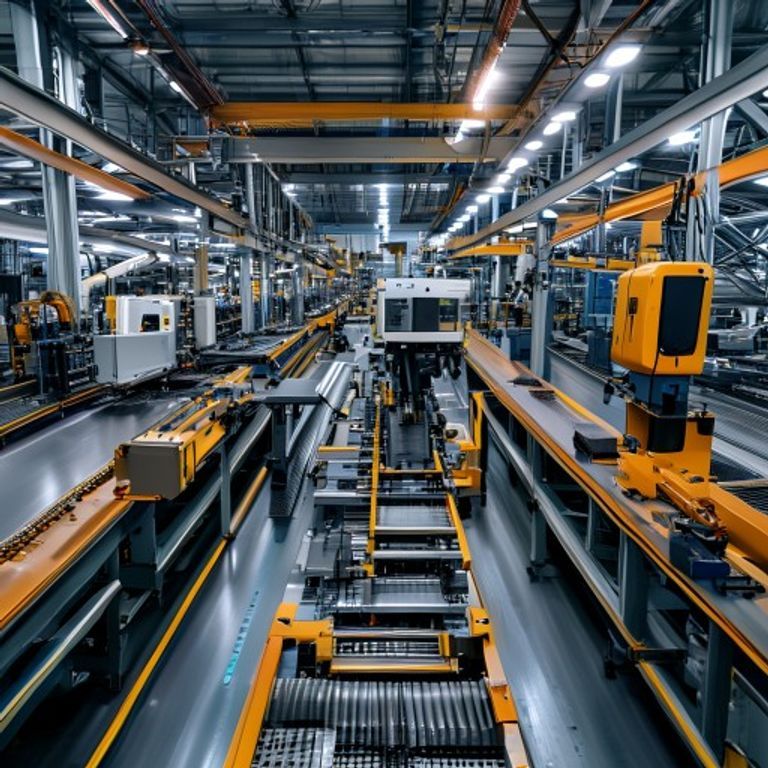
Key Advantages of High-Volume CNC Production
Cost Optimization Through Volume
Flexibility Without Tooling Commitment
Quality Consistency at Scale
Material and Process Breadth
High-volume CNC production processes the full range of metals (aluminum, steel, stainless, titanium, brass) and engineering plastics (nylon, POM, PEEK, PC, PTFE, UHMWPE). Multi-process cells combine milling, turning, and secondary operations (thread rolling, heat treatment, surface finishing) in lean production flows that minimize handling time and maximize throughput.
Production Optimization Strategies
| Optimization | Impact | Applied At Volume |
|---|---|---|
| Soft Jaws / Quick Fixturing | Reduce setup time 50% | 100+ parts |
| Custom Hard s | Eliminate manual positioning, boost repeatability | 1,000+ parts |
| Pallet Pool Systems | Enable unattended multi-part machining | 5,000+ parts |
| Optimized CAM (adaptive roughing) | Reduce cycle time 30% | 500+ parts |
| Robotic Part Loading | Enable lights-out production shifts | 10,000+ parts |
| SPC with Real-Time Monitoring | Prevent quality drift, reduce scrap | 1,000+ parts |
When to Choose CNC vs Injection Molding
| Decision Factor | Choose CNC | Choose Injection Molding |
|---|---|---|
| Volume | Under 10,000 or uncertain demand | Over 50,000 with stable demand |
| Geometry Complexity | Undercuts, thin walls, sharp corners, metal inserts | Uniform wall thickness, no undercuts, simple draft |
| Design Iteration | Still iterating, need fast changes | Design frozen, committed to volume |
| Tolerance | ±0.01mm or tighter required | ±0.1mm acceptable |
| Material | Metal, PEEK, or non-moldable plastics | Standard moldable plastics (PA, POM, PC, PP) |
| Lead Time to First Parts | 5 days | 8-12 weeks (mold fabrication) |
Common Applications of High-Volume CNC Production
- Automotive Components: Sensor housings, connector blocks, mounting brackets, valve bodies, custom fasteners
- Medical Devices: Surgical instrument components, diagnostic device parts, implant prototypes to mid-volume production
- Electronics: Enclosures, heatsinks, connector shells, EMI shields, mounting hardware
- Aerospace: Structural brackets, linkage components, fastener bodies, sensor mounts
- Industrial Equipment: Pump components, valve bodies, gear housings, bearing seats, shaft couplings
- Consumer Products: Custom hardware, premium mechanical components, limited-edition product parts
FAQ
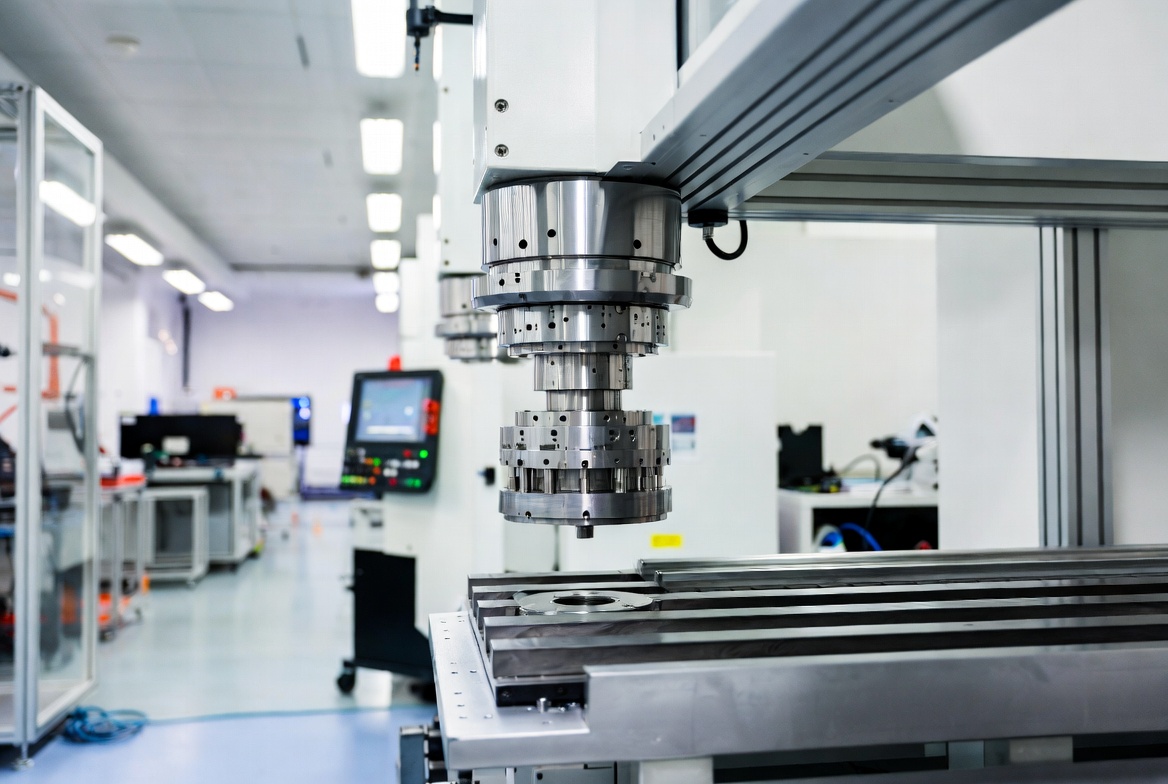
When is High-Volume CNC Production: Scalable Machining from Prototype to Mass Production the right choice?
High-Volume CNC Production: Scalable Machining from Prototype to Mass Production is the right choice when the part requires machined accuracy, controlled surfaces, repeatable features, and a material that can be cut reliably.
What should be confirmed before ordering High-Volume CNC Production: Scalable Machining from Prototype to Mass Production?
Confirmar a versão do desenho, o tipo de material, as tolerâncias, a quantidade, as dimensões críticas, o acabamento da superfície e os requisitos de inspeção antes do início da produção.
What usually drives cost in High-Volume CNC Production: Scalable Machining from Prototype to Mass Production?
O custo é normalmente determinado pelo material, tempo de preparação, tempo de máquina, dificuldade de tolerância, fixação, acesso à ferramenta, acabamento, inspeção e quantidade da encomenda.
How can quality risk be reduced in High-Volume CNC Production: Scalable Machining from Prototype to Mass Production?
O risco de qualidade é reduzido através da marcação clara das caraterísticas críticas, evitando tolerâncias apertadas desnecessárias, confirmando a possibilidade de fabrico numa fase precoce e utilizando dados de inspeção para dimensões importantes.


 English
 Dutch
Dutch German
 French
 Korean
 Russian
 Japanese
 Spanish
 Vietnamese
 Chinese
 Portuguese
 Arabic