
Finding the right 3D printing service provider can make the difference between a successful project and costly delays. With hundreds of options available, knowing what to look for will help you make an informed decision.
Understanding Your Project Requirements
Before evaluating service providers, clearly define your project needs. Consider the following factors:
- Part application – Is it a prototype, functional part, or end-use component?
- Material requirements – Do you need specific mechanical, thermal, or chemical properties?
- Quantity – Single prototype or small batch production?
- Timeline – When do you need the parts?
- Budget – What can you invest in this project?
- Quality requirements – What tolerances and surface finish do you need?

Technology Capabilities
Different 3D printing technologies serve different purposes. Ensure your provider offers the technology that best suits your needs.
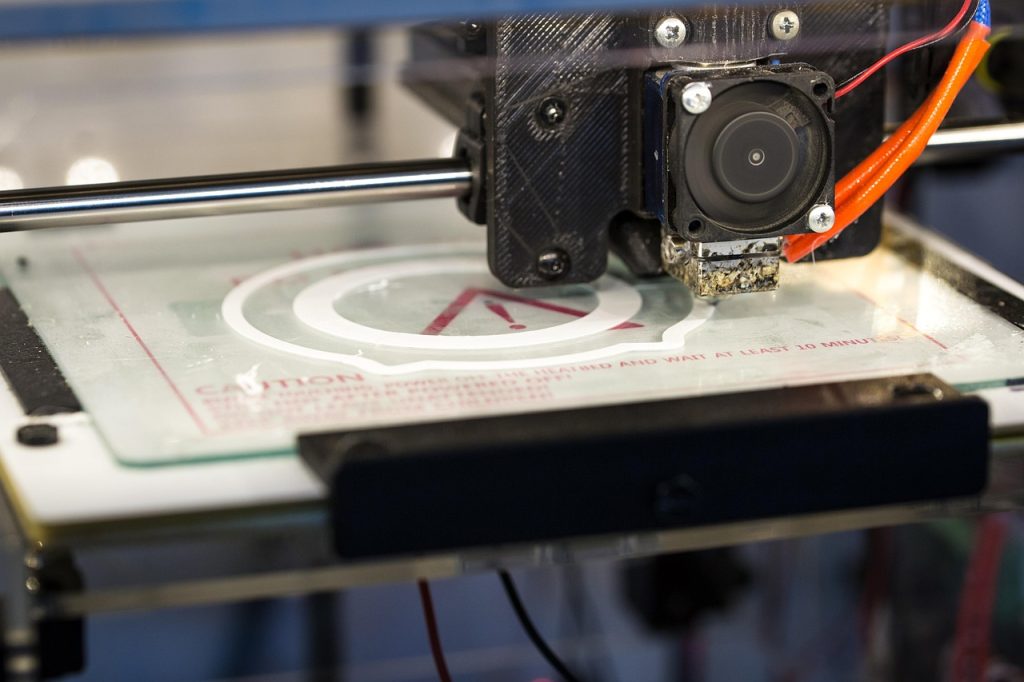
FDM (Modelação por deposição fundida)
SLA (Estereolitografia)
Best for: High-detail prototypes, presentation models, dental and jewelry applications. Provides excellent surface finish and fine features. Parts may be brittle and degrade under UV exposure.
SLS (Sinterização selectiva por laser)
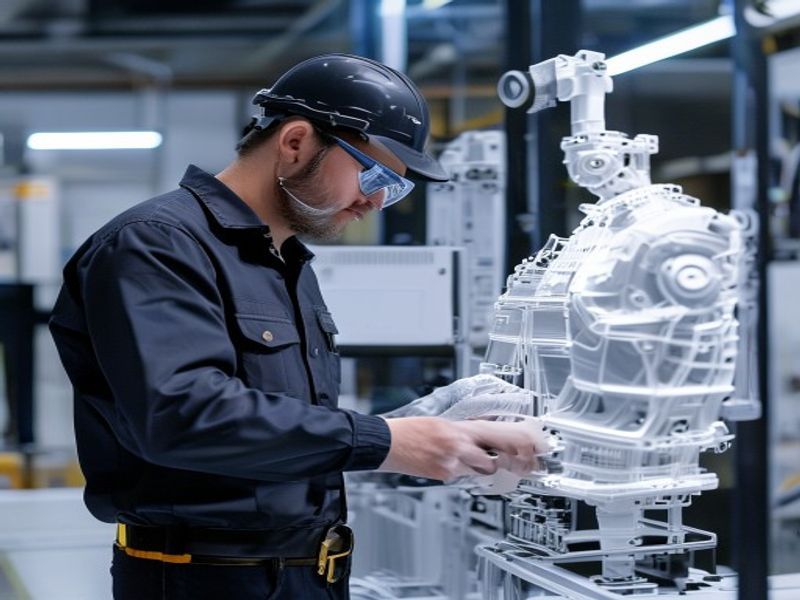
Best for: Functional prototypes, end-use parts, complex geometries. Produces strong, isotropic parts without support structures. Good for batch production of small to medium parts.
Metal 3D Printing (DMLS/SLM)
Best for: Aerospace, medical, and high-performance applications. Produces fully dense metal parts. Higher cost but enables geometries impossible with traditional manufacturing.
Seleção de materiais
A quality provider should offer a comprehensive material portfolio. Common options include:
| Material | Melhor para | Propriedades principais |
|---|---|---|
| Nylon (PA12) | Functional parts, gears | Strong, flexible, chemical resistant |
| ABS | Prototypes, housings | Impact resistant, machinable |
| TPU/TPE | Flexible parts, gaskets | Elastic, rubber-like |
| Carbon Fiber Nylon | Structural parts | Stiff, lightweight, strong |

Quality Control and Certifications
Quality assurance is critical, especially for functional or end-use parts. Look for providers with:
- ISO 9001 certification – Demonstrates quality management systems
- In-process – Regular quality checks during printing
- Post-processing capabilities – Support removal, sanding, painting, coating
- Measurement equipment – CMM or 3D scanning for dimensional verification
- Material certifications – Traceable material batches
Communication and Support
Responsive communication is essential. Evaluate how quickly they respond to inquiries and whether they offer design feedback. A good provider will:
- Review your files and suggest improvements
- Alert you to potential issues before printing
- Provide regular updates during production
- Offer post-delivery support if issues arise

Pricing Transparency
Understand the pricing structure before placing an order. Ask about:
- Setup fees
- Minimum order requirements
- Volume discounts
- Shipping costs and times
- Rush order premiums
- Revision and reprint policies
Questions to Ask Potential Providers
Before making your decision, ask these critical questions:
- What technologies and materials do you offer?
- Can you provide samples of similar work?
- What are your standard lead times?
- Do you offer design review and optimization?
- What quality control measures do you have?
- How do you handle issues or defects?
As nossas capacidades
Com mais de 300 máquinas CNC, produzimos mais de 10.000 peças por dia com tolerâncias tão apertadas como ±0,005mm. Aceitamos MOQ a partir de 1 peça, com prazos de entrega que variam entre 24 horas a 15 dias. Whether you need a single prototype or thousands of production parts, we have the capacity and expertise to deliver. Obter um orçamento no prazo de 24 horas.
FAQ
When is How to Choose the Right 3D Printing Service Provider a good option?
How to Choose the Right 3D Printing Service Provider is a good option when fast iteration, complex geometry, low tooling cost, or low-volume production is more important than molded-part unit cost.
What should be checked before choosing How to Choose the Right 3D Printing Service Provider?
Verificar o tamanho da peça, as propriedades do material, o acabamento da superfície, a tolerância dimensional, a exposição ao calor, a direção da carga e se é necessário pós-processamento.
How does How to Choose the Right 3D Printing Service Provider compare with CNC machining?
A impressão 3D pode criar formas complexas rapidamente, enquanto a maquinagem CNC é frequentemente mais forte para superfícies precisas, tolerâncias mais apertadas e materiais de qualidade de produção.
What affects the cost of How to Choose the Right 3D Printing Service Provider?
O custo depende do material, do volume de construção, do tempo de impressão, da altura da camada, da remoção do suporte, do acabamento, da inspeção e do número de peças na construção.