Why Finish Nylon Surfaces?
Nylon parts often emerge from the mold or CNC machine with perfectly functional geometry—but the surface may not meet the final application’s aesthetic, functional, or branding requirements. Surface finishing transforms raw nylon from a matte, slightly greasy-feeling engineering material into a component that looks premium, resists environmental attack, or communicates critical information through marking and labeling.
The challenge with nylon is its low surface energy—typically 36–42 mN/m, compared to 46+ mN/m for metals and other plastics. This means paints, inks, and adhesives don’t wet the surface naturally. Every finishing process for nylon must begin with surface preparation to raise the surface energy and create anchor points for the subsequent coating or treatment.
Surface Preparation: The Non-Negotiable First Step
All nylon finishing processes require one of these preparation methods:
| Method | Surface Energy After | Durability | Phù hợp nhất cho |
|---|---|---|---|
| Flame treatment | 50–60 mN/m | Hours–days | High-volume in-line painting; simple geometries |
| Plasma treatment | 55–72 mN/m | Hours–days | Complex 3D parts; selective treatment possible |
| Chemical etching | Permanent | Permanent | Plating (creates micro-roughness for mechanical anchoring) |
| Primer application | N/A (chemical bond) | Permanent | Painting; specialized nylon primers available |
| Mechanical abrasion | 42–48 mN/m | Permanent | Low-cost option; adequate for non-critical bonds |
Painting Nylon
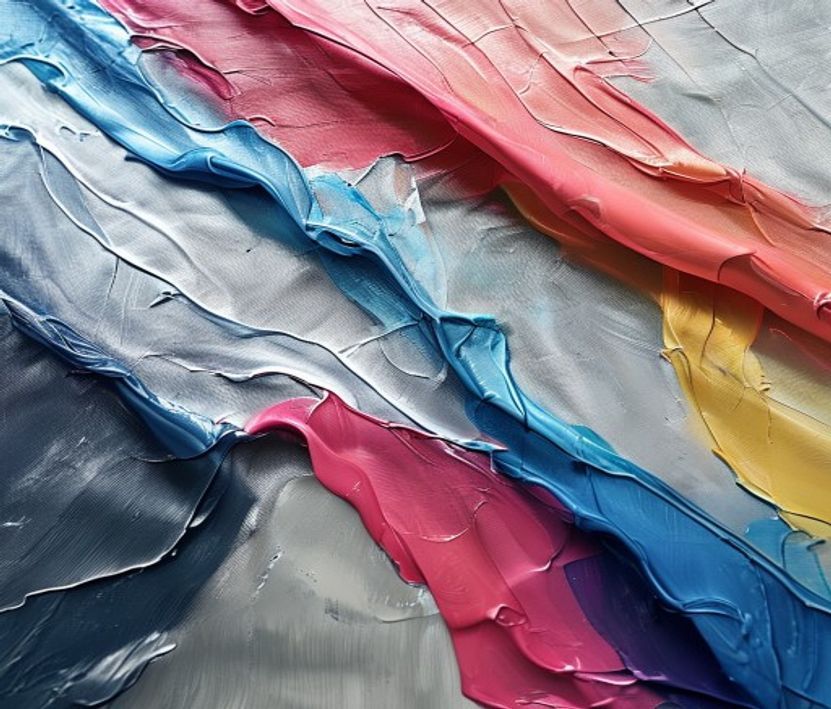
Painting nylon requires a three-layer system for reliable adhesion and durability:
- Primer: A nylon-specific adhesion promoter (typically chlorinated polyolefin or acrylic-modified) applied at 5–10 μm dry film thickness. This is the critical layer—standard primers will not bond to nylon.
- Base coat: The color layer, applied at 15–25 μm. Polyurethane and acrylic lacquers are most common.
- Clear coat (optional): 20–40 μm of UV-resistant clear for exterior automotive and consumer applications.
For best results, paint within 2 hours of surface activation treatment. If parts must be stored, protect from dust and humidity, and re-treat before painting if stored more than 8 hours.
Electroplating Nylon
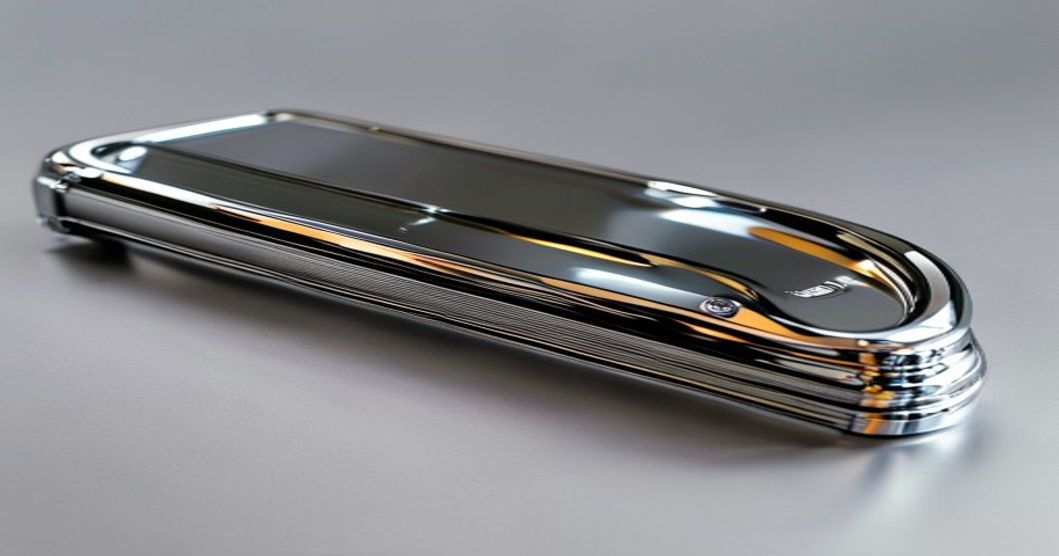
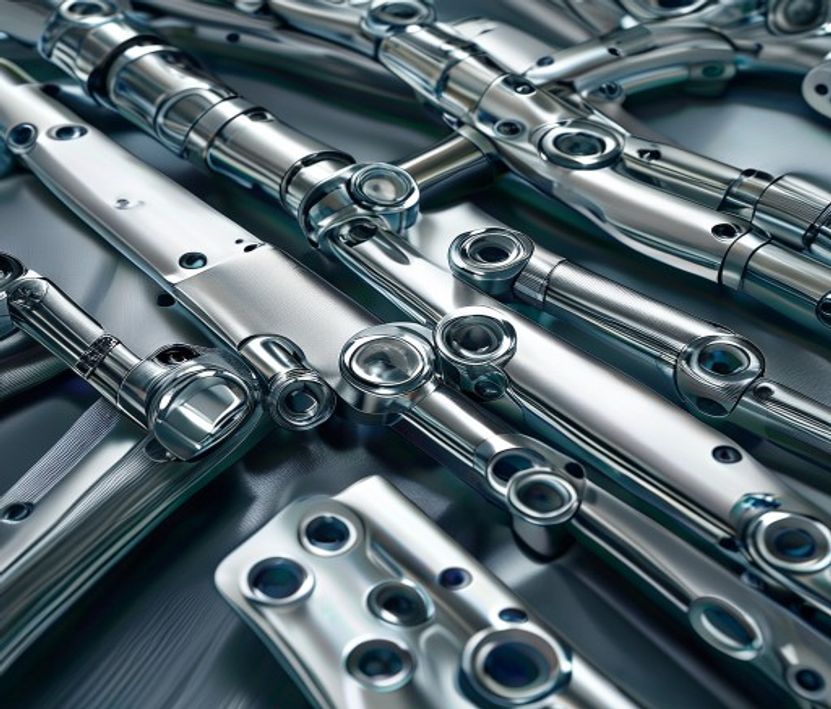
Nylon can be electroplated with copper, nickel, and chromium to create a true metallic surface with the weight and cost advantages of a plastic substrate. The process is more demanding than plating ABS—the standard platable plastic—but well-established for nylon 6 and nylon 66.
The plating process:
- Etch: Chromic acid/sulfuric acid mixture creates micropores on the nylon surface
- Neutralize & catalyze: Palladium-tin colloidal solution deposits catalytic sites
- Electroless nickel or copper: Deposition of a conductive layer (0.5–1.0 μm)
- Electrolytic plating: Build-up of copper (15–25 μm), nickel (8–15 μm), and chromium (0.25–0.5 μm)
Laser Marking Nylon
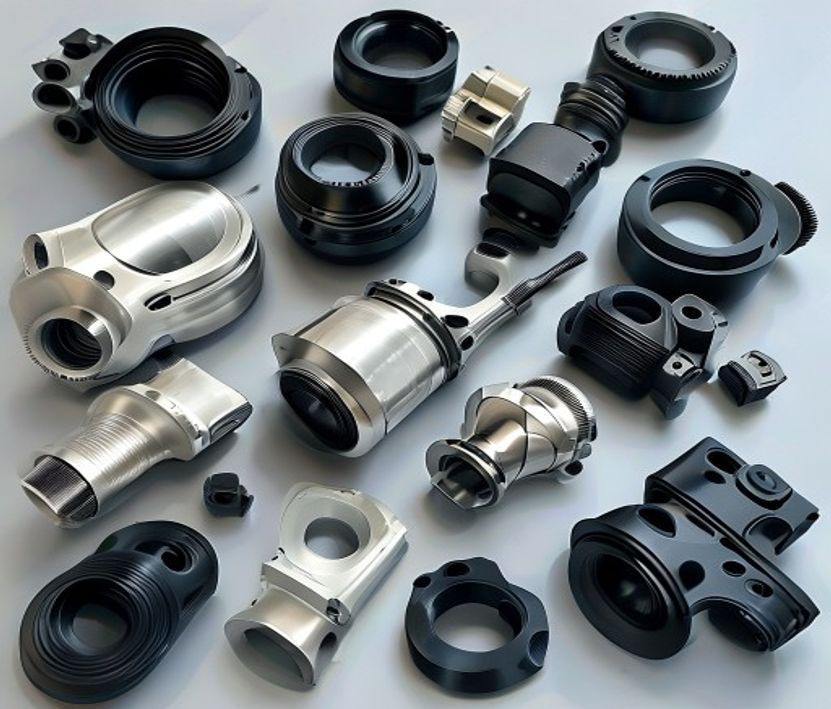
Laser marking has become the preferred method for adding permanent text, barcodes, logos, and UDI (Unique Device Identification) codes to nylon parts. The process creates a high-contrast mark without inks, labels, or physical contact.
Key process parameters:
- Fiber lasers (1064 nm): Best for creating dark marks on light-colored nylon through carbonization at the surface
- CO₂ lasers (10.6 μm): Create lighter marks through controlled surface melting; less common for nylon
- UV lasers (355 nm): “Cold marking” with minimal thermal damage; excellent for medical device marking where surface integrity is critical
- Laser-sensitive additives: 0.5–2% of metal oxide or mica-based additives can dramatically improve contrast and marking speed
Other Finishing Options
- Pad printing: Silicone pad transfers ink from an etched plate to the nylon surface. Excellent for small logos and text on curved surfaces. Requires flame or plasma pre-treatment.
- Hot stamping: Heated die transfers foil to the surface under pressure. Creates a premium metallic or colored finish without solvents. Good for logos and decorative bands.
- Hydrographic printing (water transfer): Patterned film floats on water and transfers to the part as it’s dipped. Can apply wood grain, carbon fiber, camouflage, and custom patterns. Requires full-surface primer and clear coat.
- Vibratory finishing: For machined nylon parts, ceramic or plastic media in a vibratory bowl removes tool marks and creates a uniform matte finish.
Tại sao nên chọn nhựa nylon cho các nhu cầu về nhựa kỹ thuật của bạn?
- ✅ Hơn 300 máy ép phun từ 50 tấn đến 2.000 tấn
- ✅ Hơn 10.000 bộ phận mỗi ngày năng lực sản xuất
- ✅ Độ chính xác ±0,02 mm khả năng chịu được trên tất cả các loại vật liệu
- ✅ Số lượng đặt hàng tối thiểu chỉ 1 chiếc dùng để tạo mẫu; có thể mở rộng lên đến hàng triệu
- ✅ Báo giá 24/7, thời gian giao hàng từ 3–15 ngày
- ✅ Hệ thống quản lý chất lượng được chứng nhận theo tiêu chuẩn ISO 9001
Các bài viết liên quan
- Đúc phủ nylon: Hướng dẫn toàn diện về đúc phun đa vật liệu
- Nylon Injection Molding Guide: Processing Parameters, Best Practices
- Hướng dẫn lựa chọn nhựa kỹ thuật: Nylon, POM, PC và PE
Câu hỏi thường gặp
When is Nylon Surface Finishing Guide: Painting, Plating, Laser Marking and More a good option?
Nylon Surface Finishing Guide: Painting, Plating, Laser Marking and More is a good option when fast iteration, complex geometry, low tooling cost, or low-volume production is more important than molded-part unit cost.
What should be checked before choosing Nylon Surface Finishing Guide: Painting, Plating, Laser Marking and More?
Kiểm tra kích thước chi tiết, tính chất vật liệu, độ nhám bề mặt, dung sai kích thước, mức độ tiếp xúc với nhiệt, hướng tải trọng và xem có cần xử lý sau gia công hay không.
How does Nylon Surface Finishing Guide: Painting, Plating, Laser Marking and More compare with CNC machining?
In 3D có thể tạo ra các hình dạng phức tạp một cách nhanh chóng, trong khi gia công CNC thường mang lại độ bền cao hơn cho các bề mặt chính xác, dung sai chặt chẽ hơn và sử dụng vật liệu đạt tiêu chuẩn sản xuất.
What affects the cost of Nylon Surface Finishing Guide: Painting, Plating, Laser Marking and More?
Chi phí phụ thuộc vào vật liệu, thể tích in, thời gian in, độ dày lớp, việc tháo khung đỡ, hoàn thiện, kiểm tra và số lượng chi tiết trong mô hình.