
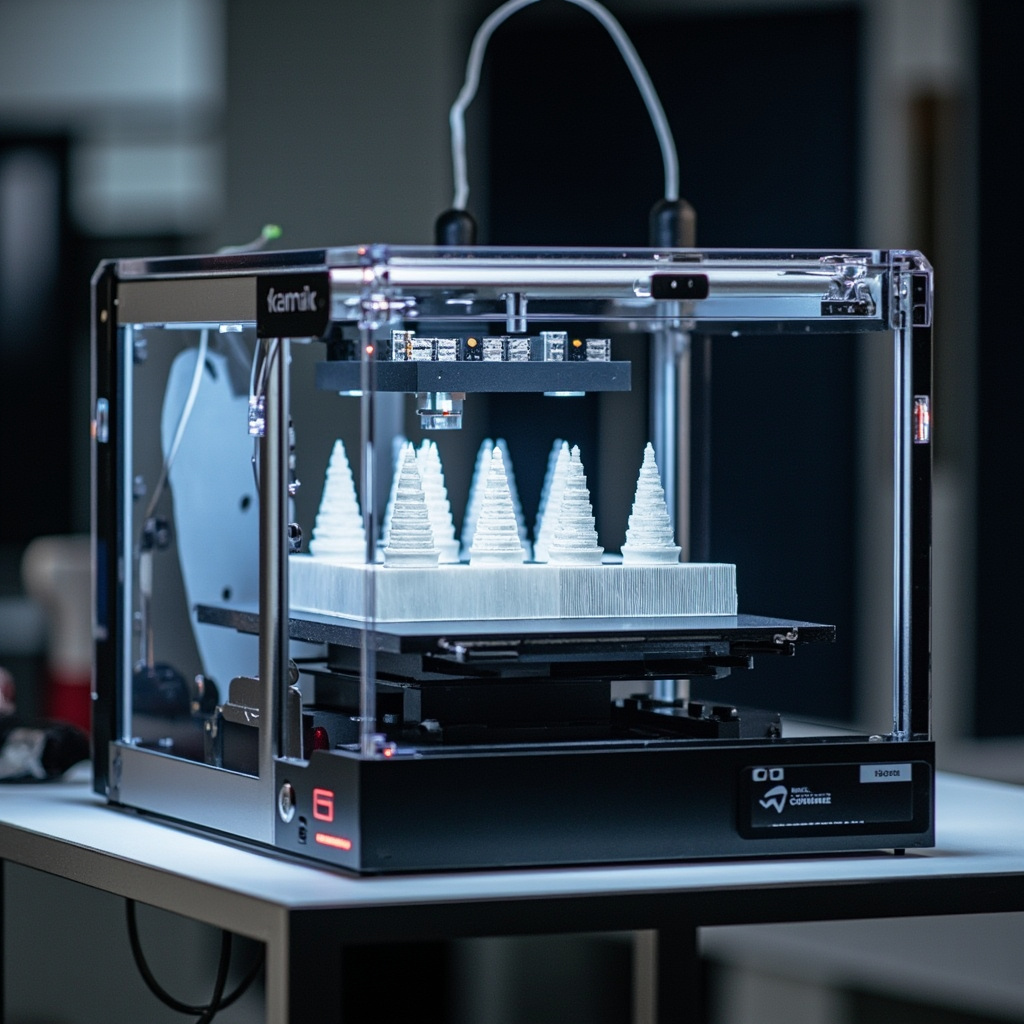
Multi Jet Fusion (MJF), developed and commercialized by Hewlett-Packard, is a powder-bed fusion technology that represents a significant leap in speed and part quality compared to conventional SLS. MJF uses an inkjet array to selectively apply a fusing agent and a detailing agent onto a bed of nylon powder, which is then exposed to infrared radiation to fuse the material. The result is parts with excellent mechanical properties, consistent isotropic strength, and a smoother surface finish than traditional SLS — all at production speeds significantly faster than other powder-based methods.
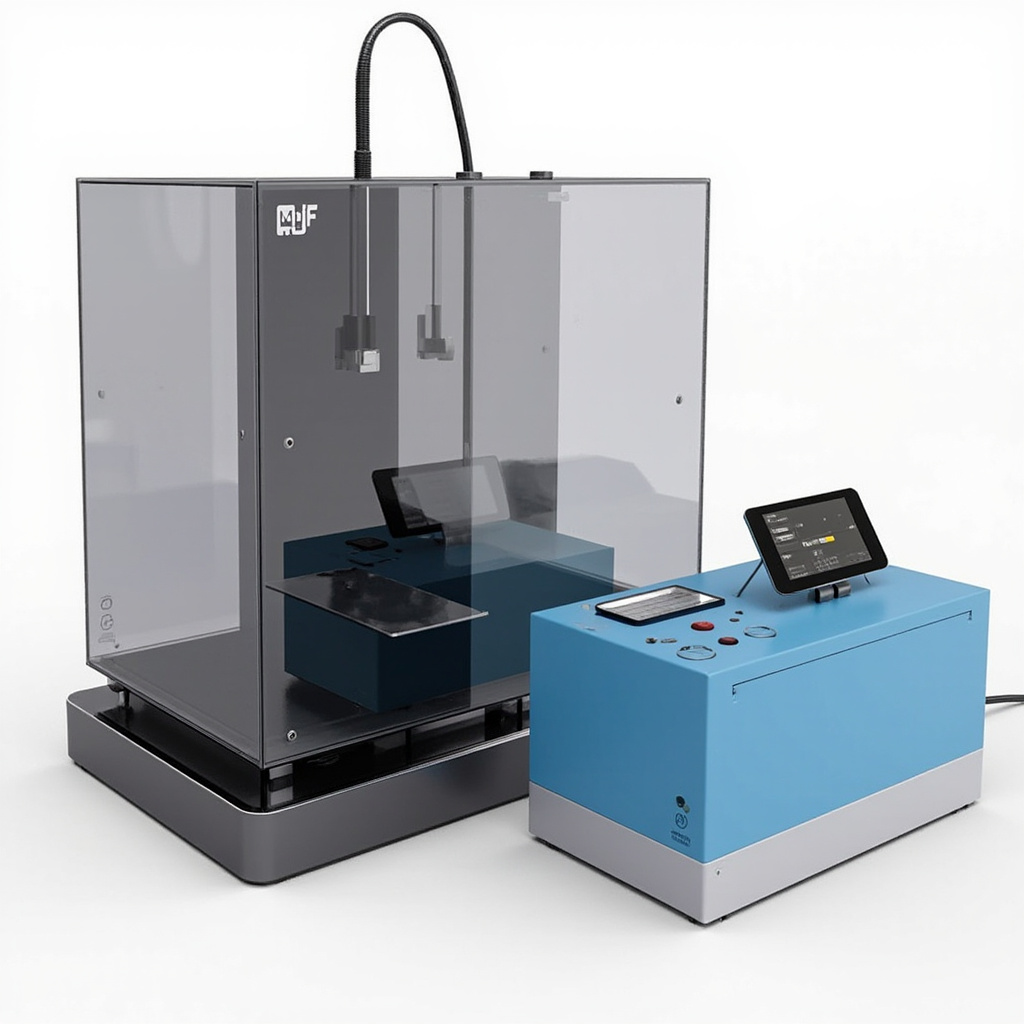
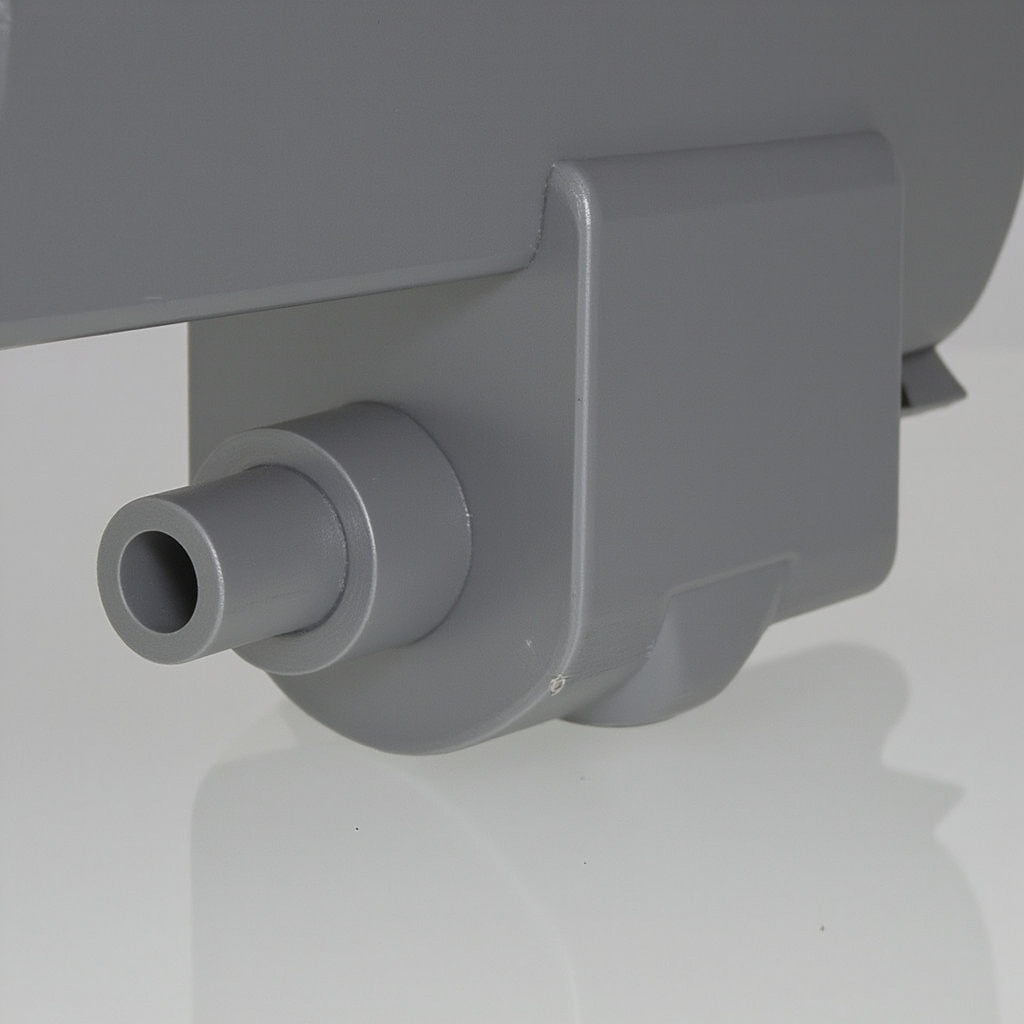
How MJF 3D Printing Works
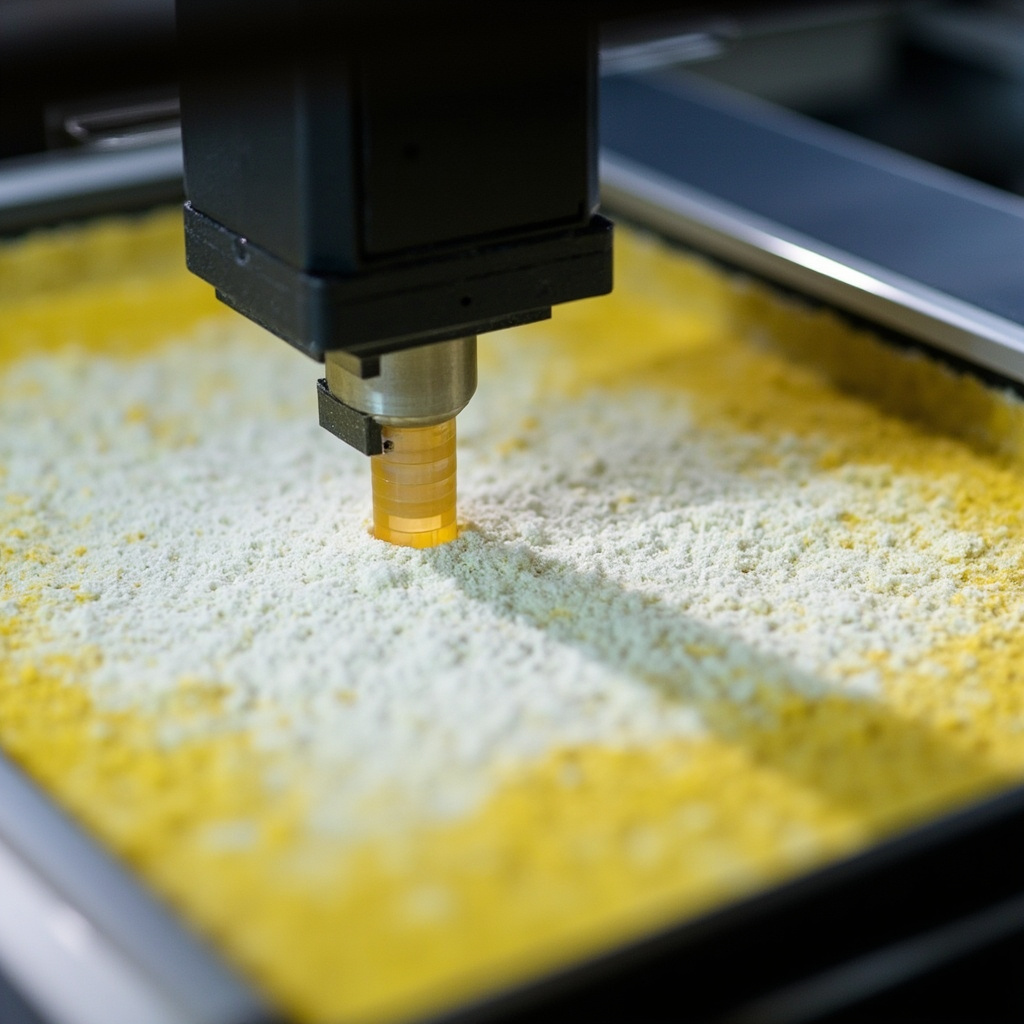
The MJF process begins with a thin layer of nylon powder spread across the build platform. An inkjet print head traverses the bed and jets two proprietary agents: a fusing agent where the powder should fuse into solid material, and a detailing agent on the edges to control thermal diffusion and produce crisp feature definition. After the agents are applied, infrared lamps heat the entire bed, causing the areas treated with fusing agent to absorb more heat and fuse into solid material. The process repeats layer by layer until the part is complete.
Key Advantages of MJF Technology
Exceptional Part Quality
MJF parts exhibit a notably smoother surface finish than SLS — approximately Ra 5-8 micrometers versus SLS’s Ra 8-15 micrometers. Edges are sharper and more defined, and fine details are more reliably reproduced.
Superior Mechanical Properties
MJF produces isotropic mechanical properties — the part is equally strong in all directions. Compared to SLS, MJF parts typically achieve 10-30% higher tensile strength and better elongation at break. MJF parts also exhibit less moisture absorption than SLS parts.
High Speed and Scalability
MJF is one of the fastest industrial 3D printing processes available. Build speeds are up to 10 times faster than conventional SLS, making MJF particularly attractive for production-volume manufacturing.
Các tài liệu có sẵn
| Chất liệu | Properties | Ứng dụng |
|---|---|---|
| PA12 (Nylon 12) | High strength, excellent chemical resistance, isotropic | Functional parts, structural components |
| PA11 (Nylon 11) | Ductile, impact-resistant, bio-derived | Impact-resistant parts, medical, orthopedics |
| TPU | Flexible, elastic, good rebound | Seals, gaskets, cushioning, wearables |
Các ứng dụng phổ biến
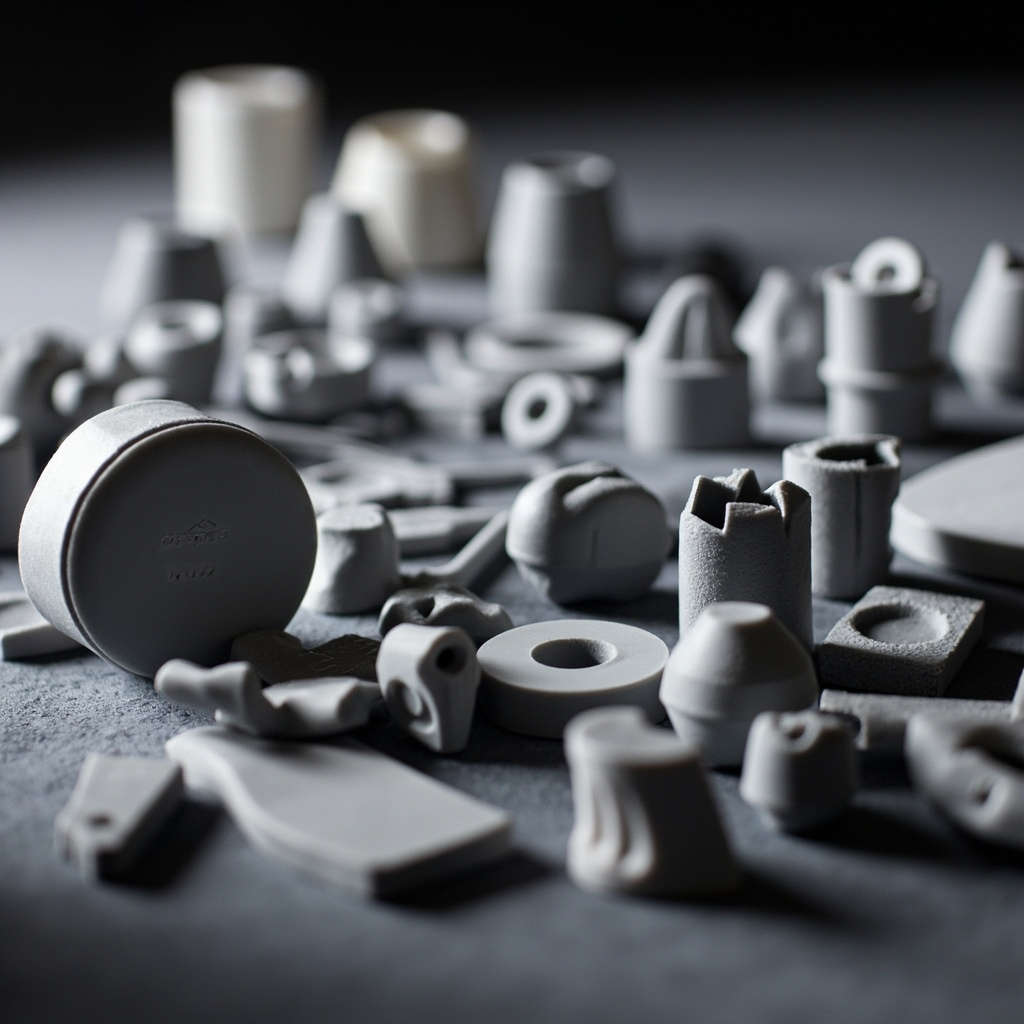
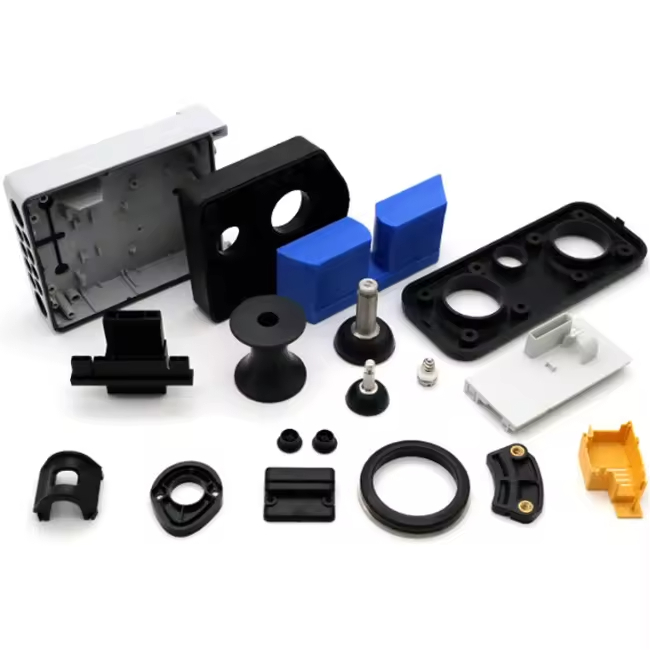
- Functional end-use parts: Production-grade brackets, clips, housings, and structural components
- Automotive and aerospace: Durable parts for low-volume vehicle components and tooling
- Industrial manufacturing: Jigs, s, and custom tooling with consistent batch-to-batch quality
- Medical and orthopedics: Custom orthotic devices and surgical planning models
Câu hỏi thường gặp
When is Multi Jet Fusion (MJF) 3D Printing Services a good option?
Multi Jet Fusion (MJF) 3D Printing Services is a good option when fast iteration, complex geometry, low tooling cost, or low-volume production is more important than molded-part unit cost.
What should be checked before choosing Multi Jet Fusion (MJF) 3D Printing Services?
Kiểm tra kích thước chi tiết, tính chất vật liệu, độ nhám bề mặt, dung sai kích thước, mức độ tiếp xúc với nhiệt, hướng tải trọng và xem có cần xử lý sau gia công hay không.
How does Multi Jet Fusion (MJF) 3D Printing Services compare with CNC machining?
In 3D có thể tạo ra các hình dạng phức tạp một cách nhanh chóng, trong khi gia công CNC thường mang lại độ bền cao hơn cho các bề mặt chính xác, dung sai chặt chẽ hơn và sử dụng vật liệu đạt tiêu chuẩn sản xuất.
What affects the cost of Multi Jet Fusion (MJF) 3D Printing Services?
Chi phí phụ thuộc vào vật liệu, thể tích in, thời gian in, độ dày lớp, việc tháo khung đỡ, hoàn thiện, kiểm tra và số lượng chi tiết trong mô hình.
 English
 Dutch
Dutch German
 French
 Korean
 Russian
 Japanese
 Spanish
 Vietnamese
 Chinese
 Portuguese
 Arabic