
Silica gel represents one of the most versatile and widely used desiccant materials in industrial, pharmaceutical, and consumer applications. While commonly encountered as small beads in consumer product packaging, silica gel’s technical applications encompass moisture control across critical industries including electronics manufacturing, pharmaceutical production, and industrial gas processing. This comprehensive guide examines silica gel’s physical properties, manufacturing processes, regeneration techniques, and application-specific selection criteria.
Chemical Composition and Structure
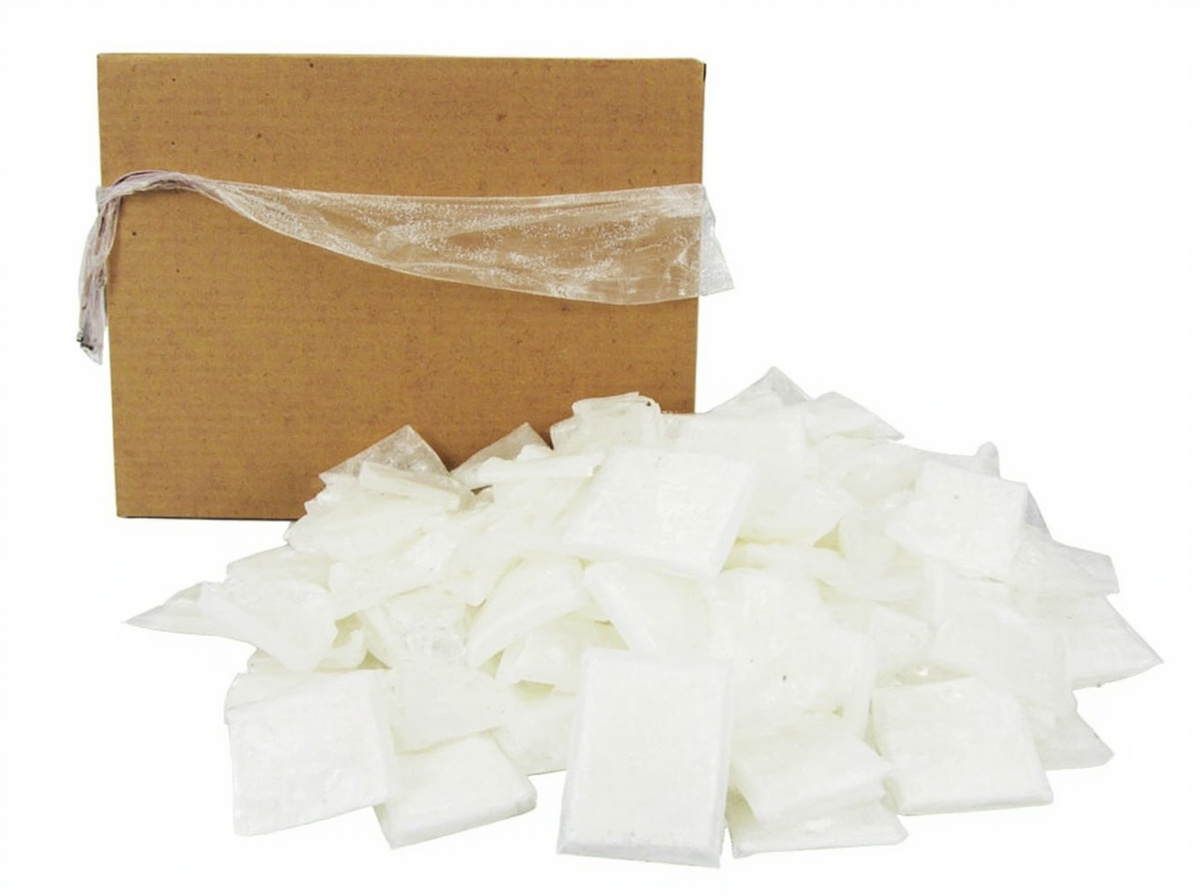
Silica gel consists of amorphous silicon dioxide (SiO₂) synthesized through acid precipitation of sodium silicate solutions, creating a highly porous three-dimensional network with surface hydroxyl groups that provide the material’s exceptional moisture adsorption capacity. Unlike crystalline silica forms (quartz, cristobalite, tridymite), silica gel’s amorphous structure enables reversible moisture adsorption without structural degradation during adsorption/desorption cycles.
製造流程
Sodium Silicate Precipitation
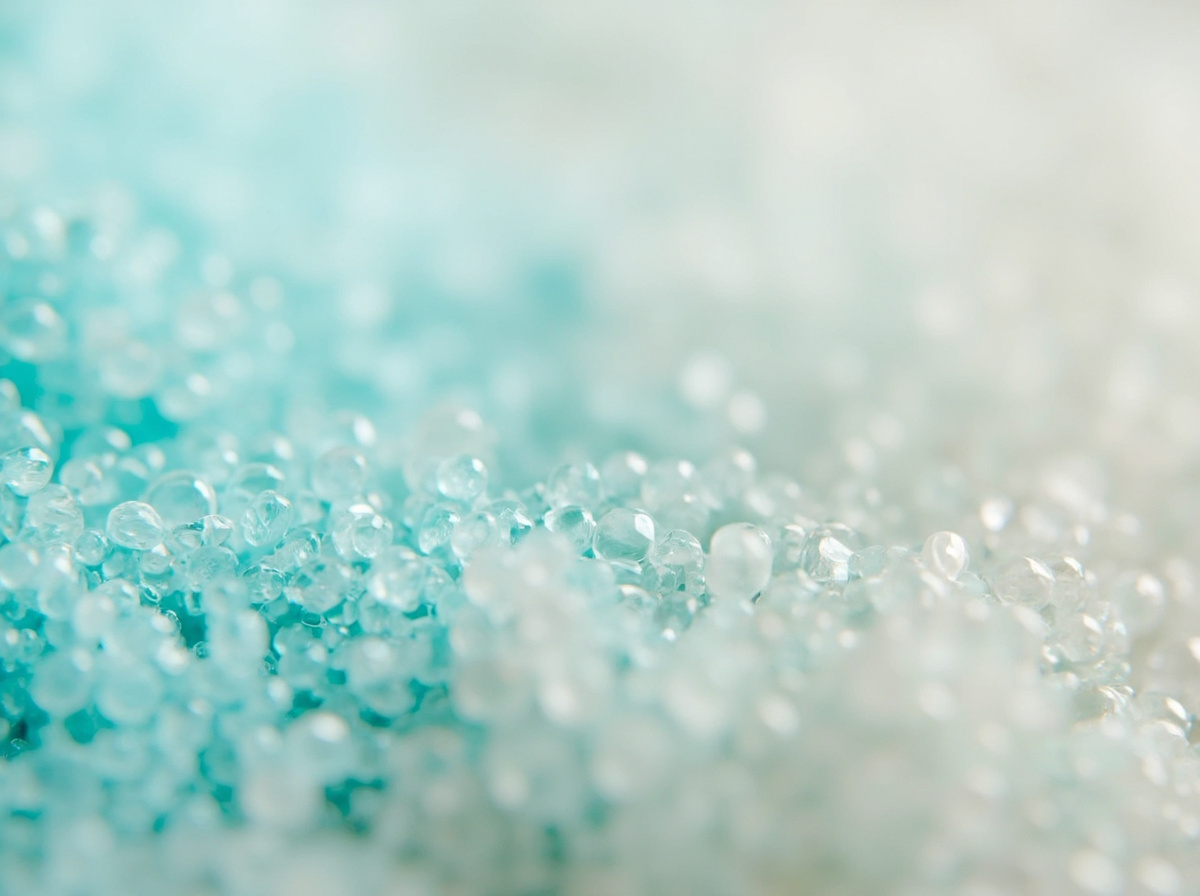
Commercial silica gel production begins with sodium silicate (Na₂SiO₃) solution acidification using sulfuric acid or hydrochloric acid, precipitating amorphous silica gel. The precipitation conditions (pH, temperature, agitation) control pore size distribution, surface area, and particle morphology. After precipitation, the gel undergoes washing to remove residual salts, drying at controlled temperatures to preserve porosity, and sizing through milling or sieving to achieve desired particle size distributions.
Quality Control Parameters
| 參數 | Typical Value | Control Method | Impact on Performance |
|---|---|---|---|
| Pore Volume | 0.4-1.2 cm³/g | BET analysis | Higher pore volume increases capacity |
| Surface Area | 300-800 m²/g | BET analysis | Higher area increases adsorption rate |
| Mean Pore Diameter | 2-10 nm | Pore size distribution | Small pores for high capacity, large pores for fast kinetics |
| Particle Size | 1-5 mm | Sieving/milling | Smaller size: faster kinetics, higher dust generation |
| pH | 5-7 | pH measurement | Near-neutral pH minimizes product interaction |
| Loss on Ignition | ≤5% | Thermogravimetric analysis | Indicates residual moisture content |
Performance Characteristics
Moisture Adsorption Capacity
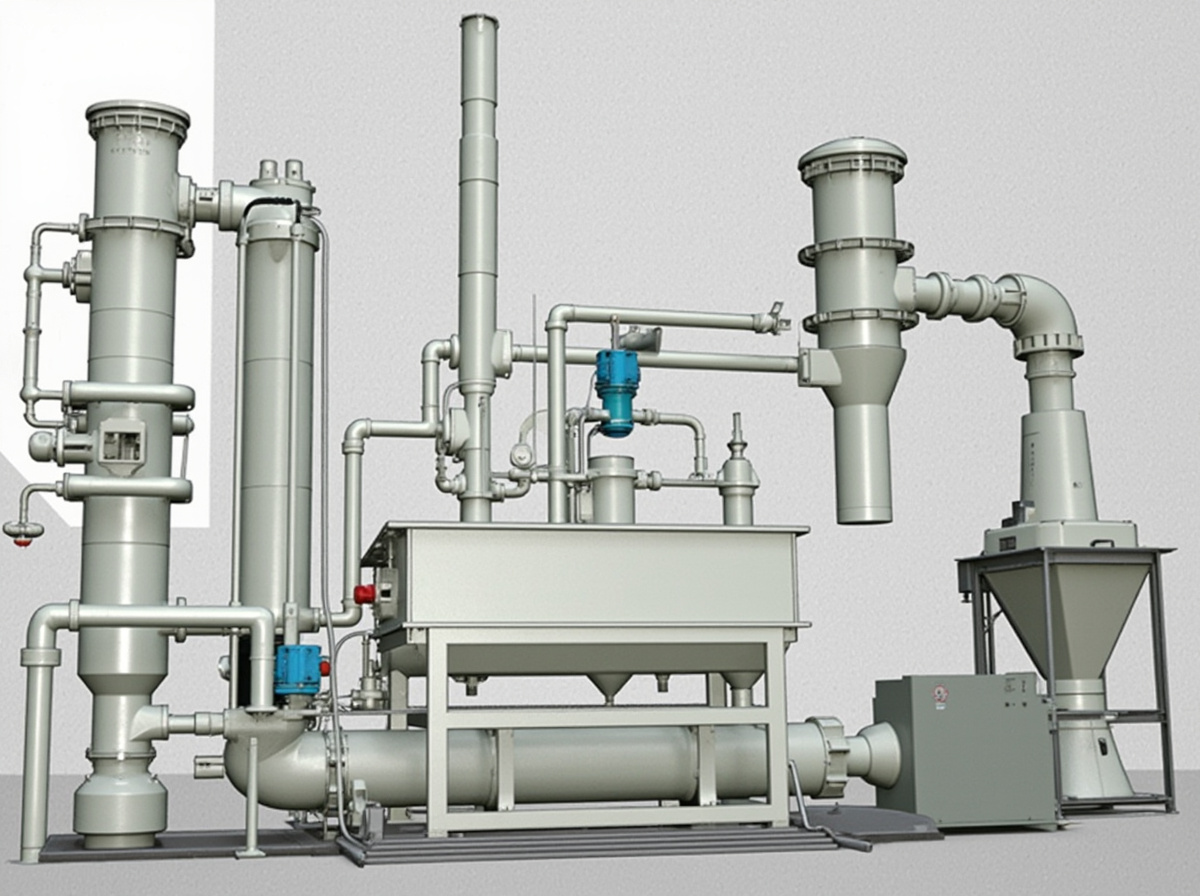
Silica gel’s moisture adsorption capacity depends on pore structure and relative humidity conditions. At 20% RH, silica gel typically adsorbs 10-15% of its weight in water; at 80% RH, capacity increases to 30-40%. Adsorption is predominantly physical adsorption (physisorption) rather than chemical bonding, enabling regeneration through thermal desorption without chemical degradation.
Adsorption Kinetics
The rate of moisture adsorption follows diffusion-limited kinetics influenced by particle size, pore structure, and initial moisture content. Smaller particles (1-2 mm) achieve 90% of equilibrium adsorption within 1-2 hours under typical conditions, while larger particles (3-5 mm) require 4-6 hours. Particle size selection balances adsorption rate against dust generation in handling systems.
Thermal Regeneration
Silica gel regeneration typically requires heating to 150-200°C for 2-4 hours to desorb adsorbed moisture. Careful temperature control prevents structural degradation: prolonged exposure above 250°C can reduce pore volume and surface area through partial sintering. Industrial regeneration systems incorporate temperature profiling to maximize desorption while preserving material integrity.
工業應用
Electronics Packaging
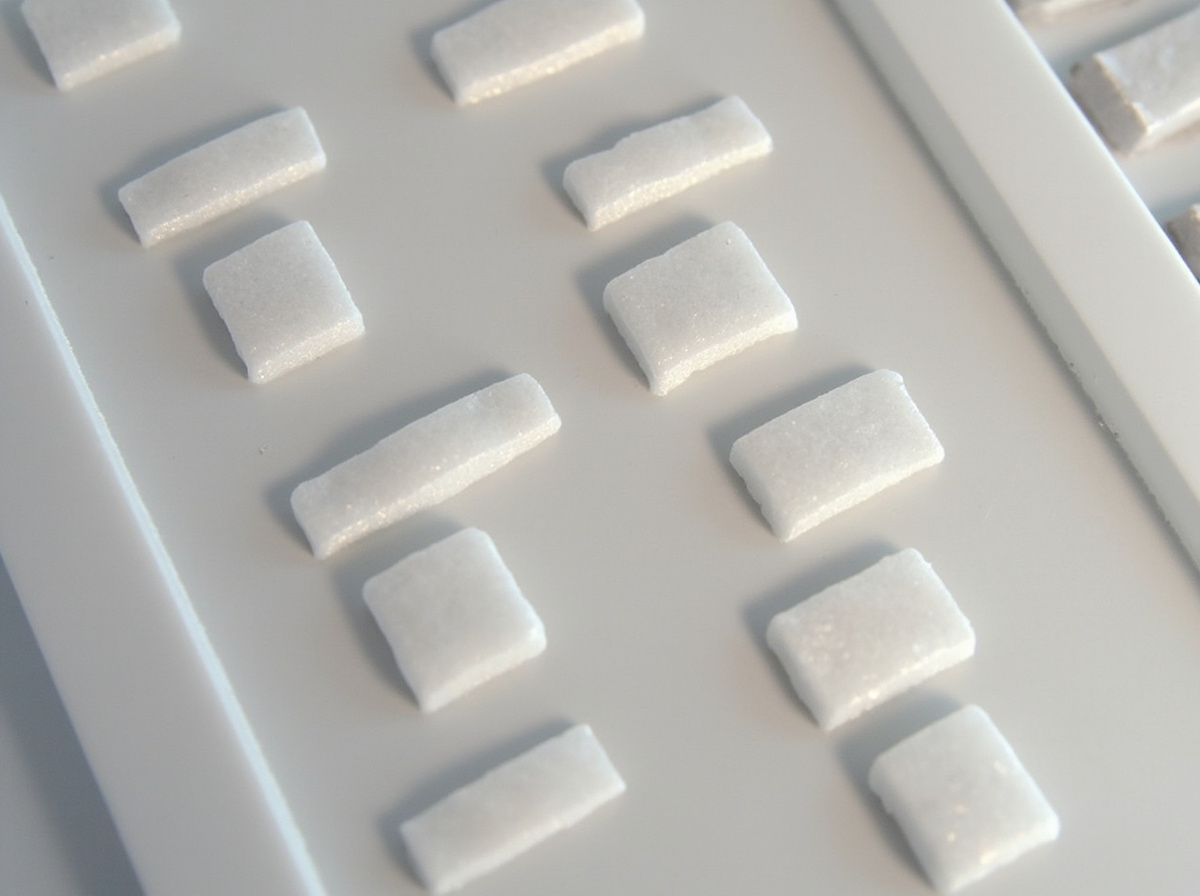
Silica gel packets protect electronic components, semiconductors, and circuit boards during storage and transit. Electronics-grade silica gel maintains pH neutrality (6-7) to prevent corrosion of metal components and exhibits low dust generation to avoid contamination of sensitive surfaces. Moisture indicators (color-changing silica gel) provide visual confirmation of package integrity.
Pharmaceutical Packaging
Pharmaceutical applications require silica gel meeting USP/EP standards for purity and residual contaminants. Pharmaceutical-grade silica gel undergoes additional purification steps to remove heavy metals and organic impurities, ensuring compatibility with drug formulations and medical devices.
Industrial Gas Processing
In natural gas processing and industrial gas production, silica gel beds remove moisture from gas streams to prevent corrosion in pipelines and equipment. Pressure swing adsorption (PSA) systems utilize silica gel’s rapid adsorption kinetics for continuous moisture removal in high-flow applications.
Material Selection Guidelines
Selecting appropriate silica gel for specific applications requires consideration of multiple performance parameters:
Adsorption Capacity Requirements: High-humidity environments (80%+ RH) require silica gel with high pore volume (≥0.8 cm³/g) and optimized pore size distribution. Low-humidity applications (≤20% RH) benefit from smaller pore sizes (2-4 nm) maximizing surface area.
Regeneration Frequency: Frequently regenerated systems benefit from silica gel with excellent thermal stability, minimizing pore volume loss over multiple regeneration cycles. Industrial regeneration systems often incorporate blended silica gel grades balancing capacity with longevity.
Product Compatibility: For electronics and pharmaceutical applications, pH-neutral silica gel (pH 6-7) and low-dust grades prevent product contamination. Food-contact applications require silica gel meeting relevant food safety standards.
總結
Silica gel’s combination of high moisture adsorption capacity, chemical inertness, and thermal regenerability makes it indispensable across industries requiring precise moisture control. Understanding the relationship between manufacturing parameters (pore structure, particle size, purity) and end-use performance enables optimal material selection for specific application requirements. As packaging technologies evolve and moisture-sensitive products proliferate, silica gel continues to provide reliable, cost-effective moisture protection solutions.
常見問題
Why does Silica Gel: Properties, Applications and Manufacturing Guide matter?
Silica Gel: Properties, Applications and Manufacturing Guide matters because it converts material behavior into measurable evidence that can guide design, sourcing, and production decisions.
How is Silica Gel: Properties, Applications and Manufacturing Guide used in material selection?
工程師可利用此結果比較候選材料、確認安全餘量,並避免僅依賴一般的數據表聲稱。.
What can affect the result of Silica Gel: Properties, Applications and Manufacturing Guide?
樣品製備、測試方法、溫度、加載方向、材料狀況和標準選擇都會影響結果。.
What mistake should buyers avoid with Silica Gel: Properties, Applications and Manufacturing Guide?
除非使用相同的標準、試樣條件和測試環境,否則請勿比較數值。.
 English
  Dutch
Dutch  German
  French
  Korean
  Russian
  Japanese
  Spanish
  Vietnamese
  Chinese
  Portuguese
  Arabic