
Ultimate Tensile Strength represents Complete Guide to Material Strength Testing one of the most important processes in materials engineering and manufacturing. This comprehensive guide examines the fundamental principles, operational techniques, and industrial applications of ultimate tensile strength, providing engineers and technical professionals with essential knowledge for process optimization and quality control.
Fundamental Principles and Characteristics
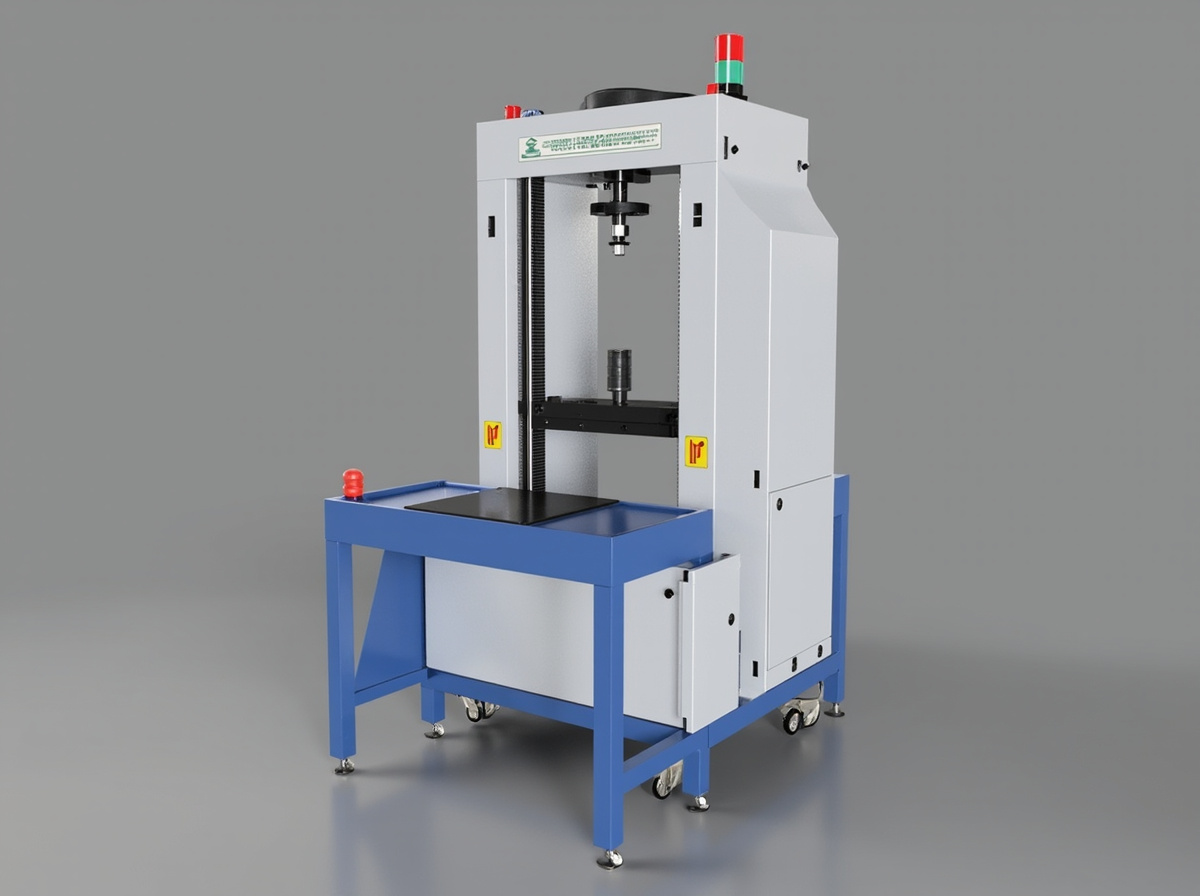
The ultimate tensile strength principles determine their suitability for specific industrial applications. Key characteristics include technical capabilities, operational efficiency, material compatibility, and production scalability. Understanding these fundamental principles enables optimal technology selection across diverse engineering contexts.
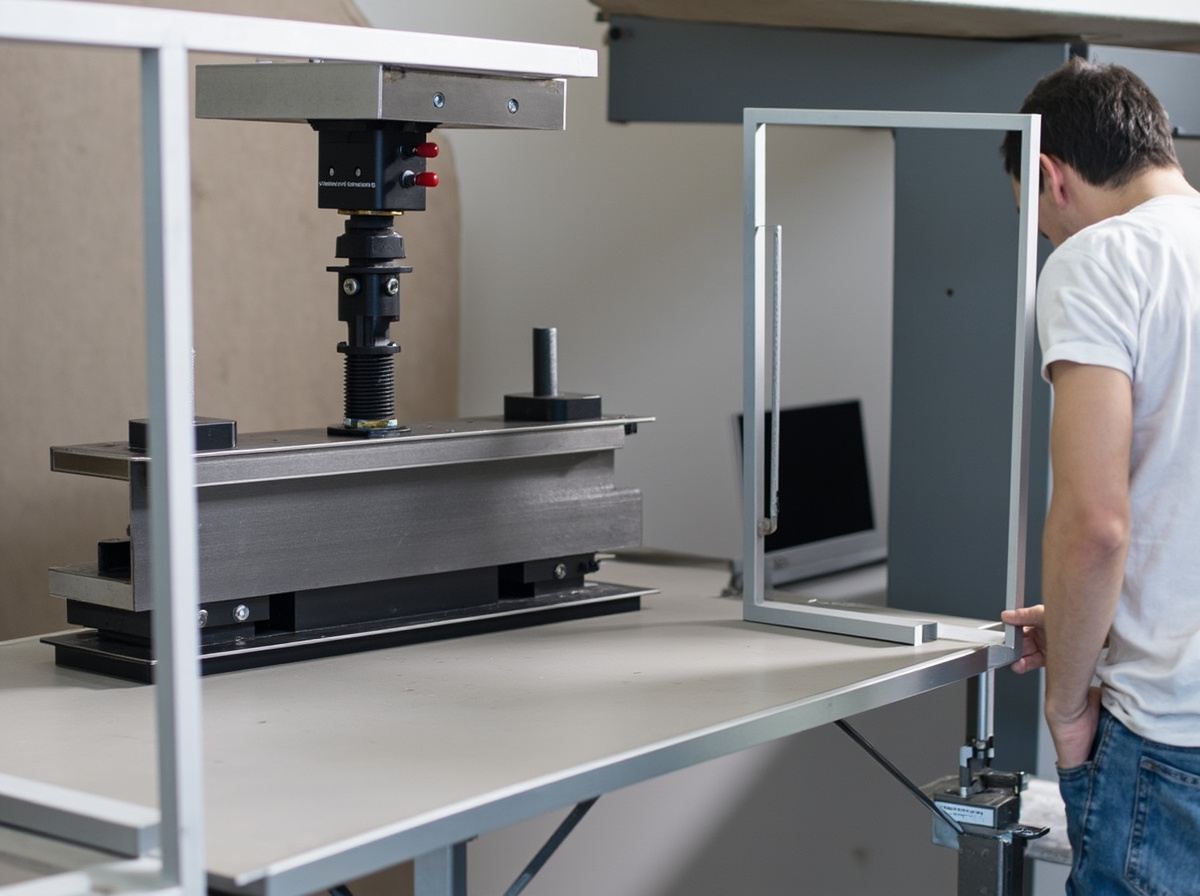
工業應用
| 應用領域 | 特定用途 | 效能要求 | Technology Advantages |
|---|---|---|---|
| 製造業 | 組件生產 | High precision, reliability | Cost-effective, efficient |
| 航太 | Aircraft components | Strength-to-weight ratio | 安全關鍵 |
| 醫療 | Surgical instruments | Biocompatibility, precision | Patient safety |
| 汽車 | 車輛組件 | Durability, performance | Mass production |
| 工業級 | Equipment manufacturing | 使用壽命長 | Operational efficiency |
Operational Processes
ultimate tensile strength operations involve specialized techniques tailored to material properties and application requirements. Common operational methods include process optimization, quality control, material handling, and performance testing, each offering distinct advantages for specific production requirements.

Technology Selection Considerations
Selecting ultimate tensile strength for industrial applications requires evaluating multiple performance criteria against cost constraints and production feasibility. Key considerations include technical requirements, material compatibility, production volume, and lifecycle costs.
效能與成本分析
Technology selection balances performance requirements against economic constraints. ultimate tensile strength offers specific advantages in applications requiring [performance characteristic], though alternative technologies may provide better cost-performance ratios for less demanding applications.
環境與法規因素
Environmental regulations and sustainability considerations increasingly influence technology selection. ultimate tensile strength compliance with relevant standards and regulations must be verified for specific applications and geographic markets.

未來發展與趨勢
Advancements in ultimate tensile strength technology continue to expand application possibilities while addressing efficiency concerns. Emerging trends include improved process automation, enhanced precision capabilities through technological development, and increased focus on energy efficiency and sustainability.
總結
ultimate tensile strength represents a critical technology category with diverse industrial applications spanning manufacturing, aerospace, medical, automotive, and beyond. Understanding its fundamental principles, operational techniques, and application-specific considerations enables engineers and technical professionals to make informed technology selection decisions that balance performance, cost, and sustainability requirements.
常見問題
Why does Ultimate Tensile Strength: Complete Guide to Material Strength Testing matter?
Ultimate Tensile Strength: Complete Guide to Material Strength Testing matters because it converts material behavior into measurable evidence that can guide design, sourcing, and production decisions.
How is Ultimate Tensile Strength: Complete Guide to Material Strength Testing used in material selection?
工程師可利用此結果比較候選材料、確認安全餘量,並避免僅依賴一般的數據表聲稱。.
What can affect the result of Ultimate Tensile Strength: Complete Guide to Material Strength Testing?
樣品製備、測試方法、溫度、加載方向、材料狀況和標準選擇都會影響結果。.
What mistake should buyers avoid with Ultimate Tensile Strength: Complete Guide to Material Strength Testing?
除非使用相同的標準、試樣條件和測試環境,否則請勿比較數值。.

 English
  Dutch
Dutch  German
  French
  Korean
  Russian
  Japanese
  Spanish
  Vietnamese
  Chinese
  Portuguese
  Arabic