

If you’re sourcing a carbon fiber drone frame, you’re not just buying a part—you’re investing in the core structural integrity of your aerial system. As showcased by leading OEM carbon fiber drone frame manufacturers on platforms like Alibaba, today’s frames blend advanced materials science with precision manufacturing. This guide delves into the engineering behind these frames and provides a roadmap for successful sourcing and customization for commercial, industrial, and high-performance applications.
Why Carbon Fiber is the Undisputed Choice for Drone Frames
The shift from plastic or aluminum to carbon fiber composites is driven by non-negotiable demands in advanced drone applications:
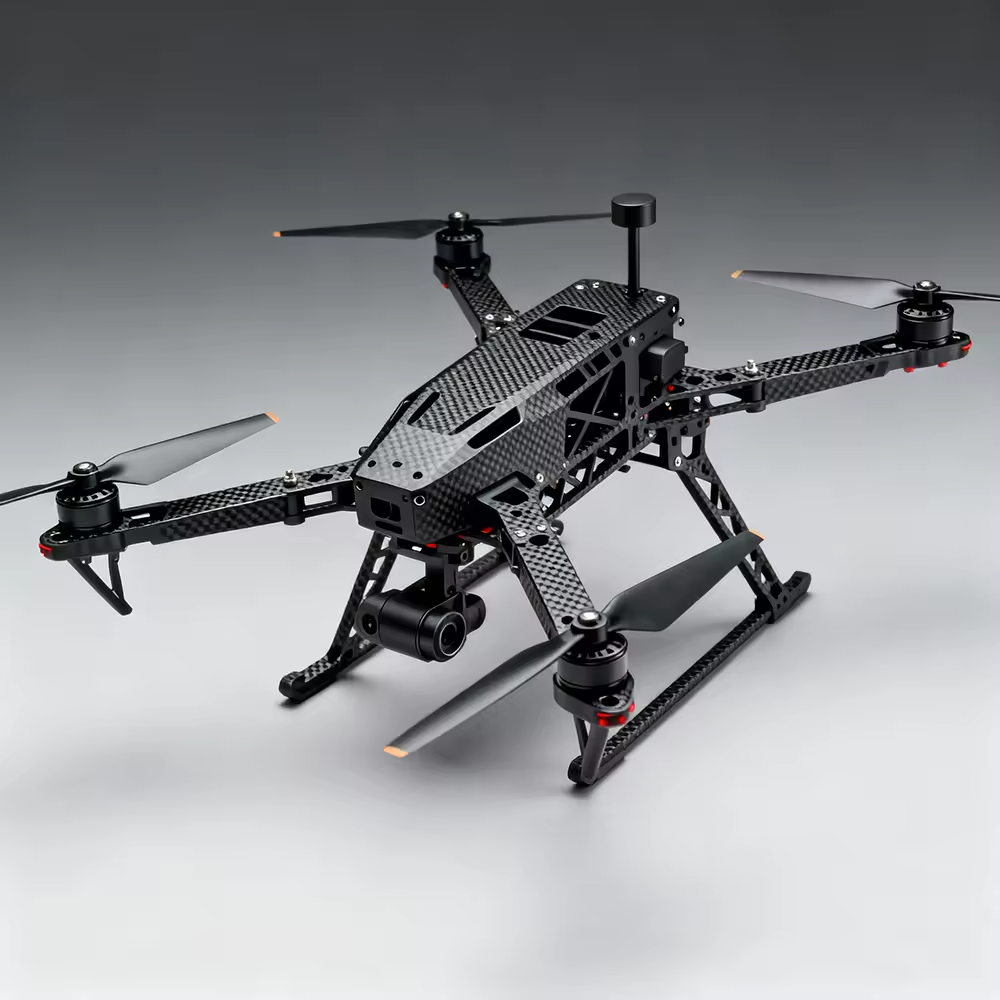
- Maximized Strength-to-Weight Ratio: Carbon fiber provides exceptional stiffness and tensile strength while being remarkably lightweight. This directly translates to longer flight times, greater payload capacity, and enhanced agility.
- Superior Vibration Damping: The composite structure inherently absorbs and dissipates vibrations from motors and propellers far better than metals. This leads to sharper aerial imaging and more stable flight control, critical for surveying and cinematography.
- Minimal Thermal Expansion: Carbon fiber frames maintain dimensional stability across a wide temperature range, ensuring consistent performance and calibration from cold mornings to hot afternoons.
- Design Flexibility & Durability: The molding process allows for complex, aerodynamic geometries impossible with metal machining. Furthermore, carbon fiber offers excellent fatigue resistance, meaning the frame can withstand repeated stress cycles without degrading.
Decoding Manufacturing: How OEMs Build Performance
Understanding the manufacturing processes offered by suppliers is key to specifying the right frame. The carbon fiber drone frame manufacturing process typically involves:
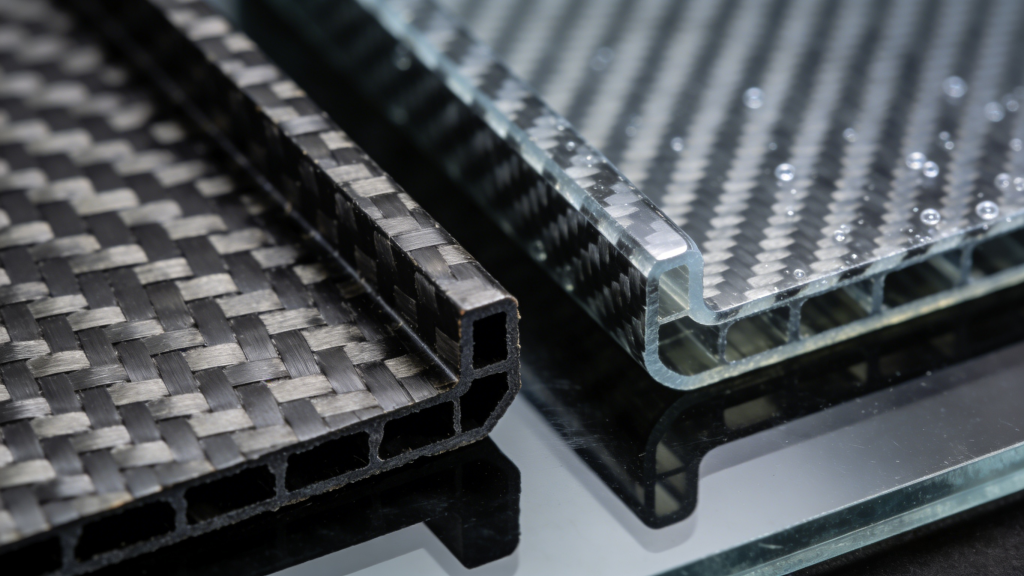
- Mold Design & Fabric Preparation: High-precision molds are CNC mached. Carbon fiber fabric (weave style like plain, twill, or unidirectional is chosen based on strength needs) is cut and layered.
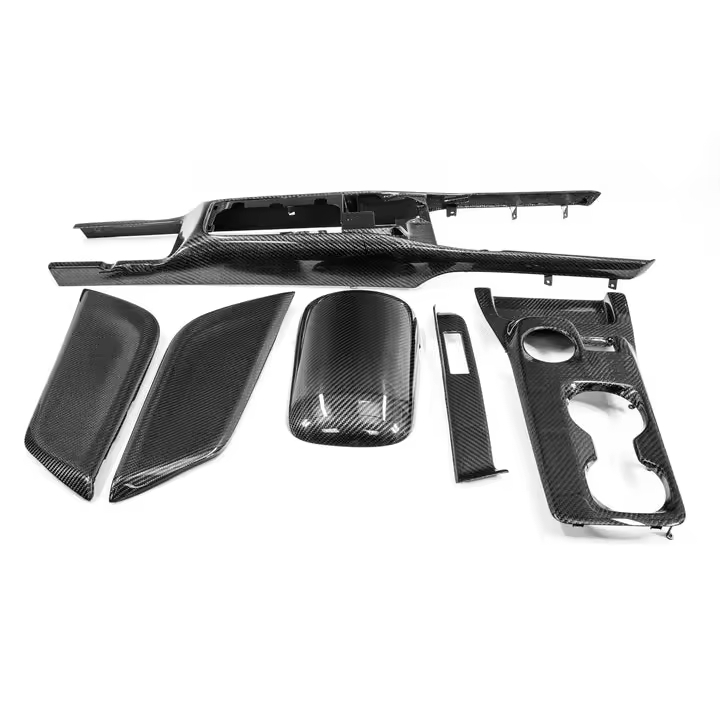
- Lay-Up and Infusion: In advanced OEM manufacturing, processes like Resin Transfer Molding (RTM) or vacuum infusion are used. Dry fabric is placed in the mold, and resin is injected under pressure, ensuring perfect saturation, optimal fiber-to-resin ratio, and excellent surface finish on both sides.
- Curing & Post-Processing: The mold is heated to cure the resin. Once demolded, the frame undergoes precise CNC trimming, hole drilling, and surface finishing. Quality suppliers will apply UV-resistant coatings.
The Sourcing Checklist: Navigating OEM & Customization
When evaluating an OEM manufacturer carbon fiber drone frame, go beyond the listing. Use this checklist:
- Material Specifications: Confirm the type of carbon fiber (e.g., 3K, 12K weave), resin system (standard epoxy, or high-temp), and ply layup schedule.
- Manufacturing Capability: Can they handle both small-batch prototyping and large-scale production? What is their quality control process (e.g., ultrasonic testing for voids)?
- Customization Scope: A true OEM partner should offer comprehensive carbon fiber drone frame customization. This includes adapting arm length, mounting hole patterns, internal geometry for electronics, and branding.
- Compliance & Testing: Inquire about compliance with relevant industry standards and their in-house testing facilities for impact resistance and load-bearing.
Applications: Matching the Frame to the Mission
The right frame design depends entirely on its application:
- Racing Drones: Prioritize ultra-lightweight, compact designs with extreme stiffness for instantaneous torque response.
- Cinematography Drones: Focus on frames with optimized vibration damping and mounting points for gimbal isolation.
- Industrial & Agricultural Drones: Require robust, larger frames with high payload capacity and durability for sensor packages or spraying systems.
- Surveying & Mapping Drones: Need a stable platform that can accommodate fixed-wing or VTOL designs for maximum coverage and endurance.
Partnering for the Future of Flight
Selecting a carbon fiber drone frame is a critical technical and supply chain decision. It defines your drone’s performance ceiling, reliability, and ultimately, the success of your project or product line.
At Nylon Plastic, we empower innovation from the material level up. While we specialize in high-performance engineering thermoplastics, we understand the composite ecosystem. For applications where advanced thermoplastics like PA-CF (Nylon Carbon Fiber) 或 PET-CF could benefit specific components or housing integrated into your drone system, we provide the material expertise.
Ready to specify or discuss materials for your next-generation drone platform? Contact our engineering team for a technical consultation.
常見問題
What is the practical value of Beyond the Frame: The Engineering & Sourcing Guide to Carbon Fiber Drone Frames?
Beyond the Frame: The Engineering & Sourcing Guide to Carbon Fiber Drone Frames helps connect material choice, process limits, cost, and application risk before committing to production.
What should be checked first for Beyond the Frame: The Engineering & Sourcing Guide to Carbon Fiber Drone Frames?
Start with the real application requirements, expected environment, production quantity, tolerance needs, and quality control expectations.
What usually causes problems in Beyond the Frame: The Engineering & Sourcing Guide to Carbon Fiber Drone Frames?
Problems usually come from unclear requirements, mismatched materials, unrealistic tolerances, missing inspection criteria, or late design changes.
How can buyers reduce risk with Beyond the Frame: The Engineering & Sourcing Guide to Carbon Fiber Drone Frames?
Buyers can reduce risk by sharing drawings, use conditions, critical dimensions, target quantities, and quality expectations before quoting.
 English
 Dutch
Dutch German
 French
 Korean
 Russian
 Japanese
 Spanish
 Vietnamese
 Chinese
 Portuguese
 Arabic