The UV Challenge for Nylon
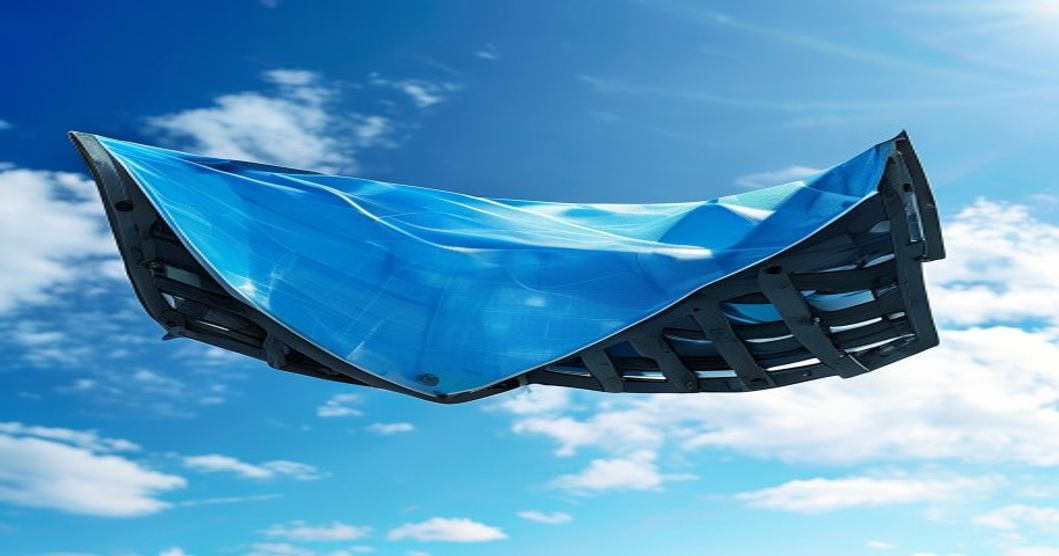
Nylon’s Achilles’ heel in outdoor applications has always been ultraviolet (UV) radiation. Without protection, standard PA6 or PA66 exposed to direct sunlight will lose 50% or more of its tensile strength within 12–24 months, accompanied by severe yellowing, surface cracking, and embrittlement. The damage mechanism is photodegradation: UV photons break the amide bonds in the nylon polymer chain, reducing molecular weight and destroying the properties that make nylon useful.
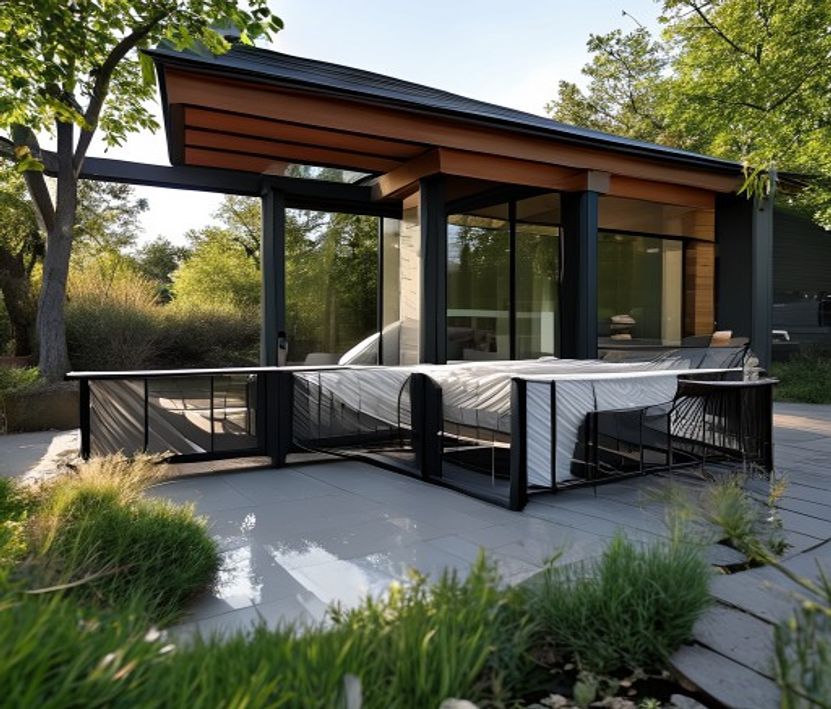
But this vulnerability doesn’t mean nylon is unsuitable for outdoor use. Properly stabilized grades can deliver 10–20 years of service life in full sun exposure, maintaining both appearance and mechanical integrity. The key is understanding the stabilization options and matching them to your application’s specific requirements.
UV Stabilization Technologies
| 技術 | Mechanism | Typical Loading | Service Life Gain |
|---|---|---|---|
| Carbon Black | Physical UV absorber; sacrificial surface | 1.5–3.0% | 10–20× |
| HALS (Hindered Amine Light Stabilizers) | Radical scavenger; catalytic regeneration | 0.2–1.0% | 5–15× |
| UV Absorbers (UVA) | Competitive absorption; energy dissipation as heat | 0.2–0.5% | 3–5× |
| TiO₂ Pigmentation | Reflection and scattering of UV; opaque barrier | 2–5% | 3–8× |
Carbon Black: The Benchmark
Finely dispersed carbon black at 2–2.5% is the most effective single UV stabilizer for nylon. It works as both a UV absorber and a free radical trap, and unlike organic stabilizers, it never depletes—its protection is essentially permanent. Well-stabilized carbon black nylon can maintain 80%+ of initial tensile strength after 10+ years of outdoor exposure.
The limitation is aesthetic: carbon black limits you to black parts. For applications where color matters, organic stabilizers are required.
HALS: The Color-Friendly Workhorse
Hindered Amine Light Stabilizers are the most versatile UV protection for colored nylon parts. They work through the Denisov cycle—a catalytic mechanism where one HALS molecule can neutralize thousands of free radicals before being consumed. This makes them extremely efficient at low concentrations.
For maximum outdoor life in pigmented parts, HALS is typically combined with a UV absorber (UVA) in a synergistic package. The UVA screens incident UV while HALS scavenges any radicals that still form.
Accelerated Weathering vs Real-World Performance
Laboratory accelerated weathering (Xenon arc per SAE J2527 or QUV per ASTM G154) provides comparative data, but translating test hours to real-world years requires caution. A useful rule of thumb: 1,000 hours of xenon arc testing at 0.55 W/m² @ 340 nm approximates 1 year of Florida outdoor exposure for automotive exterior applications.
Key property retention targets after the equivalent of 5 years outdoor exposure:
- Tensile strength retention: >70%
- Elongation at break retention: >50% (more sensitive indicator than tensile strength)
- Color change (ΔE): <3.0 for visible parts, <5.0 for functional parts
- Surface chalking rating: ISO 4628-6 rating of 2 or better
Application Examples by Industry
Automotive Exterior: Mirror housings, roof rack components, grille frames, wheel covers. These parts see the harshest conditions—full sun, road salt, acid rain, and wide temperature swings.
Electrical & Power Distribution: Cable ties for outdoor installations, solar panel junction boxes, outdoor electrical enclosures. UV resistance is critical for safety-critical power infrastructure.
Construction: Window hardware, façade fasteners, structural thermal breaks, concrete formwork accessories.
Marine: Cleats, fairleads, hatch components, deck hardware. Marine applications add salt spray to the UV challenge—stabilized nylon performs well in this combined environment.
Furniture & Recreation: Outdoor furniture components, playground equipment fittings, sports equipment hardware.

Specifying UV Stabilized Nylon: What to Ask Your Supplier
- What is the expected UV exposure (geographic location, orientation, hours of direct sun per day)?
- What property retention is required after what service life?
- Is color stability a requirement, or is mechanical performance the only concern?
- Is the part painted, plated, or otherwise coated after molding (which provides additional UV protection)?
- Are there any chemical exposures that could extract or degrade the stabilizer package?
為何選擇尼龍塑膠滿足您的工程塑膠需求?
- ✅ 300 多台注塑機 從 50T 到 2000T
- ✅ 每天 10,000+ 個零件 產能
- ✅ ±0.02mm 精度 所有材料的公差
- ✅ MOQ 僅 1 件 用於原型設計;可擴充至數百萬
- ✅ 24 小時報價, 3-15 天的交貨時間
- ✅ 通過 ISO 9001 認證的品質管理系統
相關文章
- Plastic Material Selection for Outdoor Applications
- Understanding Nylon Water Absorption: Impact on Dimensional Stability
- Nylon vs Polycarbonate: Strength, Heat Resistance, and Cost Comparison
常見問題
How do you know whether UV Stabilized Nylon: Complete Guide to Outdoor Weathering Performance fits a part?
UV Stabilized Nylon: Complete Guide to Outdoor Weathering Performance fits a part when its load capacity, temperature range, moisture exposure, wear behavior, and processing method match the real service conditions.
What properties should be checked for UV Stabilized Nylon: Complete Guide to Outdoor Weathering Performance?
Check strength, stiffness, impact resistance, heat resistance, moisture absorption, dimensional stability, friction, wear, and chemical compatibility.
What is the biggest selection risk for UV Stabilized Nylon: Complete Guide to Outdoor Weathering Performance?
The biggest risk is choosing from a datasheet value without considering actual environment, processing method, part geometry, and long-term use.
When should UV Stabilized Nylon: Complete Guide to Outdoor Weathering Performance be tested before production?
Testing is recommended when the part faces load, heat, chemicals, moisture, tight tolerances, regulatory requirements, or a new operating environment.