
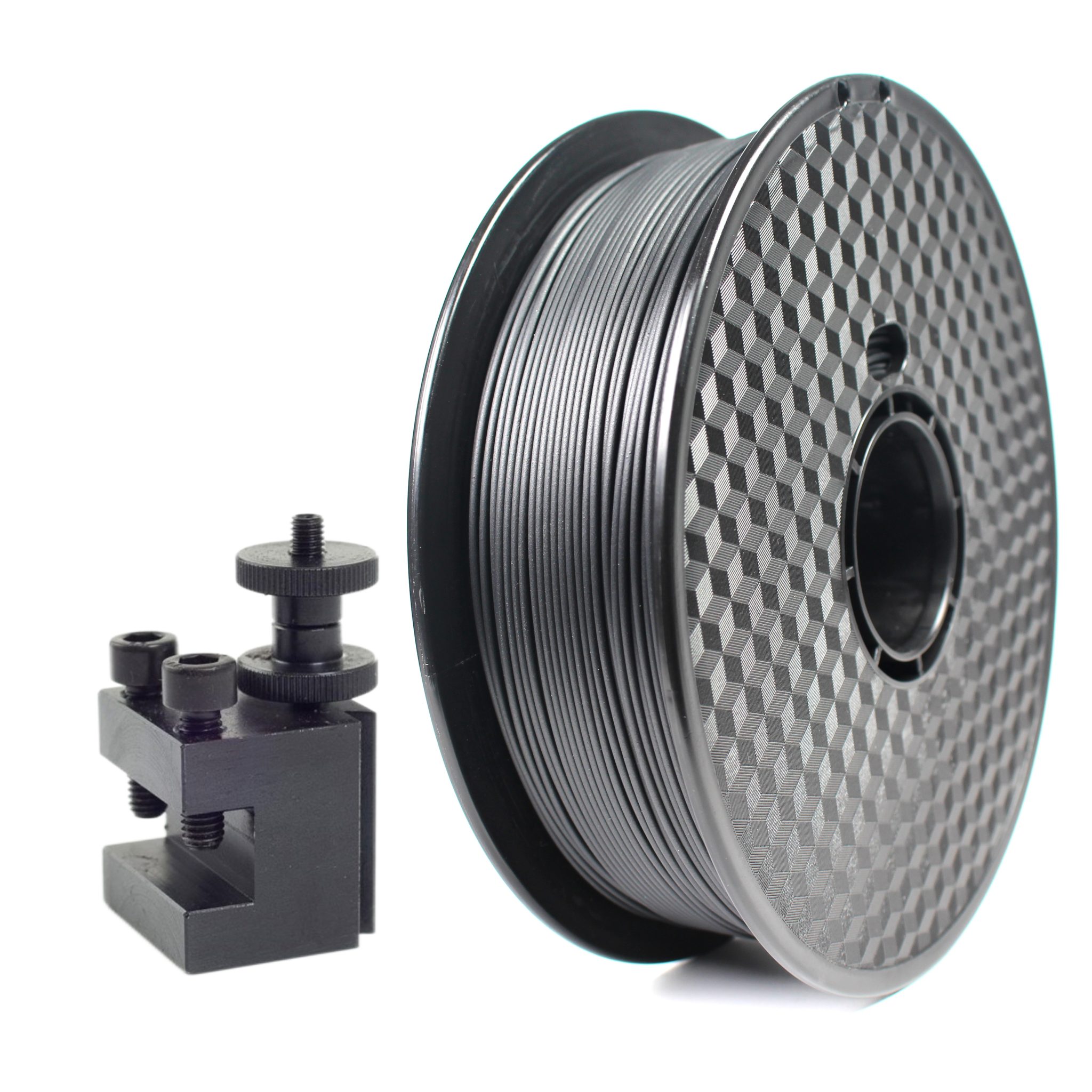
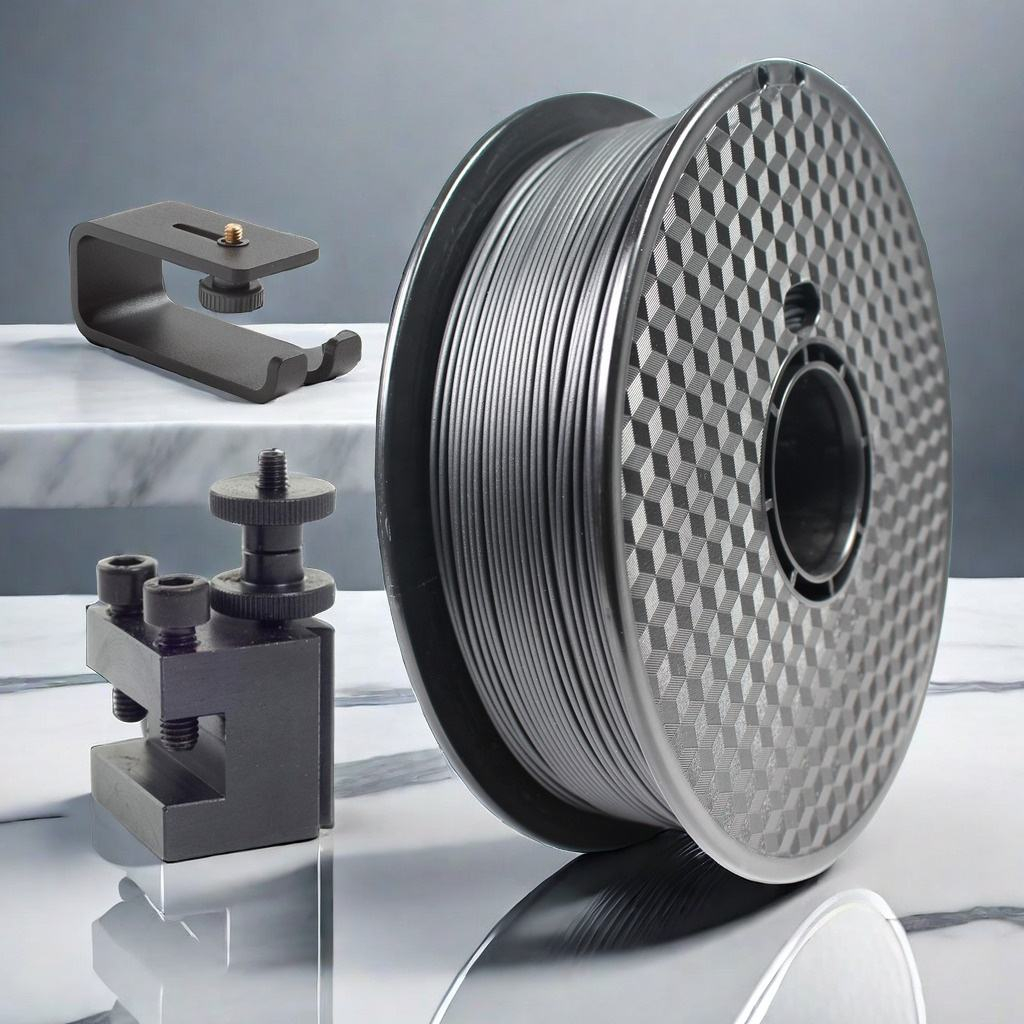
PA6-CF Filament Übersicht
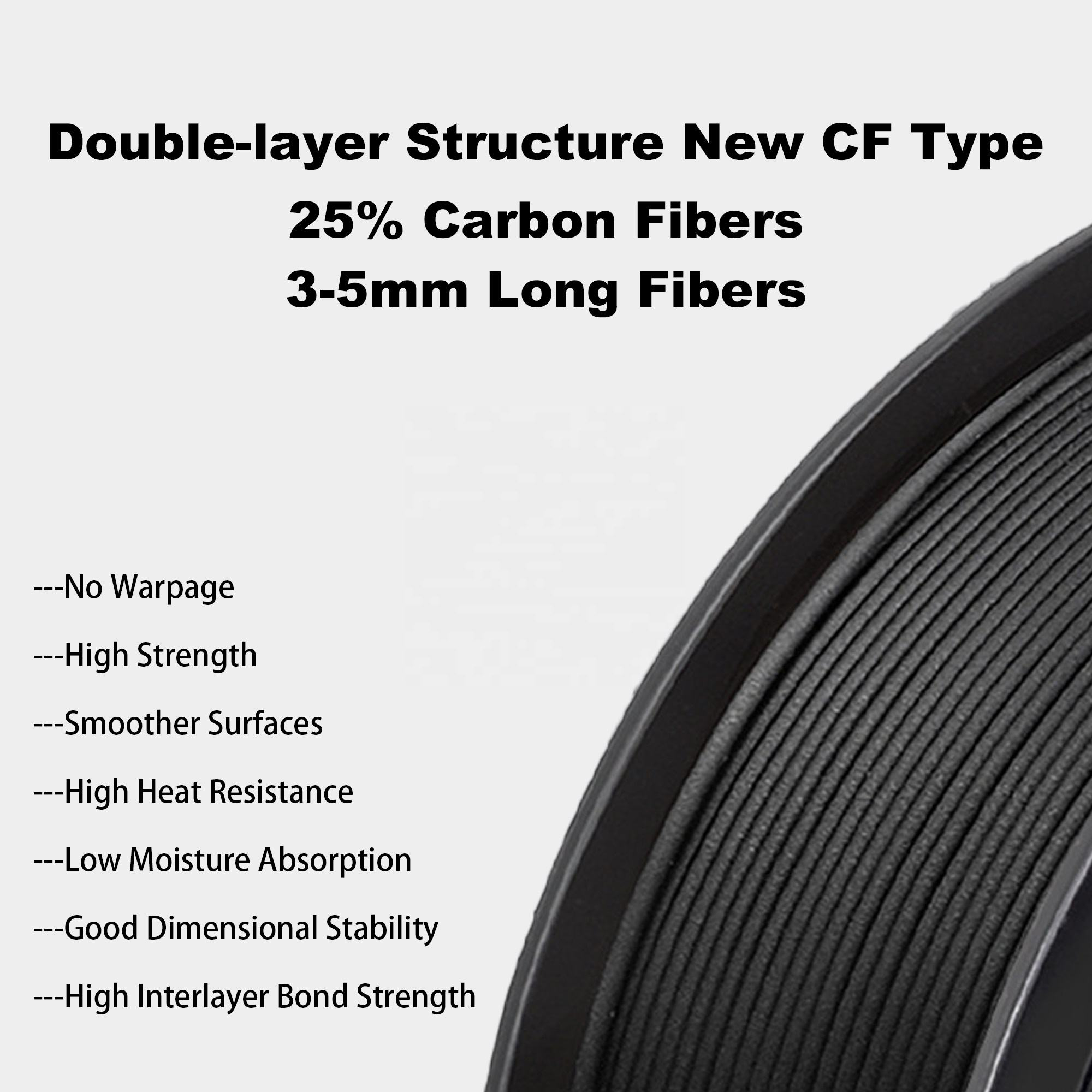
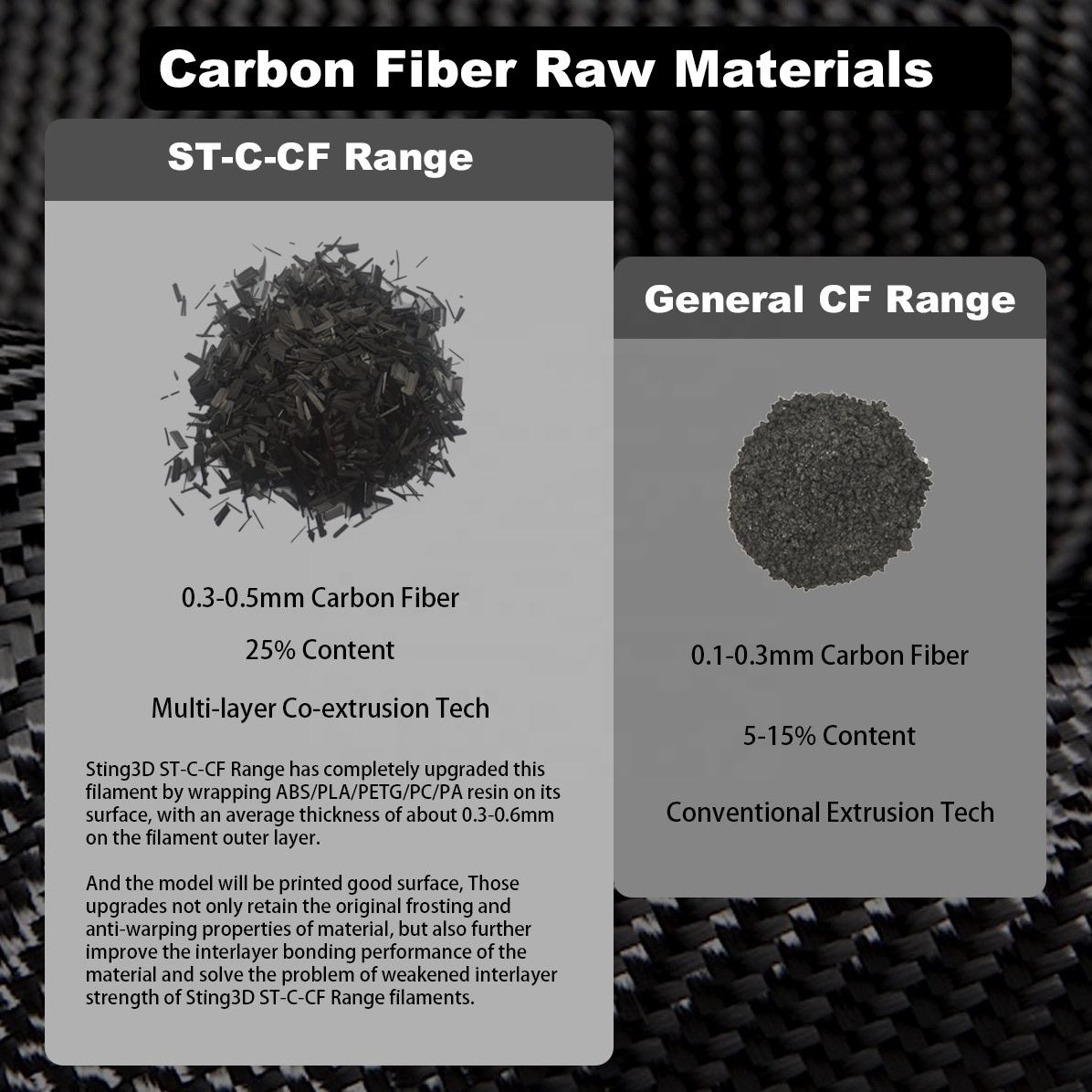
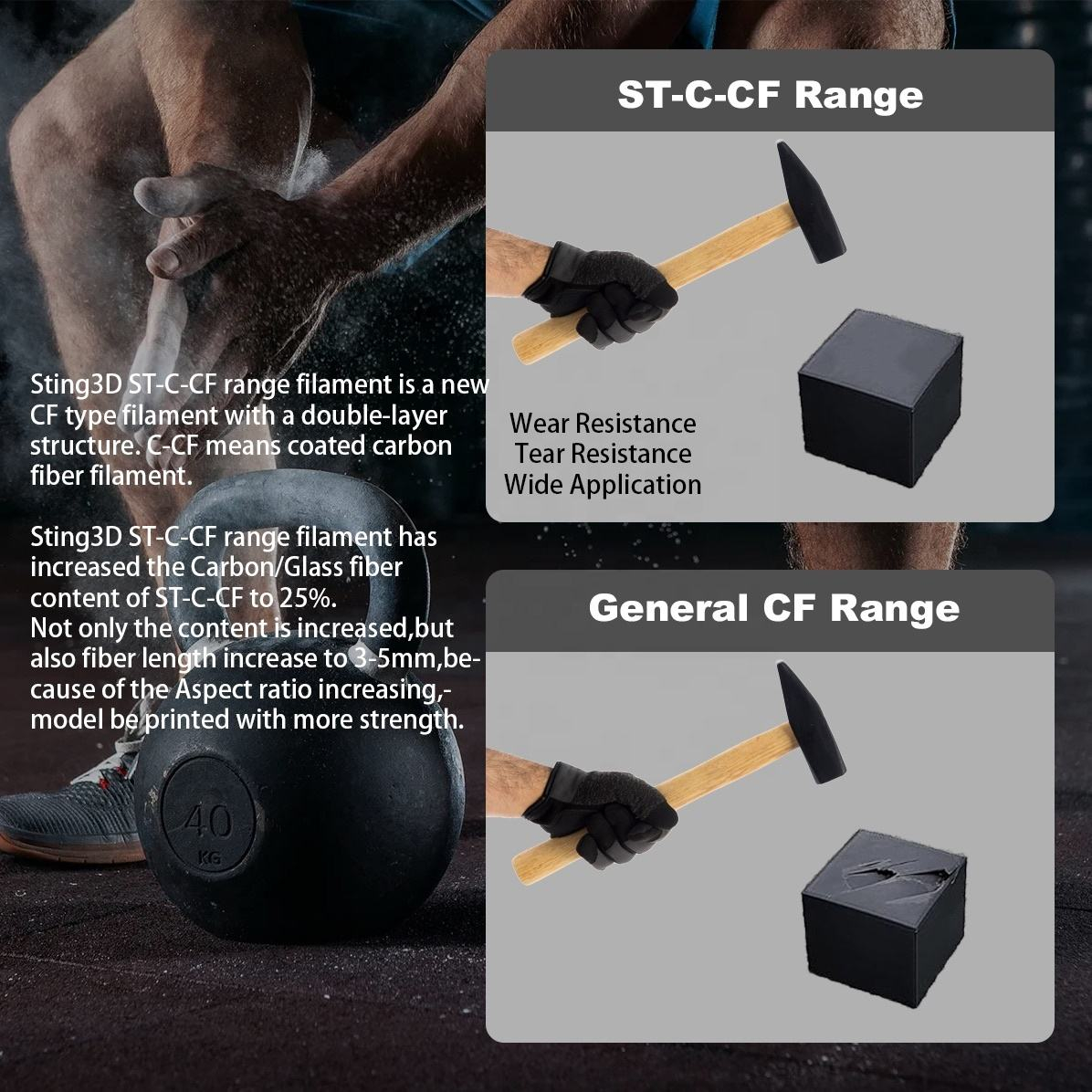
PA6-CF Filament ist ein kohlenstofffaserverstärkter Polyamid 6 (Nylon 6) Verbundwerkstoff, der für leistungsstarke 3D-Druckanwendungen entwickelt wurde. Mit 15% gehackten Kohlenstofffasern nach Gewicht bietet dieses Filament im Vergleich zu ungefüllten Nylons überlegene Steifigkeit, thermische Stabilität und Maßgenauigkeit.
Technische Daten
| Eigentum | Wert |
|---|---|
| Material Basis | Polyamid 6 (PA6) |
| Kohlenstofffaser Inhalt | ~15% nach Gewicht |
| Durchmesser | 1,75 mm / 2,85 mm (±0,05 mm Toleranz) |
| Dichte | 1,23 g/cm³ |
| Zugfestigkeit (XY) | 110 - 130 MPa |
| Biegemodus | 7.500 - 9.000 MPa |
| Dehnung beim Bruch | 3 - 5% |
| Wärmeableitungstemperatur (HDT B) | 160 - 180°C (0,45 MPa) |
| Glasübergangstemperatur (Tg) | ~60°C (trocken) |
| Schmelztemperatur | ~220°C |
Empfohlene Druckeinstellungen
| Einstellung | Empfohlener Wert |
|---|---|
| Düsentemperatur | 270 - 290°C |
| Temperatur im Bett | 90 - 110°C |
| Kammertemperatur | 45 - 60°C (Gehäuse erforderlich) |
| Druckgeschwindigkeit | 40 - 60 mm/s |
| Düse Typ | Gehärteter Stahl oder Rubin (0,6 mm empfohlen) |
| Bett-Haftung | Magigoo PA, PVA-Klebestift oder PEI-Folie |
| Anforderungen an die Trocknung | 70°C für 8-12 Stunden (Druck aus der Trockenbox) |
Informationen zu Verpackung und Spulen
| Artikel | Einzelheiten |
|---|---|
| Verfügbare Gewichte | 0,5 kg, 1 kg, 2,5 kg |
| Spulen-Außendurchmesser | 200 mm |
| Durchmesser der Spulennabe | 52 mm |
| Spulenbreite | ~65 mm (1 kg) / ~85 mm (2,5 kg) |
| Verpackung | Vakuumversiegelt mit Trocknungsmittel, wiederverschließbarer Beutel |
⚠️ Wichtige Hardware-Anforderungen
- Düse: Kohlefaser ist abrasiv. A Düse aus gehärtetem Stahl ist obligatorisch. Messingdüsen nutzen sich innerhalb weniger Stunden ab.
- Durchmesser der Düse: 0,6 mm oder größer empfohlen, um ein Verstopfen durch Faserpartikel zu verhindern.
- Extruder: Es wird dringend empfohlen, einen Extruder mit zwei Zahnrädern zu verwenden. Fasergefülltes Filament ist steif und kann bei Ein-Gang-Anlagen verrutschen.
- Beifügung: Erforderlich für Teile, die größer als 50 mm sind, um ein Verziehen zu verhindern und die Haftung zwischen den Schichten zu gewährleisten.
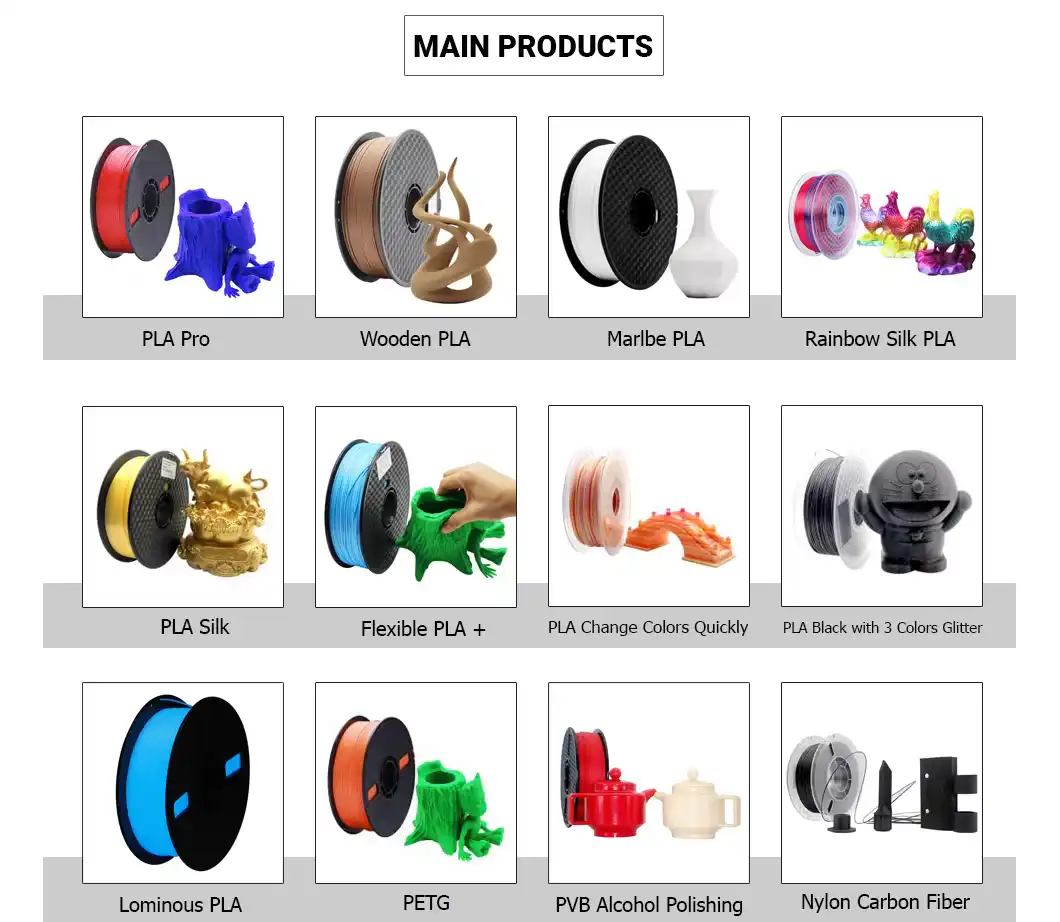
Die wichtigsten Vorteile von PA6-CF Filament
- ✅ 3x höhere Steifigkeit als ungefülltes PA6
- Geringe Verformung im Vergleich zu reinem Nylon
- ✅ Ausgezeichnete Hitzebeständigkeit (160°C+ HDT)
- ✅ Professionelle, mattschwarze Oberflächenbehandlung
- ✅ Leichte Alternative zu Aluminiumbauteilen
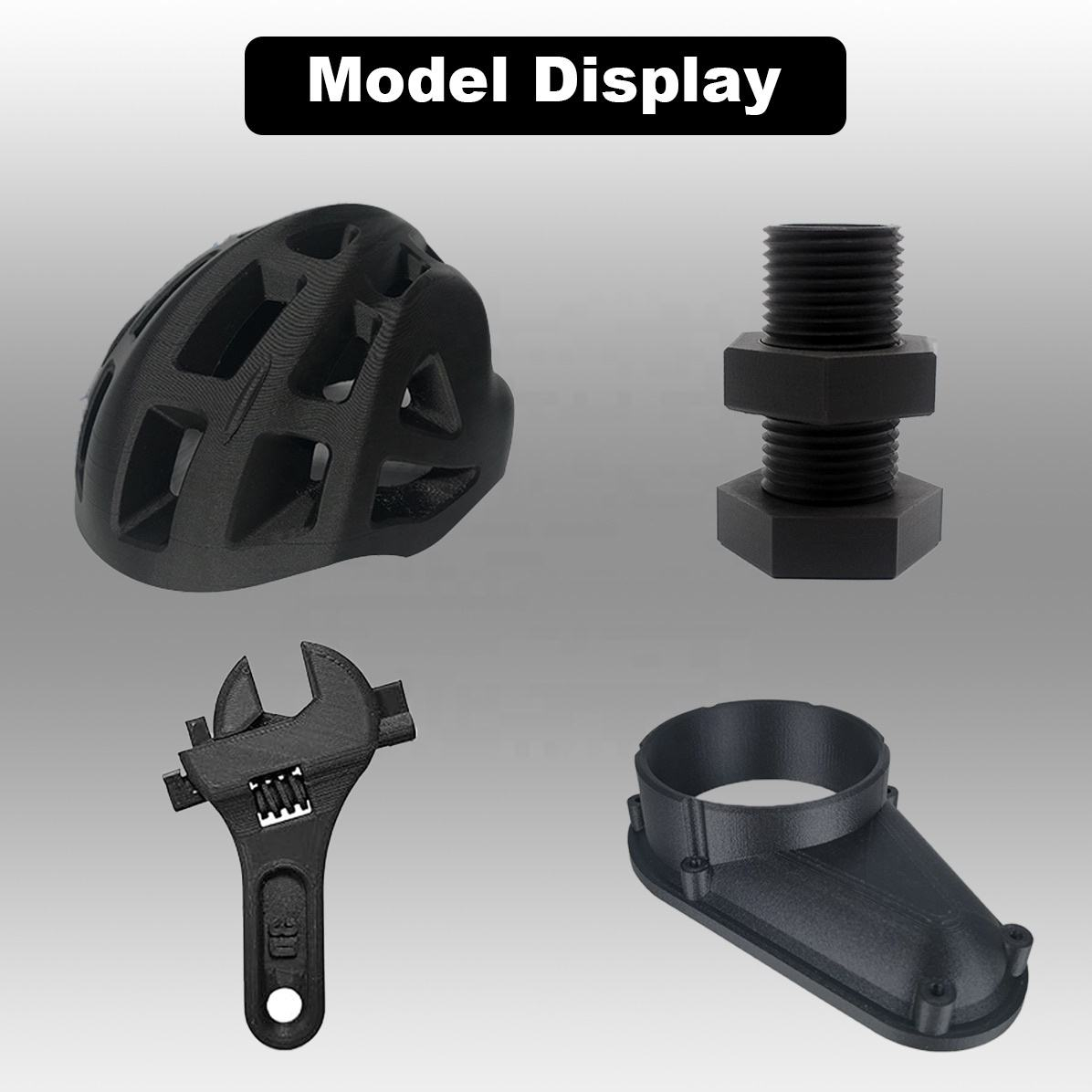
Typische Anwendungen
- Kfz-Haubenhalterungen und -befestigungen
- Drohnenrahmen und hochbeanspruchte RC-Komponenten
- Robotergreifer und End-of-Arm-Tooling
- Herstellung von Vorrichtungen und Prüflehren
- Funktionsprototypen, die strukturelle Integrität erfordern
Für Großbestellungen oder technische Anfragen, bitte Kontakt zu unseren Werkstoffspezialisten oder verwenden Sie die Schaltfläche zur Angebotsanfrage unten.
Warum uns wählen?

Häufig gestellte Fragen - PA6-CF Filament
Q1: Brauche ich wirklich eine gehärtete Düse für PA6-CF Filament?
Ja, absolut. Kohlefaser ist sehr abrasiv. Eine Standard-Messingdüse nutzt sich bereits nach wenigen Druckstunden ab und führt zu unregelmäßiger Extrusion und ruinierten Drucken. Verwenden Sie eine Düse aus gehärtetem Stahl oder mit Rubinspitze (0,6 mm empfohlen) für eine zuverlässige Leistung.
Q2: Wie sollte ich PA6-CF Filament vor dem Druck trocknen?
Nylon nimmt schnell Feuchtigkeit auf, was zu Abplatzungen, Fadenbildung und schlechter Schichthaftung führt. PA6-CF Filament trocknen bei 70°C für 8-12 Stunden vor dem Gebrauch. Die besten Ergebnisse erzielen Sie, wenn Sie direkt aus einer beheizten Trockenbox oder einem auf 70 °C eingestellten Filamenttrockner drucken.
F3: Welcher Untergrund und welcher Klebstoff eignen sich am besten?
Wir empfehlen Magigoo PA auf eine saubere PEI-Platte oder ein G10-Bett aufgetragen. Ein mit Wasser verdünnter PVA-Klebestift funktioniert ebenfalls. Stellen Sie sicher, dass die Temperatur des Bettes auf folgenden Werten gehalten wird 90-110°C im gesamten Druck.
F4: Kann ich PA6-CF Filament ohne Gehäuse drucken?
Kleine Teile (unter 50 mm) können erfolgreich ohne Gehäuse gedruckt werden, wenn der Raum zugfrei ist. Bei Teilen, die größer als 50 mm sind, ist jedoch eine Einhausung mit einer Umgebungstemperatur von 45-60°C wird dringend empfohlen, um Verformungen und Delaminationen zu vermeiden.
F5: Welche Düsentemperatur sollte ich verwenden?
Beginnen Sie mit 270-290°C. Höhere Temperaturen verbessern die Schichthaftung, können aber die Fadenbildung verstärken. Führen Sie einen Temperaturturm durch, um den optimalen Punkt für Ihren spezifischen Drucker zu finden.
F6: Wie ist PA6-CF Filament im Vergleich zu PA12-CF?
PA6-CF Filament bietet höhere Steifigkeit und Temperaturbeständigkeit (160°C+ HDT) als PA12-CF, nimmt aber mehr Feuchtigkeit auf. PA12-CF ist zäher und bei hoher Luftfeuchtigkeit formstabiler. Für Strukturteile in heißen/trockenen Umgebungen sollten Sie PA6-CF wählen; für nasse oder stoßbelastete Anwendungen sollten Sie PA12-CF in Betracht ziehen.
F7: Wird eine Nachbearbeitung oder Glühung empfohlen?
Glühen bei 80-100°C für 2-6 Stunden kann die Wärmeformbeständigkeit und die Festigkeit weiter erhöhen. Beachten Sie, dass das Glühen zu einer leichten Schrumpfung führen kann (0,3-0,5% in der Z-Achse), daher sollten Sie Ihr Modell leicht skalieren, wenn die Toleranzen kritisch sind.
F8: Kann ich PA6-CF gedruckte Teile lackieren oder kleben?
Ja. Die matte Oberfläche nimmt Farbe und Grundierung gut an. Zum Verkleben verwenden Sie Cyanacrylat (Sekundenkleber) oder Zweikomponenten-Epoxid. Leichtes Schleifen der Oberfläche verbessert die Haftung.
 English
 Dutch
Dutch German
 French
 Korean
 Russian
 Japanese
 Spanish
 Vietnamese
 Chinese
 Portuguese
 Arabic