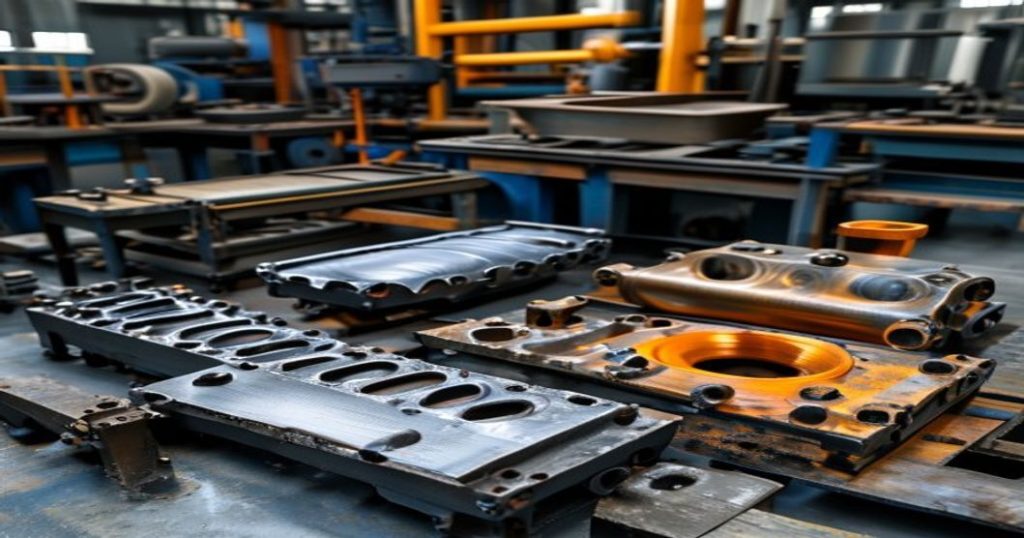
Sheet metal processing remains a fundamental manufacturing technology for industrial applications. While plastiques techniques have replaced metal in many applications, sheet metal processing continues to evolve alongside plastic manufacturing.
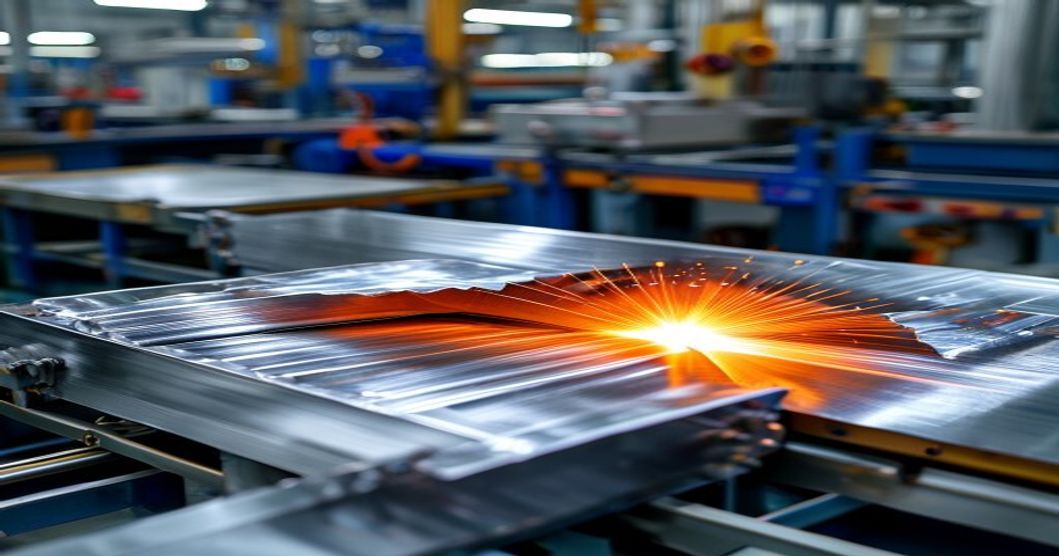
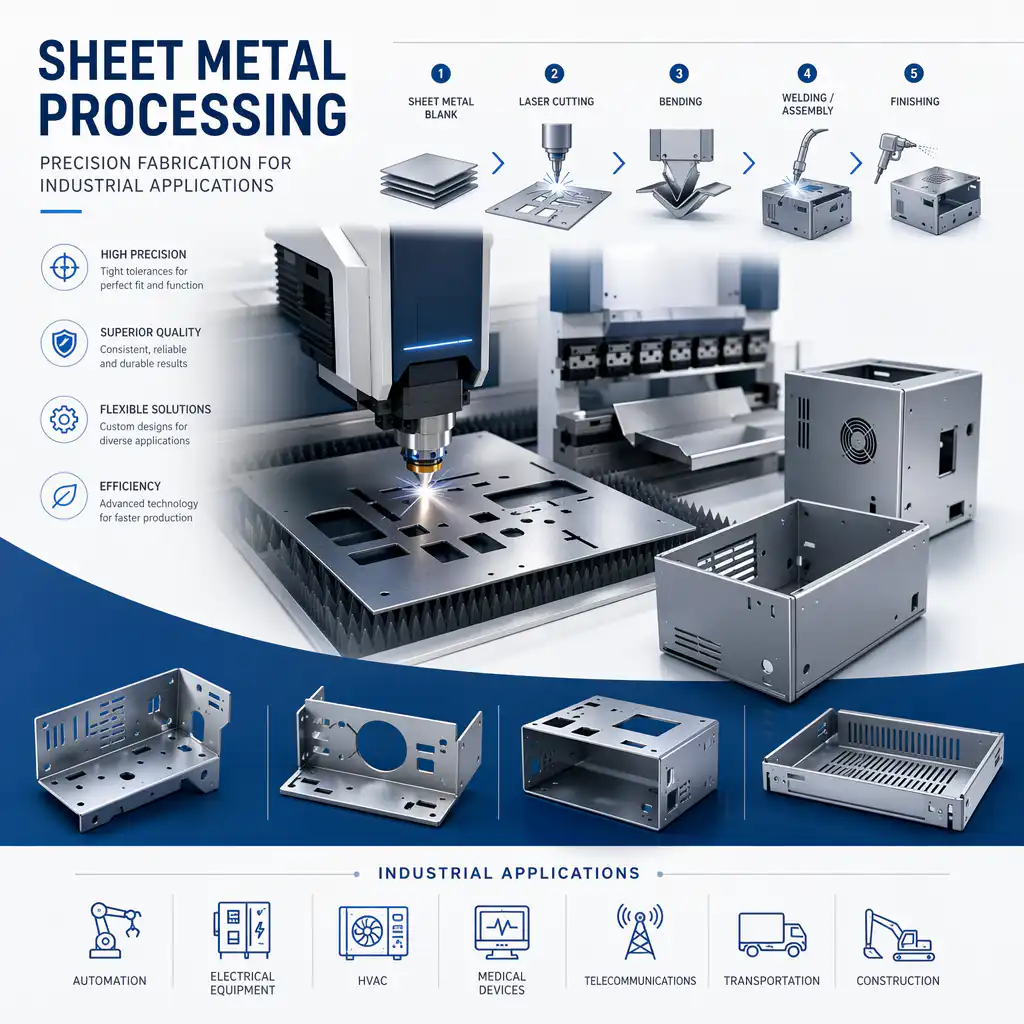
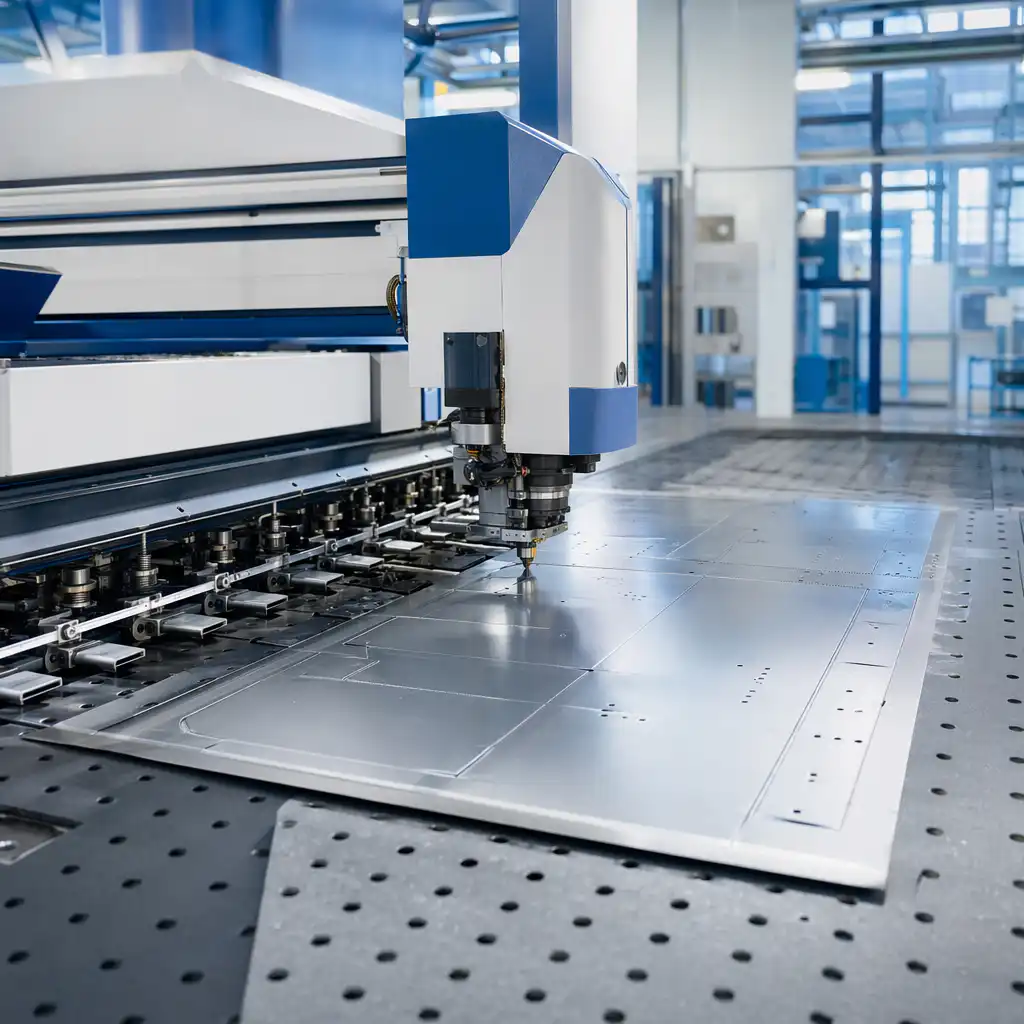
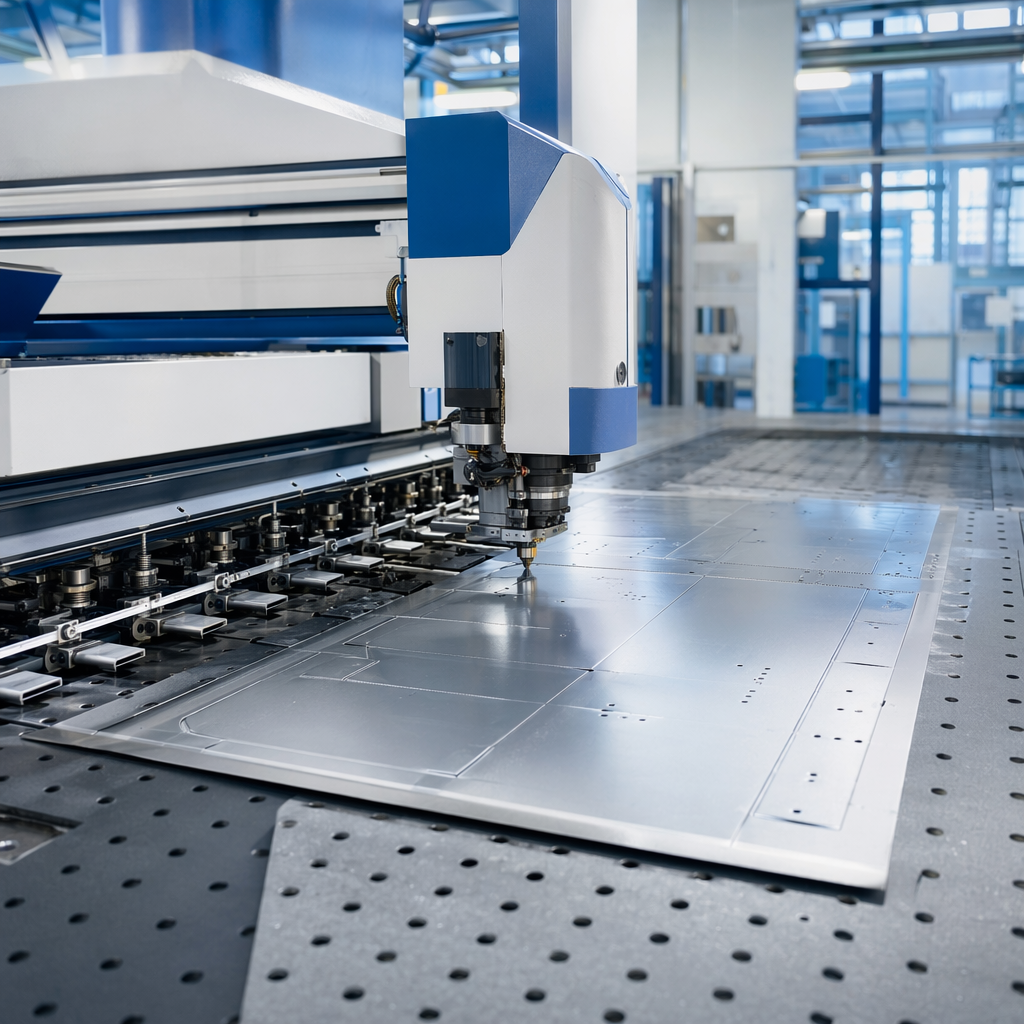
Sheet Metal Processing Methods
- Laser cutting — high precision, complex shapes, minimal tooling
- Poinçonnage — high speed, economical for simple shapes
- Bending — forming 3D shapes from flat sheet
- Soudage — joining multiple components
- Estampillage — high-volume production with dedicated tooling
Sheet Metal vs Plastic Fabrication
| Facteur | Sheet Metal | Plastiques techniques |
|---|---|---|
| Weight | Plus élevé | Lower (30-70% reduction) |
| Corrosion | Requires coating | Inherent resistance |
| EMI Shielding | Excellent | Requires additives |
| Conductivity | Haut | Insulating |
Hybrid Designs: Metal + Plastic
Many modern products combine sheet metal and injection molded plastic components:
- Metal frames with plastic covers and brackets
- Metal structural elements with plastic aesthetic components
- Metal inserts molded into plastic for threaded connections
When to Choose Each Material
Choose sheet metal when:
- EMI shielding is required (electronics enclosures)
- High temperature resistance needed
- Structural rigidity with thin walls
- Electrical conductivity required
Choose engineering plastics when:
- Weight reduction is priority
- Chemical resistance needed
- Complex 3D geometry required
- Electrical insulation required
Why Choose Our Sheet Metal Processing Services
From prototype brackets to large-scale industrial enclosures, our sheet metal capabilities cover the full manufacturing spectrum:
- 50+ professional machines — laser cutters (6000W), CNC bending (400T), punching, shearing, automated stamping lines
- Massive processing capacity — 50+ tons of sheet metal processed daily; laser cutting up to 6000mm × 2500mm
- ±0.1mm precision — micron-level accuracy for electronic enclosures and precision instruments
- MOQ 1 pièce — single-piece customization for prototyping and bespoke requirements
- Fast delivery — standard prototypes in 24 hours; 100,000-piece orders delivered within 10 days
We handle all secondary operations in-house: welding, surface treatment (anodizing, plating, powder coating), and assembly — delivering complete, ready-to-use parts.
Upload your drawings (PDF, DWG, STEP) and receive a complete manufacturing quote including materials and finishing within 24 hours.
FAQ
How should buyers evaluate Sheet Metal Processing: Precision Fabrication for Industrial Applications?
Sheet Metal Processing: Precision Fabrication for Industrial Applications should be evaluated by matching strength, corrosion resistance, heat exposure, machinability, finishing requirements, and certification needs to the operating environment.
What properties matter most for Sheet Metal Processing: Precision Fabrication for Industrial Applications?
Les propriétés les plus importantes sont généralement la résistance, la dureté, la ductilité, la résistance à la corrosion, le comportement thermique, l'usinabilité et la compatibilité avec les traitements de surface.
Quelles sont les informations qui permettent de sélectionner la bonne qualité de métal ?
La charge de l'application, l'environnement, la température, les matériaux de contact, la finition requise, le processus de production et les normes applicables sont autant d'éléments qui permettent de restreindre le choix de la qualité.
What is a common mistake when choosing Sheet Metal Processing: Precision Fabrication for Industrial Applications?
Une erreur fréquente consiste à choisir en fonction de la seule résistance, sans tenir compte de la corrosion, du formage, de l'usinage, du soudage, de la finition ou des conditions d'utilisation à long terme.