Sélectif Il s'agit d'un sujet d'ingénierie concret qui intervient lorsque l'on doit comparer différentes options, vérifier les limites et choisir un procédé présentant moins de risques.
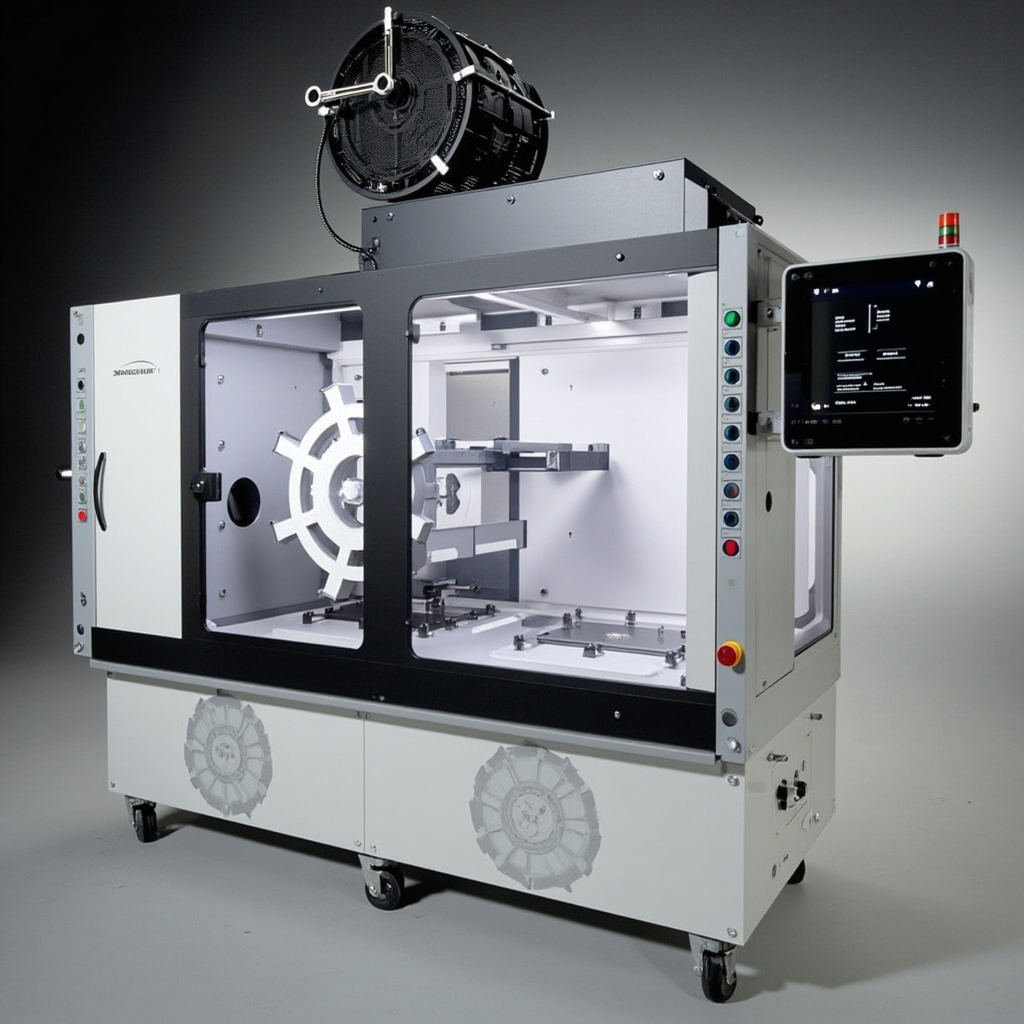
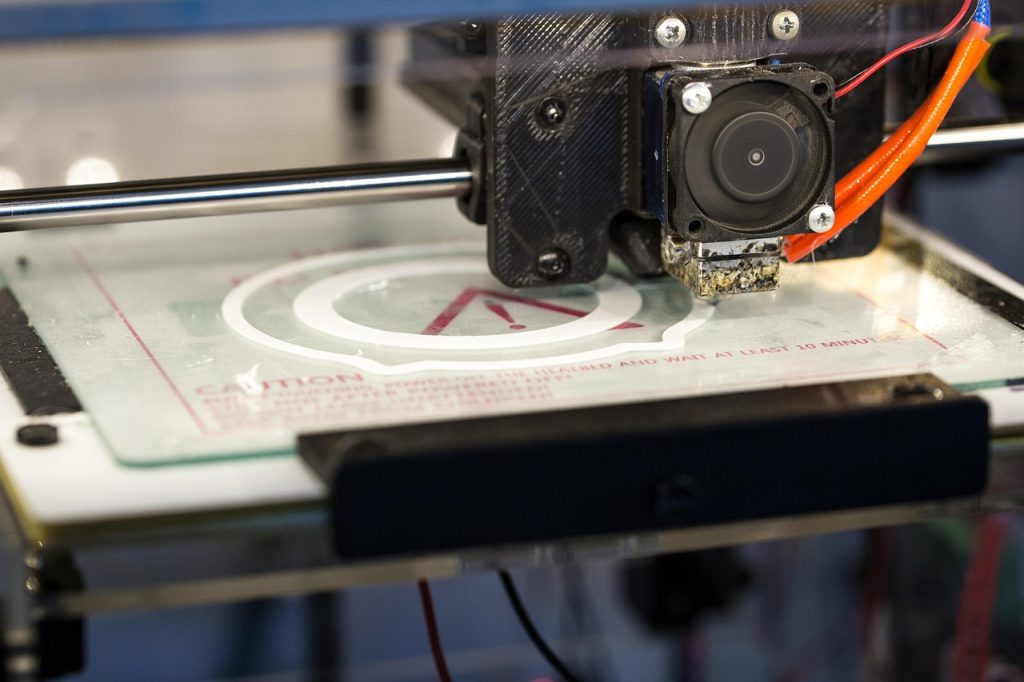
Le frittage sélectif par laser (SLS) est un procédé de fabrication additive à base de poudre qui utilise un laser de forte puissance pour fusionner de petites particules de matière thermoplastique — généralement du nylon — afin d'obtenir des pièces 3D solides. L'un des principaux avantages du SLS réside dans le fait que les pièces peuvent être fabriquées sans structures de support, car la poudre non frittée environnante soutient naturellement les éléments en surplomb. Cela rend le SLS idéal pour les géométries complexes et les pièces fonctionnelles destinées à la production.
Comment fonctionne l'impression 3D SLS ?
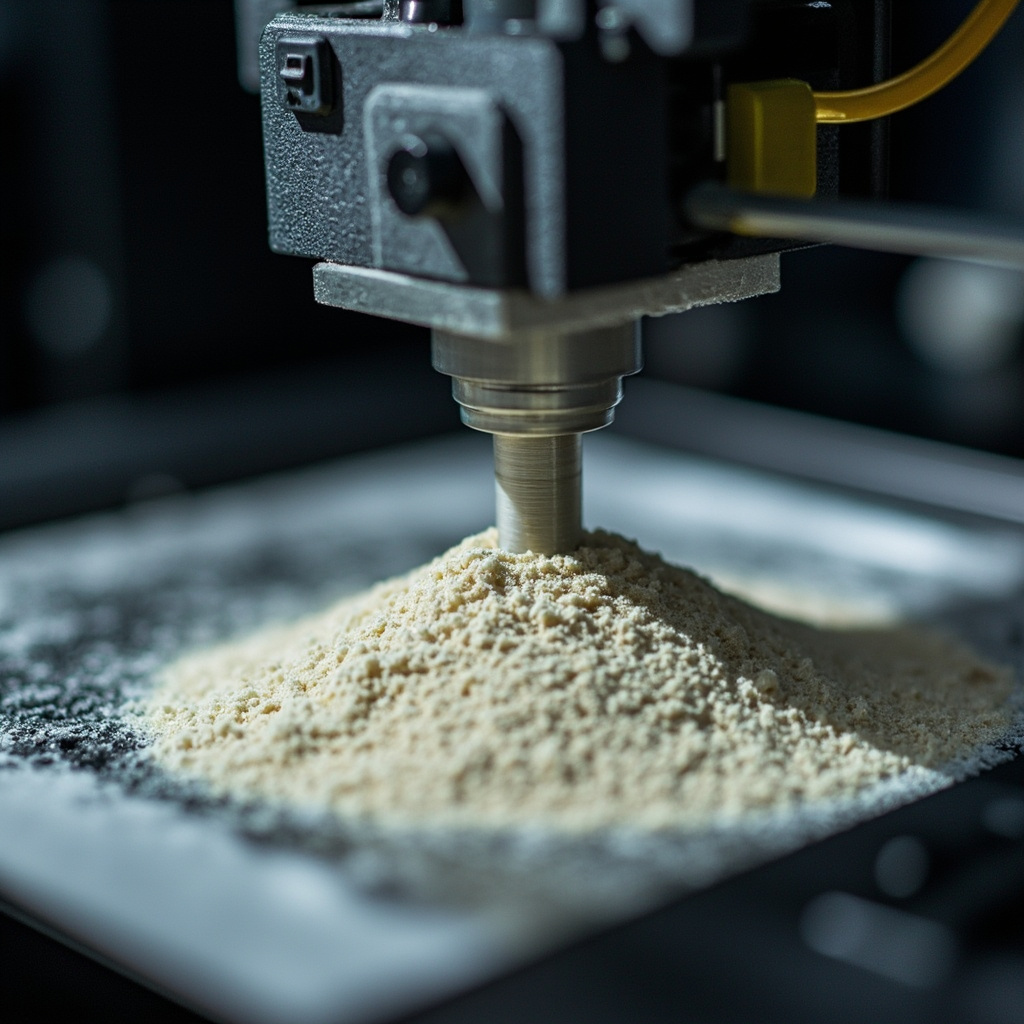
Le procédé SLS commence par l'épandage d'une fine couche de poudre de polymère — le plus souvent du nylon — répartie uniformément sur la plate-forme de fabrication, à l'intérieur d'une chambre chauffée maintenue à une température juste inférieure au point de fusion du matériau. Un laser CO₂ de forte puissance balaye ensuite la section transversale du modèle CAO, frittant les particules de poudre entre elles aux endroits où le laser les touche. Après chaque couche, la plate-forme s'abaisse d'une épaisseur de couche, une nouvelle couche de poudre est étalée par-dessus, et le processus se répète.
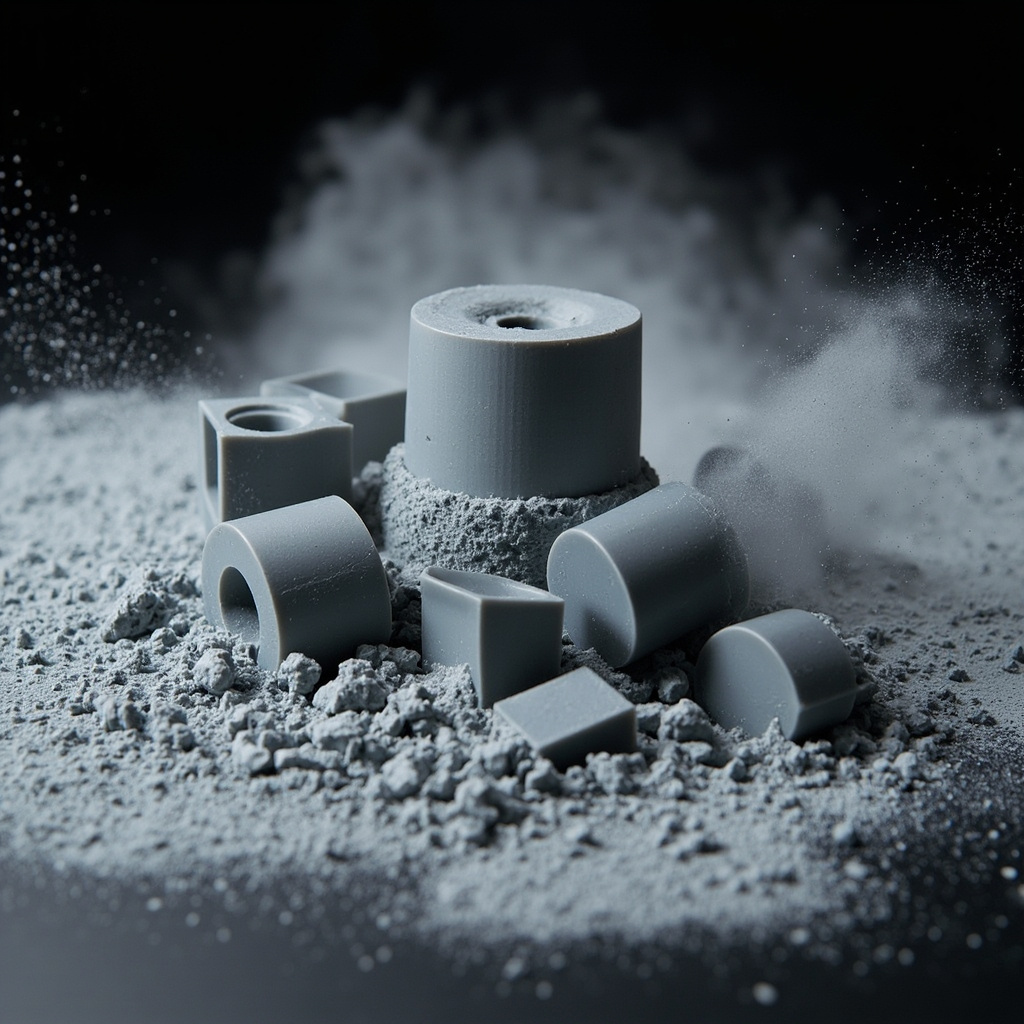
Une fois l'impression terminée, on laisse l'ensemble de la chambre d'impression refroidir lentement afin d'éviter toute déformation. Les pièces sont ensuite extraites de la poudre non frittée, qui peut être recyclée et mélangée à de la poudre neuve pour de futures impressions.
Principaux avantages de la technologie SLS
Aucune structure de soutien n'est nécessaire
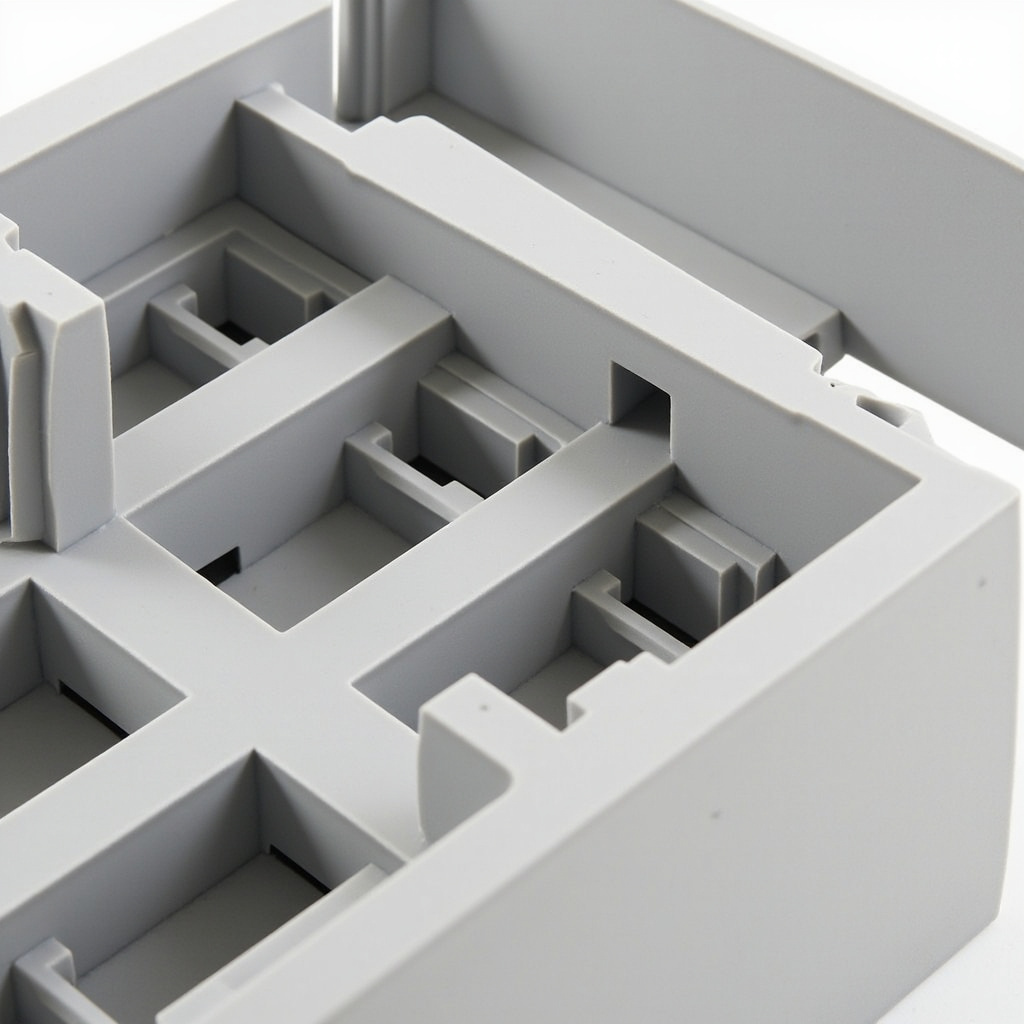
L'avantage sans doute le plus significatif du SLS réside dans le fait que les pièces ne nécessitent pas de structures de support dédiées. Le lit de poudre non fritté permet de réaliser toutes les géométries, y compris les contre-dépouilles, les cavités internes et les structures en treillis complexes. Cela offre une liberté de conception impossible à obtenir avec les procédés FDM, SLA ou l'usinage CNC.
Excellentes propriétés mécaniques
Les pièces en nylon imprimées par SLS présentent d'excellentes propriétés mécaniques — elles sont solides, durables et résistantes aux chocs —, ce qui les rend adaptées à la fabrication de pièces fonctionnelles destinées à une utilisation finale, et non plus uniquement à des prototypes. La structure en nylon fusionné offre des propriétés mécaniques isotropes homogènes dans toutes les directions.
Liberté de conception pour les géométries complexes
En l'absence de contraintes liées aux structures de soutien, le procédé SLS permet la fabrication de pièces extrêmement complexes, notamment des charnières souples, des canaux conformes, des treillis complexes et des géométries surmoulées, qui seraient impossibles à usiner ou à mouler, ou dont le coût de fabrication serait extrêmement élevé.
Production en série à faible coût
Le lit de poudre permettant de supporter plusieurs pièces simultanément, le procédé SLS s'avère très efficace pour la production par lots. Plusieurs pièces peuvent être imbriquées dans le volume d'impression, ce qui réduit considérablement le coût unitaire à mesure que la taille du lot augmente — une solution bien plus économique que le moulage par injection pour les petites et moyennes séries.
Polyvalence des matériaux
Les systèmes SLS modernes prennent en charge une gamme de plus en plus large de matériaux en nylon de qualité technique :
| Matériau | Propriétés principales | Applications |
|---|---|---|
| PA12 (Nylon 12) | Haute résistance mécanique, excellente résistance chimique | Pièces fonctionnelles, aérospatiale, automobile |
| PA11 (nylon 11) | D'origine biologique, ductile, résistant aux chocs | Produits médicaux, produits de grande consommation |
| Nylon renforcé de fibres de verre | Rigidité accrue, stabilité dimensionnelle | Éléments structurels, gabarits et s |
| Élastomères TPU | Souple, élastique, bon rebond | Joints d'étanchéité, joints de serrage, chaussures, pièces au toucher doux |
| Alumide (PA12 + aluminium) | Aspect métallique, grande rigidité | Prototypes fonctionnels, modèles d'exposition |
Applications courantes
La durabilité et la liberté de conception qu'offre l'impression 3D par dépôt de matière (SLS) en font une technologie incontournable dans de nombreux secteurs :
- Pièces fonctionnelles destinées à une utilisation finale : Supports, clips, boîtiers et éléments structurels résistants
- Automobile : Pièces d'intérieur sur mesure, bouches d'aération, prototypes de tableaux de bord et pièces de production en petites séries
- Électronique grand public : Boîtiers résistants, étuis de protection et poignées ergonomiques
- Outillage industriel : Gabarits, outillages et moyens auxiliaires de fabrication adaptés aux conditions d'atelier
- Dispositifs médicaux : Semelles orthopédiques, prothèses et modèles de planification chirurgicale
- Assemblages complexes : Pièces comportant des canaux internes et des charnières souples intégrées qui ne peuvent être fabriquées par aucune autre méthode
Considérations relatives à la conception du SLS
Finition de la surface
Les pièces SLS telles qu'elles sortent de l'imprimante présentent une texture légèrement rugueuse et mate, avec une surface granuleuse (Ra ~8-15 micromètres). Cette texture peut être atténuée par un polissage par projection d'abrasifs, un sablage ou un lissage chimique (polissage à la vapeur). Les pièces teintes en noir ou dans d'autres couleurs peuvent présenter un aspect plus fini.
Épaisseur des parois et tolérances
L'épaisseur minimale recommandée des parois est de 0,8 mm pour les petites pièces et peut aller jusqu'à 1,5 mm pour les composants de grande taille. La tolérance dimensionnelle type est de ±0,31 TP3T, avec un minimum de ±0,3 mm. Les concepteurs doivent tenir compte d'un retrait isotrope d'environ 2 à 31 TP3T lors du refroidissement.
Humidité et conservation
La poudre de nylon est hygroscopique et absorbe l'humidité présente dans l'air. La poudre, qu'elle soit neuve ou recyclée, doit être séchée avant utilisation. Les pièces doivent être stockées dans un environnement sec afin d'éviter toute absorption d'humidité, susceptible d'altérer leurs propriétés mécaniques.
FAQ
Dans quels cas les services d'impression 3D par frittage sélectif au laser (SLS) constituent-ils une bonne option ?
Les services d'impression 3D par frittage sélectif au laser (SLS) constituent une bonne option lorsque la rapidité d'itération, la complexité géométrique, le faible coût d'outillage ou la production en petites séries priment sur le coût unitaire des pièces moulées.
Quels sont les éléments à vérifier avant de choisir des services d'impression 3D par frittage sélectif au laser (SLS) ?
Vérifier la taille de la pièce, les propriétés du matériau, l'état de surface, la tolérance dimensionnelle, l'exposition à la chaleur, la direction de la charge et la nécessité d'un post-traitement.
En quoi les services d'impression 3D par frittage sélectif au laser (SLS) se distinguent-ils de l'usinage CNC ?
L'impression 3D permet de créer rapidement des formes complexes, tandis que l'usinage CNC est souvent plus performant pour les surfaces précises, les tolérances plus étroites et les matériaux de qualité.
Quels sont les facteurs qui influencent le coût des services d'impression 3D par frittage sélectif au laser (SLS) ?
Le coût dépend du matériau, du volume de construction, du temps d'impression, de la hauteur des couches, de l'enlèvement du support, de la finition, de l'inspection et du nombre de pièces dans la construction.