Nylon’s Role in Healthcare
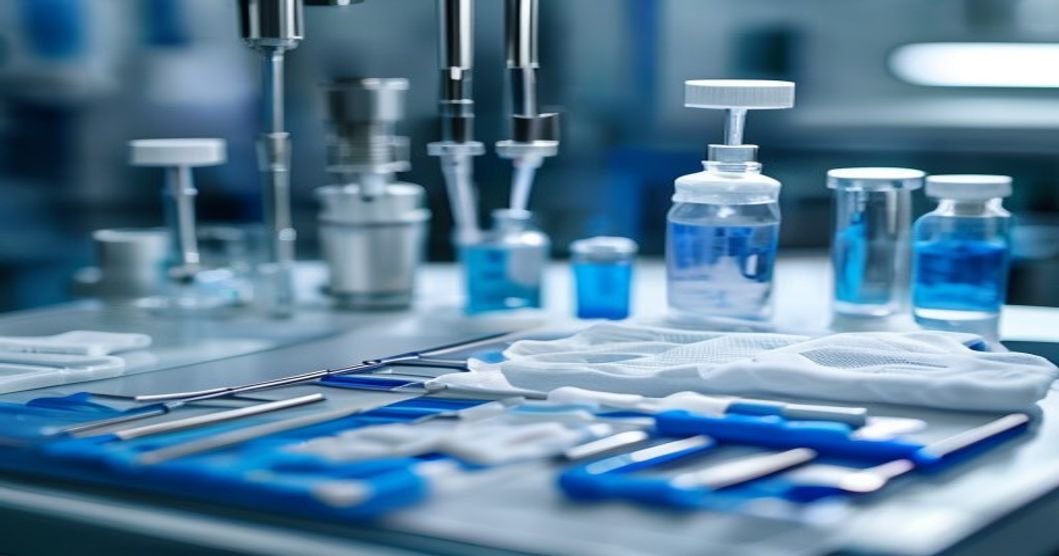
Nylon has been used in medical devices for over 60 years—since the first nylon sutures were introduced in the 1940s. Today, it’s found in everything from single-use surgical instruments to implantable orthopedic components, drug delivery devices, diagnostic equipment housings, and sterilization trays. The material’s combination of strength, chemical resistance, and the ability to withstand multiple sterilization cycles makes it uniquely suited to the demanding healthcare environment.
But medical-grade nylon is not simply standard nylon with a “medical” label. It requires careful control of the polymer chemistry, additive package, and manufacturing process to meet the stringent requirements of ISO 10993 biocompatibility standards and regional regulatory frameworks including FDA 21 CFR and EU MDR 2017/745.
Biocompatibility Requirements
Biocompatibility testing follows ISO 10993, a multi-part standard that tailors testing requirements based on the nature and duration of patient contact:
| Contact Type | 期間 | Required Tests (ISO 10993) | Example Applications |
|---|---|---|---|
| Surface device – intact skin | Limited (<24h) | Cytotoxicity, Sensitization, Irritation | Surgical instrument handles, stethoscope components |
| External communicating – blood path indirect | Prolonged (>30d) | Above + Hemocompatibility, Genotoxicity, Subchronic toxicity | IV connectors, catheter hubs, stopcocks |
| Implant – tissue/bone | Permanent (>30d) | Above + Implantation, Chronic toxicity, Carcinogenicity | Suture anchors, bone cement restrictors |
Material Purity Is Everything
Standard nylon grades can contain processing aids, mold release agents, heat stabilizers, and residual monomers that, while harmless in industrial applications, may be unacceptable for medical use. Medical-grade nylon compounds must:
- Use only biocompatibility-tested additives from approved supplier lists
- Control residual caprolactam monomer to <0.5% (PA6) or eliminate hexamethylene diamine (PA66)
- Be manufactured in dedicated, clean production lines with full traceability
- Provide a Drug Master File (DMF) or Medical Device Master File (MAF) with the FDA for regulatory support
- Maintain lot-to-lot consistency with complete Certificate of Analysis documentation
Sterilization Compatibility
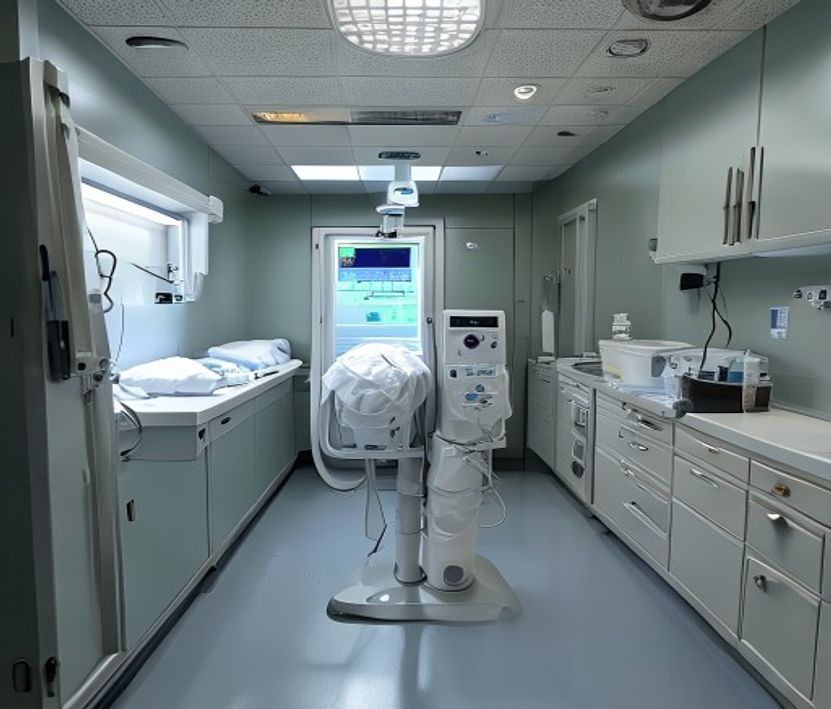
Medical nylon parts must survive repeated sterilization without degrading. Different nylon grades respond differently to the three main sterilization methods:
| Sterilization Method | Nylon Compatibility | Max Cycles | 備考 |
|---|---|---|---|
| Steam autoclave (121°C) | Fair-Good | 50–100 | Hydrolysis risk; PA66 better than PA6; use heat-stabilized grades |
| Ethylene Oxide (EtO) | 素晴らしい | Unlimited | Requires 24–48h aeration; no material degradation |
| Gamma radiation (25–50 kGy) | Poor-Fair | 1–10 | Causes chain scission and embrittlement; radiation-stabilized grades available |
| Hydrogen peroxide plasma | グッド | 100+ | Low temperature; minimal material impact |
For steam autoclave applications, specify heat-stabilized PA66 grades with hydrolysis-resistant additives. PA12 offers the best moisture resistance and dimensional stability through repeated autoclave cycles. For gamma-sterilized single-use devices, radiation-stabilized grades incorporating aromatic stabilizers can withstand the required dose with minimal property loss.
Regulatory Pathway Considerations
When developing medical devices with nylon components, early engagement with the regulatory pathway saves time and cost:
- FDA (USA): Most nylon-based medical devices follow the 510(k) premarket notification pathway. The material must be chemically characterized (ISO 10993-18) and toxicologically assessed (ISO 10993-17).
- EU MDR: Requires a comprehensive Biological Evaluation Plan (BEP) and Biological Evaluation Report (BER). Nylon must be assessed for CMR (carcinogenic, mutagenic, reprotoxic) substances and endocrine-disrupting chemicals.
- NMPA (China): Requires GB/T 16886 testing (equivalent to ISO 10993) plus registration testing at an NMPA-accredited laboratory in China.
- Combination products: If the nylon component contacts a drug or biologic (e.g., drug-eluting catheter), additional extractables and leachables (E&L) testing per ISO 10993-18 is mandatory.
エンジニアリングプラスチックのニーズにナイロンプラスチックを選ぶ理由
- ✅ 300台以上の射出成形機 50Tから2000Tまで
- ✅ 1日当たり10,000個以上の部品 生産能力
- ✅ 精度±0.02mm 全素材の公差
- ✅ MOQ ちょうど 1 部分 プロトタイピング用、数百万人に拡張可能
- ✅ 24時間見積もり, 3~15日のリードタイム
- ISO 9001 認証の品質管理システム
関連記事
- 医療機器の射出成形 - FDAコンプライアンスと品質要件
- Nylon Material Certifications: FDA, EU, NSF, and ISO Standards Overview
- Engineering Plastics Selection Guide: Nylon, POM, PC, and PE
よくあるご質問
How do you know whether Nylon in Medical Applications: Biocompatibility, Sterilization and Regulatory Guide fits a part?
Nylon in Medical Applications: Biocompatibility, Sterilization and Regulatory Guide fits a part when its load capacity, temperature range, moisture exposure, wear behavior, and processing method match the real service conditions.
What properties should be checked for Nylon in Medical Applications: Biocompatibility, Sterilization and Regulatory Guide?
Check strength, stiffness, impact resistance, heat resistance, moisture absorption, dimensional stability, friction, wear, and chemical compatibility.
What is the biggest selection risk for Nylon in Medical Applications: Biocompatibility, Sterilization and Regulatory Guide?
The biggest risk is choosing from a datasheet value without considering actual environment, processing method, part geometry, and long-term use.
When should Nylon in Medical Applications: Biocompatibility, Sterilization and Regulatory Guide be tested before production?
Testing is recommended when the part faces load, heat, chemicals, moisture, tight tolerances, regulatory requirements, or a new operating environment.