
Why Finish Nylon Surfaces?
Nylon parts often emerge from the mold or CNC machine with perfectly functional geometry—but the surface may not meet the final application’s aesthetic, functional, or branding requirements. Surface finishing transforms raw nylon from a matte, slightly greasy-feeling engineering material into a component that looks premium, resists environmental attack, or communicates critical information through marking and labeling.
The challenge with nylon is its low surface energy—typically 36–42 mN/m, compared to 46+ mN/m for metals and other plastics. This means paints, inks, and adhesives don’t wet the surface naturally. Every finishing process for nylon must begin with surface preparation to raise the surface energy and create anchor points for the subsequent coating or treatment.
Surface Preparation: The Non-Negotiable First Step
All nylon finishing processes require one of these preparation methods:
| Method | Surface Energy After | Durability | 최상의 대상 |
|---|---|---|---|
| Flame treatment | 50–60 mN/m | Hours–days | High-volume in-line painting; simple geometries |
| Plasma treatment | 55–72 mN/m | Hours–days | Complex 3D parts; selective treatment possible |
| Chemical etching | Permanent | Permanent | Plating (creates micro-roughness for mechanical anchoring) |
| Primer application | N/A (chemical bond) | Permanent | Painting; specialized nylon primers available |
| Mechanical abrasion | 42–48 mN/m | Permanent | Low-cost option; adequate for non-critical bonds |
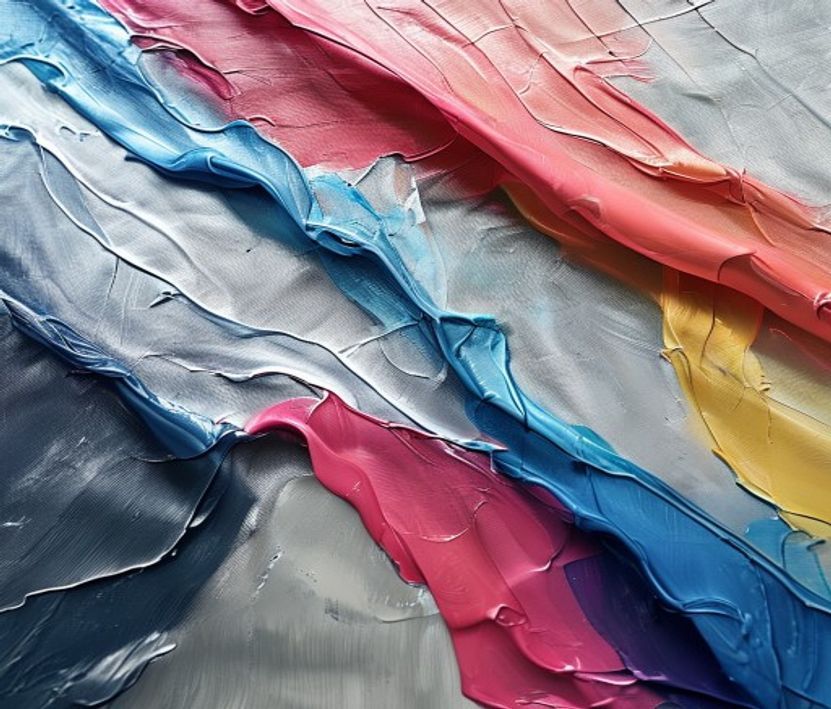
Painting Nylon
Painting nylon requires a three-layer system for reliable adhesion and durability:
- Primer: A nylon-specific adhesion promoter (typically chlorinated polyolefin or acrylic-modified) applied at 5–10 μm dry film thickness. This is the critical layer—standard primers will not bond to nylon.
- Base coat: The color layer, applied at 15–25 μm. Polyurethane and acrylic lacquers are most common.
- Clear coat (optional): 20–40 μm of UV-resistant clear for exterior automotive and consumer applications.
For best results, paint within 2 hours of surface activation treatment. If parts must be stored, protect from dust and humidity, and re-treat before painting if stored more than 8 hours.
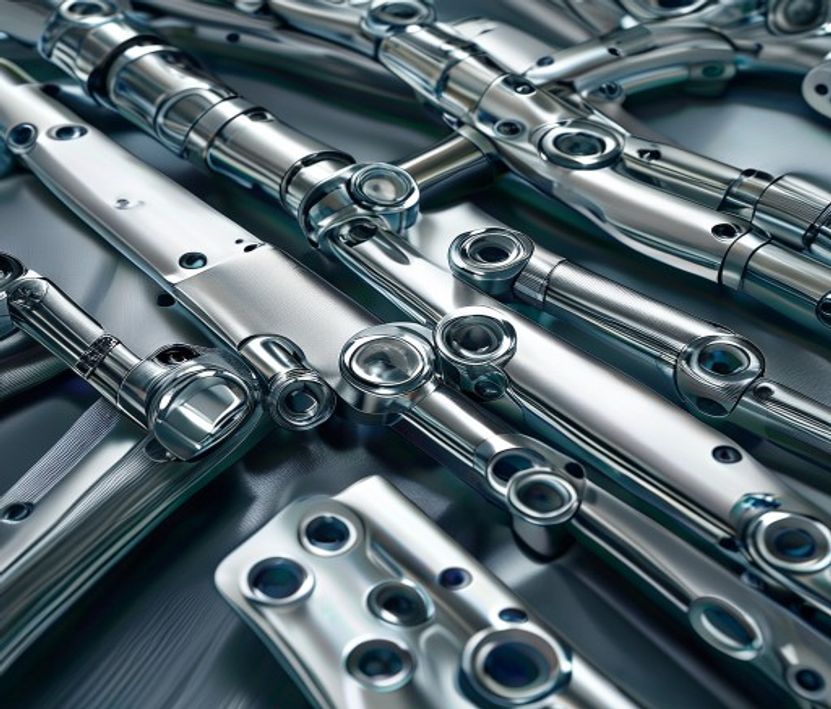
Electroplating Nylon
Nylon can be electroplated with copper, nickel, and chromium to create a true metallic surface with the weight and cost advantages of a plastic substrate. The process is more demanding than plating ABS—the standard platable plastic—but well-established for nylon 6 and nylon 66.
The plating process:
- Etch: Chromic acid/sulfuric acid mixture creates micropores on the nylon surface
- Neutralize & catalyze: Palladium-tin colloidal solution deposits catalytic sites
- Electroless nickel or copper: Deposition of a conductive layer (0.5–1.0 μm)
- Electrolytic plating: Build-up of copper (15–25 μm), nickel (8–15 μm), and chromium (0.25–0.5 μm)
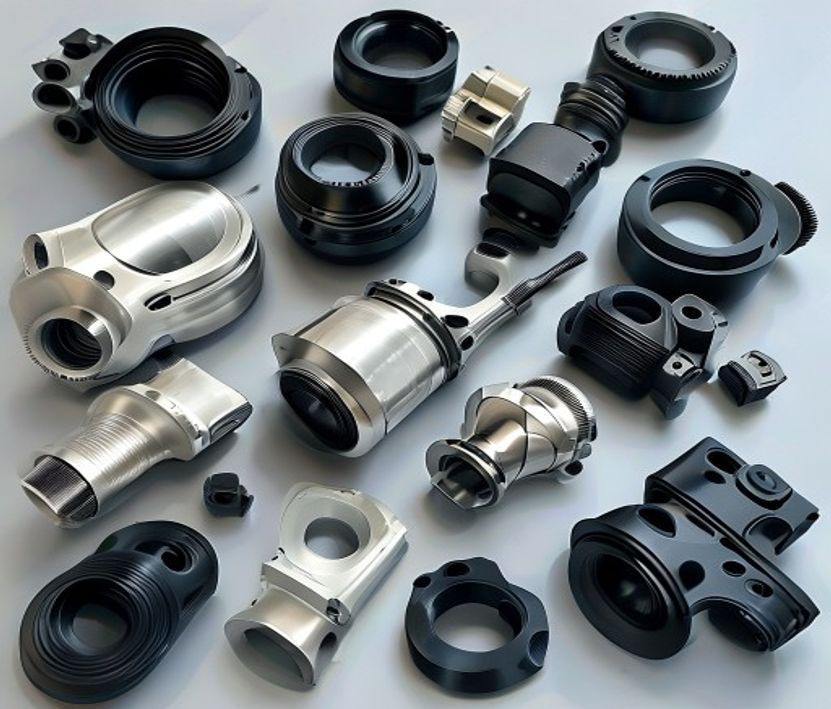
Laser Marking Nylon
Laser marking has become the preferred method for adding permanent text, barcodes, logos, and UDI (Unique Device Identification) codes to nylon parts. The process creates a high-contrast mark without inks, labels, or physical contact.
Key process parameters:
- Fiber lasers (1064 nm): 표면의 탄화를 통해 밝은 색상의 나일론에 어두운 자국을 만드는 데 가장 적합합니다.
- CO₂ 레이저(10.6μm): 제어된 표면 용융을 통해 더 가벼운 자국 생성; 나일론의 경우 덜 일반적입니다.
- UV 레이저(355nm): “열 손상을 최소화하는 ”콜드 마킹'으로 표면 무결성이 중요한 의료 기기 마킹에 탁월합니다.
- 레이저에 민감한 첨가제: 0.5-2%의 금속 산화물 또는 운모 기반 첨가제는 대비와 마킹 속도를 획기적으로 개선할 수 있습니다.
기타 마감 옵션
- 패드 인쇄: 실리콘 패드는 에칭된 플레이트에서 나일론 표면으로 잉크를 전송합니다. 곡면의 작은 로고와 텍스트에 적합합니다. 화염 또는 플라즈마 전처리가 필요합니다.
- 핫 스탬핑: 가열된 다이가 압력을 가해 호일을 표면으로 전사합니다. 솔벤트 없이 고급스러운 메탈릭 또는 컬러 마감을 구현합니다. 로고 및 장식용 밴드에 적합합니다.
- 수로 인쇄(물 전사): 패턴 필름이 물 위에 떠서 담그면 부품에 전사됩니다. 나뭇결, 탄소 섬유, 위장 및 맞춤형 패턴을 적용할 수 있습니다. 전체 표면 프라이머와 클리어 코팅이 필요합니다.
- 진동 마감: 가공된 나일론 부품의 경우 진동 보울의 세라믹 또는 플라스틱 미디어가 공구 자국을 제거하고 균일한 무광택 마감을 만듭니다.
엔지니어링 플라스틱에 나일론 플라스틱을 선택해야 하는 이유는?
- ✅ 300대 이상의 사출 성형기 50T에서 2000T까지
- ✅ 하루 10,000개 이상의 부품 생산 능력
- ✅ ±0.02mm 정밀도 모든 재료에 대한 허용 오차
- ✅ MOQ 단 1개 프로토타이핑용, 수백만 개로 확장 가능
- ✅ 24시간 견적, 리드 타임 3~15일
- ✅ ISO 9001 인증 품질 관리 시스템
관련 기사
- 나일론 오버몰딩: 다중 재료 사출 성형에 대한 완벽한 가이드
- 나일론 사출 성형 가이드: 처리 매개변수, 모범 사례
- 엔지니어링 플라스틱 선택 가이드: 나일론, POM, PC 및 PE
자주 묻는 질문
나일론 표면 마감 가이드 도장, 도금, 레이저 마킹 등이 좋은 옵션일까요?
나일론 표면 마감 가이드: 빠른 반복, 복잡한 형상, 낮은 툴링 비용 또는 소량 생산이 성형 부품 단가보다 더 중요한 경우 도장, 도금, 레이저 마킹 등이 좋은 옵션입니다.
나일론 표면 마감 가이드를 선택하기 전에 확인해야 할 사항: 페인팅, 도금, 레이저 마킹 등?
부품 크기, 재료 특성, 표면 마감, 치수 공차, 열 노출, 하중 방향, 후처리가 필요한지 여부를 확인합니다.
나일론 표면 마감 가이드: 도장, 도금, 레이저 마킹 등을 CNC 가공과 어떻게 비교합니까?
3D 프린팅은 복잡한 형상을 빠르게 제작할 수 있는 반면, CNC 가공은 정밀한 표면, 엄격한 공차 및 생산 등급 재료에 더 적합한 경우가 많습니다.
나일론 표면 마감 가이드의 비용에 영향을 미치는 요소: 페인팅, 도금, 레이저 마킹 등?
비용은 재료, 빌드 볼륨, 프린트 시간, 레이어 높이, 서포트 제거, 마감, 검사 및 빌드 내 부품 수에 따라 달라집니다.

 English
  Dutch
Dutch  German
  French
  Korean
  Russian
  Japanese
  Spanish
  Vietnamese
  Chinese
  Portuguese
  Arabic