
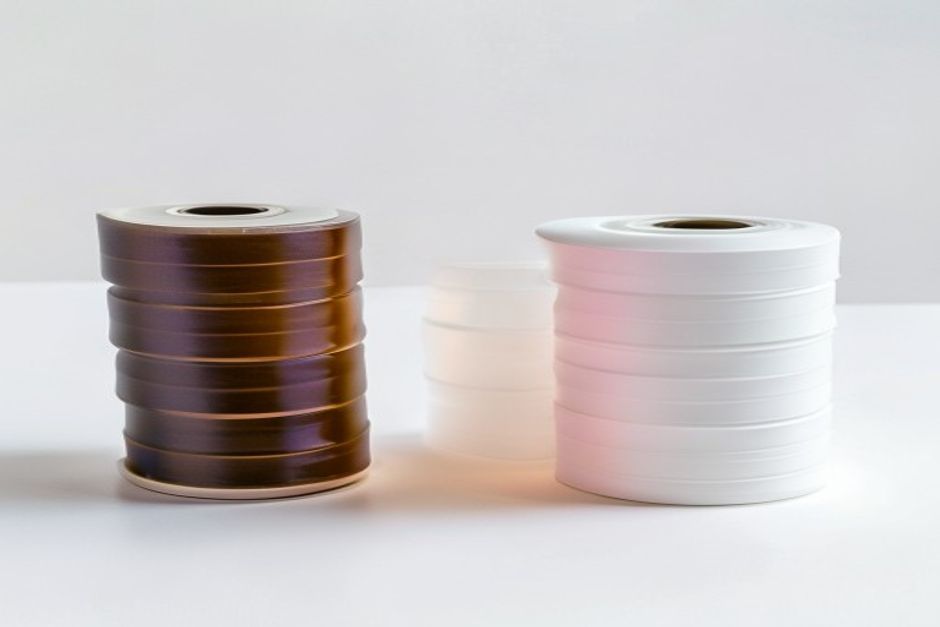
When selecting filament for FDM 3D printing, the choice between PETG and PLA represents one of the most common decisions engineers and makers face. Together, these materials account for over 80% of all desktop 3D printing worldwide. Understanding their differences is essential for achieving optimal results.
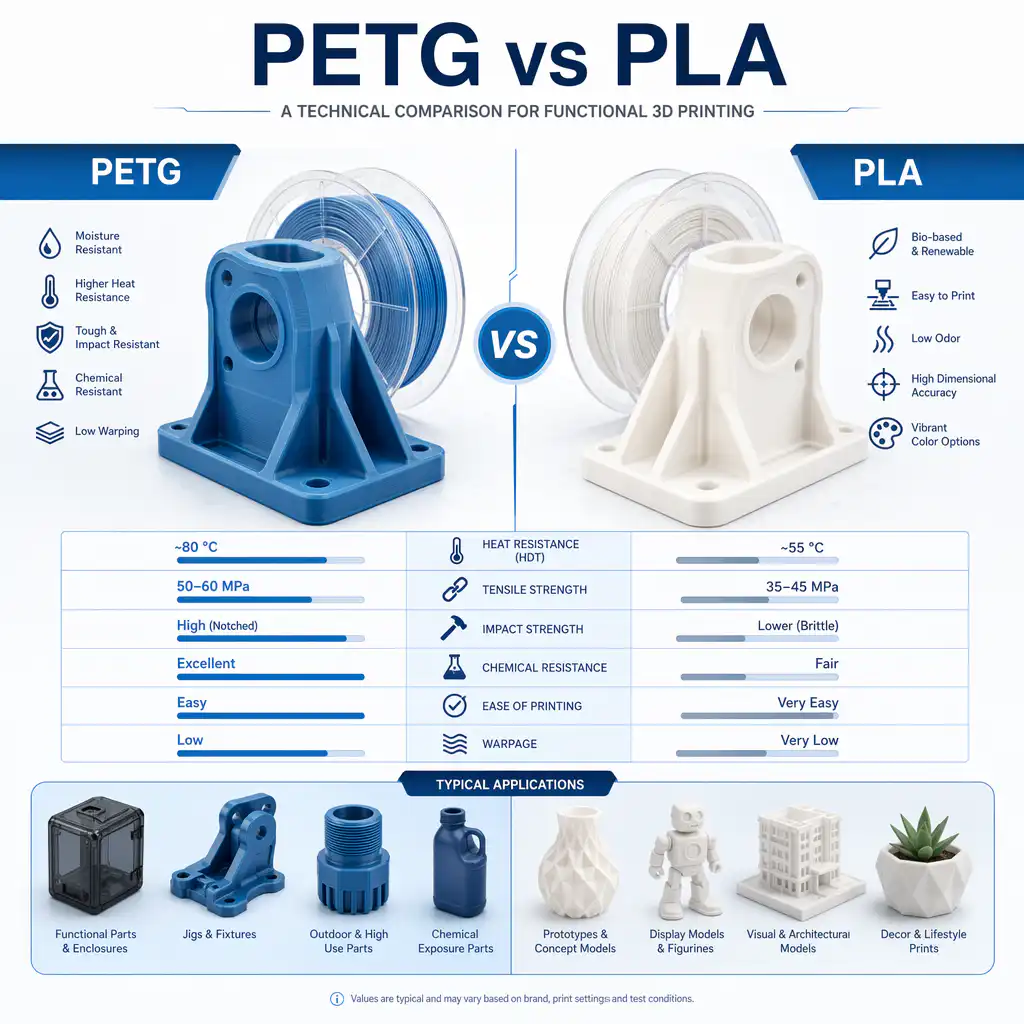
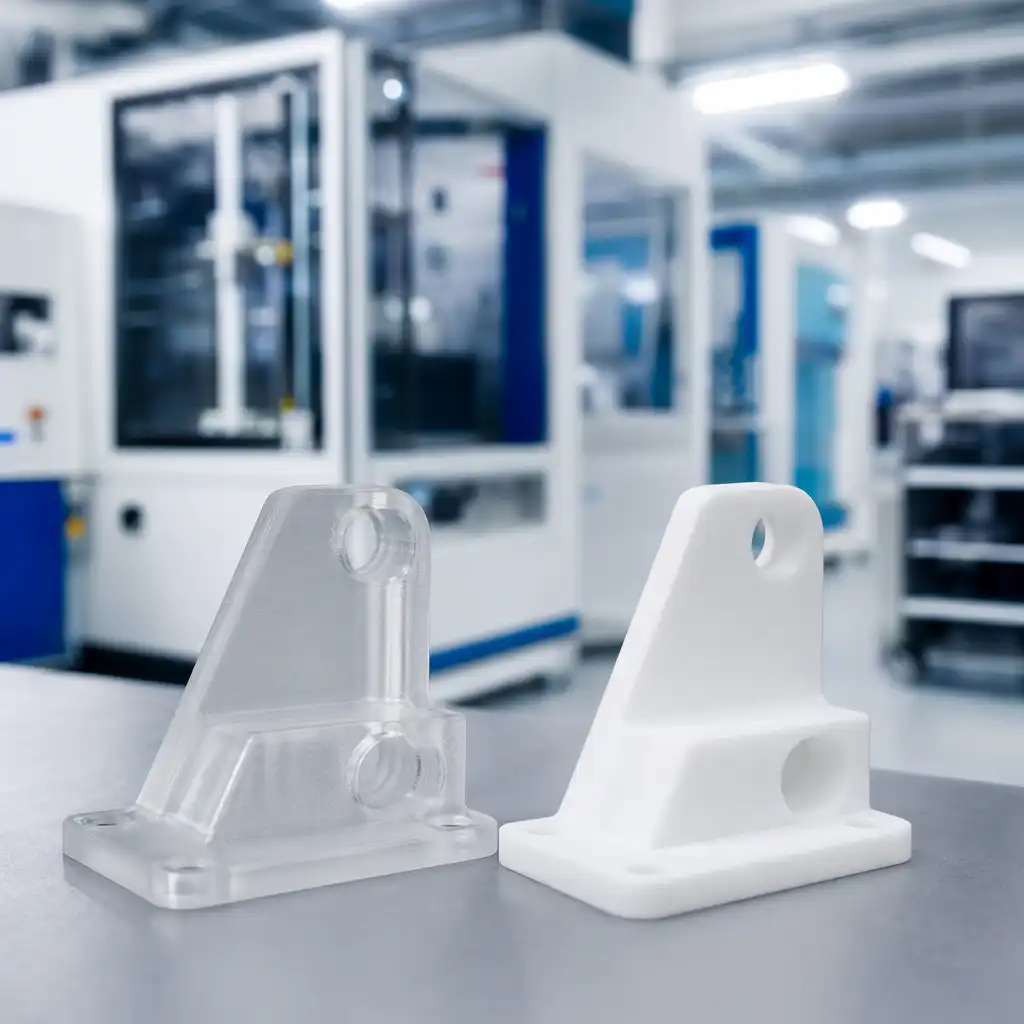
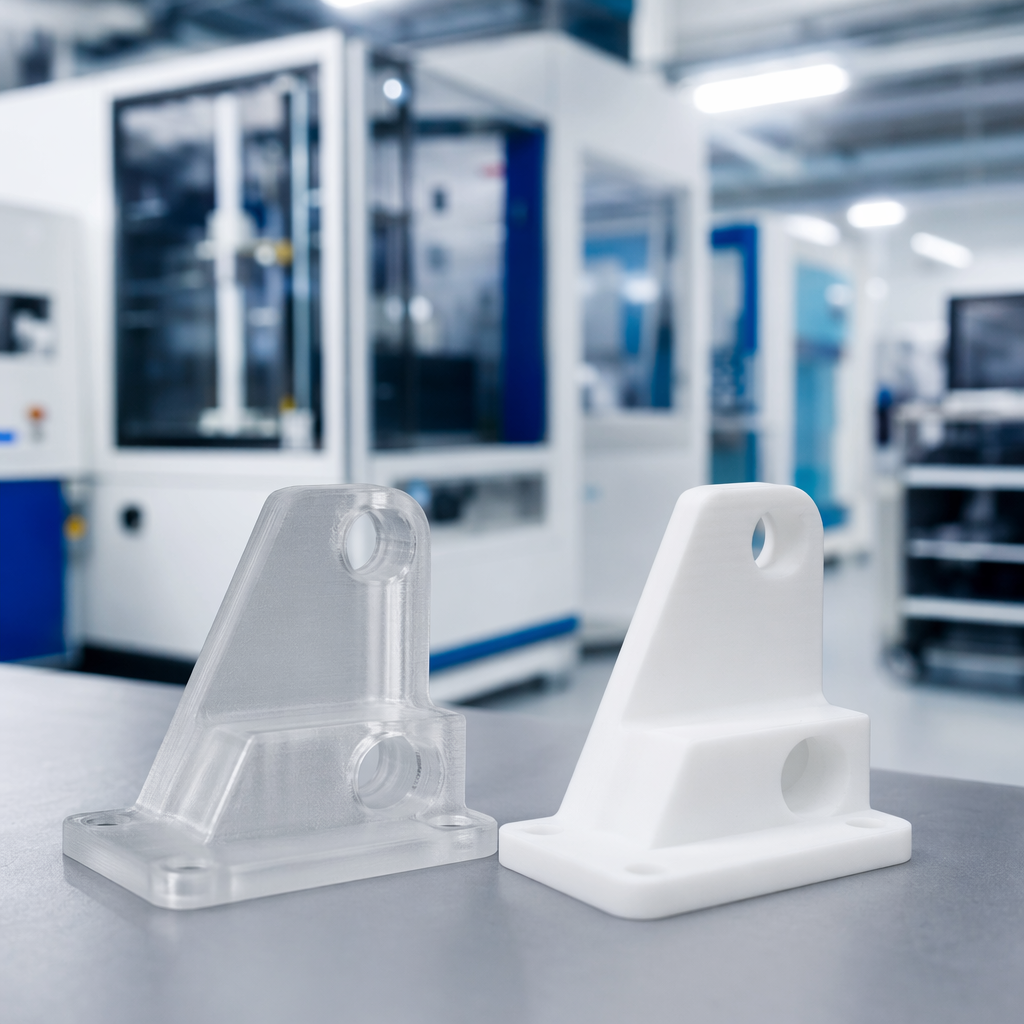
Material Properties Comparison
PETG offers impact strength of 30-40 kJ/m² with heat deflection at 70-75°C, while PLA provides 12-25 kJ/m² impact strength with heat deflection at 55-60°C. PETG has good flexibility (5-10% elongation) compared to PLA’s low flexibility (2-5% elongation). For engineering applications requiring higher strength, consider our Filamento PA6-CF.
When to Choose PETG
PETG is the better choice for functional parts requiring impact resistance and durability, outdoor applications where UV resistance matters, fluid handling components, and mechanical components needing flexibility.
When to Choose PLA
PLA is ideal for visual prototypes and concept models, indoor decorative items, high-speed printing for rapid iteration, and beginner printing due to ease of use.
Source Quality Filaments
As a specialized source manufacturer, we supply both PETG and PLA in 1.75mm and 2.85mm diameters with tight tolerance (±0.03mm). Contactar-nos for technical support and bulk pricing.
PETG vs PLA — Frequently Asked Questions
Which filament is stronger: PETG or PLA?
PETG is significantly stronger than PLA. PETG offers impact strength of 30-40 kJ/m2 (3-4x higher than PLA) and heat deflection at 70-75C vs PLA at 55-60C. For functional parts requiring durability, PETG is the clear choice.
What are the best print settings for PETG?
Nozzle temperature: 230-250C. Bed temperature: 70-80C. Print speed: 40-60 mm/s. Cooling fan: 20-50%. Retraction: 3-5mm at 25-35mm/s. Dry filament at 65C for 4-6 hours before printing for best results.
Where can I buy quality PETG and PLA filament?
Nylonplastic is a specialized manufacturer established in 2005, ISO certified. We supply PETG and PLA filaments with tight diameter tolerance in 1.75mm and 2.85mm. Our materials are vacuum-sealed with desiccant. Contact us for free samples.
Get a Free Quote
Fill out the form below and our engineers will respond within 24 hours.
FAQ
When is PETG vs PLA — A Technical Comparison for Functional 3D Printing a good option?
PETG vs PLA — A Technical Comparison for Functional 3D Printing is a good option when fast iteration, complex geometry, low tooling cost, or low-volume production is more important than molded-part unit cost.
What should be checked before choosing PETG vs PLA — A Technical Comparison for Functional 3D Printing?
Verificar o tamanho da peça, as propriedades do material, o acabamento da superfície, a tolerância dimensional, a exposição ao calor, a direção da carga e se é necessário pós-processamento.
How does PETG vs PLA — A Technical Comparison for Functional 3D Printing compare with CNC machining?
A impressão 3D pode criar formas complexas rapidamente, enquanto a maquinagem CNC é frequentemente mais forte para superfícies precisas, tolerâncias mais apertadas e materiais de qualidade de produção.
What affects the cost of PETG vs PLA — A Technical Comparison for Functional 3D Printing?
O custo depende do material, do volume de construção, do tempo de impressão, da altura da camada, da remoção do suporte, do acabamento, da inspeção e do número de peças na construção.
 English
 Dutch
Dutch German
 French
 Korean
 Russian
 Japanese
 Spanish
 Vietnamese
 Chinese
 Portuguese
 Arabic