Transitioning from prototype to production is one of the most critical phases in product development. The decisions made during this transition can determine whether your product succeeds in the market or struggles with quality issues and cost overruns.
The Manufacturing Journey
Understanding the typical path from concept to mass production helps you plan effectively:
Stage 1: Concept Prototyping
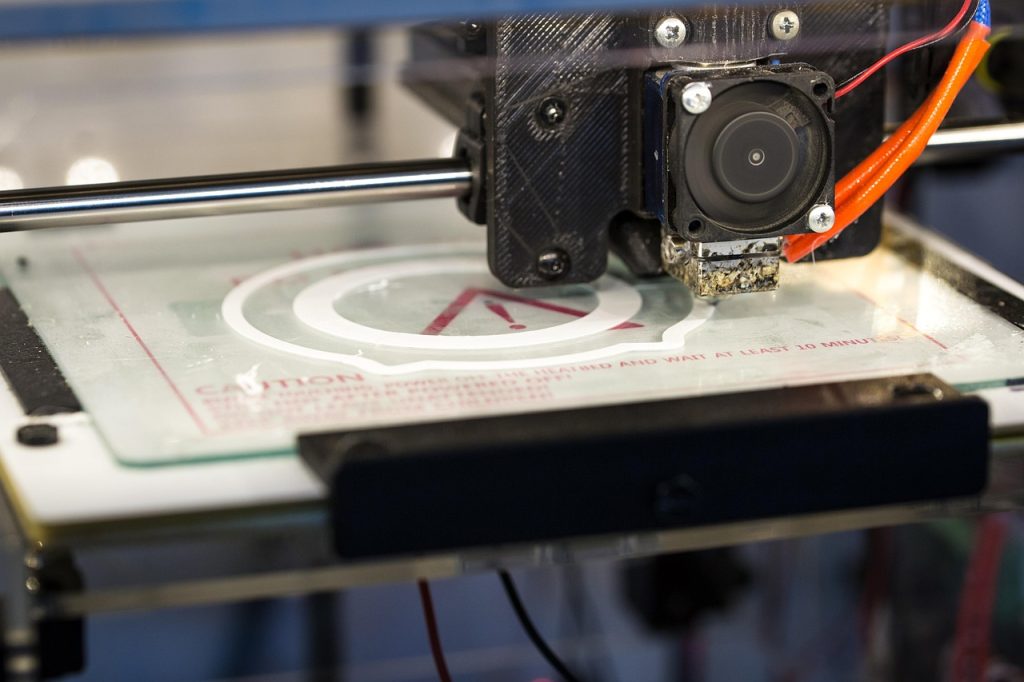
Initial prototypes validate form, fit, and basic function. 3D printing is ideal at this stage—fast iterations with minimal investment. Focus on learning, not perfection.
Stage 2: Functional Prototyping
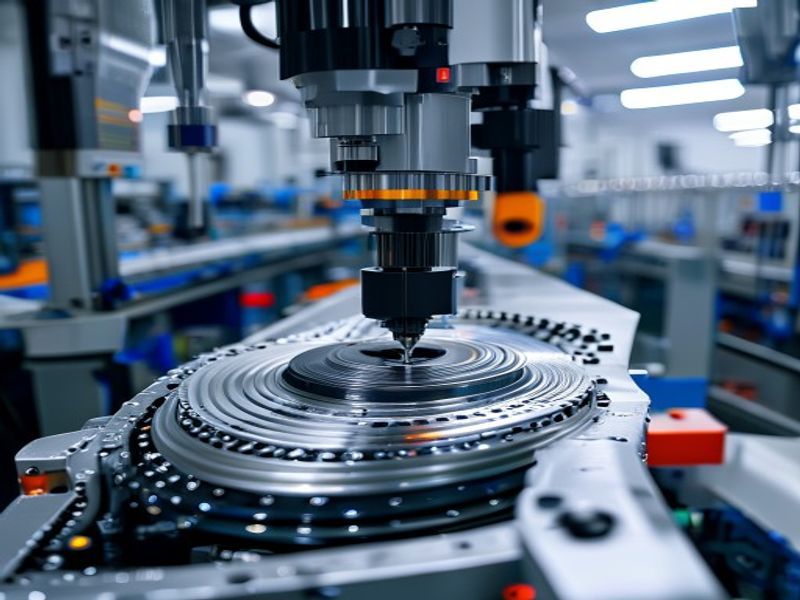
As design matures, prototypes must match production materials and processes more closely. CNC machining or higher-end 3D printing with engineering materials becomes appropriate.
Stage 3: Pre-Production
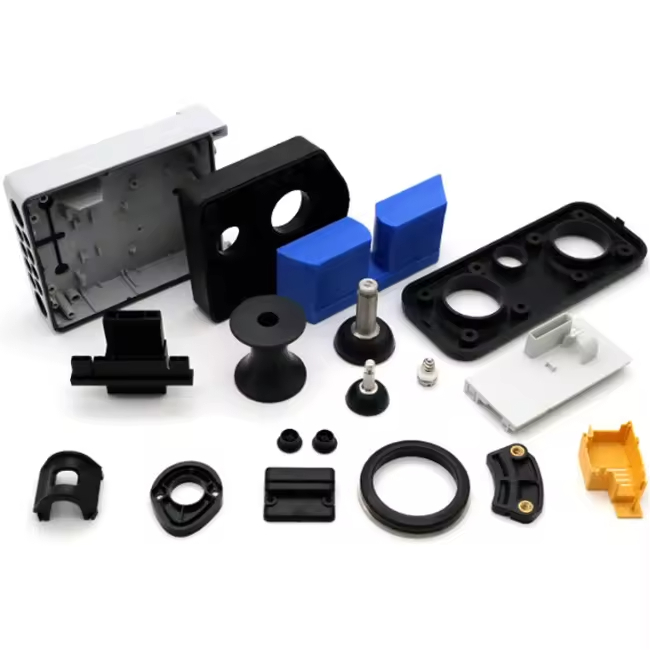
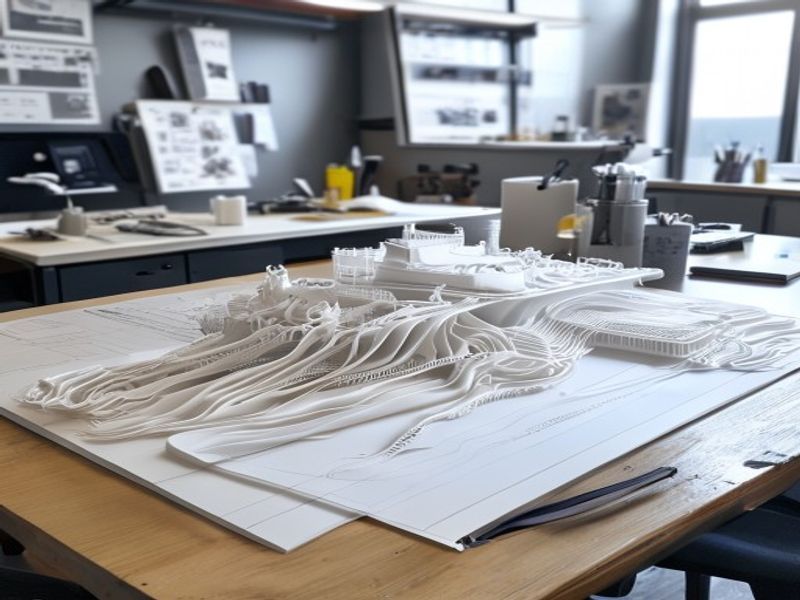
Bridge production validates the manufacturing process at scale. This is where you identify issues that only appear in volume. Consider bridge tooling or soft tooling for moderate volumes.
Stage 4: Mass Production
Full production with final tooling, documented processes, and quality systems. By this point, risks should be minimized through thorough validation in earlier stages.
Choosing the Right Manufacturing Process
The optimal manufacturing method changes as volume increases:
| Volume Range | Recommended Process | Key Considerations |
|---|---|---|
| 1-100 | 3D Printing, CNC | Speed, flexibility, no tooling |
| 100-1,000 | CNC, Vacuum Casting | Cost per part improving |
| 1,000-10,000 | Soft Tooling, Low-Volume Injection | Bridge to production |
| 10,000+ | Production Injection Molding | Optimized unit cost |
Design for Manufacturing (DFM)
Designs that work for prototyping may not be optimal for production. Key considerations:
Выбор материала
Prototype materials may differ from production materials. Consider:
- Material availability in production processes
- Cost differences between prototype and production materials
- Property differences that might affect function
- Regulatory requirements for final materials
Tolerances and Fits
Prototype tolerances achieved through careful machining may not be economically achievable in production. Review tolerances for:
- Are tight tolerances actually necessary?
- Can assembly methods accommodate more variation?
- What’s the cost impact of specified tolerances?
Part Consolidation vs. Assembly
3D printing enables complex, consolidated parts. Production processes may favor assemblies of simpler parts. Evaluate:
- Assembly cost vs. part consolidation
- Serviceability requirements
- Quality implications of assembly vs. single parts
Quality System Development
Scaling requires documented processes and quality systems:
Документация процесса
- Standard operating procedures for each operation
- Work instructions for operators
- Process parameters and acceptable ranges
Quality Control Points
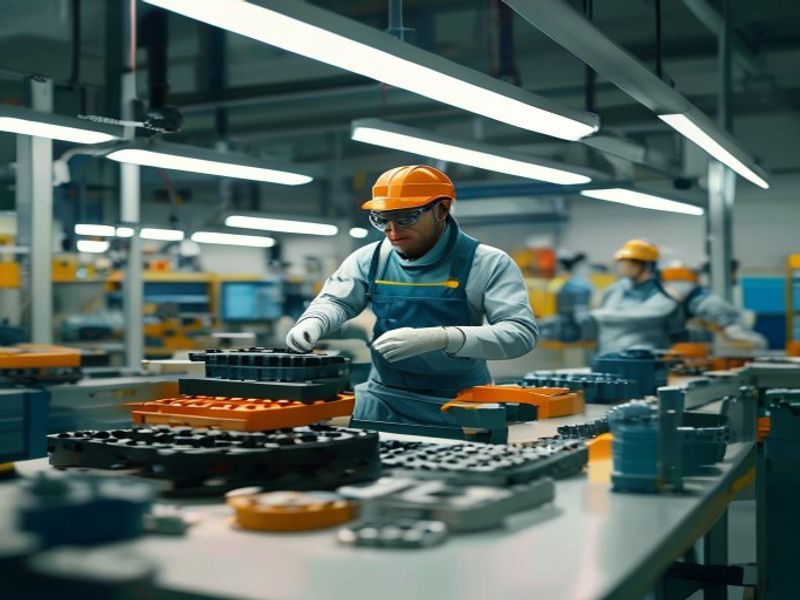
Identify where to inspect:
- In-process checks at critical operations
- Statistical process control for ongoing monitoring
Traceability
For many products, traceability is essential:
- Material lot tracking
- Process parameter recording
- Operator identification
- Batch/serial number assignment
Cost Management at Scale
Understanding cost drivers helps optimize for production:
Fixed vs. Variable Costs
- Инструментарий: High fixed cost, low variable cost
- 3D Printing: Low fixed cost, high variable cost
- CNC: Medium fixed cost, medium variable cost
Economies of Scale
As volume increases, per-unit costs decrease through:
- Tooling amortization over more parts
- Setup time spread across larger batches
- Volume material discounts
- Process optimization and learning curve effects
Risk Mitigation Strategies
Scaling introduces risks. Mitigate through:
- Parallel development: Pursue multiple manufacturing approaches
- Incremental scaling: Increase volume gradually while validating quality
- Supplier qualification: Test multiple suppliers for critical components
- Inventory buffers: Maintain safety stock during transition
Наши возможности
С более чем 300 станков с ЧПУ, Мы производим более 10 000 штук в день с такими жесткими допусками, как ±0,005 мм. Мы принимаем MOQ от 1 шт., Сроки доставки варьируются от От 24 часов до 15 дней. Whether you need a single prototype or thousands of production parts, we have the capacity and expertise to deliver. Получите предложение в течение 24 часов.
ЧАСТО ЗАДАВАЕМЫЕ ВОПРОСЫ
What is the practical value of From Prototype to Production: Scaling Your Manufacturing Process?
From Prototype to Production: Scaling Your Manufacturing Process helps connect material choice, process limits, cost, and application risk before committing to production.
What should be checked first for From Prototype to Production: Scaling Your Manufacturing Process?
Start with the real application requirements, expected environment, production quantity, tolerance needs, and quality control expectations.
What usually causes problems in From Prototype to Production: Scaling Your Manufacturing Process?
Problems usually come from unclear requirements, mismatched materials, unrealistic tolerances, missing inspection criteria, or late design changes.
How can buyers reduce risk with From Prototype to Production: Scaling Your Manufacturing Process?
Buyers can reduce risk by sharing drawings, use conditions, critical dimensions, target quantities, and quality expectations before quoting.