


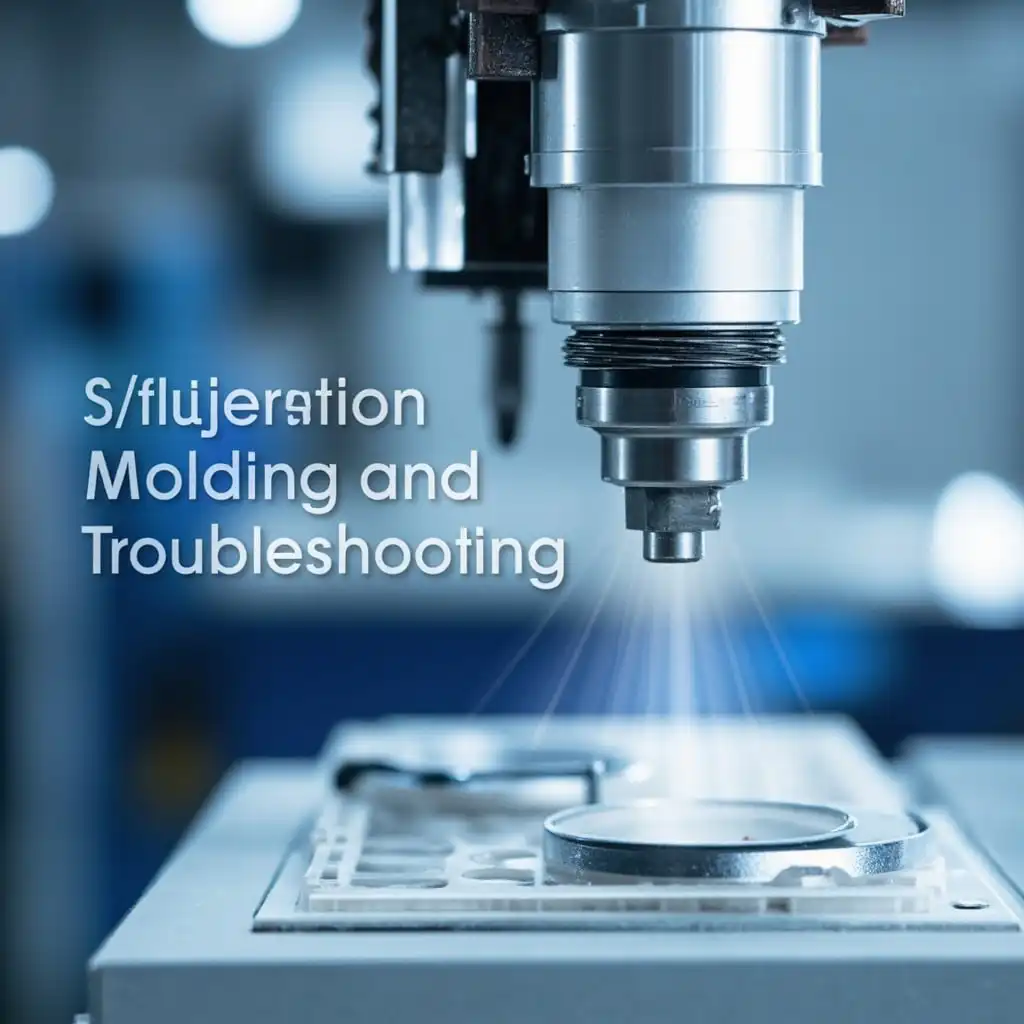
Common Injection Molding Defects
Short Shots
Insufficient material fills the cavity. Solutions: Increase injection pressure, raise melt temperature, check for leaks.
Sink Marks
Visible depressions on thick sections. Solutions: Increase packing pressure, adjust cooling time, reduce wall thickness variation.
Flash
Excess material escapes the cavity. Solutions: Reduce injection pressure, repair worn molds, check clamp force.
Warpage
Uneven cooling causes distortion. Solutions: Uniform cooling, symmetric wall design, post-mold annealing.
Surface Streaks
Flow lines visible on surface. Solutions: Increase melt temperature, modify gate location, improve venting.
ЧАСТО ЗАДАВАЕМЫЕ ВОПРОСЫ
When does Injection Molding Defects and Troubleshooting — The Complete Practical Guide make sense?
Injection Molding Defects and Troubleshooting — The Complete Practical Guide makes sense when the part volume, material choice, geometry, and repeatability needs justify mold design and tooling investment.
What design factors matter most for Injection Molding Defects and Troubleshooting — The Complete Practical Guide?
Wall thickness, ribs, bosses, draft angle, gate location, shrinkage, parting line, and ejection all affect molded part quality.
What information is needed before mold production?
The supplier should confirm the 3D model, material, expected annual volume, appearance requirements, tolerance needs, and any assembly or functional testing requirements.
What is the biggest risk in Injection Molding Defects and Troubleshooting — The Complete Practical Guide?
The biggest risk is approving tooling before material behavior, shrinkage, flow, and part function are fully checked against the real application.


 English
 Dutch
Dutch German
 French
 Korean
 Russian
 Japanese
 Spanish
 Vietnamese
 Chinese
 Portuguese
 Arabic