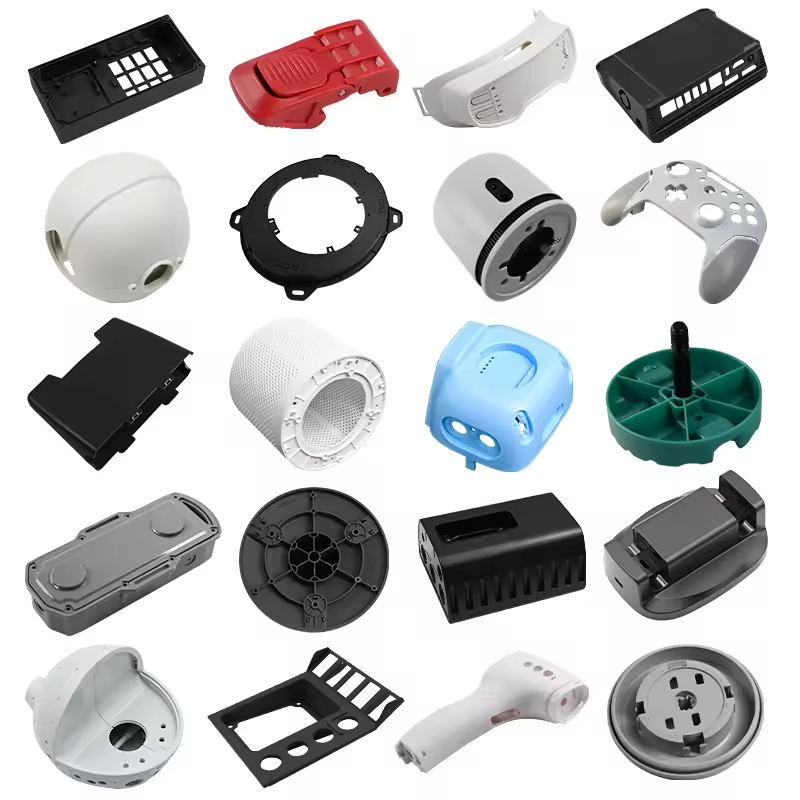
Giới thiệu về thiết kế khuôn ép phun
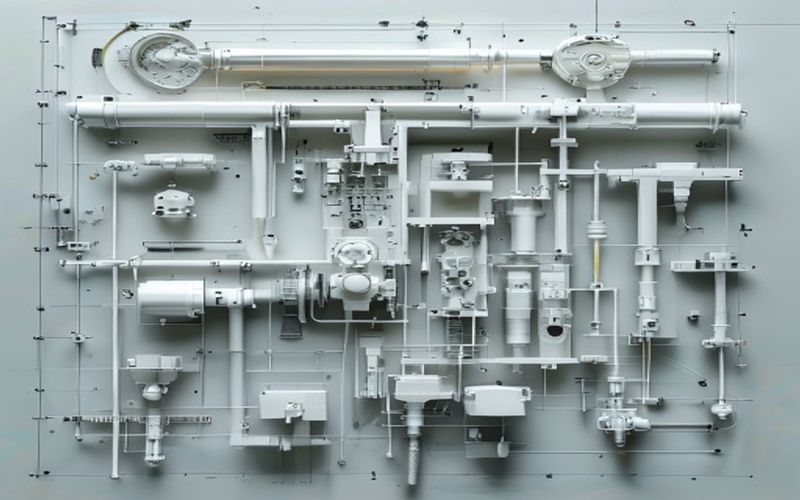
Thiết kế khuôn ép phun là nền tảng cho việc sản xuất thành công các chi tiết nhựa. Một khuôn được thiết kế tốt đảm bảo chất lượng chi tiết ổn định, chu kỳ sản xuất hiệu quả và tuổi thọ khuôn cao. Hướng dẫn này trình bày những nguyên tắc cơ bản mà mọi kỹ sư cần nắm vững.
1. Độ dày thành đồng nhất
Việc duy trì độ dày thành sản phẩm đồng đều là yếu tố quan trọng trong quá trình ép phun. Sự chênh lệch về độ dày sẽ gây ra hiện tượng làm nguội không đồng đều, dẫn đến hiện tượng cong vênh, vết lõm và ứng suất bên trong.
Độ dày tường khuyến nghị theo loại vật liệu
| Chất liệu | Độ dày khuyến nghị (mm) |
|---|---|
| ABS | 1,2 – 3,5 |
| PP | 0,8 – 3,8 |
| Máy tính cá nhân | 1,0 – 3,8 |
| Nylon (PA6/PA66) | 0,8 – 3,0 |
| POM | 1,0 – 3,0 |
2. Góc cắt để tháo khuôn
Góc nghiêng giúp các chi tiết đúc có thể tách ra khỏi khoang khuôn một cách trơn tru. Nếu không có góc nghiêng phù hợp, các chi tiết có thể bị dính, dẫn đến lỗi sản phẩm và hư hỏng khuôn.
- Chiều sâu mớn nước tối thiểu: 0,5° – 1° đối với bề mặt nhẵn
- Bề mặt có hoa văn: 2° – 5° tùy thuộc vào độ sâu của kết cấu
- Các tính năng nâng cao: Tăng độ dày để bù đắp cho sự co ngót của vật liệu
3. Thiết kế xương sườn phù hợp
4. Chiến lược bố trí cổng
Vị trí đặt cổng hàn ảnh hưởng đến mô hình lấp đầy, đường hàn và bề mặt chi tiết. Cần lưu ý:
- Chiều dài dòng chảy: Giảm thiểu để giảm sụt áp
- Vị trí đường hàn: Vị trí tại các khu vực không quan trọng
- Hình thức: Nếu có thể, hãy giấu các cổng ở những khu vực không dễ thấy
- Chức năng của bộ phận: Tránh lắp đặt cổng gần các cấu trúc chịu lực
5. Thiết kế hệ thống làm mát
Hệ thống làm mát hiệu quả giúp rút ngắn thời gian chu kỳ và nâng cao chất lượng sản phẩm. Các yếu tố cần lưu ý:
- Khoảng cách đều đặn giữa các kênh làm mát (2–3 lần đường kính kênh)
- Các tấm chắn và thiết bị tạo bọt cho lõi khoan sâu
- Làm mát theo hình dạng cho các cấu trúc hình học phức tạp
- Tốc độ dòng chảy thích hợp (chế độ dòng chảy nhiễu loạn)
Những sai lầm thường gặp trong thiết kế cần tránh
- Các đường cắt dưới không có cơ chế phù hợp (bộ nâng, thanh trượt)
- Các góc trong nhọn gây ra hiện tượng tập trung ứng suất
- Hệ thống thông gió không đủ dẫn đến hiện tượng cháy và sản phẩm không đầy khuôn
- Không tính đến sự co ngót vật liệu trong các tính toán kích thước
Kết luận
Việc tuân thủ các nguyên tắc thiết kế khuôn ép này sẽ đảm bảo các chi tiết sản xuất được với chất lượng ổn định. Sự hợp tác từ sớm giữa các nhà thiết kế sản phẩm và kỹ sư khuôn sẽ giúp tránh được những thay đổi tốn kém về sau.
Tài nguyên liên quan
- Gia công CNC nylon
- In 3D để tạo mẫu so với sản xuất
- Hướng dẫn lựa chọn vật liệu nhựa
- Các yếu tố ảnh hưởng đến chi phí nhựa kỹ thuật
- So sánh giữa PEEK và PEI
Tài nguyên liên quan
- Gia công CNC nylon
- In 3D để tạo mẫu so với sản xuất
- Hướng dẫn lựa chọn vật liệu nhựa
- Các yếu tố ảnh hưởng đến chi phí nhựa kỹ thuật
- So sánh giữa PEEK và PEI
Tài nguyên liên quan
- Gia công CNC nylon
- In 3D để tạo mẫu so với sản xuất
- Hướng dẫn lựa chọn vật liệu nhựa
- Các yếu tố ảnh hưởng đến chi phí nhựa kỹ thuật
- So sánh giữa PEEK và PEI
Câu hỏi thường gặp
When does Injection Mold Design Principles — Building Quality Molds from the Ground Up make sense?
Injection Mold Design Principles — Building Quality Molds from the Ground Up makes sense when the part volume, material choice, geometry, and repeatability needs justify mold design and tooling investment.
What design factors matter most for Injection Mold Design Principles — Building Quality Molds from the Ground Up?
Wall thickness, ribs, bosses, draft angle, gate location, shrinkage, parting line, and ejection all affect molded part quality.
What information is needed before mold production?
The supplier should confirm the 3D model, material, expected annual volume, appearance requirements, tolerance needs, and any assembly or functional testing requirements.
What is the biggest risk in Injection Mold Design Principles — Building Quality Molds from the Ground Up?
The biggest risk is approving tooling before material behavior, shrinkage, flow, and part function are fully checked against the real application.