
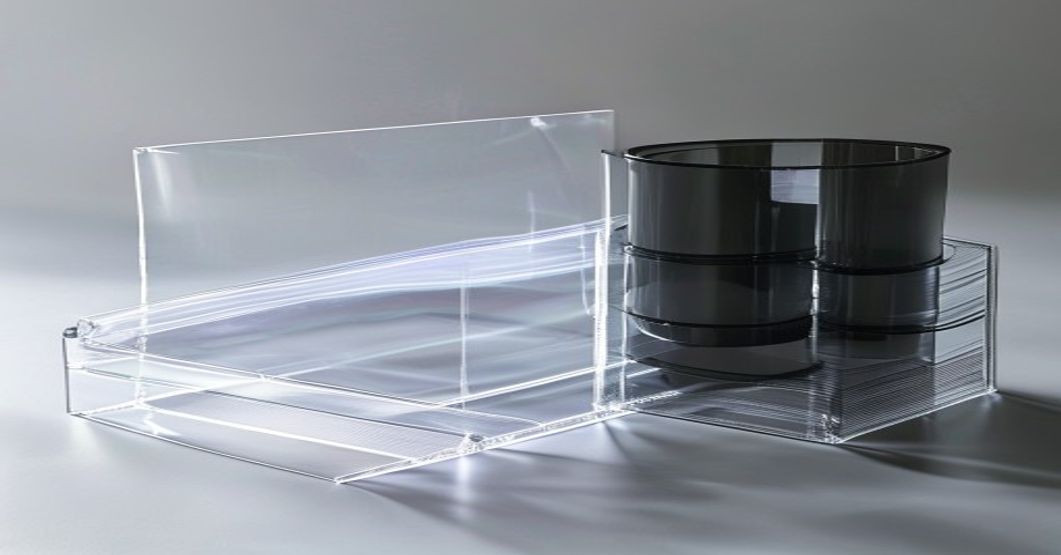
Nylon and polycarbonate are two of the most specified engineering thermoplastics. Both offer excellent mechanical properties, but their unique characteristics—impact resistance for polycarbonate, wear resistance for nylon—make each better suited for specific applications.
Mechanical Properties Compared
| Tài sản | Nylon (PA6) | Polycarbonate (PC) |
|---|---|---|
| Độ bền kéo (MPa) | 70-85 | 55-75 |
| Mô đun uốn (GPa) | 2.5-3.0 | 2.2-2.4 |
| Notched Izod Impact (kJ/m²) | 5-15 | 60-80 |
| Mật độ (g/cm³) | 1.14 | 1.20 |
Impact Resistance: Polycarbonate’s Signature Strength
Polycarbonate is legendary for its impact resistance—it’s used in bulletproof glass and safety goggles. With notched Izod impact values of 60-80 kJ/m², PC is virtually unbreakable under normal use.
Thermal and Optical Properties
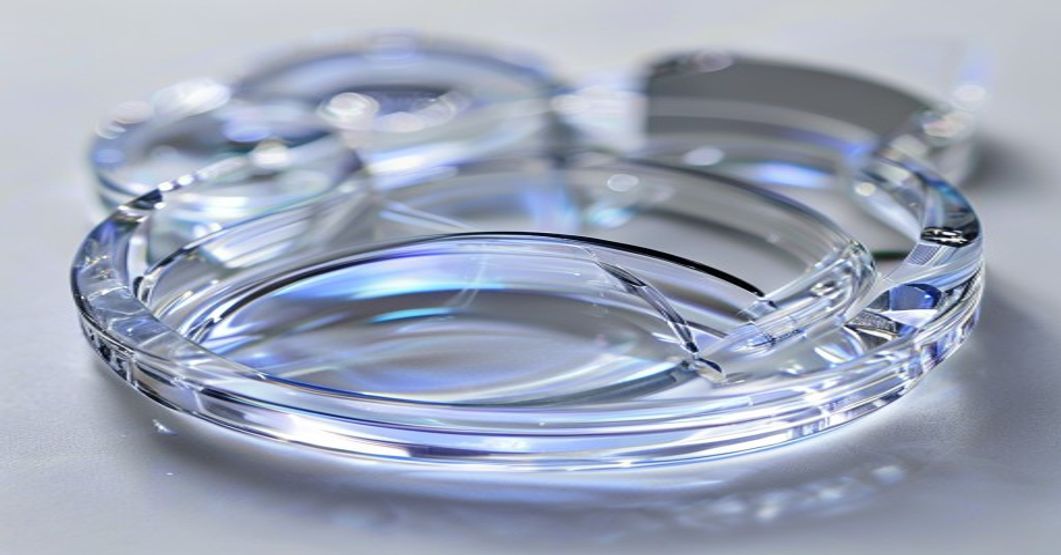
Polycarbonate is naturally transparent with light transmission of 88-90%. Nylon is naturally translucent to opaque.
Khả năng chống hóa chất
Nylon holds a distinct advantage here. Polycarbonate has poor chemical resistance—it’s attacked by hydrocarbons, ketones, and many cleaners. Nylon offers excellent resistance to oils, greases, fuels, and many organic solvents.
Moisture and Environmental Resistance
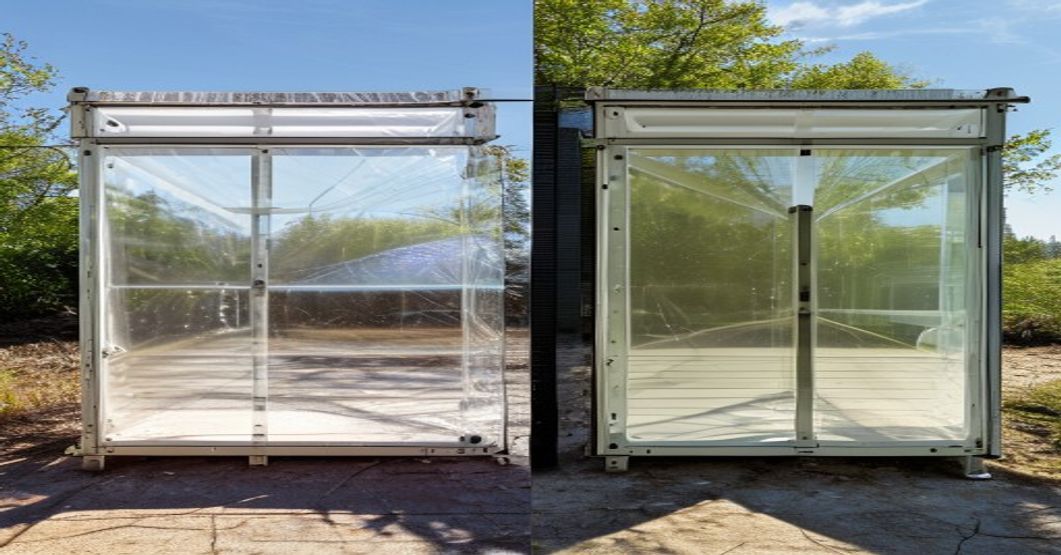
Polycarbonate absorbs negligible moisture (0.15-0.35%). Nylon’s moisture absorption (2.5-3.0%) can cause dimensional changes. However, PC is susceptible to UV degradation.
Application Guide
Choose Nylon When:
- Chemical resistance to oils and fuels is needed
- Wear resistance matters
- Parts must survive dynamic loading
Choose Polycarbonate When:
- Optical clarity is required
- Exceptional impact resistance is critical
- Dimensional stability under varying humidity is needed
Our Capabilities
With over 300 CNC machines, we produce more than 10,000 pieces daily with tolerances as tight as ±0.005mm. We accept MOQ from 1 piece, with delivery times ranging from 24 hours to 15 days. We machine both nylon and polycarbonate. Get a quote within 24 hours.
Câu hỏi thường gặp
How do you know whether Nylon vs Polycarbonate: Strength, Heat Resistance, and Cost Compared fits a part?
Nylon vs Polycarbonate: Strength, Heat Resistance, and Cost Compared fits a part when its load capacity, temperature range, moisture exposure, wear behavior, and processing method match the real service conditions.
What properties should be checked for Nylon vs Polycarbonate: Strength, Heat Resistance, and Cost Compared?
Check strength, stiffness, impact resistance, heat resistance, moisture absorption, dimensional stability, friction, wear, and chemical compatibility.
What is the biggest selection risk for Nylon vs Polycarbonate: Strength, Heat Resistance, and Cost Compared?
The biggest risk is choosing from a datasheet value without considering actual environment, processing method, part geometry, and long-term use.
When should Nylon vs Polycarbonate: Strength, Heat Resistance, and Cost Compared be tested before production?
Testing is recommended when the part faces load, heat, chemicals, moisture, tight tolerances, regulatory requirements, or a new operating environment.


 English
 Dutch
Dutch German
 French
 Korean
 Russian
 Japanese
 Spanish
 Vietnamese
 Chinese
 Portuguese
 Arabic