
Carbon in Steel represents Complete Guide to Carbon Content and Steel Properties one of the most important materials in modern engineering and manufacturing. This comprehensive guide examines the fundamental properties, industrial applications, and manufacturing considerations for this critical material, providing engineers and procurement professionals with essential knowledge for material selection and application design.
基本特性和特徵
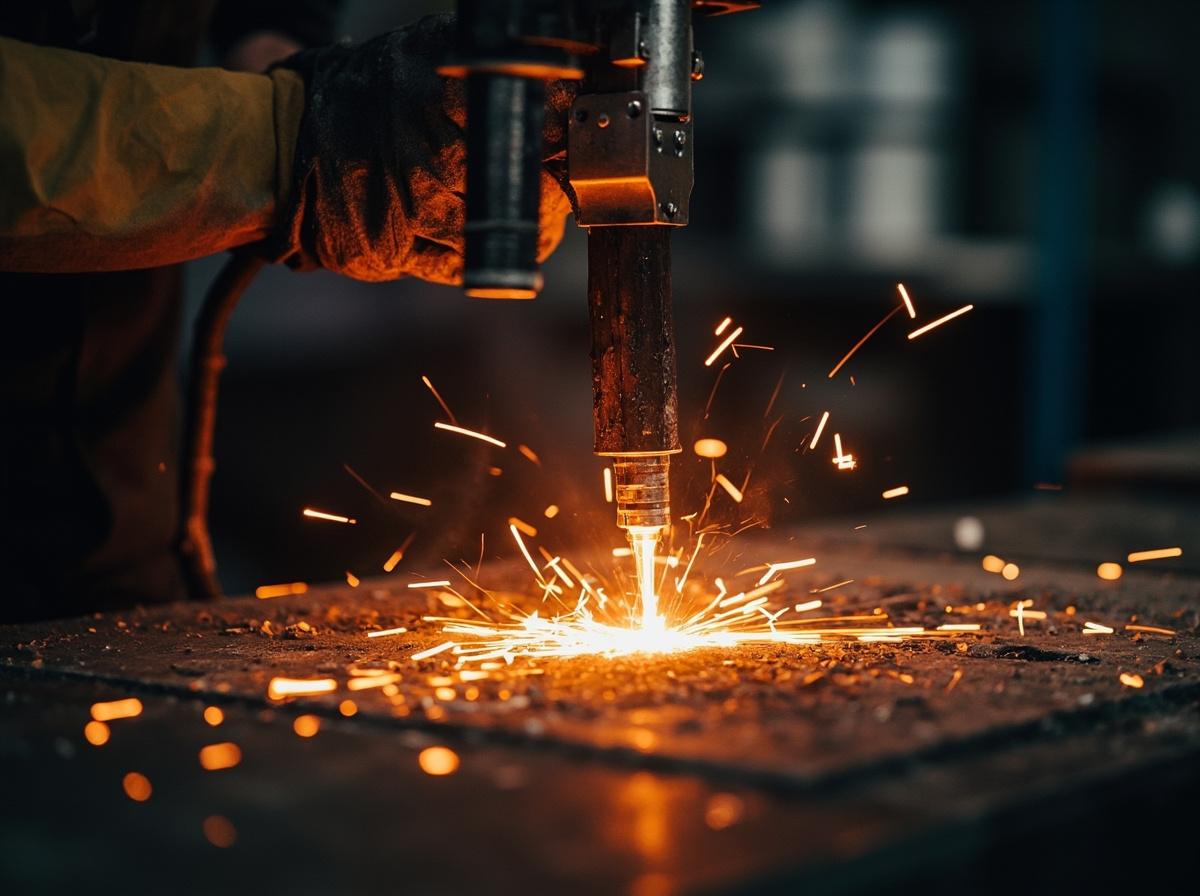
The material properties of carbon in carbon steel determine its suitability for specific engineering applications. Key characteristics include mechanical strength, thermal stability, chemical resistance, and processing behavior. Understanding these fundamental properties enables optimal material selection across diverse industrial applications.

工業應用
| 應用領域 | 特定用途 | 效能要求 | 材料優勢 |
|---|---|---|---|
| 製造業 | 組件生產 | 高強度、耐用性 | 具成本效益、可靠 |
| 建築 | 結構元素 | 承重能力 | 使用壽命長 |
| 電子產品 | 電氣元件 | 導電性、穩定性 | 效能一致性 |
| 汽車 | 車輛組件 | 重量最佳化 | 燃油效率 |
| 航太 | 飛機結構 | 高強度對重量 | 安全關鍵 |
製造流程
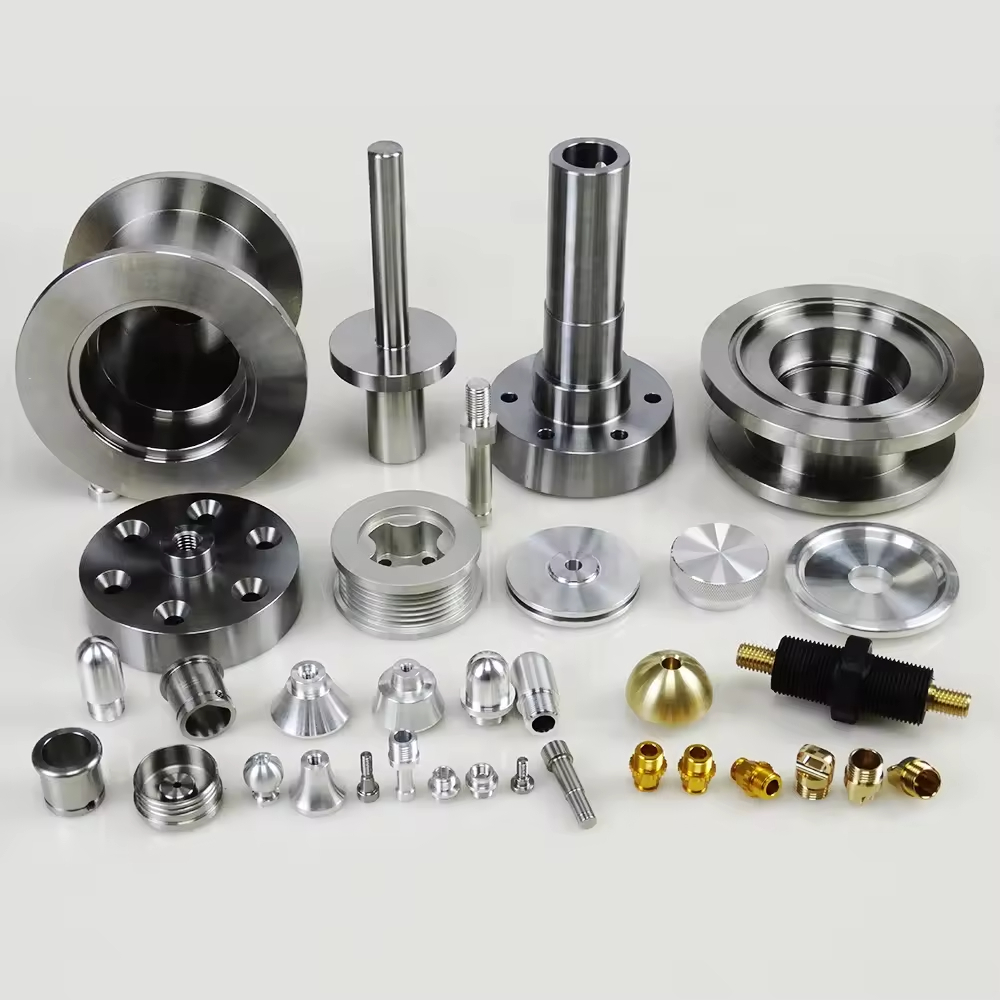
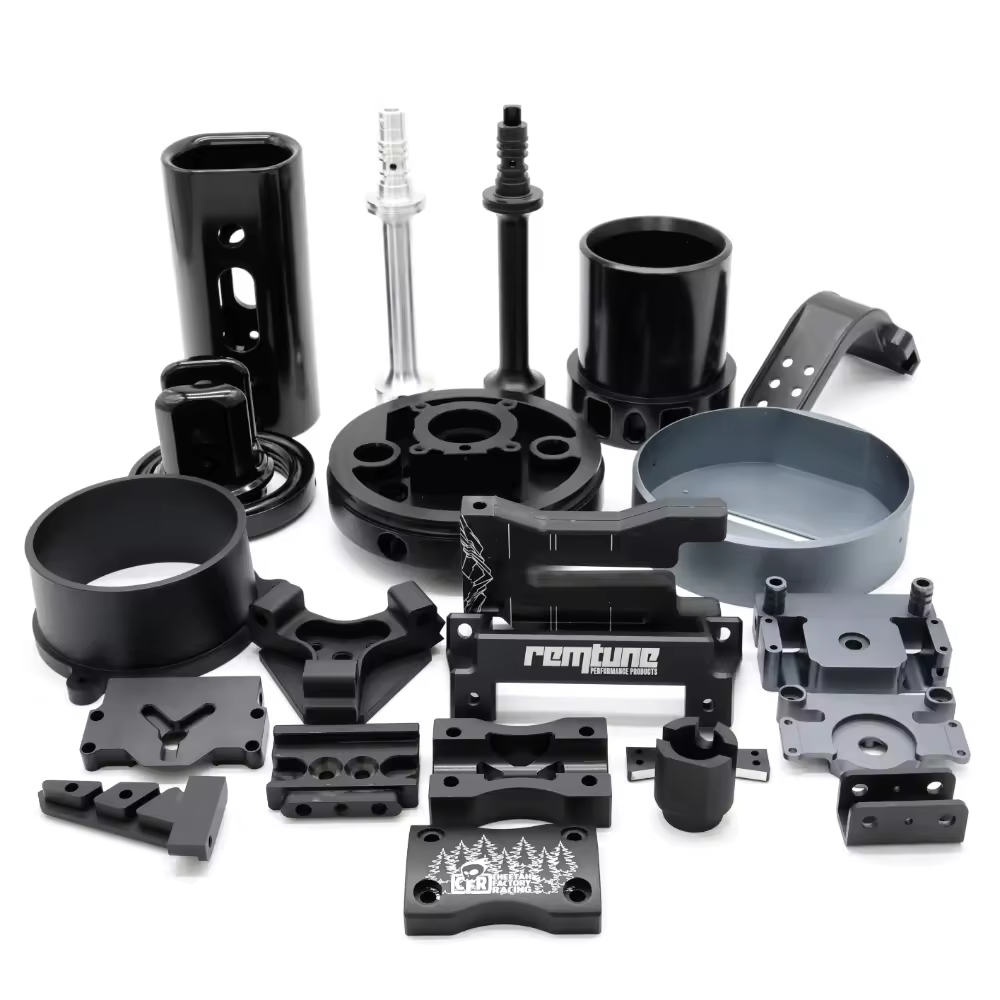
carbon in carbon steel manufacturing involves specialized processes tailored to material properties and application requirements. Common manufacturing methods include casting, forging, machining, and additive manufacturing, each offering distinct advantages for specific component geometries and performance criteria.

材料選擇注意事項
Selecting carbon in carbon steel for engineering applications requires evaluating multiple performance criteria against cost constraints and manufacturing feasibility. Key considerations include mechanical properties, environmental resistance, processing characteristics, and lifecycle costs.
效能與成本分析
Material selection balances performance requirements against economic constraints. carbon in carbon steel offers specific advantages in applications requiring [performance characteristic], though alternative materials may provide better cost-performance ratios for less demanding applications.
環境與法規因素
Environmental regulations and sustainability considerations increasingly influence material selection. carbon in carbon steel compliance with relevant standards and regulations must be verified for specific applications and geographic markets.
未來發展與趨勢
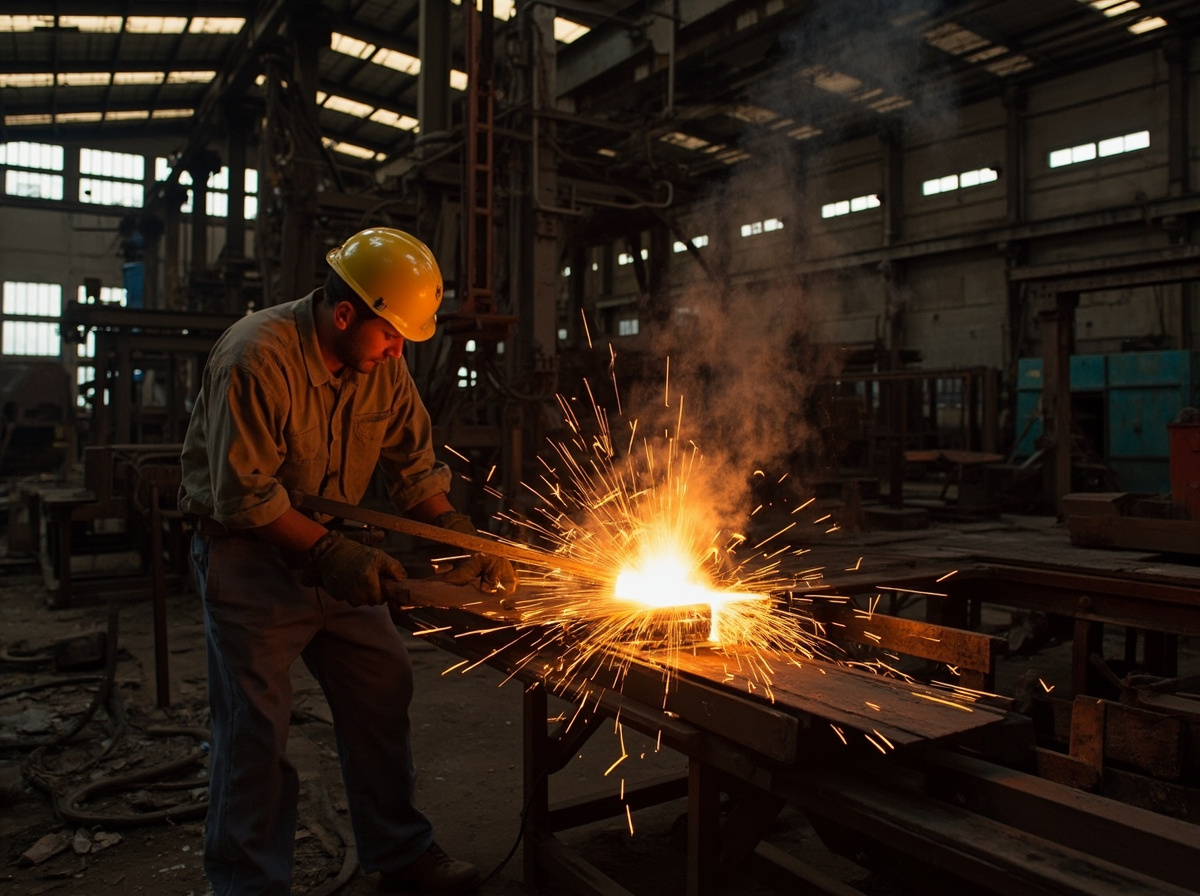
Advancements in carbon in carbon steel technology continue to expand application possibilities while addressing sustainability concerns. Emerging trends include improved processing efficiency, enhanced material properties through alloy development, and increased focus on recyclability and circular economy principles.
總結
carbon in carbon steel represents a critical material category with diverse industrial applications spanning manufacturing, construction, electronics, and beyond. Understanding its fundamental properties, processing characteristics, and application-specific considerations enables engineers and procurement professionals to make informed material selection decisions that balance performance, cost, and sustainability requirements.
常見問題
How should buyers evaluate Carbon in Steel: Complete Guide to Carbon Content and Steel Properties?
Carbon in Steel: Complete Guide to Carbon Content and Steel Properties should be evaluated by matching strength, corrosion resistance, heat exposure, machinability, finishing requirements, and certification needs to the operating environment.
What properties matter most for Carbon in Steel: Complete Guide to Carbon Content and Steel Properties?
最重要的特性通常包括強度、硬度、延展性、耐腐蝕性、熱行為、機械加工性及表面處理相容性。.
哪些資訊有助於選擇合適的金屬等級?
應用負荷、環境、溫度、接觸材料、所需的表面處理、生產製程和適用標準都有助於縮小等級選擇的範圍。.
What is a common mistake when choosing Carbon in Steel: Complete Guide to Carbon Content and Steel Properties?
常見的錯誤是僅僅根據強度來選擇,而忽略了腐蝕、成型、機械加工、焊接、精加工或長期使用條件。.
 English
 Dutch
Dutch German
 French
 Korean
 Russian
 Japanese
 Spanish
 Vietnamese
 Chinese
 Portuguese
 Arabic