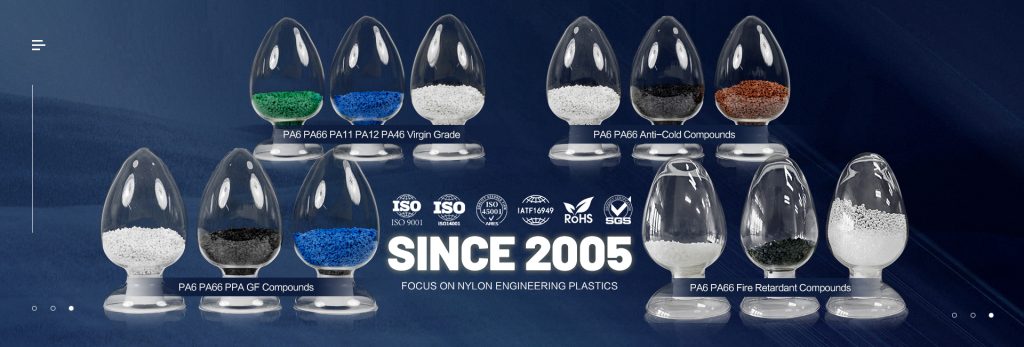
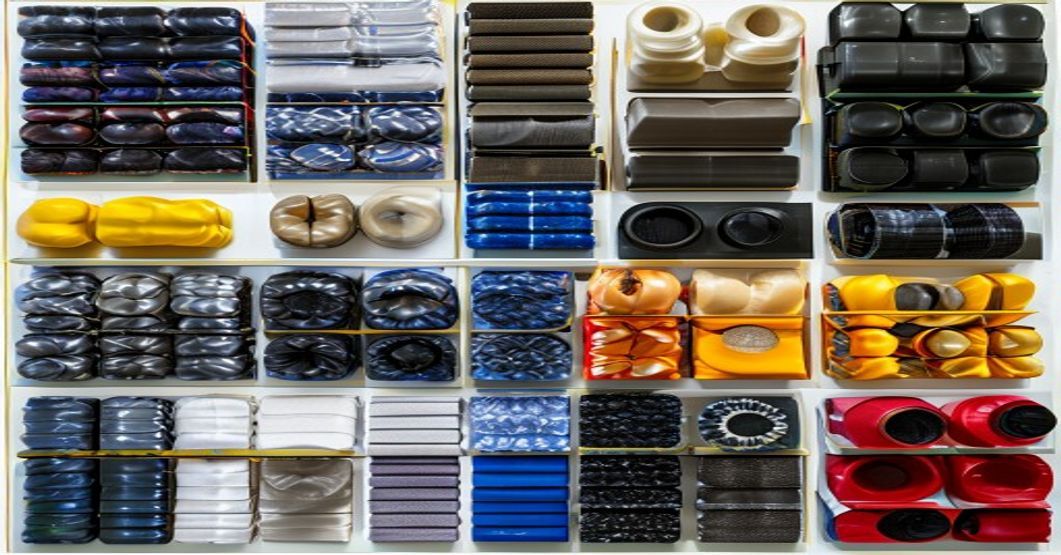
Nylon isn’t one material—it’s a family of polyamides with distinctly different properties. From the workhorse PA6 to the premium PA12, understanding the full range of nylon grades helps you select the optimal material for your application.
The Nylon Family Overview
| 等級 | 類型 | 熔點 | Moisture (50% RH) | Key Characteristic |
|---|---|---|---|---|
| PA6 | Aliphatic | 220°C | 2.7% | Toughness, processability |
| PA66 | Aliphatic | 260°C | 2.5% | Strength, heat resistance |
| PA11 | Bio-based | 185°C | 0.8% | Flexibility, low moisture |
| PA12 | Aliphatic | 178°C | 0.7% | Lowest moisture absorption |
| PA46 | Aliphatic | 295°C | 3.5% | Highest heat resistance |
PA6: The Versatile Workhorse
PA6 is the most widely used nylon grade, representing approximately 60% of nylon consumption. It offers an excellent balance of strength, toughness, and processability.
關鍵特性
- Tensile strength: 70-85 MPa
- Excellent impact resistance
- Good surface finish and colorability
- Wider processing window than PA66
PA66: The High-Performance Standard
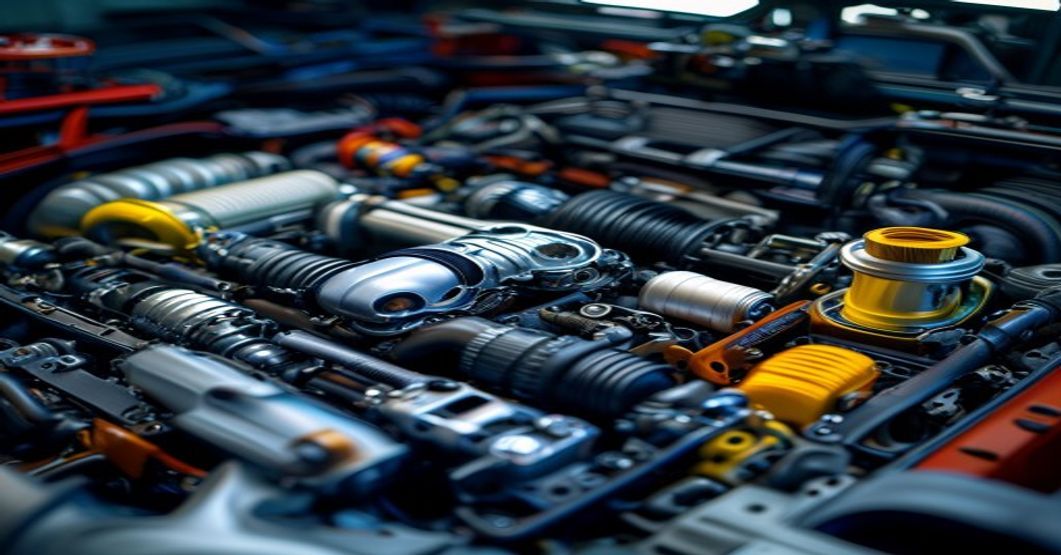
PA66 offers approximately 10-15% higher strength and stiffness than PA6, with superior heat resistance. It’s the preferred choice for demanding applications.
PA11 and PA12: The Specialty Nylons
PA11 and PA12 are distinguished by their exceptionally low moisture absorption—less than 1% even at saturation. This gives them outstanding dimensional stability.
PA46: The High-Temperature Specialist
PA46 (Stanyl) offers the highest heat resistance of any aliphatic nylon, with a melting point of 295°C.
Selection Guide
| 要求 | Recommended Grade |
|---|---|
| General purpose, cost-sensitive | PA6 |
| High temperature (>120°C) | PA66, PA46 |
| Wet/humid environment | PA12, PA11 |
| Maximum stiffness | PA66-GF30/50 |
Our Capabilities
With over 300 CNC machines, we produce more than 10,000 pieces daily with tolerances as tight as ±0.005mm. We accept MOQ from 1 piece, with delivery times ranging from 24 hours to 15 days. We supply all major nylon grades. Get a quote within 24 hours.
常見問題
How do you know whether The Complete Guide to Nylon Grades: PA6, PA66, PA11, PA12 and More fits a part?
The Complete Guide to Nylon Grades: PA6, PA66, PA11, PA12 and More fits a part when its load capacity, temperature range, moisture exposure, wear behavior, and processing method match the real service conditions.
What properties should be checked for The Complete Guide to Nylon Grades: PA6, PA66, PA11, PA12 and More?
Check strength, stiffness, impact resistance, heat resistance, moisture absorption, dimensional stability, friction, wear, and chemical compatibility.
What is the biggest selection risk for The Complete Guide to Nylon Grades: PA6, PA66, PA11, PA12 and More?
The biggest risk is choosing from a datasheet value without considering actual environment, processing method, part geometry, and long-term use.
When should The Complete Guide to Nylon Grades: PA6, PA66, PA11, PA12 and More be tested before production?
Testing is recommended when the part faces load, heat, chemicals, moisture, tight tolerances, regulatory requirements, or a new operating environment.