
Carbon Fiber Ice Hockey Sticks have revolutionized the sport, moving from a niche luxury to the essential tool for players at all levels seeking a competitive edge. By utilizing advanced carbon fiber composites in the shaft and blade, these sticks deliver an unparalleled combination of explosive power transfer, precise puck feel, and lightweight durability that traditional wood or fiberglass composites cannot match. This guide explores the engineering behind high-performance sticks, detailing why carbon fiber is the material of choice and how sophisticated layup techniques create the perfect extension of a player’s skill.
The Carbon Fiber Advantage: Power, Precision, and Performance
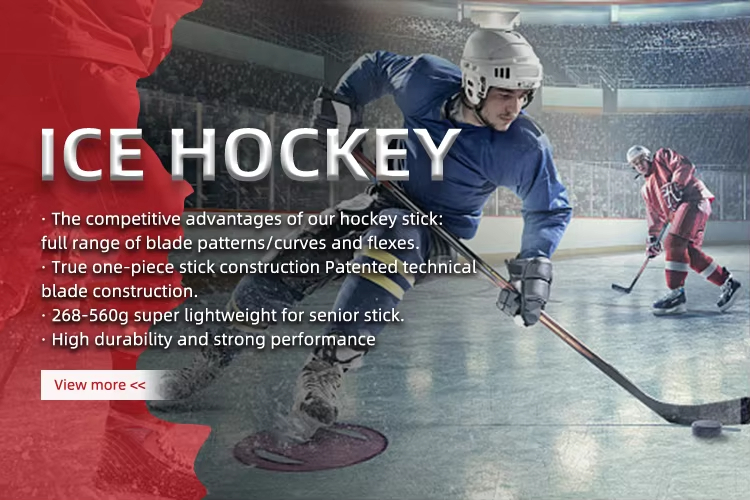
The integration of carbon fiber technology directly addresses the core physical demands of modern hockey, where quick releases, powerful shots, and delicate stickhandling are all crucial.
- Maximized Energy Transfer & Shot Power: The high stiffness-to-weight ratio of carbon fiber creates an exceptionally responsive shaft and blade. This minimizes energy loss during flex and recoil, translating more of the player’s strength into puck velocity for harder shots and quicker releases.
- Enhanced Puck Feel & Control: A well-engineered carbon fiber stick provides superior feedback and a consistent, predictable response. The rigid yet responsive structure allows for precise stickhandling, accurate passing, and better feel for receiving passes, even at high speeds.
- Lightweight Design for Quick Hands: Carbon fiber’s exceptional strength allows for incredibly light constructions without sacrificing durability. This reduced weight improves stickhandling speed, shot release quickness, and reduces player fatigue during long shifts, providing a tangible advantage in fast-paced play.
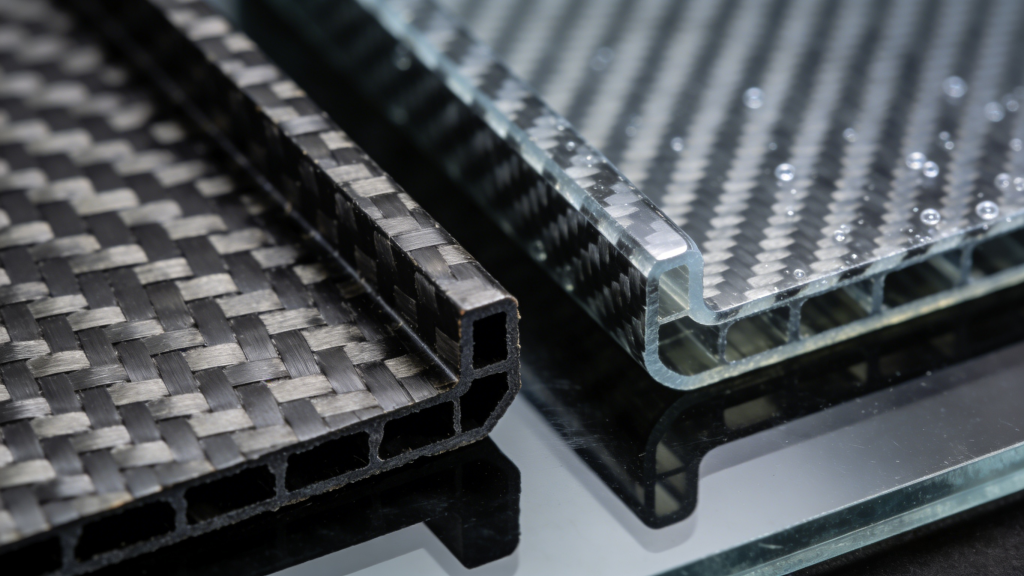
- Customizable Flex and Kick Points: Unlike uniform materials, carbon fiber sheets can be layered in specific orientations and densities throughout the shaft. This allows manufacturers to engineer precise flex profiles and kick points (low, mid, high), tailoring the stick’s bending characteristics to a player’s shooting style for optimal energy loading and release.
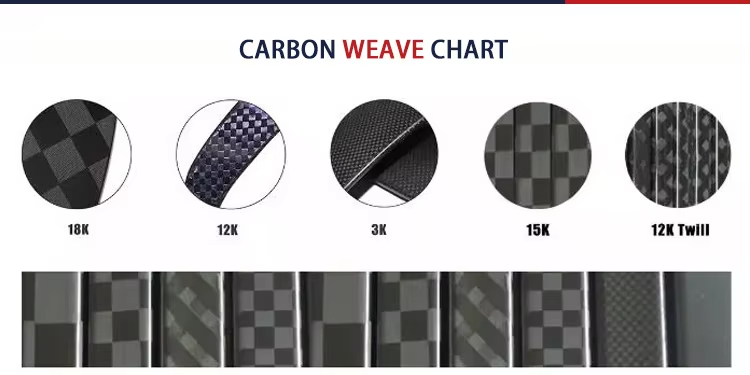
Material Evolution: Why Carbon Fiber Dominates the Game
The transition from classic materials to advanced composites marked a definitive shift in equipment performance. The table below highlights the key differences.
| Material | Energy Transfer / Shot Power | Puck Feel & Control | Weight & Maneuverability | Consistency & Durability |
|---|---|---|---|---|
| Carbon Fiber Composite | Excelente (High stiffness, efficient energy transfer) | Excelente (Precise, responsive feedback) | Excelente (Ultra-light & strong) | Alta (Engineered consistency, high impact resistance) |
| Fiberglass/Wood Hybrid | Bien | Good (Softer, more dampened feel) | Good (Heavier for given strength) | Moderate (Prone to water damage, less consistent) |
| Classic Wood (Ash, Birch) | Moderate (High weight reduces efficiency) | Good (Unique, dampened feel) | Poor (Heavy, slower swing) | Low (Varies by piece, absorbs moisture, can break down) |
Análisis: While wood offers a classic feel and hybrid sticks provided a middle ground, carbon fiber ice hockey sticks deliver a superior, tunable combination of all critical performance attributes. They allow for the creation of specialized sticks for different player positions and styles. Advanced composites, such as tailored PA-CF (Poliamida Fibra de Carbono) systems, are at the forefront of creating the next generation of high-durability, high-performance blades and multi-material shafts.

Inside the Stick: Layup Technology & Manufacturing
Constructing a high-performance carbon fiber hockey stick is a precise, multi-stage process centered around advanced composite layup.
| Escenario | Tecnología y procesos básicos | Resultados |
|---|---|---|
| 1. Diseño e ingeniería | – Computer simulation of flex, torsional stability, and vibration dampening. – Creation of a detailed layup schedule specifying the type, angle, and placement of each carbon fiber prepreg sheet. | A virtual prototype optimized for target performance characteristics like flex, kick point, and overall balance. |
| 2. Mold Preparation & Layup | – Precision cutting of carbon fiber prepreg sheets and core materials (like lightweight foams for the blade). – Hand or automated layup of sheets into a multi-part mold that defines the stick’s shape and internal structure. | The “green” assembly where the stick’s performance is dictated by the precision of the fiber placement and material selection. |
| 3. Curado y consolidación | – The mold is closed and subjected to high heat and pressure in an oven or autoclave. The resin cures, bonding the layers into a single, high-strength unitized structure. | A seamless, hollow or cored structure with exceptional structural integrity and the designed mechanical properties. |
| 4. Finishing & Quality Control | – The stick is removed from the mold, trimmed, sanded, and painted with team graphics or custom designs. – Each stick undergoes flex testing and weight sorting to ensure it meets strict performance specifications. | A finished, game-ready stick with precise flex rating, cosmetics, and final balance. Expertise in high-performance composites and material science is crucial for consistency. |
FAQ: Carbon Fiber Ice Hockey Sticks
Q1: What do “flex” and “kick point” mean, and how does carbon fiber affect them?
A: Flex is a numerical rating of how much force (in pounds) it takes to bend the shaft one inch. Kick point is the location along the shaft where it bends most during a shot. Carbon fiber technology allows manufacturers to precisely engineer both by varying the layup, creating low-kick sticks for quick snapshots or mid-kick sticks for powerful slap shots.
Q2: Are one-piece composite sticks better than two-piece (separate shaft/blade) setups?
A: One-piece sticks offer superior energy transfer and consistency as they are a single, seamless unit. Two-piece systems provide customization and cost savings, as a broken blade can be replaced. The connection point in two-piece sticks can slightly dampen feel and energy transfer compared to a true one-piece.
Q3: How durable are carbon fiber sticks compared to wood?
A: Carbon fiber sticks are extremely durable against flex fatigue and moisture, which degrade wood sticks. However, they can be more susceptible to catastrophic failure from sharp impacts (like hard slashes or blocking shots) in a way that wood may just chip. Overall lifespan in high-level play is often comparable or better.
Q4: What is the benefit of a textured grip on the shaft?
A: A textured grip (often a clear coat with added grit or a molded pattern) provides enhanced glove-to-stick control in all conditions, especially when gloves are wet. It improves handling for passes, shots, and stickchecks without the mess or inconsistency of traditional tape.
Q5: Can you manufacture custom or prototype stick components or materials?
R: Por supuesto. For brands developing next-level stick technology, we specialize in the engineering and prototyping of advanced composite materials and structures. This includes developing custom carbon fiber prepreg formulations, designing blade core systems for optimal feel and durability, and creating the material solutions that meet specific weight, flex, and durability targets. Contacte con nuestro equipo de ingenieros to collaborate on pushing the boundaries of hockey equipment performance.
Conclusion: The Ultimate Tool for the Modern Game
Carbon fiber ice hockey sticks are the definitive product of sports material science, engineered to enhance player performance through precise control of power, weight, and feel. Their evolution continues to shape how the game is played at every level.
Ready to explore how advanced composites can elevate your equipment line? For brands dedicated to innovation in sports technology, Nylon Plástico proporciona la colaboración esencial en ciencia de materiales, ingeniería de compuestos y fabricación de precisión to bring the next generation of high-performance hockey sticks to the ice.
PREGUNTAS FRECUENTES
When is Carbon Fiber Ice Hockey Sticks: Engineering the Modern Slapshot a good option?
Carbon Fiber Ice Hockey Sticks: Engineering the Modern Slapshot is a good option when fast iteration, complex geometry, low tooling cost, or low-volume production is more important than molded-part unit cost.
What should be checked before choosing Carbon Fiber Ice Hockey Sticks: Engineering the Modern Slapshot?
Compruebe el tamaño de la pieza, las propiedades del material, el acabado superficial, la tolerancia dimensional, la exposición al calor, la dirección de la carga y si es necesario un tratamiento posterior.
How does Carbon Fiber Ice Hockey Sticks: Engineering the Modern Slapshot compare with CNC machining?
La impresión 3D puede crear formas complejas con rapidez, mientras que el mecanizado CNC suele ser más potente para superficies precisas, tolerancias más ajustadas y materiales de calidad de producción.
What affects the cost of Carbon Fiber Ice Hockey Sticks: Engineering the Modern Slapshot?
El coste depende del material, el volumen de fabricación, el tiempo de impresión, la altura de capa, la eliminación de soportes, el acabado, la inspección y el número de piezas de la fabricación.
 English
 Dutch
Dutch German
 French
 Korean
 Russian
 Japanese
 Spanish
 Vietnamese
 Chinese
 Portuguese
 Arabic