
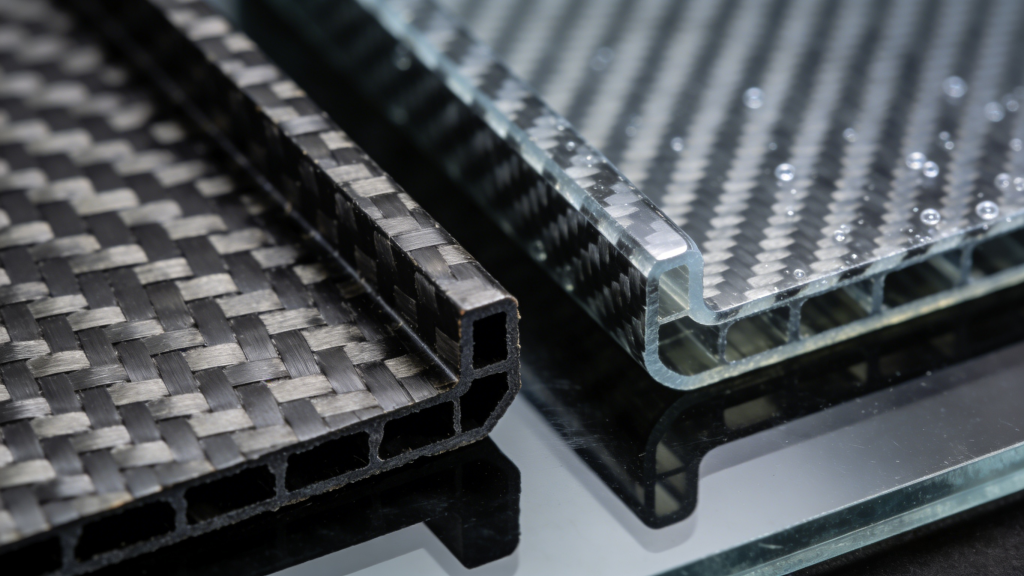
PA6-CF vs PET-CF vs PC-CF: ¿Qué filamento de fibra de carbono es el adecuado para su proyecto?
Ya dominas el PLA y has domado el ASA. Pero ahora su diseño requiere algo más fuerte, es decir, más rigidez. Ya sabe que el filamento reforzado con fibra de carbono (CF) es el camino a seguir, pero elegir entre PA6-CF, PET-CF y PC-CF puede ser desalentador.
Esta guía va más allá de las especificaciones y el bombo publicitario, y ofrece una comparación clara y práctica basada en la experiencia real de la impresión 3D.
La respuesta corta: Es un intercambio
Basado en tu configuración de Prusa XL y el objetivo de maximizar la rigidez mientras se equilibra la imprimibilidad, aquí tienes una recomendación directa:
Para la máxima rigidez y están listos para un desafío: Elija PA6-CF. Tiene el módulo de flexión más alto (8,3 GPa), pero exige una impresora cerrada, un sistema de secado activo y, posiblemente, una boquilla endurecida.. Es un material de calidad profesional.
Para el mejor equilibrio entre rigidez y fiabilidad: Elija PET-CF. Con 4,7 GPa, es significativamente más rígido que el PLA, ofrece una excelente estabilidad dimensional y, en general, es más fácil de imprimir que el PA6-CF, aunque el secado a fondo no es negociable.
Para resistencia a altas temperaturas y buena rigidez: Elija PC-CF. Aunque ligeramente menos rígido (4,2 GPa), su supremo resistencia al calor y al impacto lo hacen ideal para piezas funcionales cerca de fuentes de calor o sometidas a tensión.
Inmersión profunda: Comparación de materiales y realidades de la impresión 3D
La siguiente tabla desglosa las características clave que debe tener en cuenta como fabricante que se adentra en los materiales avanzados.
| Propiedad / Filamento | PA6-CF20 (por ejemplo, Fiberlogy) | PET-CF17 (por ejemplo, Fiberlogy) | PC-CF (por ejemplo, Prusament) | PLA (Línea de base) |
|---|---|---|---|---|
| Módulo de flexión (rigidez) | ~8,3 GPa (Más alto) | ~4,7 GPa (Muy alto) | ~4,2 GPa (Alta) | ~3,2 GPa |
| Carácter central | En Fuerte y rígido Nylon | En Estable y predecible Poliéster | En Resistente al calor Policarbonato | La norma fácil |
| Ventajas clave | Incomparable relación rigidez-peso; buena resistencia a la fatiga. | Baja absorción de humedad; mínimo alabeo; gran adherencia de capas. | Excepcional resistencia al calor (HDT ~110°C+); alta resistencia al impacto. | Fácil de imprimir, bajo coste. |
| El gran reto de la impresión 3D | Extremadamente higroscópico y se deforma con facilidad. Requiere secado perfecto, an cámara cerrada (~40°C), y altas temperaturas de boquilla (~285°C). | Higroscópico. Debe imprimirse totalmente seco en secadora. Puede volverse quebradizo si está húmedo. | Altas temperaturas de impresión (~270°C), requiere un cámara calentada (~90°C) para evitar el alabeo y la delaminación. | Pocos. Sobrecalentamientos en recintos. |
| Tratamiento posterior | Se puede recocido para una mayor resistencia a la temperatura. Mecanizable. | Se puede recocer para aumentar significativamente el HDT. | No suele ser necesario; ya es muy estable al calor. | Fácil de lijar y pintar. |
| Coste relativo | $$$ (Máximo) | $$ (Mediana) | $$ (Mediana) | $ (Más bajo) |
Análisis: Descifrando la “rigidez” más allá de los números
PA6-CF: El campeón de la rigidez, pero exigente
Por qué es tan rígido: La matriz de nailon-6 se adhiere bien a las fibras de carbono, creando un compuesto con una excelente distribución de la carga. Su alta cristalinidad contribuye a la rigidez.
La prueba de la realidad: Ese módulo de 8,3 GPa es para un pieza perfectamente seca e impresa. El nailon absorbe la humedad del aire en pocas horas, que lo plastifica, reducir la rigidez y provocar cambios dimensionales. El éxito requiere tratar el filamento como granos de café frescos: almacenamiento sellado, impresión directamente desde un secador (80°C durante más de 6 horas), y probablemente una boquilla de acero endurecido debido a la abrasión. El alabeo es su némesis; un recinto calefactado no es opcional. Para proyectos que exigen la mejor mecánica, es el objetivo, pero es un proyecto en sí mismo. Explore nuestros datos técnicos en PA6 Serie CF para comprender todo su potencial.
PET-CF: la central pragmática
Por qué es una gran elección: El PET (o su variante común en impresión 3D, el PETG) es intrínsecamente menos propenso a la deformación y absorbe mucha menos humedad que el nailon. El refuerzo de CF eleva su rigidez a una nueva liga, al tiempo que mantiene una buena adherencia de las capas. Su “módulo de flexión” es más fiable en la humedad típica de los talleres.
La prueba de la realidad: Sigue siendo higroscópico y debe secarse (65°C durante 4-6 horas). Sin embargo, en general es más tolerante que la PA6-CF. Ofrece una fantástica relación rigidez-peso. Las piezas acabadas tienen un gran acabado, son químicamente resistentes y muy estables dimensionalmente. Para profundizar en las propiedades de los materiales compuestos a base de PET, consulte nuestro PET Serie GF ofrece información relevante.
PC-CF: El tanque que desafía el calor
Por qué es único: Su característica más destacada no es sólo la rigidez: es Temperatura de deflexión térmica (HDT). Una pieza de PC-CF no se ablandará en un coche caliente ni cerca de componentes electrónicos. También es increíblemente dura y resistente a los impactos.
La prueba de la realidad: Para lograr sus propiedades, necesita calor elevado en todas partes: hotend (~270°C), lecho (~110-120°C) y, lo que es más importante, un cámara muy caliente (~90°C) para evitar deformaciones catastróficas y la rotura de capas. No se trata tanto de la humedad como de la gestión del calor. Para aplicaciones que impliquen temperaturas más elevadas o integridad estructural, considere las aleaciones de nuestra gama Serie PC/ABS.
Recomendación final para su proyecto
Dada tu Prusa XL (que tiene una cámara calentada pasivamente que puede alcanzar ~45-50°C) y tu experiencia con ASA, aquí tienes una ruta de decisión adaptada:
Si su objetivo principal es derrotar a la flexión y puede invertir en control de procesos: Ir con PET-CF. Ofrece la mejora de rigidez más fiable a partir del PLA. Compre un secador de filamento de calidad (como un Sunlu S2 o Eibos), séquelo bien e imprímalo directamente desde el secador. Es probable que consigas grandes resultados con menos frustración que con PA6-CF.
Si su pieza va a soportar altas temperaturas (>80°C) o impactos: Elija PC-CF. La versión Prusament está bien ajustada. Maximice el calor de la cámara de su XL (enciérrela más si es necesario) y asegúrese de que su cama puede mantener 110-120°C de forma constante.
Elija PA6-CF sólo si: Está preparado para tratar la impresión 3D como un proyecto de ciencia de los materiales. Debe tener un sistema de secado activo, una impresora cerrada capaz de mantener una temperatura estable y cálida en la cámara, y aceptar que las primeras impresiones pueden ser una experiencia de aprendizaje. La recompensa es una pieza que mecánicamente está en otra liga.
Consejo profesional: Elijas lo que elijas, imprimir primero una torre de temperatura y un cubo de calibración. Los filamentos CF suelen tener una ventana de temperatura de impresión óptima más estrecha que los filamentos estándar.
¿Aún no está seguro? Describa su pieza concreta
La mejor opción puede cambiar si sabemos más. ¿Es un soporte estructural? ¿Un brazo de dron? ¿Una plantilla de utillaje? Póngase en contacto con nuestra comunidad o equipo de asistencia con detalles: podemos ayudarle a sopesar los requisitos de rigidez, calor, impacto y estética para fijar el material perfecto para su proyecto rompedor.
 English
 Dutch
Dutch German
 French
 Korean
 Russian
 Japanese
 Spanish
 Vietnamese
 Chinese
 Portuguese
 Arabic