
Finding the perfect printing temperature for nylon filaments can be the difference between a failed print and a production-ready part. In this comprehensive guide, we’ll walk you through everything you need to know about PA6 and PA66 printing temperatures.
Understanding Nylon Thermal Properties
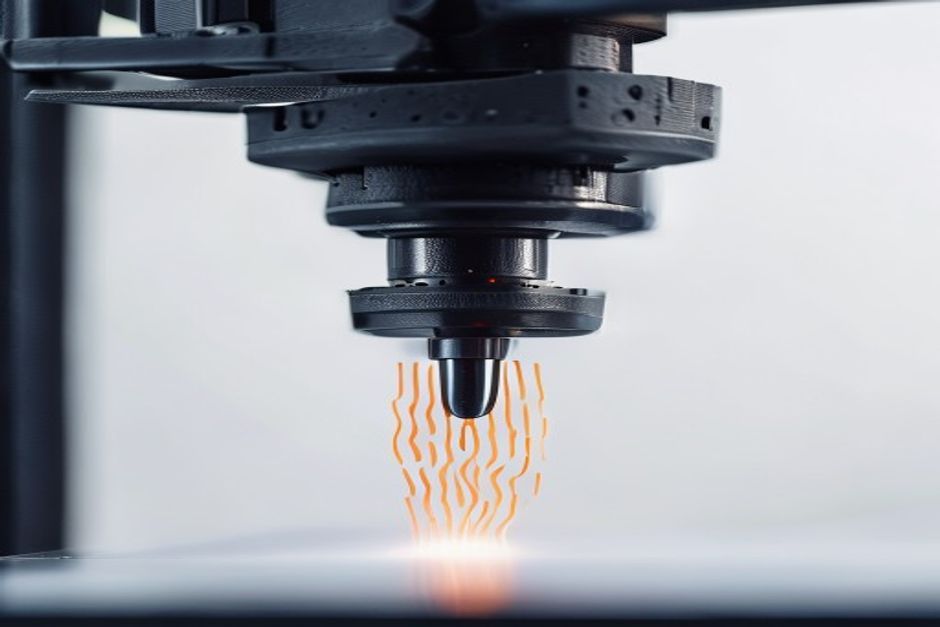
Nylon (polyamide) is a semi-crystalline thermoplastic that requires specific temperature control during printing. Unlike PLA or PETG, nylon has a narrow processing window where optimal layer adhesion and dimensional accuracy coincide.
The crystalline structure of nylon means it has a distinct melting point rather than a glass transition. PA6 melts around 220°C, while PA66 has a higher melting point at approximately 260°C. This difference significantly impacts your printing parameters.
Hotend Temperature Settings
PA6 (Nylon 6) Temperature Range
For standard PA6 filaments, we recommend:
- Minimum: 240°C (for slow, detailed prints)
- Optimal: 250-260°C (balanced speed and quality)
- Maximum: 270°C (for high-speed printing)
The key indicator you’ve found the right temperature is when the filament extrudes smoothly with a slight sheen, forming consistent layers without stringing.
PA66 (Nylon 66) Temperature Range
PA66 requires higher temperatures due to its higher melting point:
- Minimum: 260°C
- Optimal: 270-280°C
- Maximum: 290°C
Read our detailed PA6 vs PA66 comparison to understand which material suits your application.
Bed Temperature and Adhesion
Nylon is notorious for bed adhesion challenges. Here are proven solutions:
Recommended Bed Temperatures
| 재료 | Bed Temp | Surface |
|---|---|---|
| PA6 | 60-80°C | PEI or Garolite |
| PA66 | 80-100°C | Garolite preferred |
| PA6-GF | 70-90°C | PEI with glue |
Adhesion Solutions
1. Garolite (FR4) bed surface — The gold standard for nylon
2. PEI sheet with PVA glue — Works well for most users
3. ABS slurry — Creates excellent bonding
4. 마기구 PA — Dedicated nylon adhesive
Chamber Temperature and Enclosure
For dimensionally accurate nylon prints, enclosure temperature matters significantly. An ambient chamber temperature of 40-50°C reduces warping and improves layer adhesion.
If your printer lacks an enclosure, consider whether your project warrants production-grade equipment.
Temperature Tower Calibration
A temperature tower is essential for dialing in your specific filament. Here’s how to create one:
1. Download a temperature tower model (we recommend the 5-stage tower)
2. Set temperature changes at 10mm intervals
3. Print at your estimated optimal temperature
4. Evaluate layer bonding, stringing, and surface quality
5. Select the temperature with best overall results
Remember: nylon must be dry before temperature testing!
Troubleshooting Common Issues
Under-extrusion at Temperature
If you experience under-extrusion even at high temperatures:
- Check for nozzle clogs (especially with glass-filled nylon)
- Verify your hotend can handle 290°C
- Consider a hardened steel nozzle for abrasive variants
Warping Despite Correct Temperature
Warping often relates to bed adhesion, not hotend temperature:
- Increase bed temperature by 5-10°C
- Apply additional adhesive
- Ensure enclosure maintains consistent temperature
Poor Layer Adhesion
If layers separate easily:
- Increase hotend temperature by 5°C
- Reduce cooling (minimum or off for nylon)
- Check for moisture contamination
Special Considerations
Glass-Filled Nylon
PA6-GF and PA66-GF require slightly higher temperatures and slower speeds. The glass fibers increase abrasiveness and reduce flow.
Carbon Fiber Nylon
Carbon fiber nylon behaves similarly to glass-filled but offers superior stiffness.
Nylon Blends
Various nylon blends (PA6/PA66, nylon copolymers) have intermediate temperature requirements. Always start with manufacturer recommendations.
자주 묻는 질문
맞춤 주문의 일반적인 리드 타임은 어떻게 되나요?
표준 리드 타임은 주문의 복잡성과 수량에 따라 영업일 기준 3~15일입니다. 긴급 주문의 경우 프로토타입의 경우 24시간 이내에 처리할 수 있는 경우가 많습니다.
어떤 품질 인증을 보유하고 있나요?
당사의 제조 시설은 ISO 9001 인증을 받았으며, 생산 전반에 걸쳐 엄격한 품질 관리 프로세스를 유지하고 있습니다. 요청 시 재료 인증 및 테스트 보고서를 제공합니다.
최소 주문 수량(MOQ)은 얼마인가요?
프로토타입의 경우 단 1개부터 시작하여 대량 생산의 경우 최대 수백만 개까지 확장할 수 있는 유연한 MOQ를 제공합니다. 이를 통해 대량 주문에 들어가기 전에 디자인을 검증할 수 있습니다.
자재 인증 및 테스트 보고서를 제공할 수 있나요?
예, 필요에 따라 COA(분석 증명서), 물리적 특성 테스트 보고서, RoHS/REACH 준수 문서를 포함한 전체 재료 추적성 및 인증 문서를 제공합니다.
 English
 Dutch
Dutch German
 French
 Korean
 Russian
 Japanese
 Spanish
 Vietnamese
 Chinese
 Portuguese
 Arabic